Picking the right plastic molds can really make or break your project. Honestly, the options out there can feel a bit overwhelming. There are so many factors to think about—like the type of material you need and how complex the design is. If you choose poorly, you might end up with a result that's pretty disappointing, and nobody wants that.
When you're selecting molds, it helps to be clear about what you actually need. For example, if you're making molds for plastic bottles, like those covering plastic bottles, you should really pay attention to things like size and how the mold will function. Companies like Plastics Innovations are great because they offer detailed info and can walk you through the whole process. They can help you avoid those common mistakes that can cost you time and money.
Take a moment to really think about your choices. Are these molds flexible enough if you want to use them for other projects down the line? Will they hold up in the long run? Remember, quality matters—don’t cut corners just to save a few bucks. Sometimes, those cheaper options might seem tempting, but they can lead to regrets later on. So, take your time, really weigh your options, and make sure everything’s as well-thought-out as possible. After all, the key to a successful project is having the right molds from the get-go.

When selecting the right plastic molds, understanding various types is crucial. Injection molding, one of the most common methods, is versatile and efficient. It can produce high volumes of parts with consistent quality. According to industry reports, injection molding accounts for around 30% of the global plastic market. However, it requires significant initial investment and design considerations. This can lead to delayed project timelines if changes are needed later.
Another option is Blow Molding, primarily used for hollow objects like bottles. It’s faster and often cheaper than injection molding. Industry studies show it’s ideal for producing large quantities of light-weight products. But, in some cases, a limited range of shapes can be a drawback. Understanding these trade-offs is essential when deciding.
Rotational molding is less common but offers unique benefits. It allows for even wall thickness and is great for large items. However, the cycle times are longer. While options abound, each type of mold presents its challenges. Analyzing these factors can lead to better decision-making. It’s important to reflect on the project requirements before choosing a molding type.
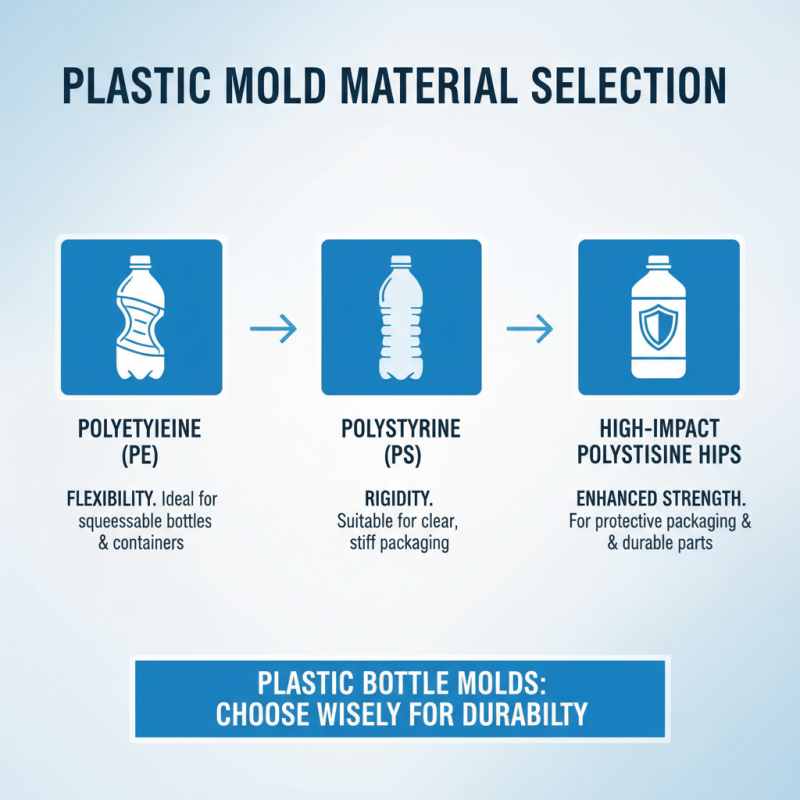
When selecting materials for plastic molds, several factors come into play. The type of plastic is crucial; for instance, polyethylene is ideal for flexibility. Conversely, polystyrene is better for rigidity. If you're working with Plastic Bottle Molds, consider how the material will affect the bottle's durability. High-impact polystyrene can offer increased strength for products that need extra protection.
Temperature resistance is another key aspect. Some materials warp under heat, which may pose a risk during manufacturing. Ensure you choose a mold material that withstands the intended temperatures. Sometimes, trial and error is necessary to find the right fit for your project. A common mistake is underestimating the importance of proper cooling channels. Without them, the molds may fail to cool evenly, leading to defects.
Don’t forget about the cost factor. Premium materials might give better results but can strain your budget. Analyzing your project goals helps you strike a balance between quality and expense. Reflection upon past projects can guide you. Have you ever faced issues with material choices? Learning from those instances is vital.
Choosing the right plastic molds requires a keen understanding of mold design. The design directly impacts production efficiency, affecting both time and cost. According to a 2022 industry report, molds with a well-optimized design can enhance production rates by over 30%. Designers must consider factors like material selection, wall thickness, and cooling channels to achieve this efficiency.
For instance, a mold with improperly sized cooling channels can create uneven temperatures. This may lead to longer cycle times or even defects in the final product. A study indicated that molds designed without considering proper thermal management can decrease productivity by as much as 20%. It is essential to balance aesthetic considerations with functional performance, as overlooking one could jeopardize the entire project.
Moreover, the complexity of mold design cannot be ignored. While intricate designs can result in visually stunning products, they often come with increased production challenges. The same 2022 report highlights that intricate molds can raise production costs up to 25% more than simpler designs. Iterating on design and being open to feedback can mitigate some risks. Understanding these factors thoroughly will lead to a more effective mold and smoother manufacturing process.
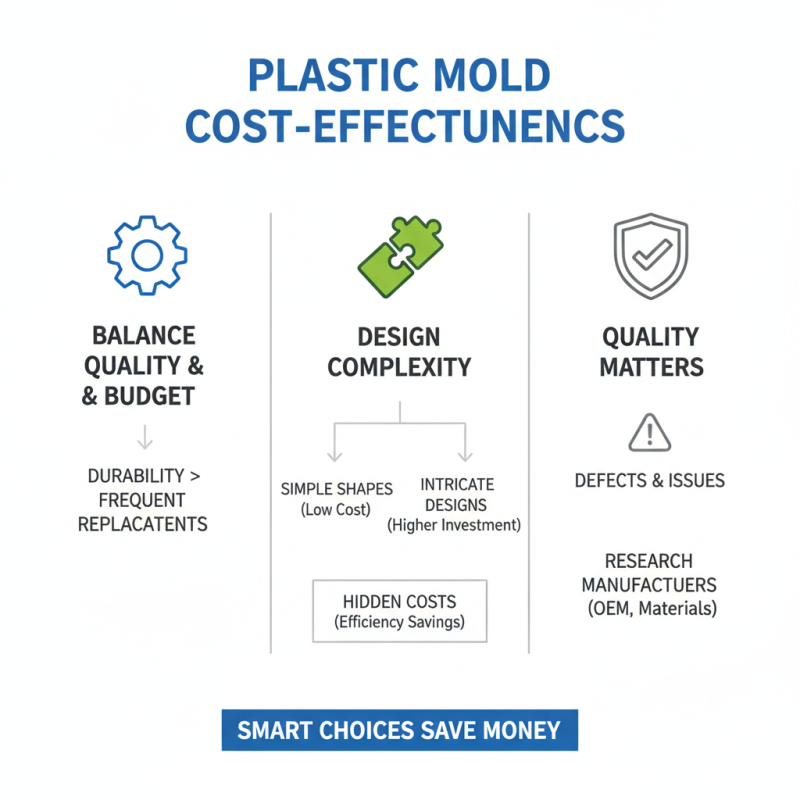
Choosing the right plastic molds for your project can greatly impact your budget. When analyzing cost-effectiveness, it’s essential to find a balance between quality and expense. The right mold can ensure durability, while a cheaper option might lead to frequent replacements. This can ultimately raise costs over time. Tips: Consider the complexity of your design. Simple shapes may allow for lower-cost molds, while more intricate designs often require a higher investment. Don’t forget the potential for hidden costs. Additional features might seem unnecessary but could save you money in production. It’s easy to underestimate the importance of quality. Some might think all molds are created equal, but that’s far from reality. Lower-quality options can cause issues down the line. Often, they lead to defects in the produced items, impacting your entire project. Tips: Research the capabilities of different manufacturers. Look for those specializing in OEM Plastic Bottle Molds. Ask about their experience and the materials they use. A conversation can reveal a lot and may even bring to light unexpected expenses. Balancing the right mold quality with your budget requires careful consideration and sometimes, hard choices.
Mold maintenance is crucial for the success of any plastic molding project. Regular checks can prevent costly delays and defects. Inspect molds for wear and tear. This helps ensure they function properly throughout the project’s lifecycle. Ignoring small issues can lead to bigger problems later.
Tips: Always clean your molds after use. Build a schedule for inspections to catch potential problems early. Train your team on proper handling techniques to avoid damages.
Maintaining ODM Plastic Bottle Molds requires attention to detail. Make sure to lubricate moving parts regularly. A small oversight can compromise the mold's integrity. Often, it’s the unnoticed issues that create long-term setbacks. Track your maintenance history to identify recurring problems. Keeping a log can help streamline the process and improve overall efficiency.
| Dimension | Importance | Maintenance Tips |
|---|---|---|
| Material Type | Critical for durability and quality of the final product. | Choose the right resin and avoid cross-contamination. |
| Mold Design | Affects ease of production and quality of parts. | Regularly check for design flaws and address them. |
| Mold Size | Influences the volume of production and material cost. | Monitor wear and adjust dimensions as needed. |
| Production Volume | Determines the most cost-effective mold type. | Plan regular maintenance to ensure high-volume capability. |
| Cooling System | Affects cycle time and production efficiency. | Check for clogs and clean regularly to maintain efficiency. |
Innovations in mold technology are transforming the plastics industry. Recent reports indicate that the global plastic mold market is expected to reach $40 billion by 2026. Modern advancements focus on efficiency and sustainability. These trends respond to rising demands for environmentally friendly processes and reduced production costs.
A key innovation is the use of advanced materials. Manufacturers are increasingly incorporating lightweight composites into mold designs. This shift can enhance durability and reduce cycle times. For example, certain high-performance polymers can withstand extreme temperatures while maintaining precision. Still, the transition requires careful evaluation. Not all facilities can adapt to new materials seamlessly.
Digital technologies, such as 3D printing, are also shaping the future. This approach allows for rapid prototyping and customization of molds. Companies report a 25% reduction in lead times when using digital methods. However, this doesn't come without challenges. Adopting such technology demands investment and skilled labor. Many businesses struggle with the transition, indicating further reflection is necessary in strategic planning.
When choosing a mold manufacturer, reliability is key. Many options are available, but not all are credible. Craftsmanship and communication are vital aspects to consider. Look for vendors who provide clear timelines and quality assurance. Personal visits, if possible, help build trust. You should clarify your needs upfront to avoid any misunderstandings later.
Many businesses opt for China Plastic Bottle Molds due to their affordability. However, not all manufacturers in China maintain high standards. It's essential to ask for samples and verify previous work. A manufacturer's portfolio can reveal much about their capabilities. Don’t solely rely on online reviews. Speak directly to past clients if you can. This approach provides better insights into the manufacturer’s reliability.
While focusing on lower costs is tempting, remember that quality matters. Sometimes, a cheaper mold can lead to defects. This might result in more expenses down the line. Balancing cost with quality requires careful contemplation. Pay attention to the details and trust your instincts throughout the selection process.
: Choose something you enjoy. Start small and be patient. Join a community for support.
Set realistic goals. Track your progress. Reward yourself for achievements, no matter how small.
Take breaks often. Don’t hesitate to step back. Reflect on why you started. It helps.
Accept it as part of learning. Analyze what went wrong. Adjust your approach for next time.
It fosters motivation and provides new ideas. Sharing experiences can also reduce isolation.
Prioritize your activities. Even short dedicated periods help. Make it a non-negotiable part of your day.
Reflect on the reasons. Consider taking a break. Remember, it should be enjoyable, not burdensome.
Yes, exploring new interests is normal. It keeps things fresh and exciting, even if it feels aimless.
Choosing the right plastic molds for your project involves understanding the various types available in the industry and their applications. Key considerations include material selection, where the properties of different plastics can significantly affect the mold's performance and durability. Evaluating mold design is crucial as it directly influences production efficiency, while balancing cost and quality ensures adherence to budget constraints.
Additionally, proper mold maintenance plays a vital role in long-term project success, preserving the integrity of the molds over time. Keeping an eye on innovations and trends in mold technology can provide strategic advantages, allowing for enhanced productivity and quality. Finally, assessing vendor options is essential to select reliable mold manufacturers, ensuring that the molds meet both operational and budgetary needs. Together, these factors create a comprehensive framework for selecting the right plastic molds for successful projects.
Chinese