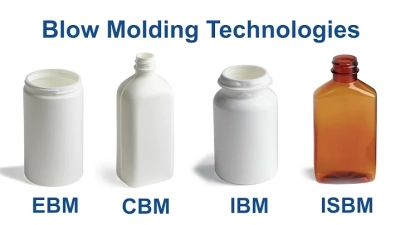
In today's world of global sourcing, it’s super important for businesses to find the right comprehensive services if they want to boost their manufacturing processes. Take companies like Foshan Baijinyi Precision Technology Co., Ltd. (BJY), for instance—they focus on designing and creating PET liquid packaging molds. It’s really crucial to know how to assess the quality and reliability of potential manufacturers. After all, whether you need blowing molds, PET Injection Molds, or even compression capping molds, choosing the right partner can make a world of difference in terms of how efficient your production is and the quality of your products.So, in this guide, we’re going to dive into some effective strategies to help you pick the manufacturers that offer tailored services just for your unique sourcing needs. This way, your projects will not only run smoothly but also meet the highest standards of excellence. Let’s get into it!

You know, global sourcing has really turned into a must-have for businesses trying to make sense of today’s tricky trade landscape. Figuring out how to fine-tune international sourcing strategies isn't just a walk in the park; there are a bunch of important things to take into account. Recent reports show that U.S. importers are dealing with some pretty complicated choices influenced by geopolitical uncertainties and constantly shifting supply chains. It’s really highlighted how important it is to be agile and resilient when picking suppliers who can roll with the punches while still keeping everything running smoothly.
One big factor that’s shaking up sourcing decisions these days is something called "stickiness" in commodity supply chains. When companies have stable commercial relationships, it can really help with sustainability efforts since it encourages better cooperation across different businesses and regions. As companies chase those ambitious net-zero goals, they’re starting to take Environmental, Social, and Governance (ESG) factors more seriously, and that's shaping how they choose their suppliers. A recent study pointed out that companies that put ESG criteria at the top of their list are actually in a better spot to deal with supply chain disruptions, which, let's be honest, have been popping up a lot more frequently over the last few years. All of this really drives home the point that businesses need to take a hard look at their sourcing strategies. It's crucial if they want to build strong supply chain resilience while navigating this fast-changing global market.
When you're looking at service providers for your supply chain, it really helps to zero in on how well they can integrate all the different functions. Start by checking out their know-how in logistics, quality control, and managing suppliers. A trustworthy provider should have a solid history of making these processes run smoothly, ensuring your products go from production to delivery without a hitch. You’ll want to find companies that use tech, like advanced data analytics and real-time tracking—these tools can seriously boost transparency and help you make better decisions.
Another thing to think about is how flexible and scalable the provider is. Your sourcing needs can shift with market trends, so having a partner that can adjust quickly and scale up operations is super important. It’s worth looking into how they manage varied sourcing requirements in different regions since global markets can throw some curveballs your way. Plus, effective communication is key; you should choose a provider that values clear and steady interaction so you can get timely updates and quick responses if any issues pop up in the supply chain. By keeping these points in mind, you can feel more confident that your chosen partner will handle your global sourcing needs like a pro.
Alright, let’s talk about global sourcing for a minute. One of the most important things you need to wrap your head around is the industry standards. These aren’t just numbers or regulations—they’re key to finding services that really fit what you're after. They help ensure that the quality of products and services is up to snuff, and they also play a big role in things like compliance, sustainability, and ethical sourcing. So, get to know the different types of industry standards out there—like ISO certifications, which can really help you assess potential partners in your supply chain.
Here’s a tip: keep your knowledge fresh by regularly reviewing and updating what you know about these standards. You’ll want to stay on top of any new regulations or best practices that might impact your sourcing decisions. By doing this, you’ll be better aligned with global expectations, which helps reduce any risks that come up from being non-compliant.
And here’s the thing—these industry standards are about more than just ticking boxes. They can actually make your sourcing strategy stronger by boosting transparency and building better relationships with your suppliers. When you team up with partners who are just as committed to these standards as you are, you’re on your way to a more efficient and innovative supply chain.
So, think about putting together a supplier assessment framework based on these established industry standards. This way, you’ll be able to evaluate suppliers more effectively and find partners who not only meet your quality standards but also share your organizational values.
You know, in today’s world of global sourcing, businesses are really grappling with the tricky balance between keeping costs low and ensuring quality service. It’s not easy! With so much economic uncertainty around, companies are scrambling to cut costs, and that’s led to some pretty creative supply chain procurement strategies popping up. A recent report on outsourcing pointed out that more and more businesses are tapping into outside resources to boost their operational efficiency, all while keeping an eye on quality. This shift is a big deal — it shows just how crucial it is to choose sourcing partners who not only save you a few bucks but also provide top-notch service.
And then there’s the World Economic Forum weighing in on how responsible artificial intelligence is shaking things up in the procurement game. AI tech is evolving so fast, and integrating generative AI into sourcing can really ramp up efficiency and help with decision-making. Some industry research even suggests that companies that jump on board with these AI-driven strategies could see their procurement costs drop by 15-20%, not to mention improving the overall quality of products and services they receive. So yeah, focusing on both cost-effectiveness and service quality is super important for businesses hoping to thrive in this post-pandemic landscape.
So, when you're teaming up with global service providers to tackle all your sourcing needs, it really pays off to stick to some best practices that boost how well you work together. You know, recent studies show that businesses that focus on building strong partnerships with their service providers can actually cut operational costs by as much as 30%. Pretty impressive, right? It really highlights the financial benefits of managing those partnerships well. By having regular chats and getting on the same page about goals, both sides can gain a better understanding of what each other can bring to the table, which usually results in better service and some cool innovations.
**Quick Tip:** Think about putting together a governance framework with your service providers. It’s a solid way to keep everyone accountable and ensure transparency during projects. This kind of setup helps both sides set clear expectations and keep tabs on performance metrics.
On top of that, using tech and data analytics in your collaborations can really change the game for global service providers. One study even found that organizations that use cloud-based solutions while working with partners see a 25% boost in project efficiency. How awesome is that? By getting your hands on some advanced tools for communication and project management, partners can find new ways to collaborate and get creative.
**Another Tip:** Consider investing in collaborative platforms that mesh well with your partners' systems. This kind of integration makes workflows smoother and helps with real-time info sharing, which is super important for quick decision-making in global sourcing situations.
You know, global sourcing can be quite the puzzle for companies, right? There are tons of challenges that can mess with supply chain efficiency and overall performance. One huge hurdle is dealing with cultural differences and communication barriers when working with suppliers from other countries. To really tackle this, companies need to focus on building solid relationships with their sourcing partners. Regular chats, cultural training, and teamwork on projects can go a long way. By taking the time to learn and respect local customs and practices, businesses can actually build trust, which makes collaboration smoother and can lead to way better sourcing results in the long run.
Then there's the whole quality control thing, which can get tricky when you're sourcing from around the globe. Different production standards can lead to some pretty inconsistent quality, and that's definitely not good for a company's reputation or for keeping customers happy. So, implementing solid quality assurance protocols and doing audits regularly can really help keep this under control. Plus, using tech like real-time monitoring systems gives insights into what's happening on the production floor, helping companies spot and fix quality issues before they become a problem. With these strategies up their sleeves, organizations can navigate the global sourcing maze much more effectively, making sure their needs are met with top-notch quality.
| Service Type | Description | Challenges Addressed | Solution Strategies |
|---|---|---|---|
| Supplier Management | Ensuring a reliable network of suppliers globally. | Quality Assurance, Communication Barriers | Regular Audits, Collaborative Platforms |
| Logistics Coordination | Streamlining the transportation of goods across borders. | Delays, Customs Issues | Real-time Tracking, Expert Customs Support |
| Market Research | Understanding local market trends and demands. | Data Overload, Cultural Differences | Local Partnerships, Custom Analytics |
| Compliance Services | Ensuring adherence to local and international regulations. | Legal Barriers, Regulatory Changes | Continuous Training, Compliance Audits |
| Risk Management | Identifying and mitigating risks associated with sourcing. | Supply Chain Disruptions, Market Fluctuations | Diversification Strategies, Contingency Planning |
: Global sourcing involves obtaining goods and services from suppliers around the world and is crucial for businesses to optimize their supply chains amidst complex trade dynamics and geopolitical uncertainties.
"Stickiness" refers to stable relationships within supply chains that can enhance sustainability. These relationships foster cooperation and are important for companies aiming to achieve net-zero targets.
ESG factors increasingly influence supplier selection, as companies that prioritize these criteria tend to be more resilient to supply chain disruptions.
Understanding industry standards is critical as they ensure product quality, compliance, sustainability, and ethical sourcing practices, guiding businesses in evaluating potential supply chain partners.
Companies should regularly review and update their knowledge of industry standards and stay informed about new regulations and best practices to align with global expectations.
Companies can build strong relationships with overseas suppliers through regular communication, cultural training, and collaboration, which fosters trust and enhances collaboration.
Variations in production standards across borders can lead to inconsistent quality, impacting reputation and customer satisfaction. Robust quality assurance protocols and regular audits can help mitigate this risk.
Leveraging technology such as real-time monitoring systems can provide insights into the production process and help companies proactively address quality issues.
A supplier assessment framework based on established industry standards allows companies to evaluate suppliers effectively, ensuring they meet quality requirements and align with organizational values.
By partnering with suppliers who share a commitment to industry standards, companies can foster transparency, drive innovation, and achieve greater efficiency in their sourcing strategy.

Chinese