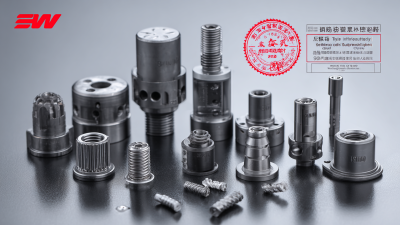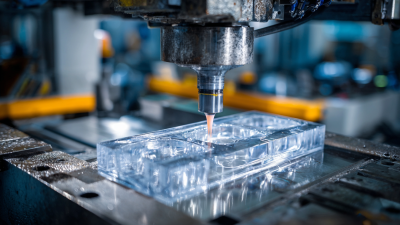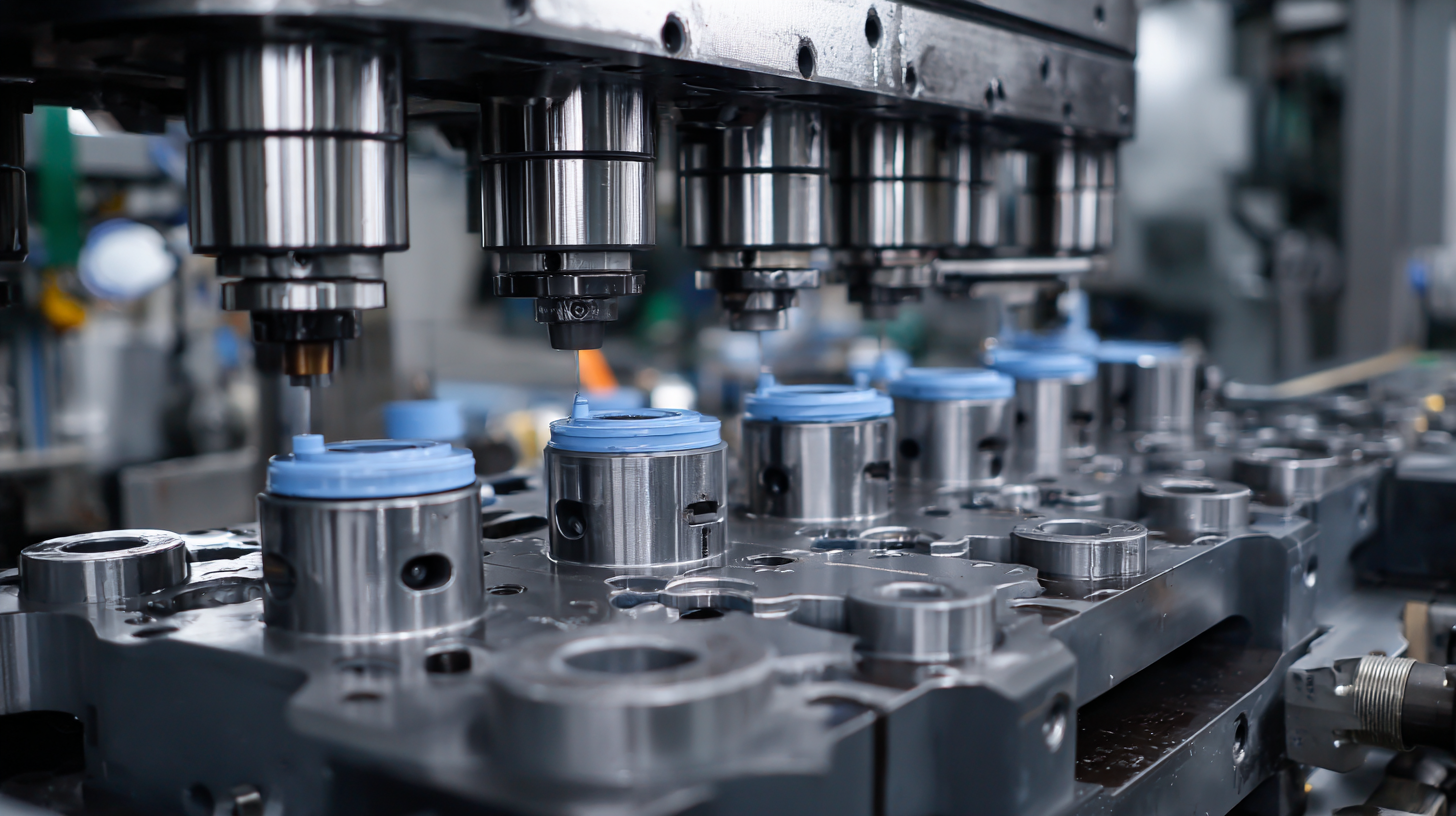
Hey there! When it comes to competing in the liquid packaging world, really nailing production efficiency — especially with Injection Cap Molds — is a total game changer. At Foshan Baijinyi Precision Technology Co., Ltd. (BJY), we get just how important high-quality molds are for keeping things smooth and cutting down costs. We specialize in designing and making a wide variety of PET liquid packaging molds, from blowing molds and PET Injection Molds to more advanced compression capping molds and all the necessary accessories.
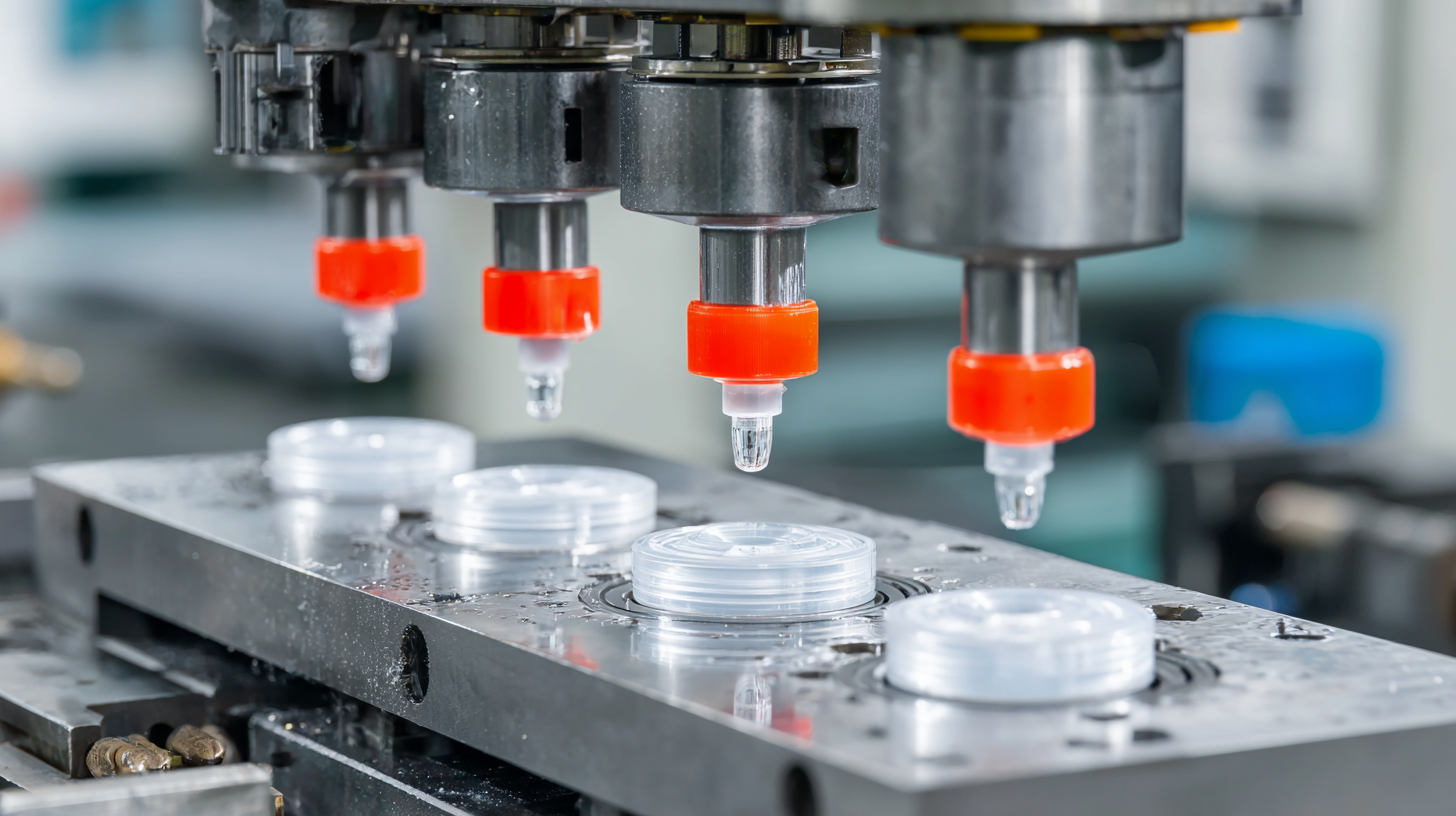
In this quick guide, I’ll walk you through some top tips to boost the efficiency of your Injection Cap Molds. We’ll cover smart strategies that use the latest tech and fresh design ideas to help you get better results. If you put these tips into action, you’ll see your production line’s output go up, waste go down, and your profits improve overall—that's what really counts, right?
Making the production process for injection cap molds more streamlined is pretty important if we want to boost efficiency and cut down costs in manufacturing. I came across a report by MarketsandMarkets that says the global plastic injection molding industry might hit around $400.72 billion by 2025, which shows there's a huge demand for smarter, more optimized production methods. To stay ahead of the game, manufacturers should consider adopting new tech like automation and real-time monitoring tools. Using automated systems really cuts down on manual work and helps reduce mistakes, which means faster cycles and more output overall.
Another good move is embracing lean manufacturing principles—basically, focusing on cutting waste and making everything more efficient. A study from the Society of Plastics Engineers mentioned that companies practicing lean methods can see productivity jump by as much as 30%. This can be achieved by smoothing out workflows, encouraging better communication among team members, and sticking to standard operating procedures that cut out unnecessary steps. By putting these strategies into action, manufacturers not only improve their production speed but also boost the quality of their injection cap molds. That’s a win-win—more satisfied customers and a stronger position in the market.
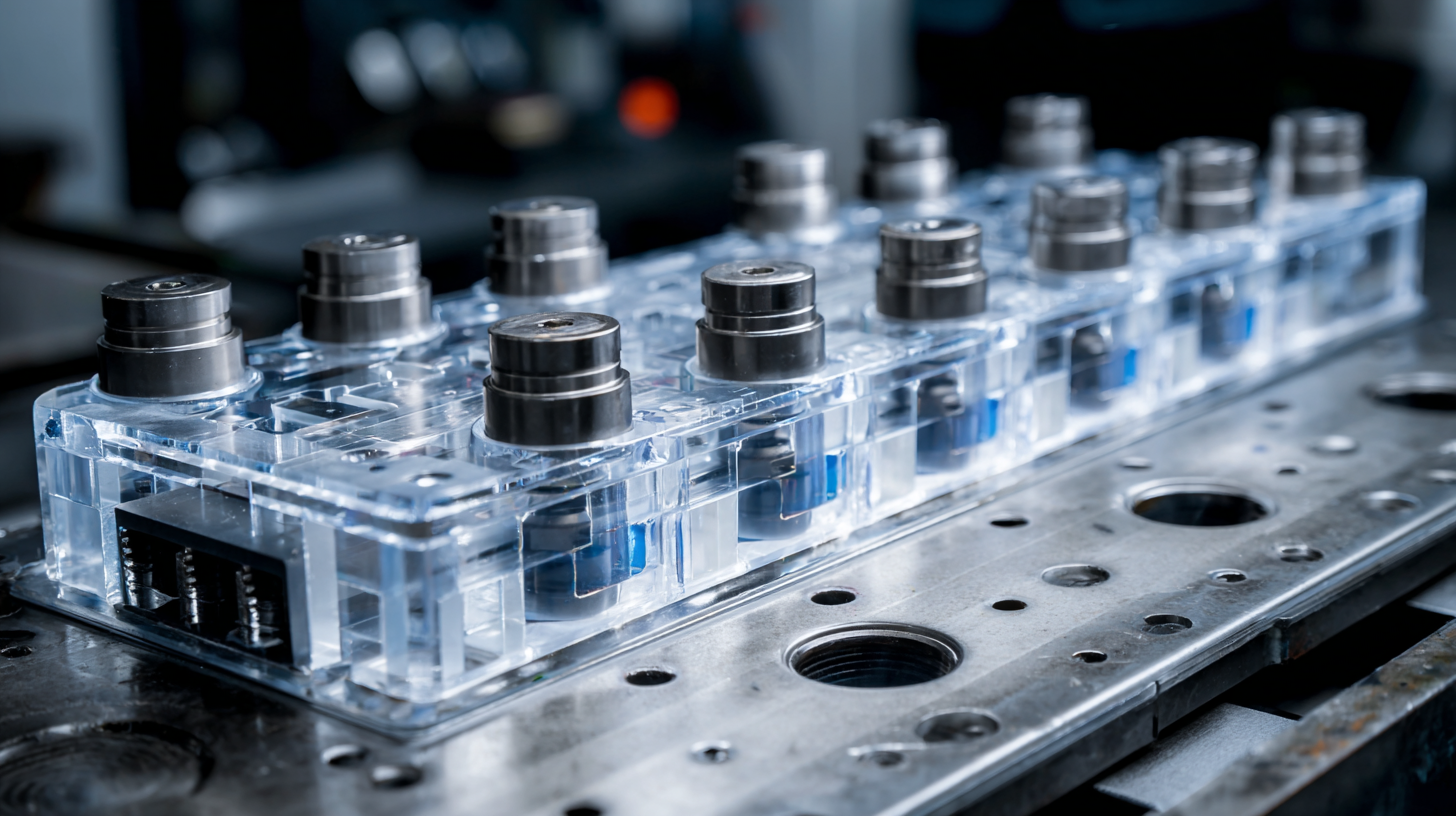
Hey, in today’s super competitive world of mold manufacturing, using automation tech has become a total game-changer—especially when it comes to making injection cap molds. More and more companies are jumping on the automation bandwagon, and honestly, the benefits are pretty clear. We're talking better precision, less waste, and faster production times. Automation doesn't just make things run more smoothly; it also helps manufacturers stay flexible, so they can quickly respond to market changes while still keeping quality high.
Lately, industry players are investing big in automation, and it shows. For example, some are building these smart factories packed with the latest tech to really bump up their output and make better use of resources. Focusing on advanced manufacturing methods—like the ones used for PET liquid packaging molds—can really give a huge boost in efficiency. Take Foshan Baijinyi Precision Technology Co., Ltd., for instance. They're all about innovative design and smart manufacturing practices, which just goes to show that automation is pretty much essential if you want to stay ahead in the mold business these days.
When you're looking to get the most out of your injection Cap Mould production, choosing the right materials is a pretty big deal. It’s not just about durability — the materials you pick can really impact the lifespan of your moulds and the overall quality of your final caps. For example, high-quality steel alloys are usually the go-to because they resist wear and corrosion, which means your moulds stay in shape and work well for longer periods.
Here’s a little tip: Take the time to really understand what your production process needs and carefully compare different materials. Doing a thorough check will help you pick the perfect balance between cost, durability, and performance.
Also, if you go for advanced options like P20 or H13, you'll benefit from better heat treatment and increased hardness. This leads to improved flow during moulding and less downtime, so your moulds last longer and your caps come out looking better. It’s all about making your operation more efficient.
Another tip? Keep in touch with your material suppliers regularly. They often have new innovations and updates that can boost your production. Talking to experts can really help you find the best materials for your specific needs, which means better performance and lower costs in the long run.
This chart compares the durability ratings and production efficiency percentages of different materials used in injection cap mould production. Material A shows the highest durability along with the best production efficiency, highlighting the importance of material selection in enhancing overall mould performance.
So, when you're trying to really get a handle on how well your injection moulding process is doing, it's super important to set up some key performance indicators—things that actually tell you about how smoothly everything's running and how good the final product is. One of the main ones you wanna keep an eye on is Overall Equipment Effectiveness, or OEE for short. It’s basically a way to see how well your machines are being used by looking at availability—like, are they running when they’re supposed to? Performance—how fast they’re working? And quality—are the products meeting standards? Tracking OEE can really help spot where things might be slowing down or causing issues, so you can tweak your process to make machines more reliable and boost overall output.
Another key metric is Cycle Time—the amount of time it takes to complete one full production cycle. Cutting down on this means you’ll be able to make more stuff faster, and that's always a good thing If you’re also watching Defect Rates, you get a clear picture of how many of your products are coming out defective compared to the total. A lower defect rate usually means your mould design and maintenance are on point, leading to happier customers. Keep your focus on these KPIs, and you'll be well on your way to mastering injection moulding efficiency and keeping your business thriving.
When it comes to injection mould production, really optimizing maintenance practices isn’t just a good idea—it’s kinda essential if you want to boost efficiency and cut down on those pesky downtimes. I mean, the market for wire drawing moulds is expected to hit around $105.7 million by 2025, and with a growth rate of about 5.5% annually up to 2033, staying ahead with smart manufacturing methods is more important than ever. One cool approach that’s gaining traction is Condition-Based Maintenance, or CBM for short. It’s shown to have serious potential, with the market expected to grow from roughly $1.05 billion in 2022 to nearly $1.84 billion by 2030—that’s a CAGR of about 7.2%. Basically, it shows how the industry’s shifting towards smarter, data-driven solutions to keep equipment running smoothly and avoid surprise failures.
But it doesn’t stop there. Thanks to recent advances in AI-powered smart operations, how manufacturers handle maintenance and production is really changing. For example, the industrial AI market is predicted to shoot up from about $1.58 billion in 2022 to over $4.23 billion by 2030. That’s a massive jump, and it shows companies are willing to spend big on automation and predictive tools. These innovations give manufacturers much better insight into their processes, helping improve quality and keep machines running more consistently. By adopting these modern strategies and tech, companies in the injection moulding world can streamline their operations, stay competitive, and navigate this constantly evolving industry with a bit more confidence.
: Streamlining the production workflow is crucial because it enhances efficiency, reduces costs, and meets the growing demand in the plastic injection molding market, which is projected to reach USD 400.72 billion by 2025.
Automation reduces manual intervention, minimizes errors, shortens cycle times, and increases output, allowing manufacturers to remain agile and adapt quickly to market demands while maintaining high quality standards.
Lean manufacturing principles aim to eliminate waste and enhance productivity. Companies employing these practices can achieve up to a 30% increase in productivity by streamlining workflows and improving communication.
High-grade steel alloys are recommended due to their wear and corrosion resistance, which helps maintain the shape and functionality of moulds over time.
Advanced materials such as P20 or H13 provide superior heat treatment and hardness, leading to better flow characteristics, less downtime during production, and improved quality of the caps produced.
Consulting with material suppliers helps manufacturers stay updated on innovations that can improve production efficiency and select the best materials tailored to their specific needs, ultimately enhancing performance and reducing costs.
Recent advancements include the development of intelligent factories and the integration of cutting-edge technologies that enhance production capabilities and optimize resource allocation.
By committing to strategies that boost production efficiency and improve the quality of injection cap moulds, manufacturers can enhance overall product quality, leading to greater customer satisfaction and increased market competitiveness.
In today's pretty competitive market, getting a handle on how to boost efficiency when it comes to making Injection Cap Moulds is a must for manufacturers who really want to stand out. Simple tweaks like streamlining your production workflows—think careful planning and smoother processes—can seriously cut down on those annoying bottlenecks and crank up your output. And let’s not forget, jumping into automation tech can totally change the game in mould manufacturing, giving you that mix of precision and speed that’s just so crucial when you're trying to keep up with market demands.
Choosing the right materials is also a big deal—good quality stuff means your moulds last longer and perform better, cutting down on failures and saving you trouble in the long run. Keeping track of Key Performance Indicators (or KPIs, if you wanna sound fancy) helps you see how well things are really going in your production line. It provides clear numbers to look at, so you can know if you’re hitting your goals or if adjustments are needed. And don’t forget about maintenance—taking good care of your equipment means less unexpected downtime, which really boosts overall efficiency. By putting these ideas into action, companies like Foshan Baijinyi Precision Technology Co., Ltd. can really position themselves as top players in the injection moulding game.
Chinese