Leave Your Message
*Name Cannot be empty!
* Enter product details such as size, color,materials etc. and other specific requirements to receive an accurate quote. Cannot be empty
0%

Picking out the right Newamstar Bottom Mold really matters if you want things to run smoothly and get top-notch results. Honestly, it’s not always an easy call — there are quite a few things you need to keep in mind. Molds can differ a lot in how they’re designed and what they can do, so getting familiar with those differences can seriously help boost your efficiency and improve the quality of your products.

A lot of manufacturers tend to overlook how important the mold choice actually is. They might get caught up mainly in how fast they can produce, without really thinking about how the mold impacts the final product. A bad pick for the Newamstar Bottom Mold might cause defects, which then lead to more costs and wasted materials — it’s a total pain. That’s why it’s so crucial to consider your specific needs before making a decision.

Chatting with experts can be a real game-changer here. They can steer you toward the most suitable mold for what you’re doing. But keep in mind, what works perfectly for one company may not be the best fit for another. It’s also a good idea to keep an eye on how your mold is performing over time. Taking the time to reflect on your choices can really pay off in the long run, helping you get better results and save some headaches down the line.
How to Select Newamstar Bottom Mold for Optimal Performance?

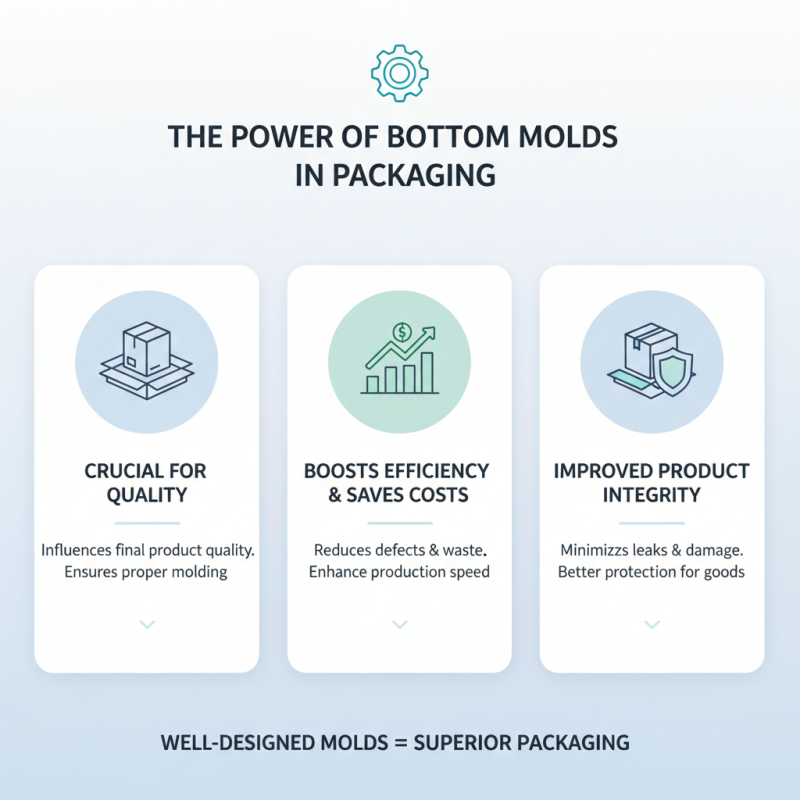
How to Understand the Importance of Bottom Molds in Packaging

How to Select Newamstar Bottom Mold for Optimal Performance?

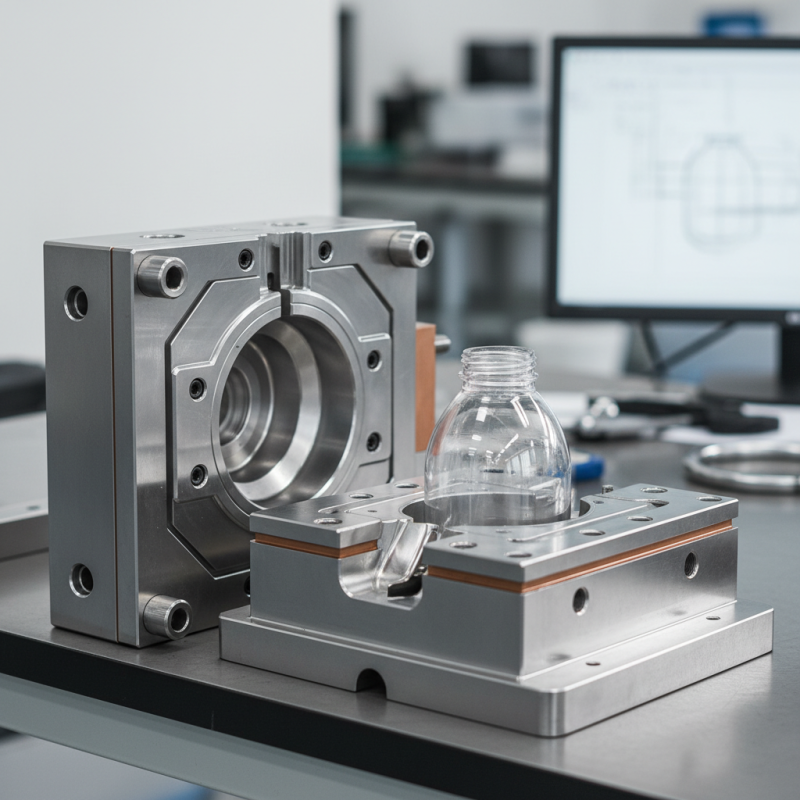
Bottom molds play a crucial role in packaging processes, significantly influencing the quality of the final product. Understanding their importance can help manufacturers enhance efficiency and reduce costs. A well-designed bottom mold ensures proper molding and minimizes defects in packaging, leading to better product integrity.

To select the right bottom mold, consider the materials being used. Each material behaves differently under pressure and heat. If you overlook this detail, you might face serious consequences, like increased waste or failed products. It’s also vital to assess the mold's design. A complex design may seem appealing but can slow down production.

Tips: Regularly inspect your molds. Wear and tear can lead to performance decline. Another thing to note is compatibility with existing machinery. Ensure your chosen mold works seamlessly with your production line. This decision impacts overall productivity. Keeping an eye on these elements will help avoid frustrations down the line.

Key Factors to Consider When Selecting Bottom Molds for Performance

How to Select Newamstar Bottom Mold for Optimal Performance?

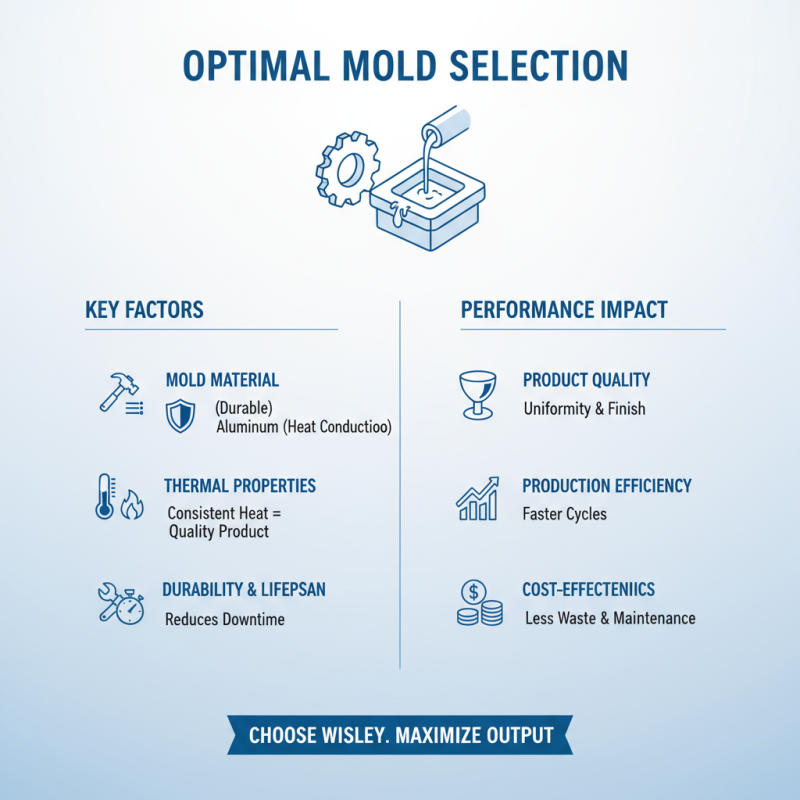
Selecting the right bottom mold is crucial for optimal performance in production. Several factors play a significant role. First, consider the material of the mold. Different materials have unique thermal properties and durability. For instance, steel molds tend to be more robust, while aluminum molds might offer better heat conductivity. The choice of material directly impacts the quality of the final products.

Next, think about the design of the mold. A well-designed mold ensures uniformity in production. It can also influence the cooling process, which affects the cycle time. If the mold design does not align with the production goals, it could lead to inefficiencies. Keep an eye on how the mold interacts with the entire production line. Poor compatibility can create bottlenecks.

Finally, evaluate the cost-effectiveness. Investing in a high-quality mold may require more upfront capital. However, this investment could pay off in increased productivity and lower failure rates. Always reflect on past performance. Analyzing previous mold selections can provide insights for future decisions. A careful balance between performance and budget is essential. Always be open to refining your choices based on new information and feedback.

Material Types and Their Impact on Bottom Mold Durability

When selecting a bottom mold, material types play a crucial role in durability. Commonly used materials include aluminum, steel, and composites. Each material has distinct properties that influence performance and longevity. For instance, aluminum molds are lightweight and resistant to corrosion, offering a good balance of strength and ease of handling. However, they might wear out faster under high-stress conditions.

Steel molds, while heavier, provide greater strength and durability. They can endure intense temperatures and pressures, making them suitable for high-volume production runs. However, they may require meticulous maintenance to prevent rust. A recent industry report suggested that using high-strength steel can extend the life of molds by up to 50%. This emphasizes the importance of choosing the right material based on operational needs.

Composites are increasingly becoming popular due to their lightweight and high strength-to-weight ratio. These materials offer excellent resistance to thermal cycling, reducing the risk of deformation. However, the initial cost can be a barrier for some manufacturers. Understanding these nuances is vital. Ignoring them might lead to increased downtime or costly replacements. Ultimately, assessing the specific requirements of your production line is essential for making an informed choice.

How to Select Newamstar Bottom Mold for Optimal Performance? - Material Types and Their Impact on Bottom Mold Durability

Material Type Durability (Cycles) Temperature Resistance (°C) Weight (kg) Cost ($)
Steel 50000 200 50 1500
Aluminum 30000 150 30 1000
Plastic Composite 20000 120 20 500
Titanium 75000 300 60 2500
Carbon Fiber 40000 180 15 1200

Analyzing Design Features of Bottom Molds for Different Products

When selecting bottom molds, consider the design features that enhance product performance. Different products require specific mold designs. For instance, heavy-duty products may need thicker molds. Thinner molds can work better for lightweight items.

Tips: Always assess your product requirements before choosing a mold. A mismatch can lead to production delays. It might be wise to consult with design experts to ensure you optimize the mold's potential.

Another critical factor is the material used in the molds. Certain materials withstand higher temperatures better than others. However, they can also be more expensive. Think about your budget. Balance cost with durability for the best choice.

Tips: Keep an eye on industry trends. Innovations in mold design can significantly improve efficiency. Remember, an outdated mold design can result in poor product quality. Don’t be afraid to innovate, but also reflect on past choices and their impacts.

Costs vs. Benefits: Investments in Quality Bottom Molds

Selecting the right bottom mold is crucial for production efficiency. Many manufacturers overlook the impact of mold quality on long-term performance. A recent industry report indicates that high-quality molds can reduce production downtime by up to 25%. This improvement significantly lowers associated costs.

Investing in premium molds can lead to enhanced product quality. The same report shows that products produced with top-grade molds experience a 15% lower defect rate. This reduction translates to fewer returns and increased customer satisfaction. However, some companies still opt for cheaper molds, motivated by short-term savings. This choice often results in higher operational costs over time.

It's essential to consider the total cost of ownership when selecting molds. A lower initial investment might seem appealing but can lead to higher maintenance and replacement costs. The long-term benefits of quality molds are clear. Companies must reflect on their priorities—short-term savings or lasting performance improvements. This decision can define their operational success in a competitive market.

Maintenance Practices for Enhanced Performance of Bottom Molds

Maintaining bottom molds is crucial for achieving optimal performance. Regular inspections should be part of your routine. This means checking for signs of wear and tear. Small cracks can lead to bigger issues down the line. Proper cleaning helps in identifying these flaws earlier. Use appropriate cleaning agents that won’t degrade the material.

Lubrication is another essential practice. Apply lubricant evenly to reduce friction. This can prevent unnecessary wear. However, over-lubrication may attract debris. It's a balancing act that requires attention. Inspect the lubricant regularly to ensure it’s effective. If you notice a drop in performance, reconsider your lubrication frequency.

Regularly reviewing your maintenance practices is also important. Reflect on what has worked well and what hasn’t. Documenting issues and solutions can help identify patterns. This could lead to better performance over time. Don’t hesitate to change your methods if they aren’t yielding results. Adaptability is key in maintenance.

Industry Standards and Compliance for Bottom Mold Selection

Selecting the right bottom mold is crucial for performance. Industry standards play a significant role in this process. The International Organization for Standardization (ISO) provides guidelines that ensure molds meet essential quality metrics. For example, ISO 9001 emphasizes a quality management system, which can enhance mold longevity and reduce defects.

Mold compliance with these standards often results in improved productivity. Research indicates that companies adhering to ISO standards report a 20% decrease in production downtime. However, achieving compliance can be challenging. Many manufacturers struggle with the initial cost of quality materials and processes. This often leads to compromises on mold features.

Design specifications also matter. ASTM International states that molds should be constructed using high-grade steel to resist wear. Despite this, not every company meets these requirements. Some manufacturers opt for cheaper alternatives, which may lead to faster production but ultimately result in higher costs due to repairs and replacements. Balancing cost and quality is a constant challenge in mold selection.

Performance Metrics of Bottom Molds

FAQS

: What is the main purpose of the product?

: The product aims to improve daily convenience and efficiency for users. Its design addresses common challenges faced by people.

How can I use this product effectively?

Follow the instructions provided. Test various methods. Experiment to find the best fit for your needs.

Are there any common issues with this product?

Some users report minor malfunctions over time. Regular maintenance may be required. Feedback can help improve functionality.

What should I do if I encounter a problem?

Contact customer support for assistance. Provide detailed descriptions. Be open to troubleshooting steps suggested.

Is there a return policy?

Yes, returns are typically accepted within a specified period. Keep the original packaging to ensure a smoother return process.

Can I use the product in different environments?

The product is designed for various settings. However, extreme conditions may affect performance. Always consider environmental factors.

Is there a warranty available?

A warranty is usually included with purchase. Check documentation for specific coverage details. Keep your receipt for claims.

How often should I maintain the product?

Regular checks are recommended. Consider monthly maintenance for optimal performance. This can prevent unexpected issues.

Does the product require special accessories?

Some accessories may enhance usability. However, basic functions can be performed without additional items.

What if I have feedback or suggestions?

Feedback is encouraged. It helps improve future versions. Reach out through official channels to share your thoughts.

Conclusion

Selecting the right Newamstar Bottom Mold is crucial for ensuring optimal performance in packaging processes. Understanding the role of bottom molds is essential, as they significantly influence the efficiency and quality of the packaging. When choosing a bottom mold, several key factors must be considered, including material types that affect durability, design features tailored for different products, and the balance between costs and long-term benefits.

Additionally, maintaining the Newamstar Bottom Mold through effective practices can enhance its performance and longevity. Compliance with industry standards is also vital in the selection process to guarantee that the molds meet necessary regulations and provide consistent results. By focusing on these aspects, manufacturers can make informed decisions that contribute to operational excellence.

Charlotte

Charlotte

Charlotte is a dedicated professional marketing specialist at Foshan Baijin Precision Technology Co., Ltd, where her deep expertise in precision technology and marketing strategies sets her apart. With a profound understanding of the company’s core offerings, she plays a pivotal role in showcasing......
Previous Future Innovations in Blow Moulders and Their Advantages for Global Buyers