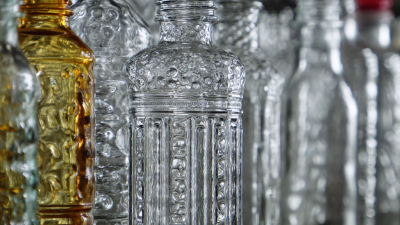
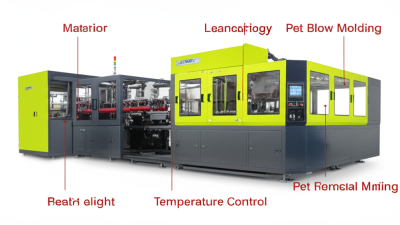
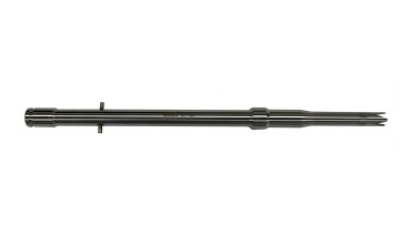
In the fast-changing worldof manufacturing, Bottle Molds really are agame-changer when it comes to boosting efficiency and ensuring top-notch product quality. I read somewhere that, according to MarketsandMarkets, the global Blow Molding market is expected to hit almost$10 billion by 2025. That’s mainly thanks to the rising demand for lightweight, eco-friendly packaging options. 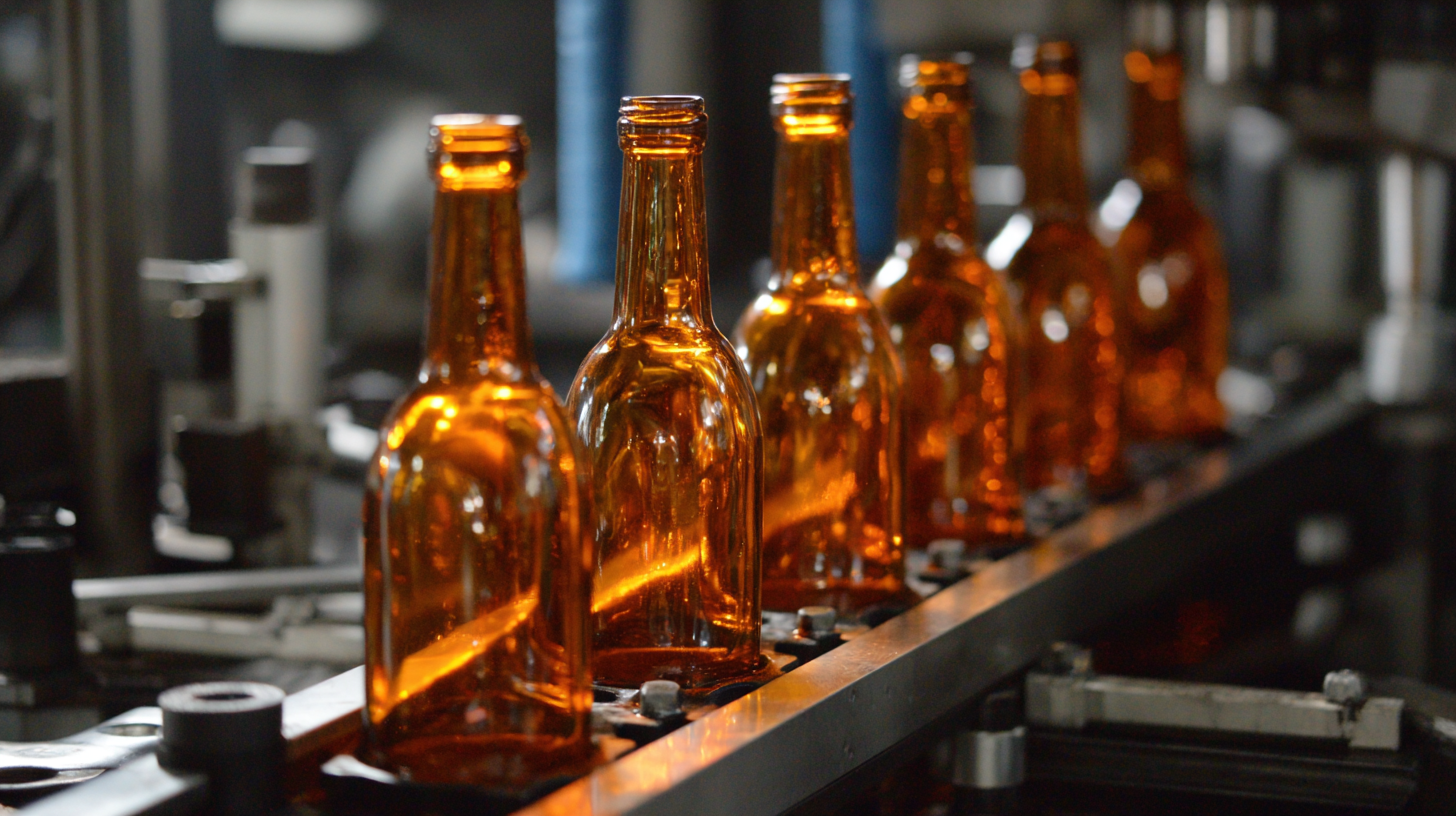 Foshan Baijinyi Precision Technology Co., Ltd., or BJY for short, is well-known for designing and manufacturing all sorts of Pet Molds—like those for liquid packaging, blowing molds, PET injection molds, and even compression capping molds. Using thesebottle molds not only streamlines the whole production process but also helps meet the growing focus on sustainability and consumer safety—things that are super important these days. With BJY’s expertise and dedication to quality, manufacturers can really take their production to the next level, all while cutting down on waste and reducing costs. It’s pretty impressive how much these molds can do, right?
Maximizing Efficiency: How Bottle Molds Streamline the Manufacturing Process
Using bottle molds really makes a big difference in manufacturing—it's all about boosting efficiency by cutting down on activities that don't add value, you know? This is a core idea in lean manufacturing, and it’s pretty much a no-brainer. The thing I love about bottle molds is how precise and consistent they are; that means less wasted material and fewer scraps, which directly helps streamline the whole process. When companies automate the bottle-making process, they can spend more time actually optimizing their production lines instead of sweating over unnecessary steps that don’t really do anything for the final product.
On top of that, having molds that can handle different shapes and sizes means production can move faster. Switching between different types of bottles doesn't mean shutting everything down for ages—it's quick and easy. That kind of flexibility saves time and boosts overall production capacity. Basically, it helps manufacturers respond faster to market needs. If you look at other industries that use lean tools to cut out waste, it’s clear that adopting bottle molds helps companies be more productive while still keeping quality high. All in all, this approach sets the stage for sustainable growth in a pretty competitive field, don’t you think?
Benefits of Using Bottle Molds in Manufacturing
Cost-Effectiveness of Bottle Molds: Reducing Material Waste and Production Costs
You know, when it comes to the manufacturing world, using bottle molds has really started to make a big splash—people are realizing just how cost-effective they can be, especially in the beverage and packaging industries. I read a report by Smithers Pira that says if you use advanced molds, you could cut production costs by up to 30%. Pretty impressive, right? And it’s not just about saving money; by fine-tuning how materials are used, manufacturers can really cut down on waste. For example, some of the newer injection and blow molding designs actually manage to reduce plastic usage by around 15%. Over time, that all adds up to some serious savings.
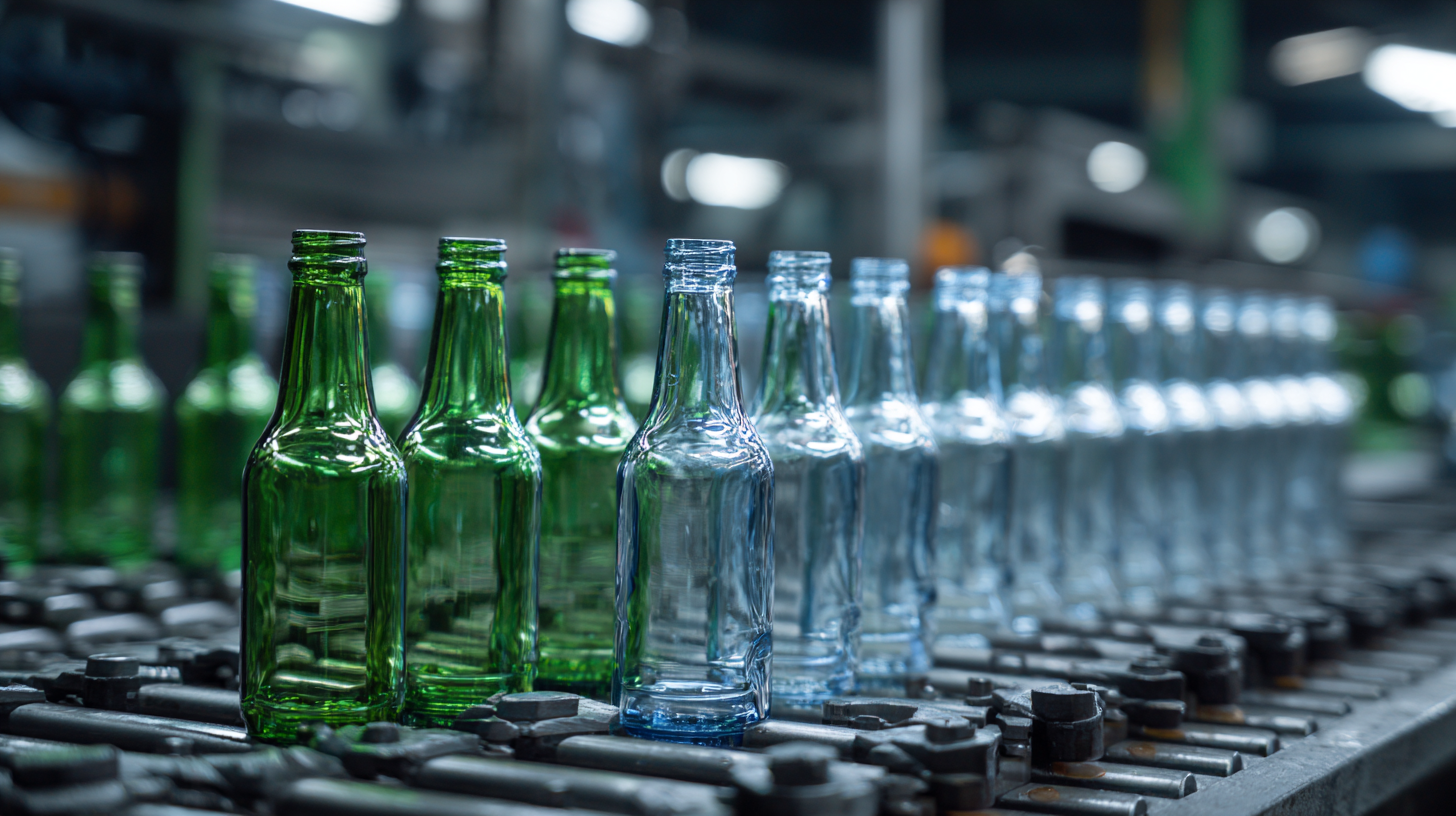
If you're looking to really get the most bang for your buck, one tip is to invest in top-quality molds—they last longer and work more precisely. That means less downtime and fewer defective products, which in turn means less wasted material. Oh, and don’t forget about recycling unused plastics—that’s another way to cut costs and do something good for the environment.
On top of that, automating the molding process can really boost efficiency. I came across a study from McKinsey & Company that said automation could improve productivity by around 20-25%. So, if you’re in the business, adopting these strategies means you’re making the most of your molds, saving some money, and being a little kinder to the planet—all at the same time.
Versatility of Bottle Molds: Customization for Diverse Product Lines
When you're talking about manufacturing, one thing that's really important is how versatile bottle molds can be. They’re super flexible and can be customized to fit different shapes and sizes, which means manufacturers can make anything from tiny cosmetic jars to massive beverage bottles. This kind of adaptability is a game-changer because it helps brands meet all kinds of market needs and even get creative with packaging that really makes their products stand out.
If you want to get the most out of bottle molds, here are a couple of tips I’ve found helpful. First off, spend some time in the design stage—using cool CAD software can help you nail down exact mold specs. It’s like making sure every little detail, from how it looks to how it works, is spot on. Then, it’s a good idea to work closely with the mold makers, chat about materials and production methods. Teaming up like this can lead to some pretty innovative ideas, cutting down on waste and making everything run smoother.
Oh, and don’t forget about prototype testing early on! Checking out how your bottle molds look and work before jumping into full-scale production lets you tweak things as needed. Trust me, this approach saves you a lot of time and money and helps put out a better product that’s ready to hit the market.
Improved Quality Control: Ensuring Consistency in Bottle Production
Using bottle molds in manufacturing really makes a big difference when it comes to keeping quality consistent. Thanks to some pretty advanced molding techniques, manufacturers can reliably produce bottles that stick to strict size and shape specs. I came across a report from the Plastics Industry Association in 2022 that said standardized molding can cut down variability in production by up to 30%. That means the bottles come out more uniform, which is great because it cuts down on waste and boosts the look and function of the final product. For industries where packaging is a big deal and influences how consumers see your brand, that’s super important.
Plus, having precision-engineered molds helps with quality checks too. When you can replicate the exact same bottle design over and over, it’s easier to run thorough tests on each batch. A study from the Society of Plastics Engineers showed that companies who put strict controls on their molds saw defect rates drop by about 20%. That’s a pretty big win because it leads to happier customers and more brand loyalty—people tend to trust products they can count on for quality every time. As customer expectations keep rising, it’s clear that molds play a crucial role in hitting those higher standards, and honestly, you can’t really overlook their importance.
Key Benefits of Using Bottle Molds in Manufacturing
| Benefit | Description | Impact on Quality Control |
| Consistency | Uniform shape and size of bottles | Reduces variability in production |
| Reduced Waste | Minimizes excess material during production | Improves resource utilization |
| Faster Production | Streamlined manufacturing process | Enhances overall throughput |
| Improved Design | Precision in contours and features | Ensures aesthetic and functionality standards are met |
| Cost Efficiency | Lowering production costs | Reduces cost per unit |
Rapid Production Times: Meeting Market Demands with Bottle Molds
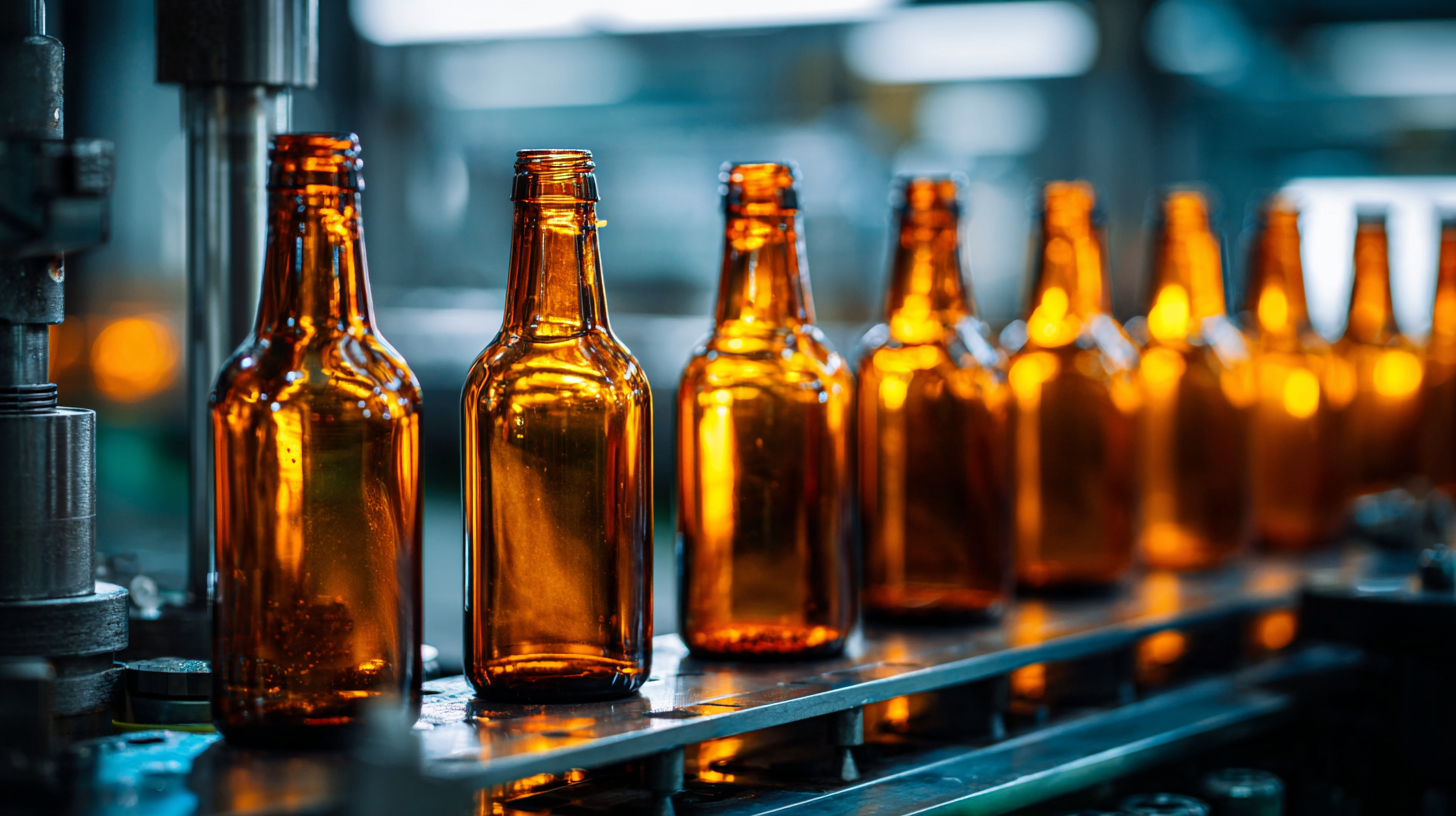 Fast turnaround times are honestly a big deal for manufacturers, especially in the world of bottle making. When you’re racing against market trends that are constantly shifting, being able to produce bottles quickly really gives you a leg up. That’s where using bottle molds comes in – they’ve really been a game-changer, helping speed up production and keep companies competitive. And get this—by incorporating some pretty cool tech like 3D printing, companies are not only cutting down the time it takes to make molds but also saving a ton of money. Some studies even show that those who jump on these innovations can slash their production costs by as much as 96%, which is pretty insane.
Plus, with people now really into lightweight, stylish bottle designs, the technology for molds has had to keep up. Recently, there’s been a trend toward “premium lightweight” bottles that look good, appeal to consumers, and are also better for the environment. It’s no surprise—industry reports show that more and more folks are looking for sustainable packaging options, and that demand is expected to jump by around 15% over the next few years. By tapping into mold tech that not only speeds things up but also meets these new consumer demands, manufacturers can stay in sync with what the market really wants.
Sustainability Advantages: Eco-Friendly Practices with Bottle Molds
When it comes to making bottles, using molds in manufacturing isn’t just about speed — it actually has some pretty significant sustainability perks too. By using these molds, companies can cut down on material waste a lot during production. Thanks to precise engineering, there's less excess plastic, which means products are more efficient and better for the environment overall. Plus, a lot of modern molds are designed with recycling in mind, making it easier to keep things eco-friendly.
A quick tip: pairing your molds with biodegradable materials is a total game-changer. It not only boosts your product’s sustainability but also appeals to eco-conscious customers and helps cut down landfill waste.
On top of that, switching to molds helps streamline the whole production process, which means you use less energy. Making multiple bottles in a single cycle speeds things up and saves power — good news for your business and the planet alike.
Here’s another pro: keep your molds well-maintained. Regular upkeep makes sure they last longer and perform at their best, so you don’t have to replace them as often. It’s a small step that can really support your eco efforts over time.
Maximizing Efficiency in PET Bottle Production: The Role of High-Precision Water-Cooled Cores
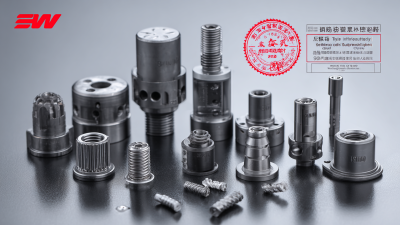
In the competitive landscape of PET bottle production, enhancing operational efficiency has become paramount. A key component in achieving this goal lies in the use of high-precision water-cooled cores for PET bottle preform molds. These mold cores are meticulously engineered to feature an optimized cooling channel structure, which is essential for facilitating rapid and uniform heat dissipation during the injection molding process. The significance of precise temperature control cannot be overstated, as it directly impacts the dimensional accuracy of preforms, a factor that ultimately influences the overall quality and consistency of the final product.
Industry reports indicate that the implementation of advanced cooling systems can improve cycle times by up to 30%, resulting in higher output rates. This is particularly crucial for industries such as beverages and daily chemicals, where demand for PET bottles is steadily increasing. By utilizing precision machining technology in the design of mold cores, manufacturers can ensure long-term stable operation and reduce maintenance costs, thus maximizing production efficiency.
Moreover, sources suggest that the integration of water-cooled cores in preform injection molding applications can lead to a significant reduction in energy consumption, contributing to more sustainable production practices. As companies seek methods to enhance productivity while minimizing their environmental footprint, investing in high-precision water-cooled cores represents a strategic step towards achieving these dual objectives in the PET bottle manufacturing sector.
FAQS
: Advanced bottle molds can reduce production costs by up to 30%.
Innovative designs in injection and blow molding can decrease plastic usage by as much as 15%.
Investing in high-quality molds and implementing a recycling program for unused materials can help maximize cost-effectiveness.
Automation can lead to efficiency improvements of 20-25% in manufacturing environments.
Bottle molds ensure consistency throughout production by meeting strict dimensional specifications and reducing production variability by up to 30%.
Precision-engineered molds allow for better testing and quality control, leading to a 20% decrease in defect rates.
Bottle molds minimize material waste and allow for better recycling practices, reducing environmental impact.
Using biodegradable materials in conjunction with bottle molds can enhance sustainability and cater to environmentally-conscious consumers.
Bottle molds enable the creation of multiple bottles in one cycle, which speeds up manufacturing and conserves energy resources.
Regular maintenance of bottle molds ensures their longevity and optimal performance, reducing the need for replacements.
Conclusion
When it comes to manufacturing, bottle molds are pretty much the backbone of making things run smoothly and ensuring the final products are top-notch. They help streamline the process, so manufacturers can cut down on wasted materials and keep costs in check — basically making them a smart, cost-effective choice. Plus, these molds are super versatile, which means they can be customized for a bunch of different products, fitting the unique needs of various industries without a hitch.
And here’s a cool part: bottle molds really help with quality control. They keep things consistent from one bottle to the next, so there are fewer surprises. Thanks to their quick production times, companies can roll out their products faster and meet market demands without breaking a sweat. Oh, and they’re also eco-friendly, which is a win in today’s world of sustainability.
At Foshan Baijinyi Precision Technology Co., Ltd., we're all about pushing the envelope—designing and making high-quality PET liquid packaging molds, whether it’s blowing or injection molds. All in all, bottle molds bring some serious benefits to the manufacturing game, and we’re proud to be part of that innovation.
 Chinese
 Email
Email Whatsapp
 WeChat