Chinese
-
 Email
Email -
 Whatsapp
-
 WeChat
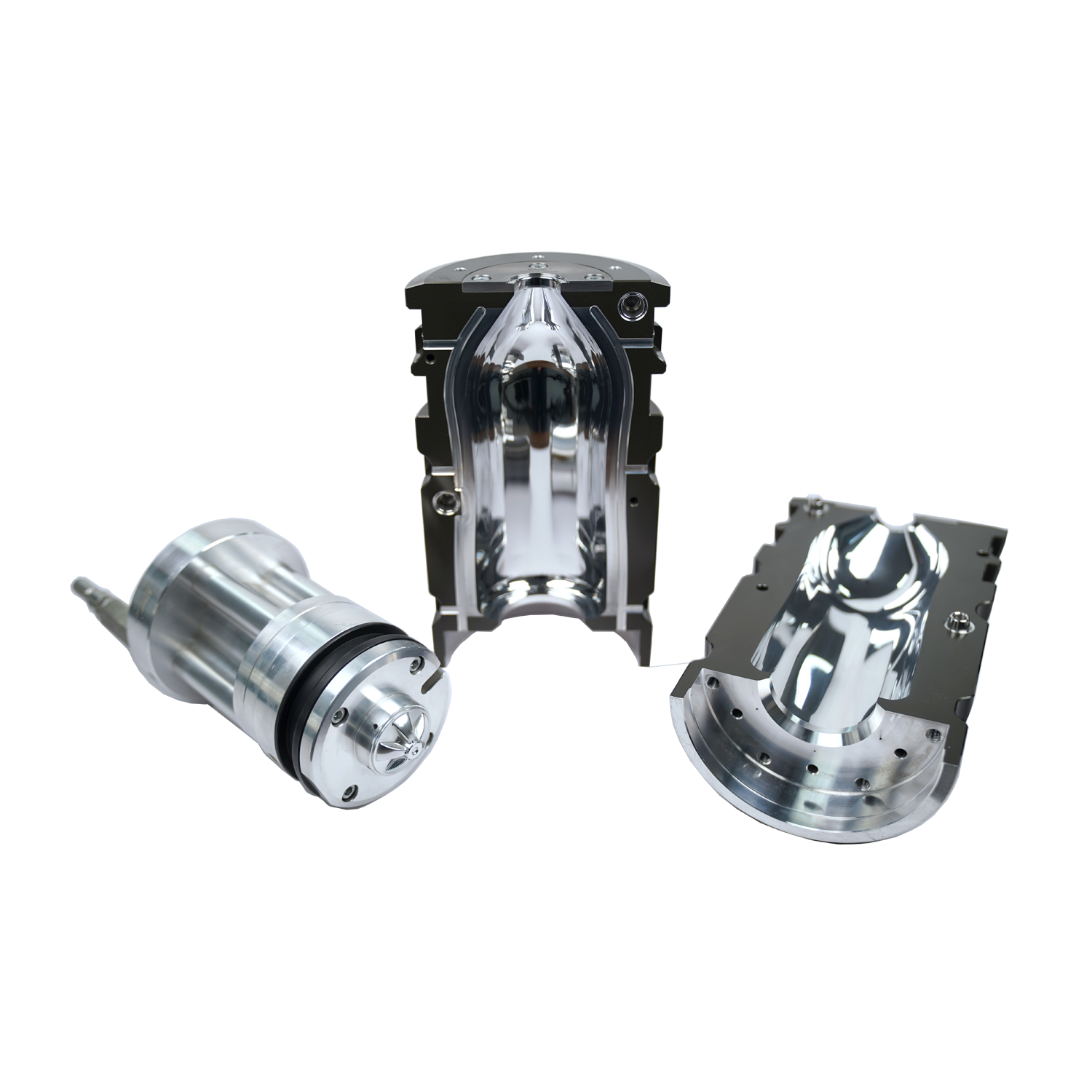
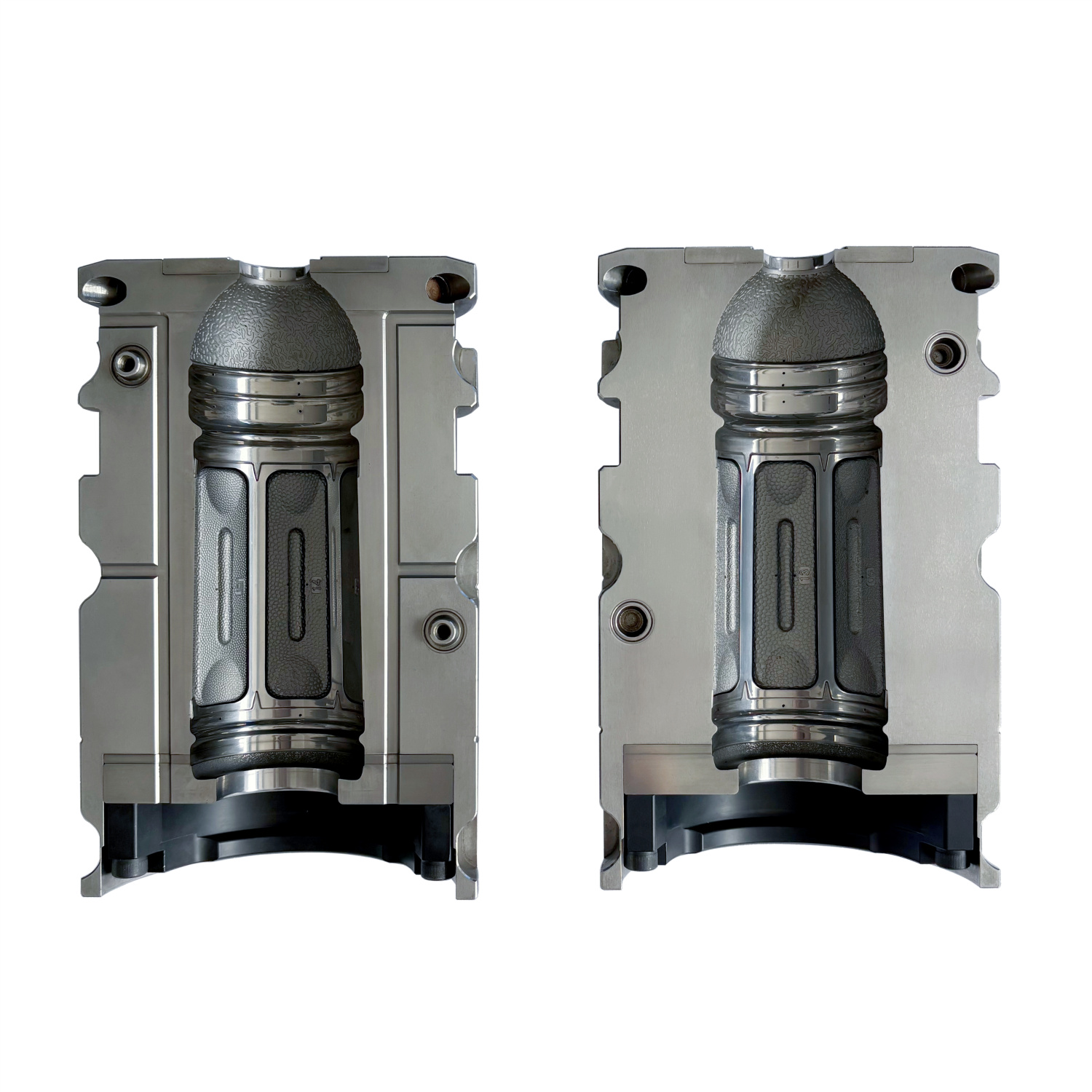
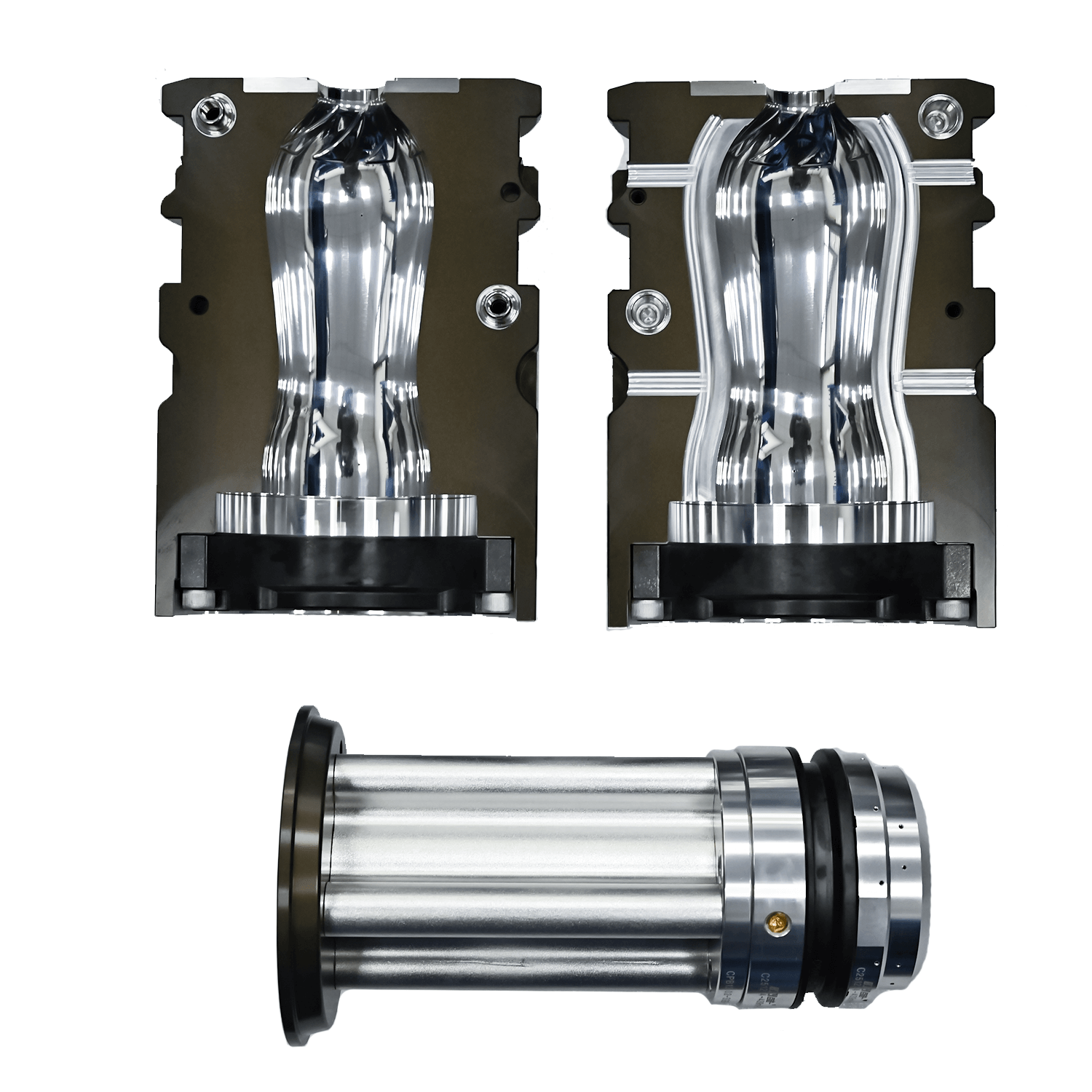
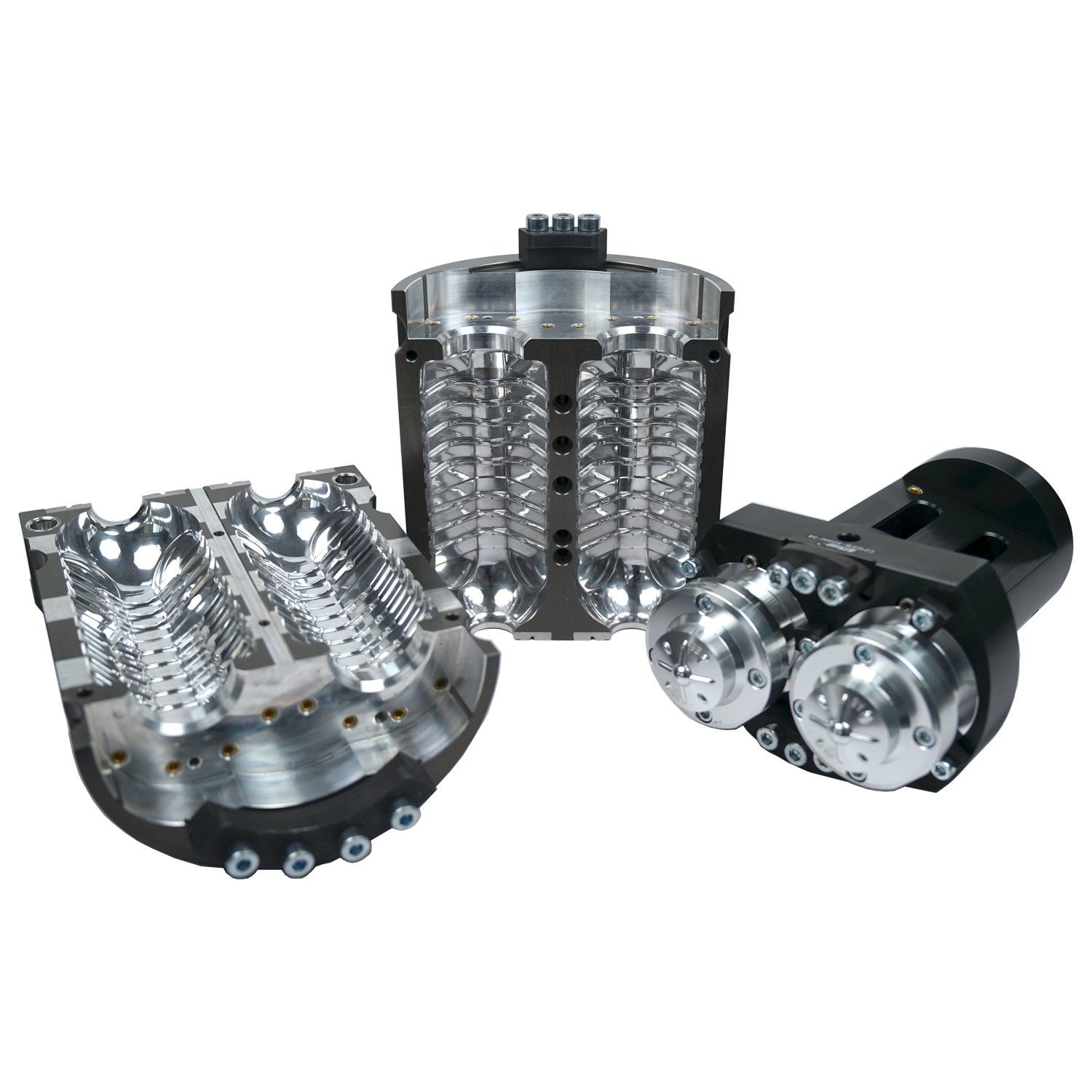
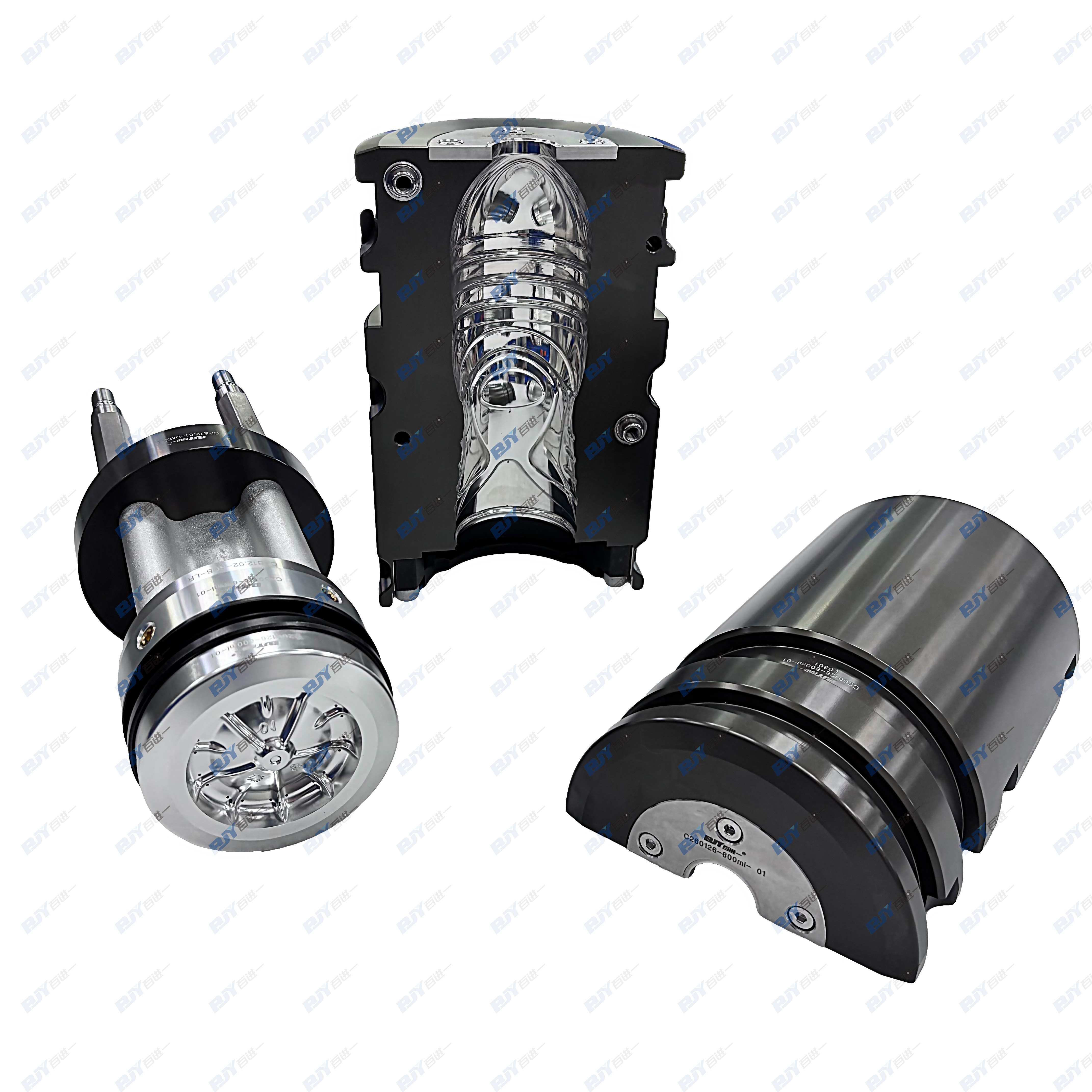
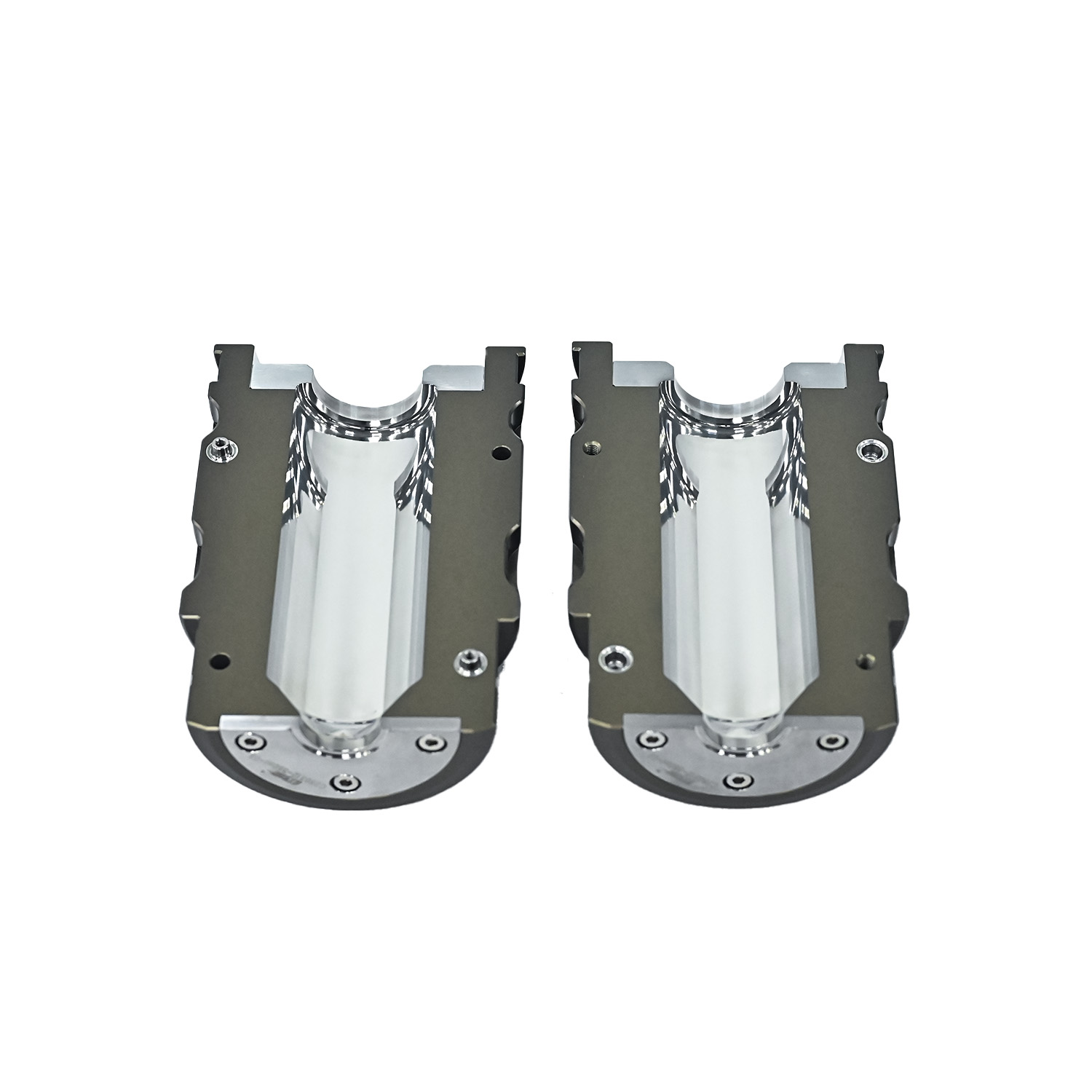
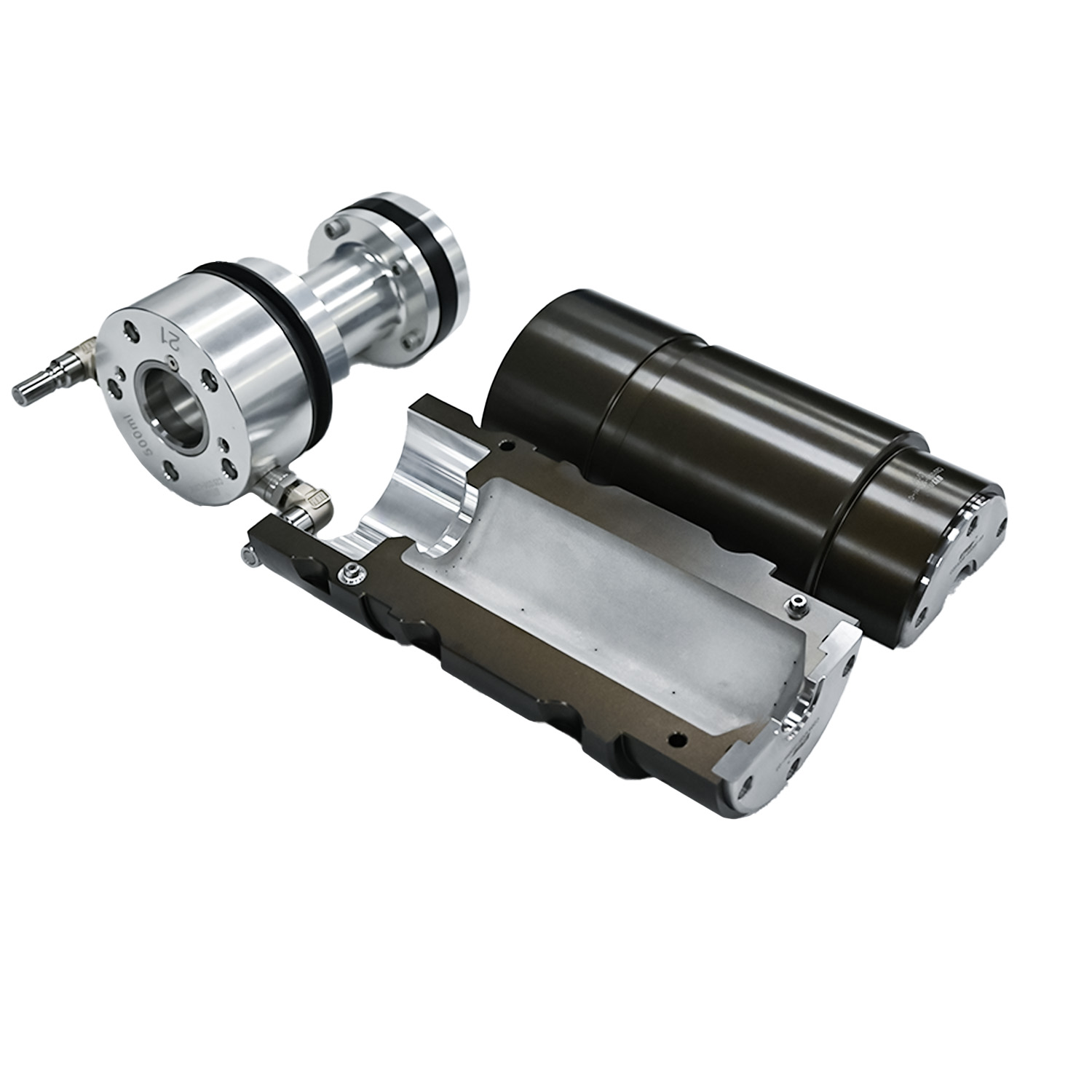
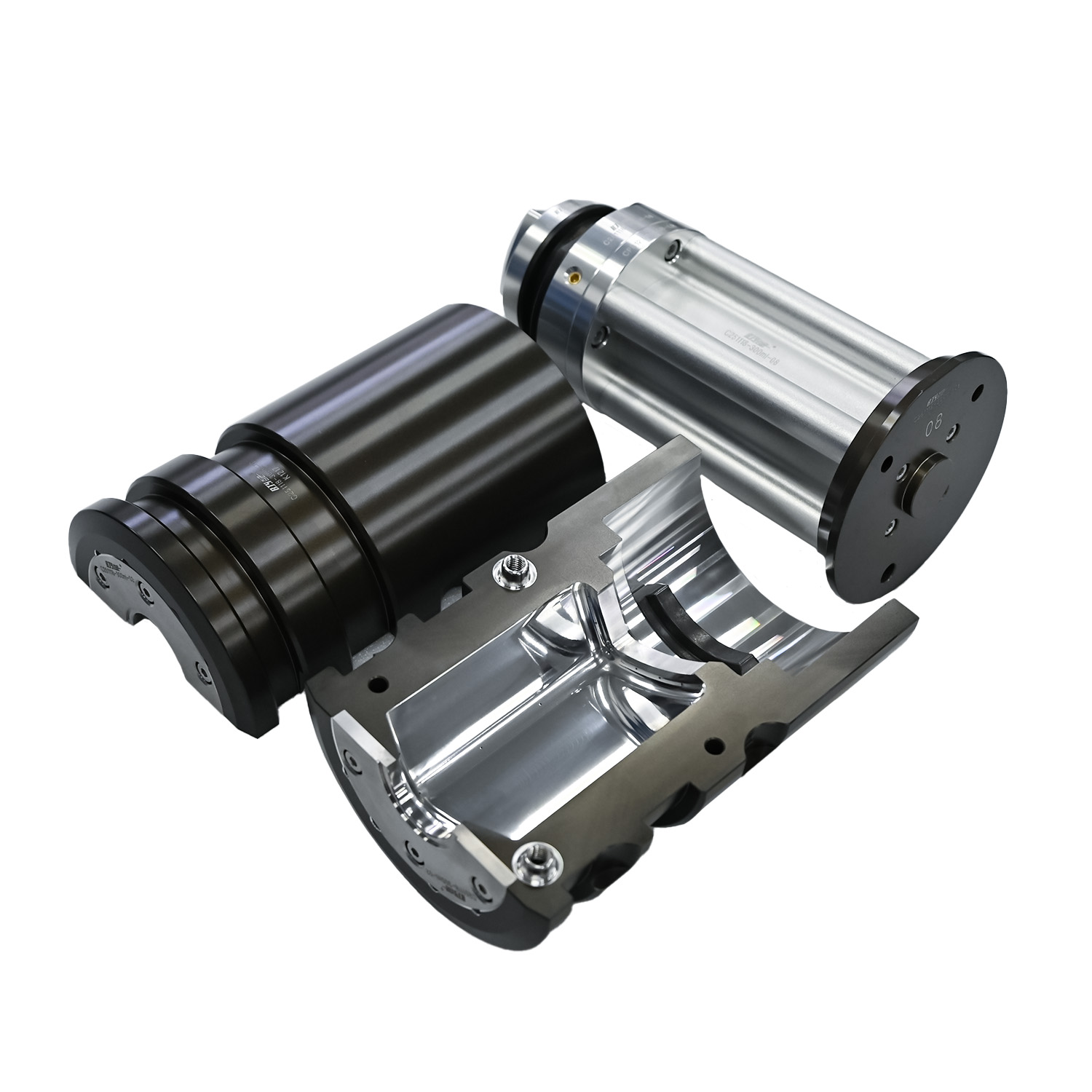
Precision-engineered blow moulds purpose-built for carbonated soft drink mega-factory production lines, compatible with leading global blowing machine platforms.
The global carbonated soft drink (CSD) industry is one of the most capital-intensive and volume-driven sectors in beverage manufacturing. Mega-factories — facilities producing upwards of 50,000 bottles per hour across multiple lines — depend entirely on the precision, durability, and repeatability of their blow moulding tooling. In this environment, a blow mould is not merely a forming tool; it is the critical interface between raw PET preform and the finished, pressurised container that must withstand carbonation pressures, high-speed filling, and global distribution stresses.
Blow moulders for CSD applications face a uniquely demanding set of requirements. Unlike still-water or juice bottles, CSD containers must maintain structural integrity under internal CO₂ pressure — typically 3.5 to 4.5 bar — while simultaneously achieving the ultra-thin wall profiles that reduce material costs at mega-factory scale. Every gram of PET saved per bottle translates to millions of dollars in annual savings when production volumes reach billions of units.
💡 Key Insight: At a CSD mega-factory running 60,000 BPH, a 0.5g reduction in PET per bottle saves over 300 tonnes of resin annually — making blow mould precision a direct driver of profitability.
The global PET blow moulding equipment and tooling market was valued at approximately USD 4.8 billion in 2023 and is projected to exceed USD 7.2 billion by 2030, driven primarily by CSD and water packaging demand across Asia-Pacific, Latin America, and the Middle East. China alone accounts for over 28% of global PET bottle production, with domestic mega-factories increasingly demanding locally manufactured, globally compatible blow mould tooling.
The competitive landscape has shifted significantly over the past decade. Historically dominated by European tooling suppliers aligned with OEM machine manufacturers such as Sidel, Krones, KHS, and SIPA, the market has seen the emergence of high-precision Asian manufacturers capable of delivering equivalent quality at substantially lower cost and lead times. This democratisation of blow mould technology has enabled CSD brands in emerging markets to build mega-factory infrastructure without the prohibitive tooling costs previously associated with European-only supply chains.
Machine compatibility remains a central commercial consideration. CSD mega-factories typically operate rotary blow moulding platforms — Sidel SBO series, Krones Contiform, SIPA XTRA, and SACMI ISBM lines — each with proprietary mould carrier geometries, cooling channel configurations, and neck finish standards. Tooling suppliers who can demonstrate certified compatibility across multiple OEM platforms command significant commercial advantage, as factory operators seek to standardise their spare parts inventory and reduce changeover complexity.
The dominant configuration in CSD mega-factories is the high-speed rotary blow moulder, where 20 to 40 mould stations rotate continuously at speeds exceeding 2,000 RPM. In this environment, mould cavity geometry must be machined to tolerances of ±0.02mm to ensure consistent wall distribution across every cavity. Aluminium alloy moulds — typically 7075-T6 aerospace-grade — are preferred for their superior thermal conductivity, which accelerates cooling cycles and enables higher output speeds. Steel moulds are reserved for applications requiring extended service life beyond 5 million cycles or where abrasive preform materials are used.
Modern CSD mega-factories are under constant pressure to reduce bottle weight without compromising carbonation retention or top-load strength. Blow mould design plays a pivotal role here: the internal cavity geometry, vent hole placement, and base design (petaloid or champagne base) directly determine how the PET material distributes during the stretch-blow process. Advanced finite element analysis (FEA) simulation is now standard practice in mould design, allowing engineers to predict material distribution and optimise cavity profiles before cutting metal — reducing development cycles from weeks to days.
CSD mega-factories rarely produce a single SKU. A typical facility may run 250ml, 330ml, 500ml, 600ml, 1L, 1.5L, and 2L formats across different lines, with frequent promotional bottle shapes requiring rapid tooling changeovers. Quick-change mould systems — where the cavity insert can be swapped in under 15 minutes without removing the mould shell from the machine — have become a critical operational requirement. This has driven demand for modular mould architectures where the shell, base insert, and neck ring are independently replaceable components.
While traditional CSD filling is cold-fill, the growing market for premium carbonated beverages — including sparkling juices, kombucha, and functional carbonated drinks — has introduced hot-fill and aseptic filling requirements into what were previously standard CSD lines. Hot-fill blow moulds require vacuum panel geometry and heat-set cavity treatment to prevent bottle deformation during filling at 85–92°C. Steel moulds with hard chrome or nickel plating are typically specified for these applications due to their dimensional stability at elevated temperatures.
Regulatory pressure and brand sustainability commitments are driving rapid adoption of recycled PET (rPET) in CSD bottles. Blow mould cavities must be re-optimised for rPET's slightly different rheological properties — higher viscosity, lower IV — requiring adjusted stretch ratios and cavity surface finishes.
Machine learning algorithms trained on millions of blow moulding cycles are now being applied to cavity geometry optimisation, predicting optimal wall thickness distribution and identifying potential stress concentration points before physical prototyping — compressing development timelines by up to 40%.
Conformal cooling channels — produced via metal additive manufacturing — are replacing conventional drilled cooling circuits in high-performance CSD blow moulds. Conformal channels follow the cavity contour precisely, reducing cycle time by 8–15% and improving wall thickness uniformity across the bottle body.
Leading CSD manufacturers are deploying digital twin models of their blow moulding lines, with real-time mould condition monitoring feeding predictive maintenance algorithms. Embedded sensors in mould cavities track temperature, pressure, and cycle count, enabling proactive tooling replacement before quality degradation occurs.
Global CSD brands are running aggressive lightweighting programmes targeting sub-10g bottles for 500ml formats. This requires blow mould cavities machined to sub-micron surface roughness (Ra ≤ 0.4μm) and preform designs co-engineered with the mould geometry to achieve consistent material distribution at extreme wall thinness.
CSD consumption growth in Southeast Asia, India, and Africa is driving a wave of mega-factory construction, with greenfield facilities specifying 20–40 blow moulding lines from day one. This creates large-scale tooling procurement opportunities for suppliers capable of delivering validated, OEM-compatible moulds at competitive lead times.
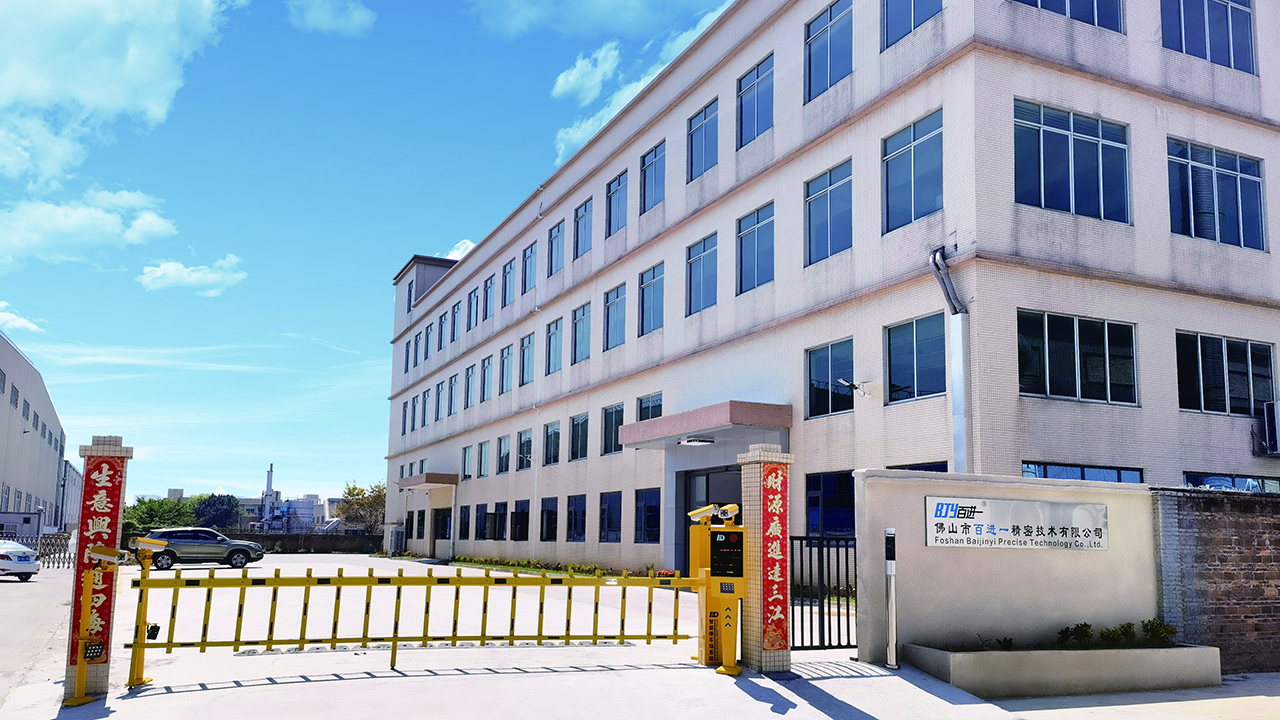
Foshan Baijinyi Precision Technology Co., Ltd. (BJY) stands as an epitome of innovation and excellence within the heart of Sanshui District, Foshan City. Established in 2011, our company symbolizes the fusion of tradition and modernity, strategically positioned to thrive within the vibrant economic landscape of Southern China.
Inspired by the timeless wisdom of the Chinese proverb, "A hundred feet pole, advance one step further," BJY embodies a spirit of perpetual advancement and innovation. Our name reflects our unwavering commitment to pushing boundaries and driving progress in every endeavor we undertake.
At BJY, we pride ourselves on our relentless pursuit of excellence. With a relentless focus on innovation and quality, we have earned a reputation as a leader in precision technology and manufacturing. Step into the world of BJY, where tradition meets innovation, and every step forward propels us towards greater heights of success and distinction.
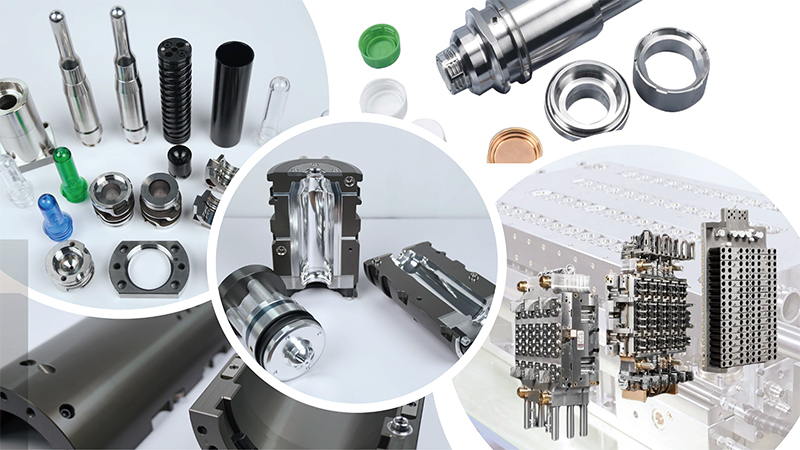
We are committed to designing and manufacturing PET liquid packaging molds, including blowing molds, PET injection molds, compression capping molds, and related accessories. Our products are suitable for famous brands of blow molding machines, injection molding machines, capping machines, and related equipment from France, Germany, Italy, Canada, and other countries.
Widely used in the packaging field of beverages, edible oils, pharmaceuticals, and daily chemical products. Not only we can produce high-quality molds, but also provide one-stop professional services, such as bottle shape and preform design, equipment renovation projects, etc. Our BJY teams are ready to provide you with more and better technology and services to create a win-win situation.
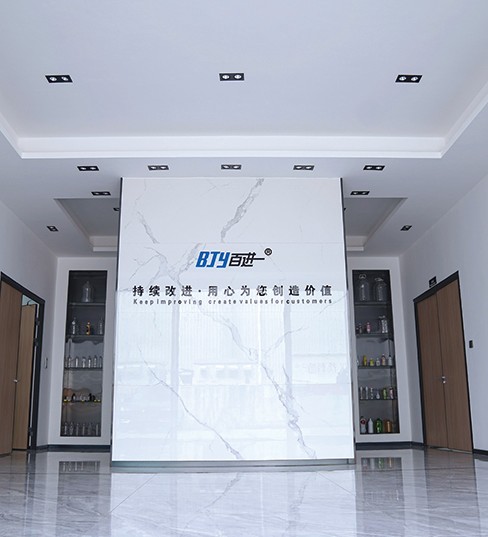
Founded in 2011, BJY has grown into a full-scale precision mould manufacturing facility equipped with over 50 high-precision CNC machining centres, EDM machines, CMM inspection equipment, and dedicated surface treatment lines. Our manufacturing processes are governed by ISO 9001 quality management standards, with every mould cavity subject to full dimensional verification before shipment.
For CSD mega-factory clients, we offer dedicated project engineering teams who work directly with production line engineers to validate mould compatibility, optimise preform designs, and conduct on-site commissioning. Our rapid prototyping capability enables sample cavities to be produced within 15 working days, allowing CSD manufacturers to validate new bottle designs without disrupting live production schedules.
Our engineering team maintains deep technical expertise across all major rotary blow moulding platforms — Sidel, Krones, SIPA, KHS, Nissei ASB, and SACMI — ensuring that every mould we deliver performs to OEM specification from the first production cycle.
The engineering of blow moulds for CSD mega-factory applications is a discipline that sits at the intersection of materials science, fluid dynamics, thermodynamics, and precision manufacturing. Every design decision — from alloy selection to vent hole diameter — has measurable consequences on bottle quality, line efficiency, and total cost of ownership.
The choice between aluminium and steel mould construction is one of the most consequential decisions in CSD blow mould specification. Aluminium alloys — particularly 7075-T6 and 2024-T4 — offer thermal conductivity values of 130–170 W/m·K, compared to 25–50 W/m·K for P20 or 718H steel. This superior heat dissipation capability translates directly into shorter blow cycle times, which is the primary driver of output rate on high-speed rotary lines. For a 40-station rotary machine running at 2,200 BPH per station, a 5% reduction in cycle time adds 4,400 bottles per hour to total line output — a commercially significant gain at mega-factory scale.
Steel moulds, however, offer substantially greater wear resistance and are specified for CSD applications involving abrasive mineral-filled PET, high-clarity PET grades with elevated crystallisation temperatures, or production campaigns exceeding 10 million cycles without cavity refurbishment. Hard chrome plating or physical vapour deposition (PVD) coatings can extend steel cavity service life beyond 20 million cycles, making them the preferred choice for flagship CSD SKUs with stable, long-term production commitments.
🔑 Engineering Principle: For CSD mega-factories running 24/7 operations, mould thermal performance directly determines line OEE (Overall Equipment Effectiveness). A 0.1-second reduction in blow cycle time on a 36-station machine adds approximately 3,600 bottles per hour — equivalent to running an additional production line for several weeks per year.
The petaloid base — the distinctive five- or six-petal star-shaped base geometry found on virtually all CSD PET bottles — is one of the most mechanically sophisticated features in blow mould design. Unlike the champagne-push-up base used in still-water bottles, the petaloid base must simultaneously resist internal carbonation pressure (preventing base reversal), provide stable standing surface on high-speed conveyor systems, and distribute stress evenly across the base structure to prevent stress-whitening or crazing during distribution.
Achieving consistent petaloid geometry requires precise control of base insert temperature (typically maintained 5–8°C below cavity body temperature), stretch rod travel speed, and pre-blow pressure timing. BJY's petaloid base inserts are machined from solid billet aluminium with 5-axis CNC equipment, achieving surface roughness values of Ra 0.2–0.4μm on all functional surfaces — ensuring consistent material distribution and optical clarity in the finished bottle base.
CSD mega-factories operate integrated blow-fill-cap lines where the bottle exits the blow moulder and enters the filler within seconds. Neck finish geometry — PCO 1881, PCO 1810, 26/22, 29/25, or proprietary formats — must be held to tolerances of ±0.05mm to ensure reliable sealing on high-speed rotary fillers and cappers. Dimensional variation in the neck finish is one of the leading causes of carbonation loss and leaker rejects on CSD lines, making neck ring precision a critical quality parameter in blow mould manufacture.
BJY manufactures neck rings as precision-ground components with hardness values of 58–62 HRC, ensuring dimensional stability across millions of blow cycles and resistance to the mechanical wear caused by preform loading and bottle ejection forces on high-speed rotary machines.
The cooling circuit design within a blow mould cavity is as important as the cavity geometry itself in determining line performance. Conventional drilled cooling channels — typically 8–12mm diameter circuits running parallel to the cavity wall — are adequate for standard CSD applications but leave significant thermal efficiency on the table. Advanced conformal cooling circuits, produced by selective laser sintering (SLS) or direct metal laser sintering (DMLS) of aluminium or tool steel, follow the exact contour of the cavity wall at a uniform distance of 3–5mm, delivering cooling uniformity that reduces cycle time by up to 15% compared to conventional circuits.
For ultra-high-speed CSD lines operating above 2,500 BPH per cavity, conformal cooling is increasingly specified as standard, with ROI typically achieved within 6–12 months through the combination of reduced cycle time and improved bottle quality consistency.
Procuring blow mould tooling for a CSD mega-factory is a strategic decision that extends well beyond unit price. Total cost of ownership (TCO) analysis — encompassing initial tooling cost, expected service life, spare parts availability, changeover time, and technical support responsiveness — is the framework used by sophisticated CSD manufacturers when evaluating tooling suppliers.
In the fast-moving CSD market, where promotional bottle shapes are launched seasonally and new SKUs must reach market within weeks of brand approval, tooling lead time is a critical commercial parameter. European tooling suppliers traditionally quoted 14–20 week lead times for complete mould sets, creating bottlenecks in new product launch timelines. BJY's integrated manufacturing capability — with CNC machining, EDM, surface treatment, and quality inspection all under one roof — enables standard CSD blow mould sets to be delivered within 5–8 weeks, and express programmes completed in as little as 3 weeks for single-cavity urgent requirements.
For CSD mega-factories in Asia, the Middle East, and Africa, the ability to receive technical support, replacement components, and on-site engineering assistance without the delays and costs associated with international logistics is a significant commercial advantage. BJY maintains regional technical partnerships and spare parts stocking programmes that ensure CSD clients can resolve mould-related production issues within 24–48 hours — minimising costly unplanned downtime on high-volume lines where every hour of lost production represents tens of thousands of dollars in revenue impact.
Introducing new blow mould tooling into a validated CSD production line requires a structured qualification process — typically including dimensional verification (FAI), trial blow runs, bottle performance testing (top load, burst pressure, base clearance, carbonation retention), and filling line compatibility trials. BJY provides comprehensive qualification documentation packages — including full cavity inspection reports, material certifications, and trial blow data — that streamline the customer's internal validation process and accelerate time-to-production for new tooling.
🏆 BJY Advantage: With over 20 years of precision manufacturing experience, 100+ global customers served, and 50+ CNC machines in operation, BJY delivers CSD blow mould tooling that combines European-grade precision with Asian supply chain agility — enabling mega-factory operators to reduce tooling TCO by 25–40% without compromising performance or reliability.
Explore our full portfolio of precision blow moulds engineered for carbonated soft drink production lines — compatible with all major OEM blowing machine platforms worldwide.
Partner with BJY Precision Technology for industry-leading blow mould solutions engineered specifically for high-speed carbonated soft drink production lines. From rapid prototyping to full mould set delivery, our team is ready to support your next CSD project.
Explore Our CSD Blow Mould Solutions