Chinese
-
 Email
Email -
 Whatsapp
-
 WeChat
Engineered for high-speed carbonated soft drink production lines — precision, durability, and compatibility guaranteed.
How precision blow mould technology is reshaping carbonated soft drink manufacturing at scale
The global carbonated soft drink (CSD) market continues its robust expansion, with production volumes surpassing 400 billion litres annually. Behind every can and bottle of cola, sparkling water, or energy drink lies a critical manufacturing process: PET blow moulding. For CSD mega-factories — facilities producing tens of millions of bottles per day — the quality, precision, and reliability of blow moulding products are not optional extras. They are the foundation of operational excellence.
Modern CSD mega-factories operate high-speed rotary blow moulding machines from leading OEMs such as Sidel, Krones, Newamstar, SIPA, and SACMI. These machines run at cavity outputs exceeding 2,000 bottles per hour per cavity, placing extraordinary mechanical and thermal demands on every mould component. A single mould failure can halt an entire production line, costing thousands of dollars per minute in lost output. This reality drives the industry's relentless pursuit of higher-grade blow moulding products.
Carbonated soft drinks present unique challenges compared to still beverages. The internal pressure of a filled CSD bottle — typically 3.5 to 5.5 bar — demands that the PET preform be blown into a bottle with precise wall thickness distribution, base geometry, and neck finish. Any deviation in the blow mould cavity, bottom mould, or thermal management components directly translates into bottles that fail pressure tests, exhibit base pearlescence, or collapse during palletising.
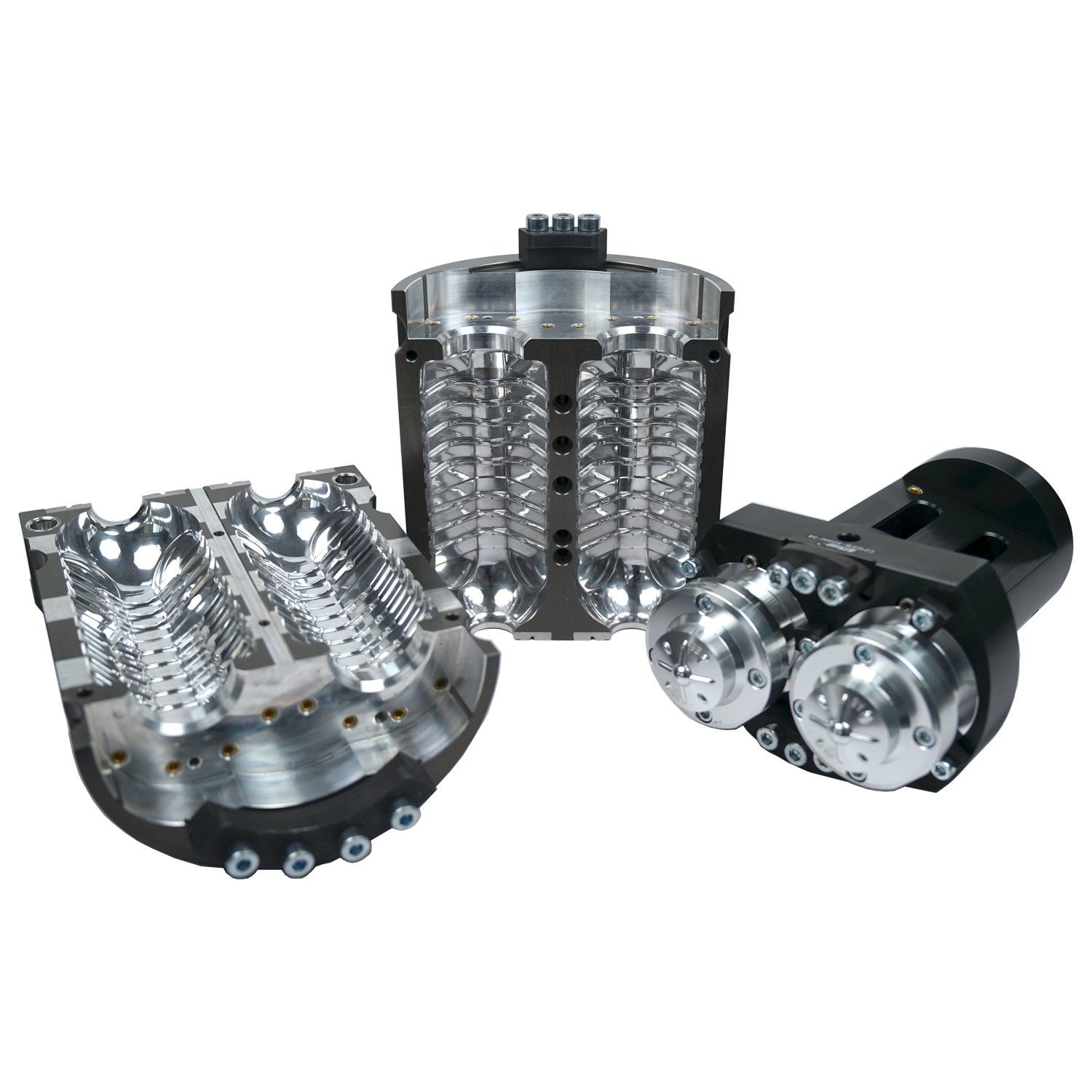
The bottom mould is particularly critical in CSD applications. The petaloid base design — universally adopted for carbonated beverages — must be reproduced with micron-level accuracy across millions of cycles. Wear, thermal fatigue, and inadequate cooling in the bottom mould are the leading causes of base failure in CSD bottles. This is why BJY's PET Blow Molding Bottom Mold is engineered with hardened steel inserts, optimised cooling channel geometry, and surface treatments that extend service life well beyond industry averages.
In high-speed CSD blow moulding, the thermal cycle — heating the preform in the oven, blowing it in the mould, and cooling it before ejection — must be completed in under two seconds per bottle. Thermal insulation between the mould and the machine platen is therefore not a passive component; it is an active performance enabler.
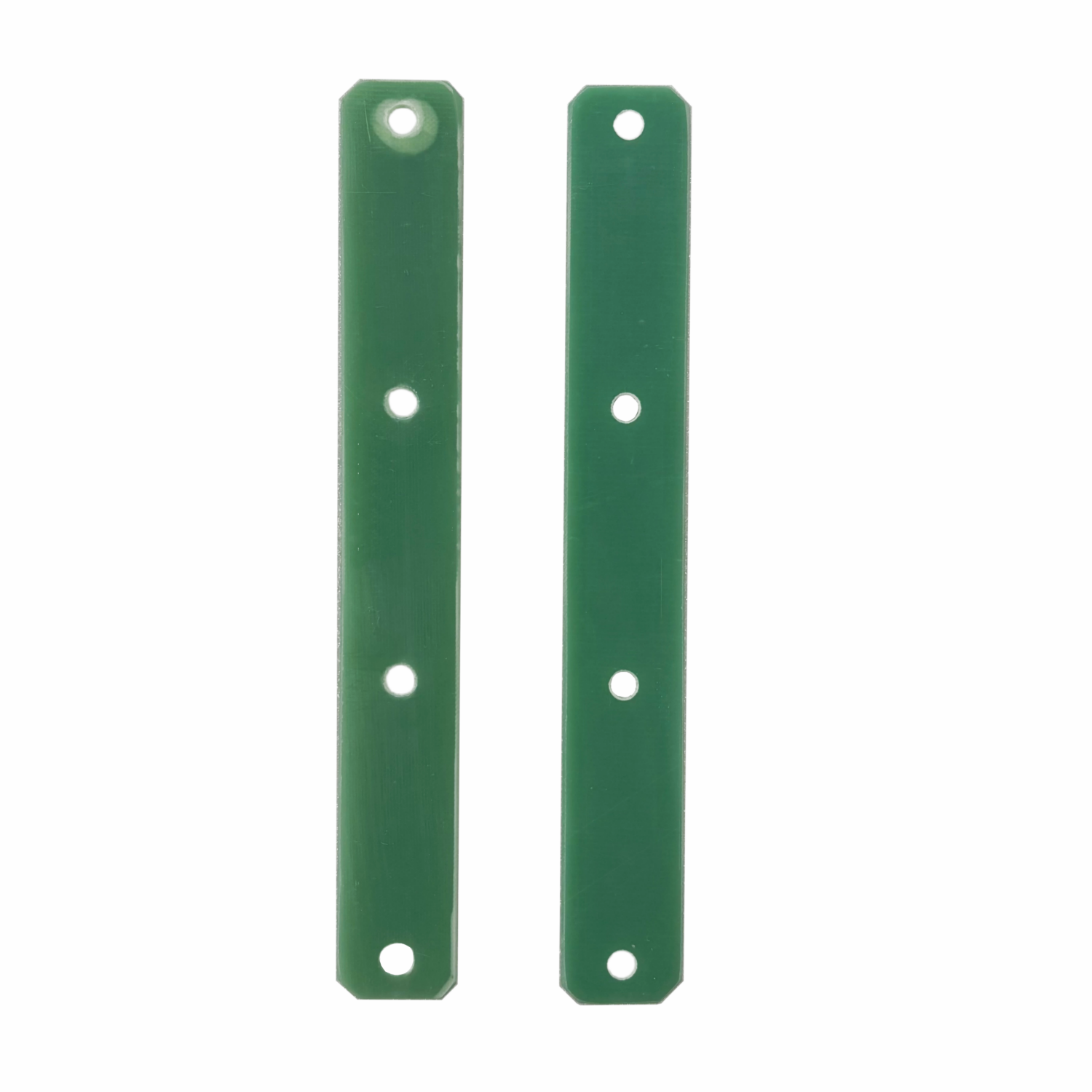
BJY's High-Performance Thermal Insulation Plate for PET Blow Molds addresses a problem that many factories underestimate: heat transfer from the mould body into the machine frame. Without effective insulation, the machine's structural components absorb heat, causing dimensional drift, increased energy consumption, and inconsistent preform heating profiles. The insulation plate creates a precise thermal boundary, stabilising the process window and reducing energy costs by up to 12% in documented installations.
CSD mega-factories rarely operate a single machine model. A typical greenfield facility might deploy Sidel SBO machines for 500ml lines, Newamstar equipment for 350ml SKUs, and SACMI systems for large-format 1.5L bottles. Sourcing blow moulding products that are precisely compatible with each platform — without costly custom engineering — is a significant procurement challenge.
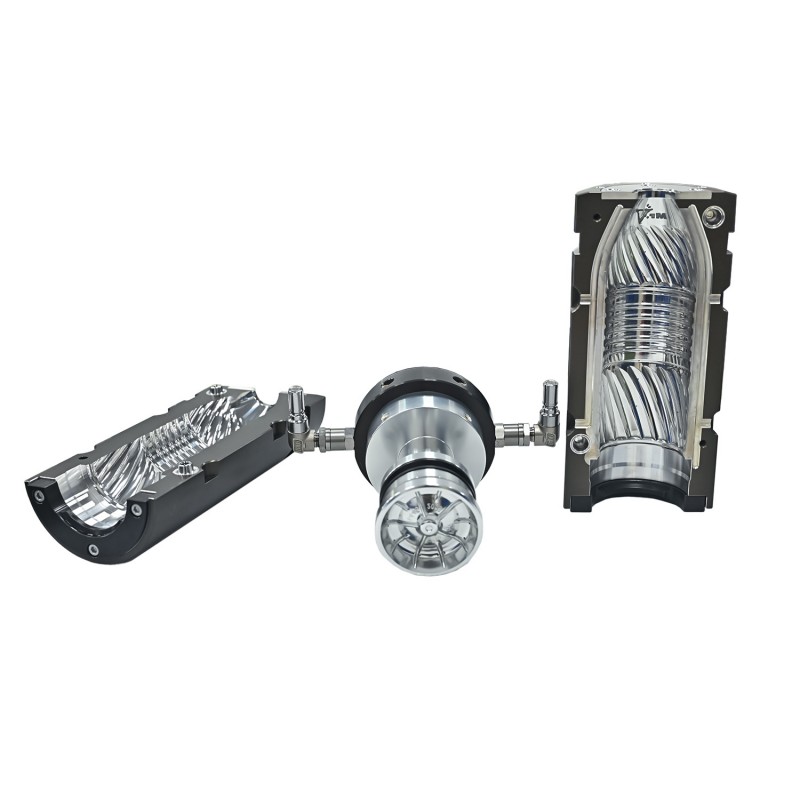
BJY has invested heavily in building a compatibility matrix that spans the world's major blow moulding machine platforms. The 350ml Aluminum PET Blow Mold is engineered for direct drop-in compatibility with Newamstar machines, eliminating the need for adapter plates or machine modifications. Similarly, the 500ml Aluminum Blow Mold is designed to SACMI dimensional standards, and the 750ml PET Blow Mold covers the high-volume family-size CSD segment across multiple machine types.
The next generation of blow moulding products is being defined by sustainability, digitalisation, and lightweighting
CSD brands are under intense pressure to reduce plastic use. Modern blow moulds must accommodate preforms as light as 9.5g for 500ml CSD bottles while maintaining structural integrity under carbonation pressure. BJY's precision cavity engineering supports lightweighting programmes without compromising bottle performance.
Leading CSD factories are embedding sensors into mould assemblies to monitor cavity temperature, cycle count, and wear in real time. Blow moulding components must now be designed with sensor integration points and data-ready architectures. BJY's engineering team supports customers in adapting mould designs for IIoT-enabled production environments.
The proliferation of CSD SKUs — driven by flavour innovation and regional packaging requirements — demands faster mould changeover. Quick-change bottom mould systems, standardised spindle nose interfaces, and modular support base designs are becoming standard requirements. BJY's product range is engineered for rapid changeover compatibility.
Aluminium blow moulds offer superior thermal conductivity compared to steel, enabling faster cooling cycles and higher output rates. For CSD mega-factories, the shift from steel to high-grade aluminium alloy moulds is accelerating. BJY's 350ml and 500ml aluminium blow moulds are manufactured from aerospace-grade alloys with hard anodising for extended service life.
Circular economy mandates are reshaping bottle design across the CSD sector. Blow moulds must now support bottles designed for enhanced recyclability — including mono-material constructions, label-free designs, and base geometries optimised for rPET reprocessing. BJY works closely with brand owners and preform suppliers to develop mould solutions aligned with sustainability targets.
The visual quality of CSD bottles — critical for brand differentiation on shelf — is determined by the surface finish of the blow mould cavity. Advanced texturing, mirror polishing, and anti-stick coatings are increasingly specified by major CSD brands. BJY's in-house surface engineering capability ensures that every mould cavity meets the most demanding optical and tactile specifications.
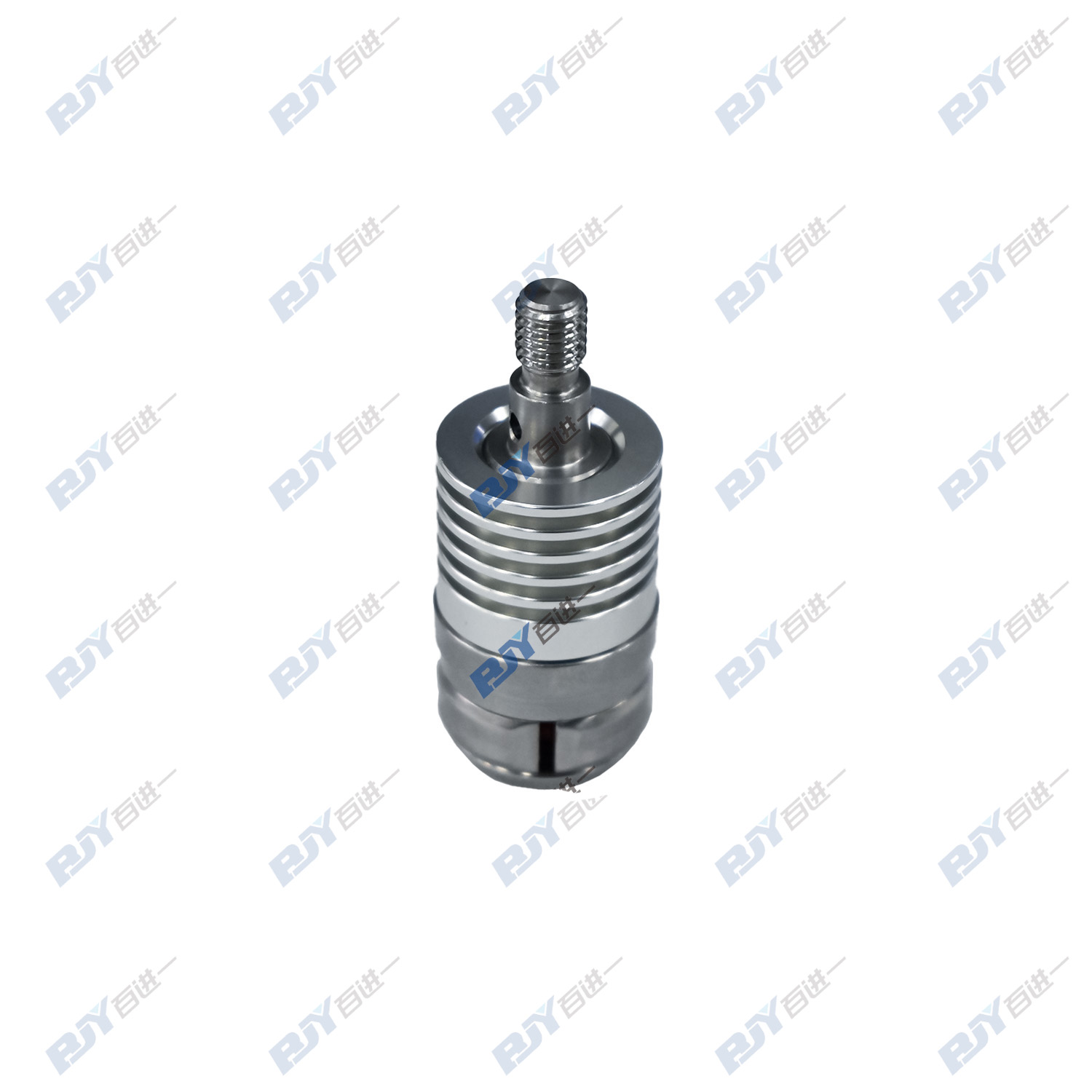
The spindle nose is one of the most mechanically stressed components in a rotary blow moulding machine. It transmits the rot ational force from the machine carousel to the mould, while simultaneously providing the pneumatic seal for the blowing air circuit. In CSD mega-factories running at maximum speed, the spindle nose completes over 130 million cycles per year. Wear, misalignment, or seal failure at this interface causes immediate production loss and potential machine damage.
BJY's Spindle Nose for PET Blow Molding Machines is manufactured from high-alloy steel with precision-ground sealing surfaces and hardened bearing interfaces. The design incorporates redundant sealing geometry to prevent blowing air leakage even under the elevated pressures required for CSD bottle production — typically 38 to 40 bar stretch-blow pressure. Replacement with a BJY spindle nose restores OEM-specification performance and extends the maintenance interval significantly.
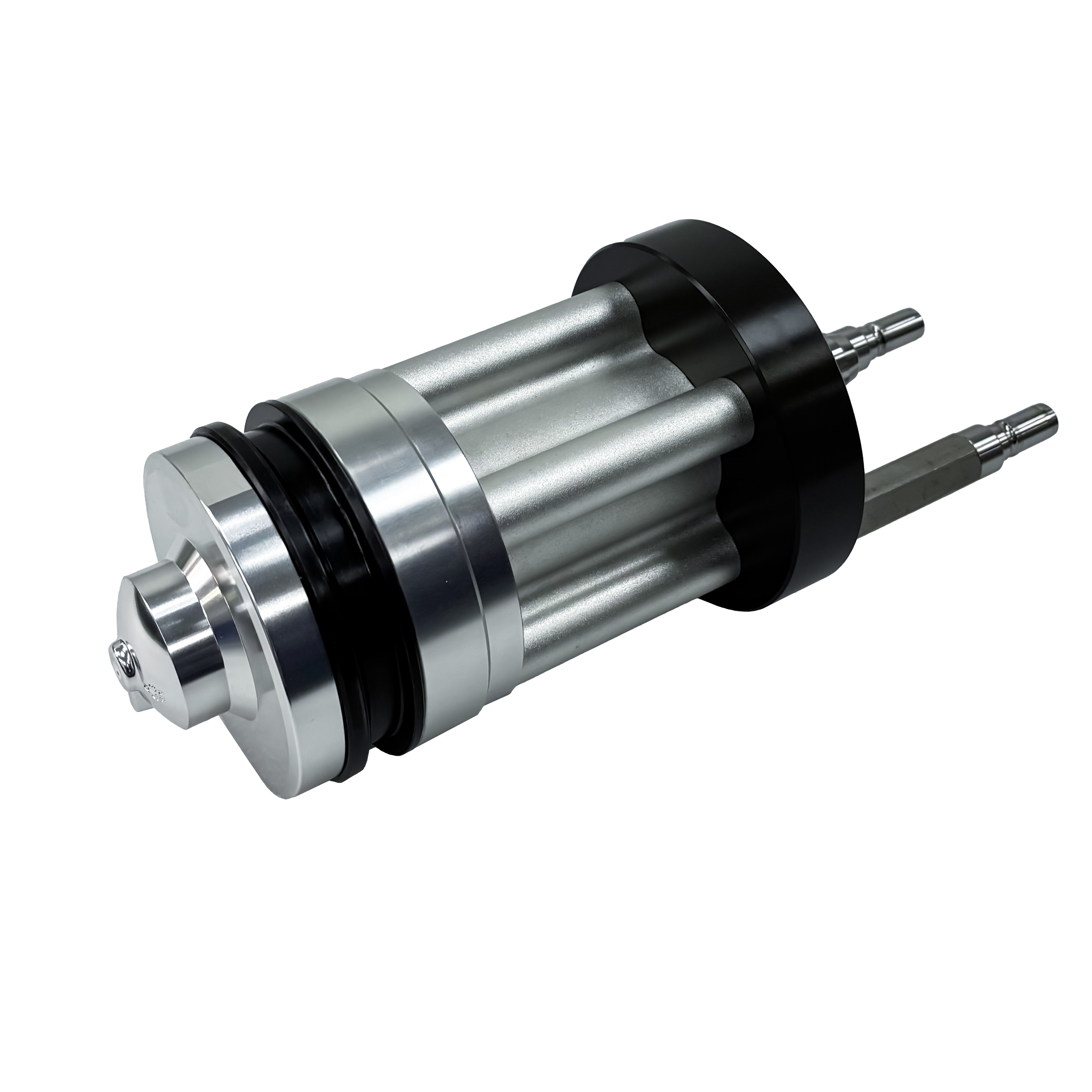
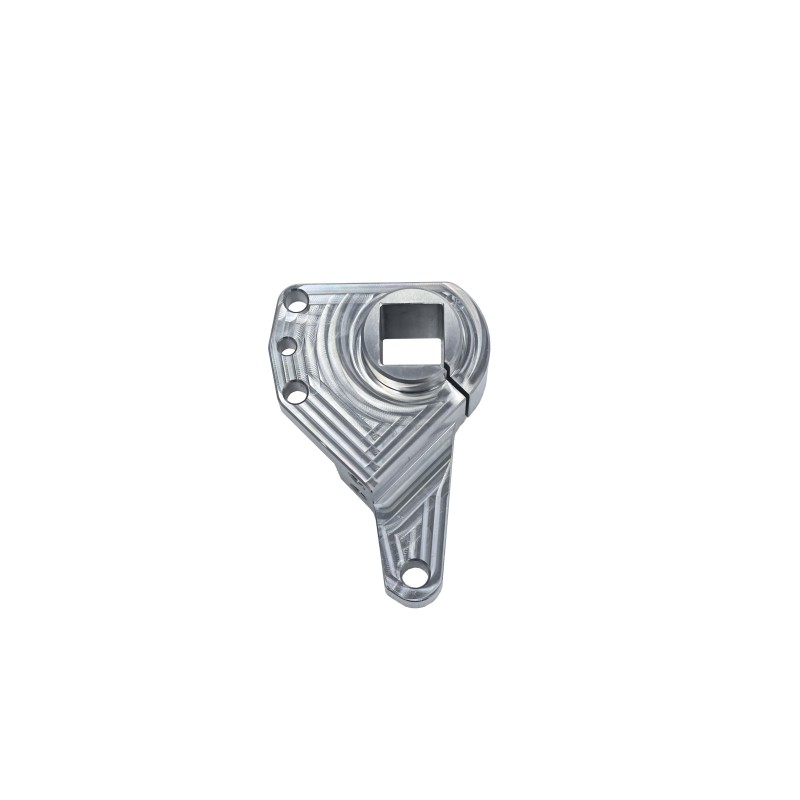
The support base provides the mechanical foundation for the blow mould assembly on the machine carousel. In high-speed CSD production, centrifugal forces, thermal expansion, and the dynamic loads of the blowing cycle all act on the support base simultaneously. A support base that lacks rigidity or thermal stability will cause progressive mould misalignment, leading to flash, neck finish defects, and ultimately bottle rejection.
BJY's Support Base for Blow Molding Machines is engineered with finite element analysis (FEA)-optimised ribbing geometry that maximises stiffness while minimising weight — critical for reducing carousel inertia on high-speed machines. The precision-machined mounting surfaces ensure repeatable mould positioning across every changeover, eliminating the need for time-consuming realignment procedures.
No component in the blow mould assembly has a greater influence on CSD bottle performance than the bottom mould. The petaloid base geometry — with its characteristic five or six feet radiating from a central dome — must distribute the internal pressure of the carbonated beverage uniformly across the base structure. Any deviation in foot height, valley radius, or dome geometry will result in base creep, stress whitening, or catastrophic base failure under carbonation pressure.
BJY's PET Blow Molding Bottom Mold is produced on five-axis CNC machining centres with dimensional tolerances held to ±0.01mm across all critical surfaces. The cooling channel network is designed using computational fluid dynamics (CFD) simulation to achieve uniform heat extraction across the entire base geometry, eliminating the hot spots that cause pearlescence and base deformation. Available for 459ml and other CSD-standard volumes, the bottom mould is compatible with the major machine platforms used in global CSD mega-factories.
As CSD factories face increasing energy costs and carbon reporting obligations, every kilowatt-hour saved in the blowing process contributes to both financial and sustainability targets. The thermal insulation plate sits between the mould body and the machine platen, creating a controlled thermal boundary that prevents heat migration into the machine structure. This seemingly simple component delivers measurable benefits across three dimensions: energy consumption, process stability, and machine longevity.
BJY's High-Performance Thermal Insulation Plate is manufactured from a proprietary composite material with a thermal conductivity of less than 0.35 W/m·K — significantly lower than standard glass-fibre plates — combined with compressive strength exceeding 250 MPa to withstand the clamping forces of high-speed blow moulding machines. The plate maintains its dimensional stability across the full operating temperature range of CSD production lines, ensuring consistent thermal performance over a service life of three to five years.
Keep improving, for better products!
We strive for excellence and create more value and services for our customers.
We are rigorous and meticulous, devoted and selfless, full of vitality, and brave in innovation.
We aspire to be a trusted strategic partner for every customer we serve.
We have advanced production equipment and comprehensive testing facilities, and have established mature production and testing processes to provide high-quality products.
Innovative Spirit: We dare to experiment and are committed to innovation — constantly pushing the boundaries of what blow moulding products can deliver for CSD mega-factories.
Integrity First: Integrity is the cornerstone of our values. Every product we ship meets the specification we promise, without exception.
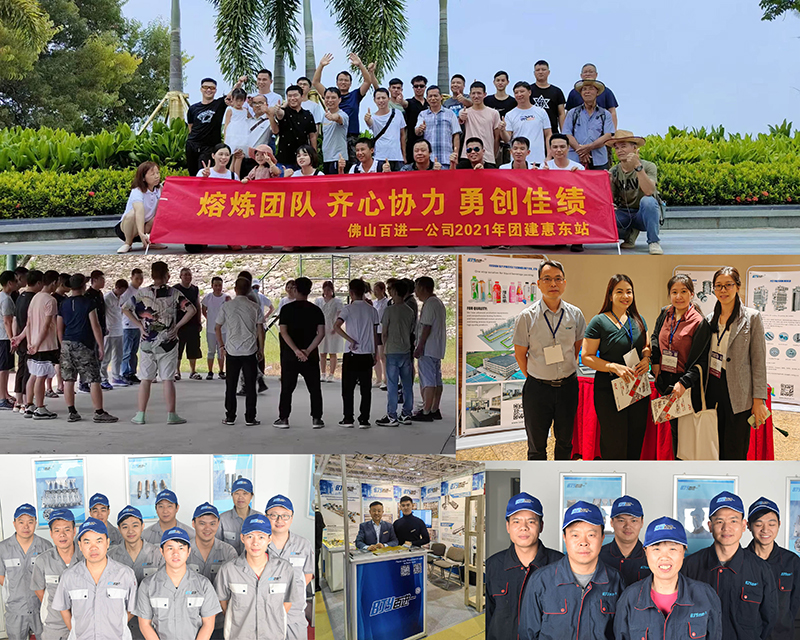
Employee Care: We prioritize employee growth, investing resources annually in training and skill enhancement. We care about employees' lives, providing accommodation and meals, giving employees far from home a sense of belonging.
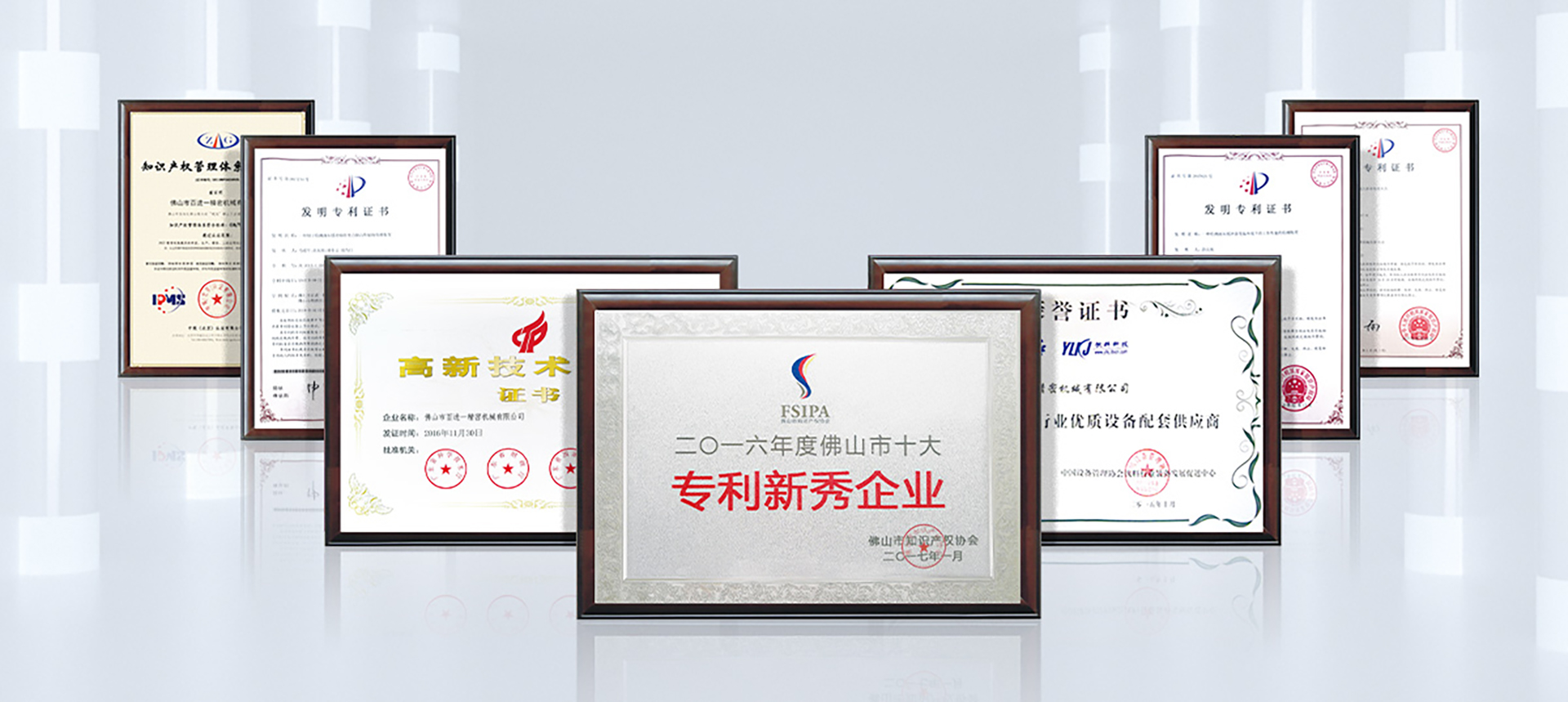
Our quality management system and product certifications underpin every blow moulding component we supply to CSD mega-factories worldwide.
Our three core advantages — delivering measurable results for CSD mega-factory operations
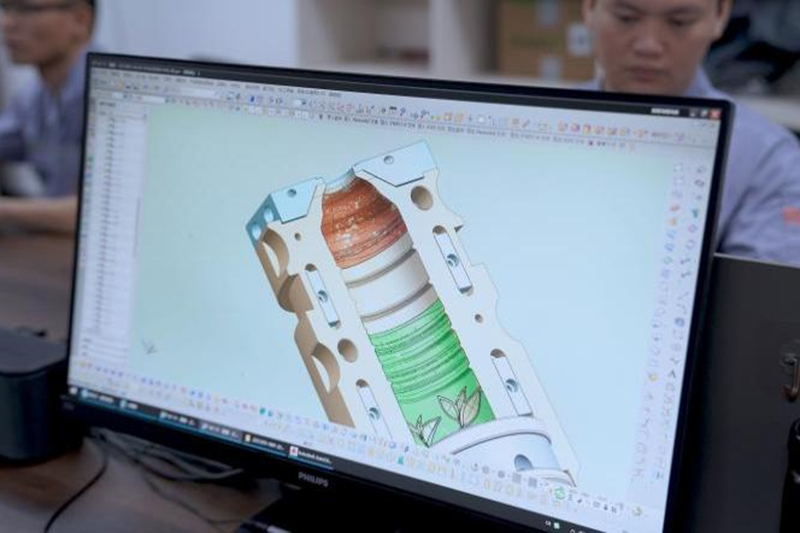
The R&D team includes electronic engineers, structural engineers and appearance designers. We have a professional technical team with over 20 years of industry experience, capable of providing you with one-stop services — from preform design consultation through to mould commissioning and process optimisation on your CSD production line.
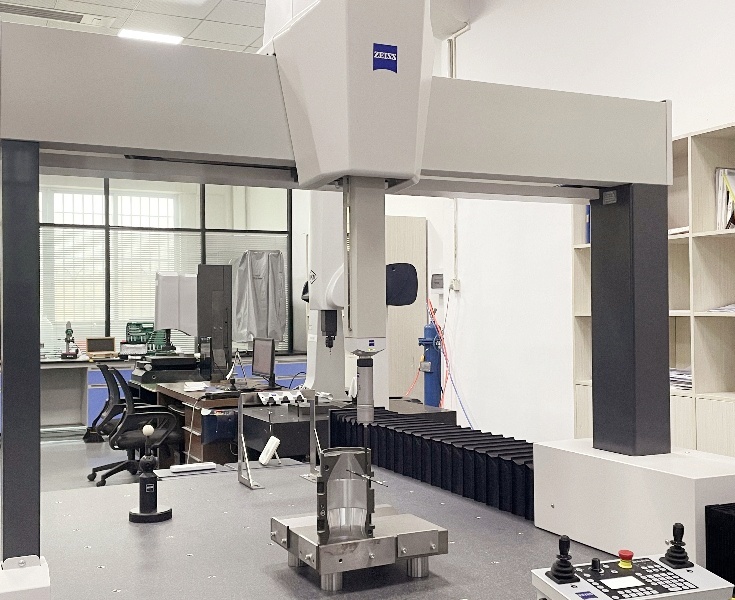
Rich experience in OEM and ODM services, including mold manufacturing and injection molding. We have complete production and testing equipment to provide you with the highest quality blow moulding products. Our track record spans installations in CSD mega-factories across Asia, Europe, the Middle East, and the Americas.
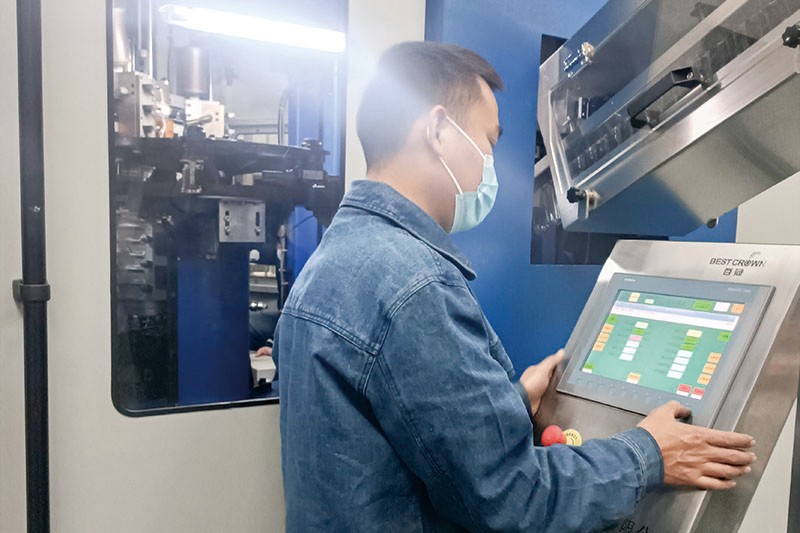
We provide technical information and technical training support on a regular basis. Our application engineers are available to support mould installation, process setup, and troubleshooting on-site at your CSD factory. We provide you with the most reliable services and sincerely create value for customers — not just as a supplier, but as a long-term technical partner.
Every component your CSD production line needs — engineered to the highest standards of precision and reliability