Chinese
-
 Email
Email -
 Whatsapp
-
 WeChat
High-precision molds engineered for injection and blow molding machinery — built for performance, durability, and consistency.
The global bottle mold industry sits at the intersection of advanced materials science, precision engineering, and high-throughput manufacturing. As consumer demand for packaged beverages, personal care products, pharmaceuticals, and household chemicals continues to surge, the machinery maintenance ecosystem surrounding injection and blow molding has evolved into a sophisticated, multi-billion-dollar segment of the broader plastics processing market.
Bottle molds — whether deployed in stretch blow molding, extrusion blow molding, or injection blow molding processes — are the critical tooling assets that determine product quality, cycle efficiency, and long-term production economics. The condition of these molds directly impacts output consistency, material waste rates, and the total cost of ownership for any bottling line. Consequently, machinery maintenance for bottle molds is no longer a reactive afterthought; it has become a proactive, data-driven discipline central to competitive manufacturing strategy.
From a commercial standpoint, bottle molds represent a substantial capital investment. A high-cavitation PET blow mold for beverage production can cost anywhere from $15,000 to over $120,000 depending on cavity count, material grade, and surface treatment specifications. With such investment at stake, manufacturers across the food & beverage, pharmaceutical, and personal care sectors are increasingly prioritizing structured maintenance programs to maximize mold service life and protect production throughput.
Unplanned downtime caused by mold failure is estimated to cost mid-scale bottling operations between $8,000 and $25,000 per hour in lost production value. This stark commercial reality has accelerated investment in preventive and predictive maintenance strategies, driving demand for specialized mold components, precision replacement parts, and expert technical support services.
Key Insight: Studies across high-volume PET bottling facilities indicate that every $1 invested in structured mold maintenance programs yields an average return of $6–$9 in avoided downtime costs, scrap reduction, and extended tooling lifespan.
Several converging technological and market trends are reshaping how manufacturers approach bottle mold maintenance within injection and blow molding operations:
Machine learning algorithms now analyze vibration data, thermal signatures, and cycle-count patterns to predict mold wear and schedule maintenance before failures occur, dramatically reducing unplanned stoppages.
Hard anodizing, PVD coatings, and nano-composite surface treatments are extending mold cavity lifespans by 40–70%, reducing the frequency of corrective maintenance and lowering per-unit production costs.
Lightweighting initiatives and recyclable PET formulations require molds with tighter tolerances and more frequent calibration cycles, pushing maintenance protocols toward higher precision and shorter service intervals.
Modern blow molding machinery operating at 2,000–3,000 bottles per hour places extreme thermal and mechanical stress on mold components, necessitating more rigorous inspection schedules and higher-grade replacement parts.
Digital twin technology creates virtual replicas of physical mold assemblies, enabling engineers to simulate wear patterns and optimize maintenance intervals without interrupting live production schedules.
Post-pandemic supply chain disruptions have prompted manufacturers to qualify multiple mold component suppliers and maintain larger spare-parts inventories, reshaping procurement strategies across the industry.
Understanding where and how bottle mold maintenance creates the most value requires examining specific industrial application contexts. The following scenarios represent the highest-impact deployment environments for structured mold maintenance programs:
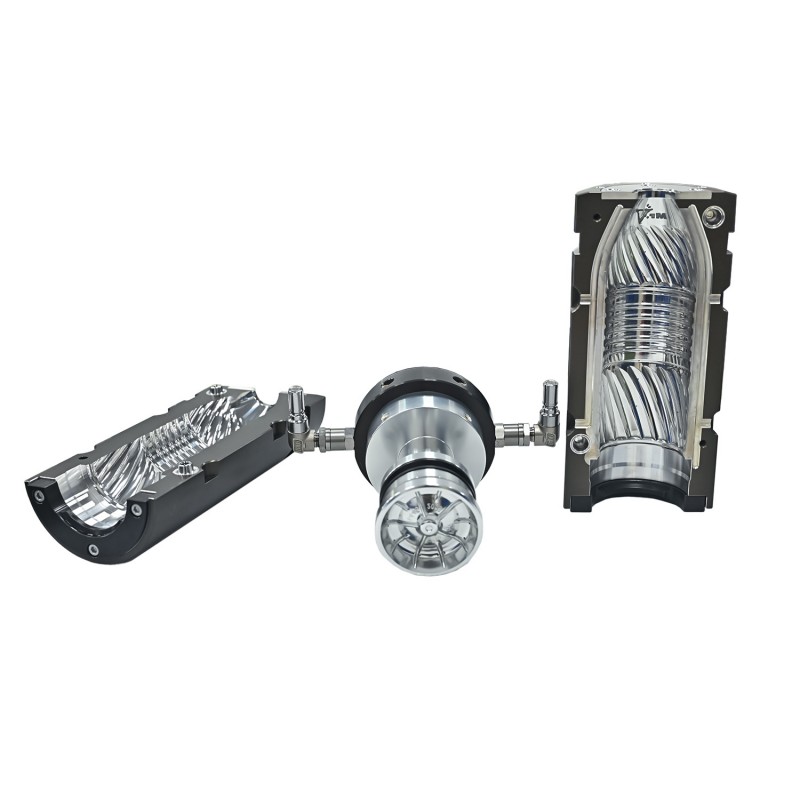
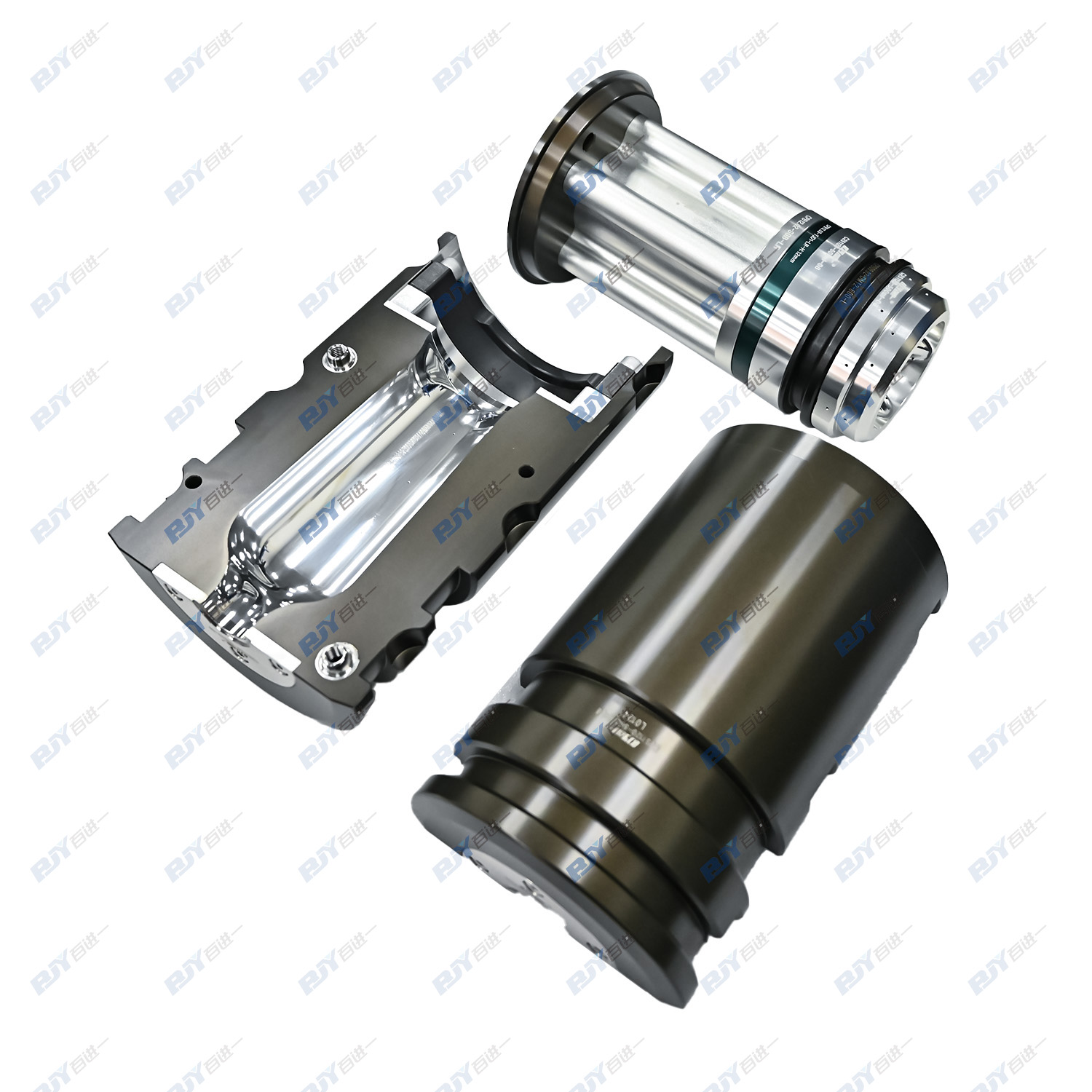
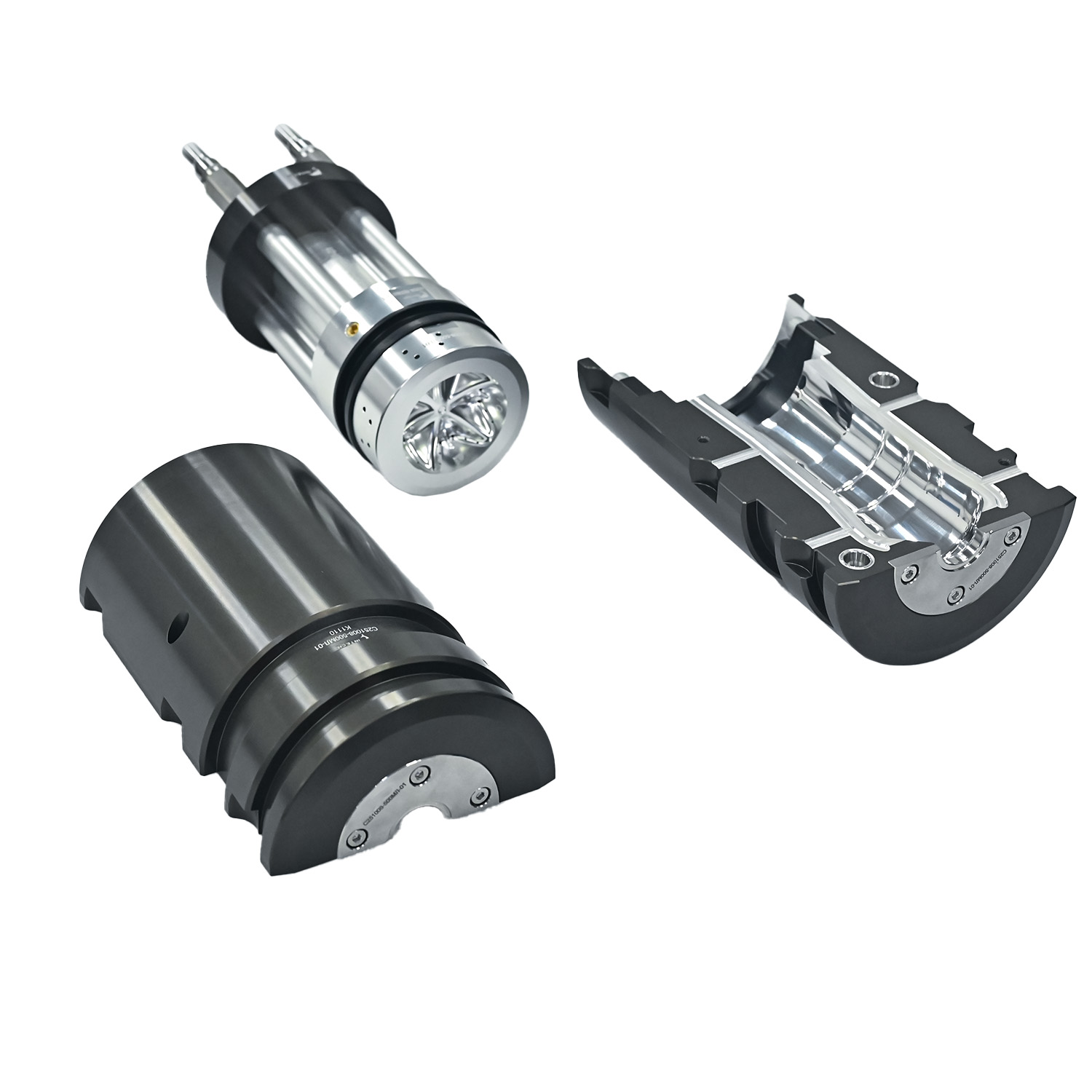
Carbonated soft drink and water bottling lines running 24/7 subject PET blow molds to extreme thermal cycling and mechanical stress. Maintenance protocols here focus on cavity surface inspection, cooling channel descaling, neck finish dimensional verification, and parting line integrity checks. The 500ml CSD-PET blow mold is a prime example where surface hardness and cooling uniformity are critical maintenance parameters.
Pharmaceutical bottle production demands FDA-compliant materials and zero-defect quality standards. Mold maintenance in this sector emphasizes contamination prevention, precise wall thickness control, and validated cleaning procedures. Injection blow molding dominates here, and mold core rod alignment is a critical maintenance checkpoint that directly impacts container integrity and regulatory compliance.
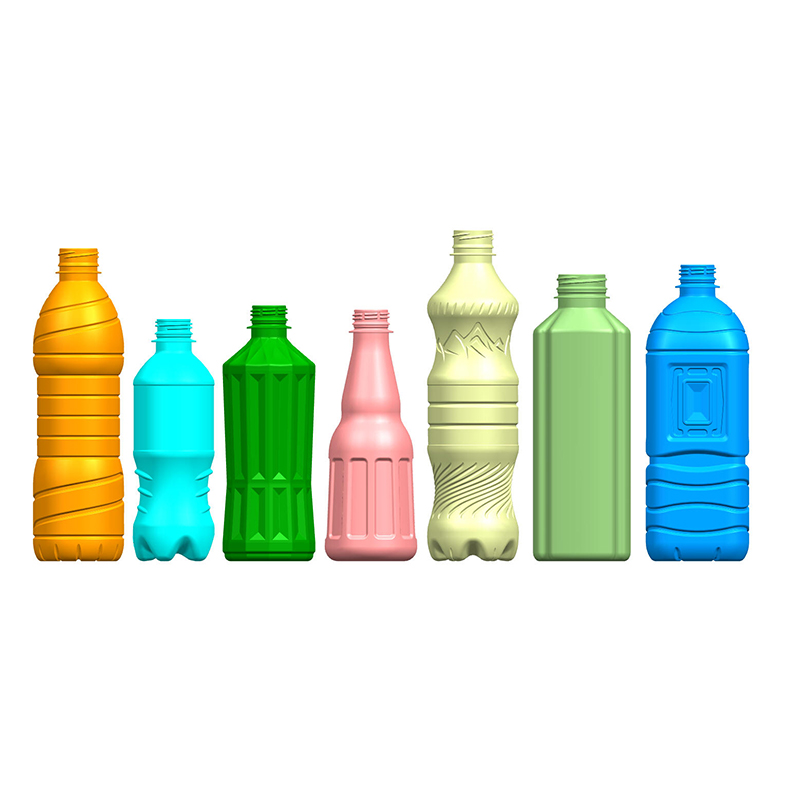
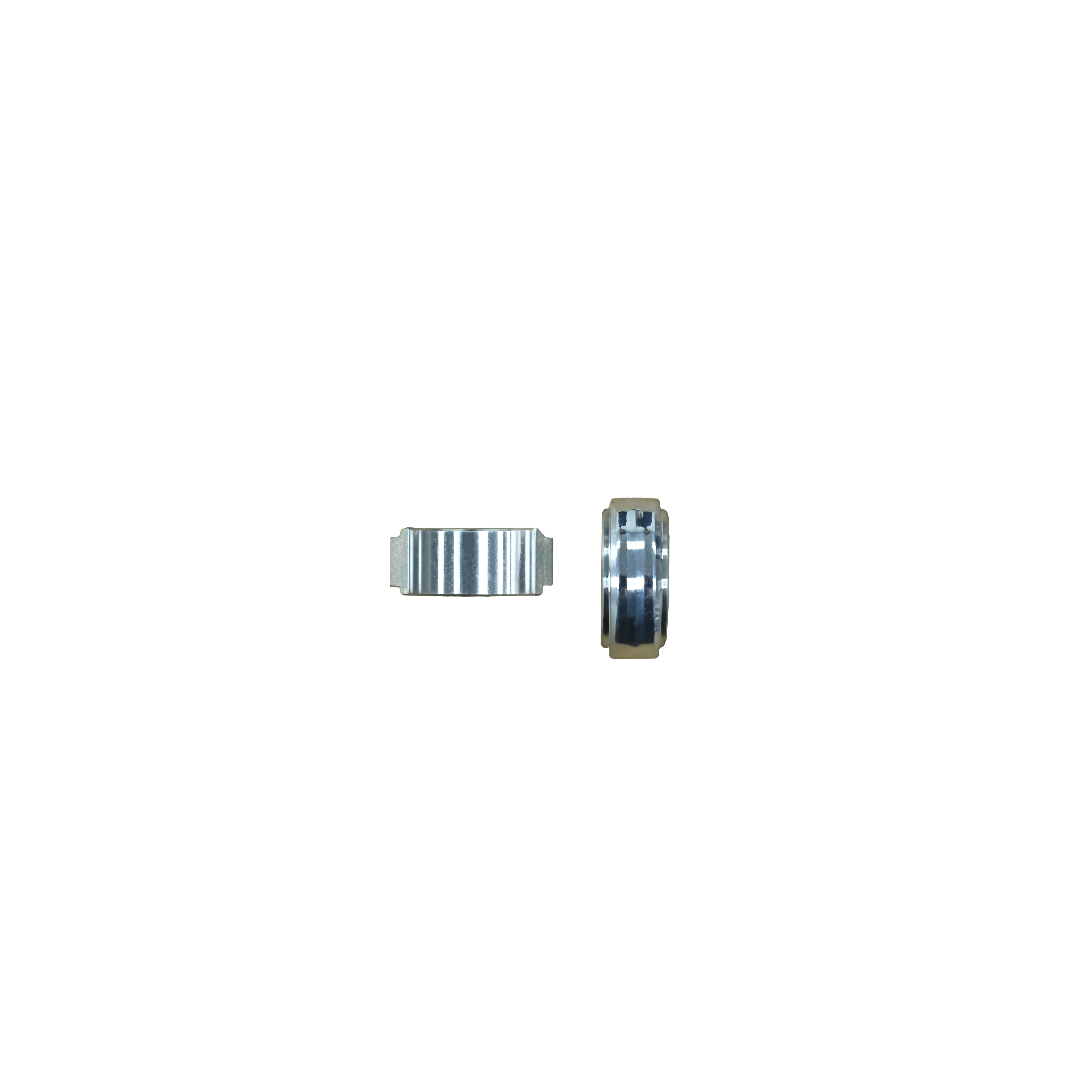
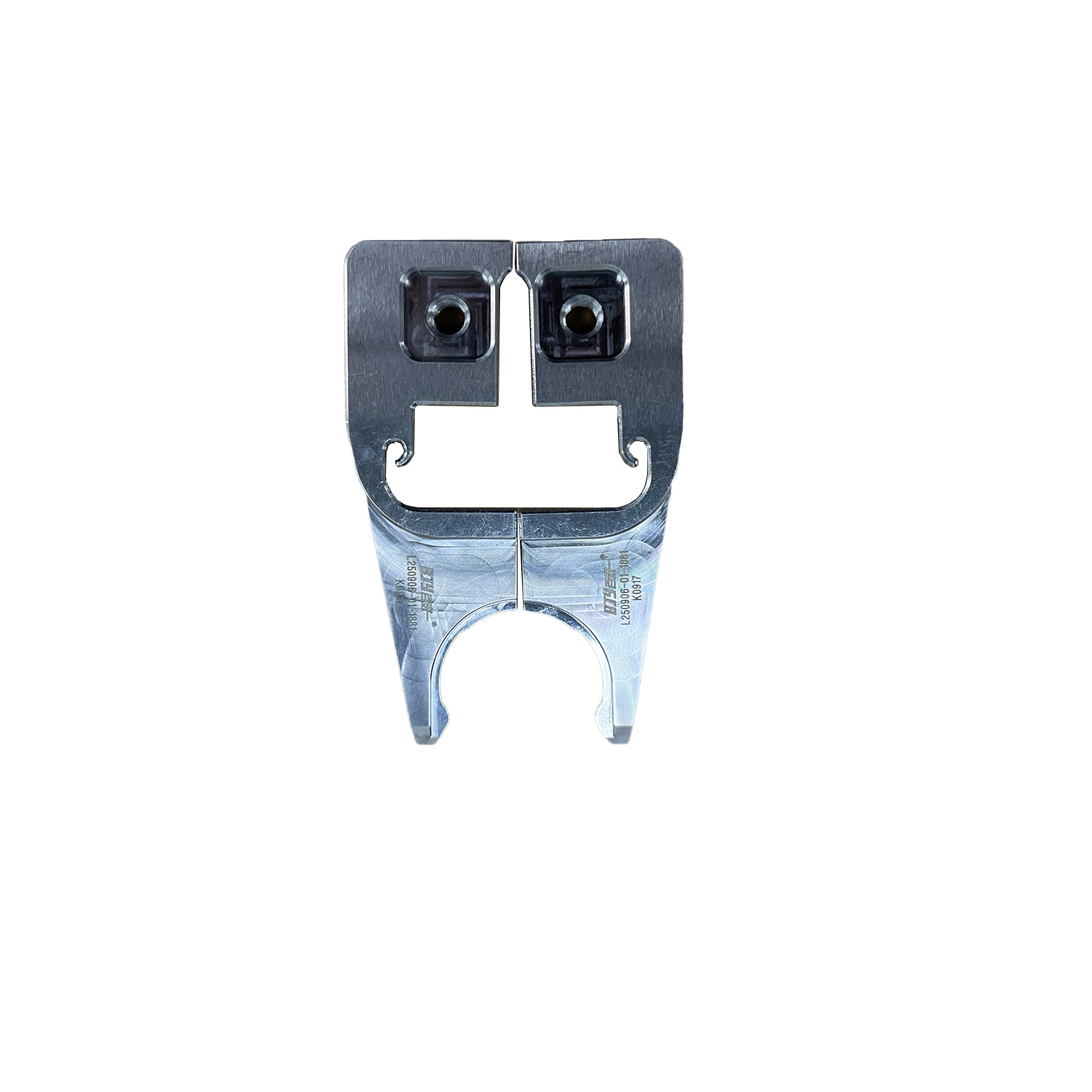
The personal care sector demands aesthetically complex bottle geometries with high surface finish requirements. Mold maintenance focuses on cavity polishing schedules, insert alignment, and flash prevention at complex parting lines. Bottle gripper components and mandrel tightening rings are frequently serviced items in these high-mix, lower-volume production environments.
Extrusion blow molds for industrial chemical containers face aggressive media compatibility challenges. Maintenance priorities include parison die gap adjustment, mold cooling efficiency, and flash trim tooling condition. Neck finish tooling — including specialized bottle grippers and screw cap compatibility verification — requires periodic dimensional auditing to ensure seal integrity.
Hot-fill bottle production requires molds engineered to produce containers that withstand elevated fill temperatures without deformation. Maintenance programs must address heat-resistant mold alloy integrity, vacuum panel geometry verification, and label panel flatness — all of which drift over high-cycle production runs and require scheduled corrective action.
The rapid adoption of recycled PET (rPET) content introduces new mold maintenance challenges, as rPET resins exhibit higher viscosity variation and increased abrasiveness compared to virgin PET. Mold cavity surfaces require more frequent polishing, and gate insert replacement intervals must be shortened to maintain consistent preform and bottle quality.
A world-class mold maintenance program for injection and blow molding operations integrates scheduled preventive actions, condition-based monitoring, and rapid corrective response capabilities. The following framework represents industry-leading practice:
Establish cycle-count-based maintenance intervals rather than calendar-based schedules. Trigger Level 1 inspections (visual, dimensional, lubrication) every 250,000–500,000 cycles; Level 2 deep-clean and component replacement at 1–2 million cycles; and full mold refurbishment at 3–5 million cycles depending on resin type and operating conditions.
Cooling channel efficiency directly governs cycle time and part quality. Regular descaling using approved chemical agents, combined with flow-rate verification testing, ensures that thermal performance remains within specification. Blocked or partially fouled cooling circuits are a leading cause of wall thickness variation and bottle deformation.
PET blow mold cavities — particularly those with hard anodized or coated surfaces — require periodic inspection for micro-cracking, pitting, and coating delamination. Timely re-polishing or re-coating prevents progressive surface degradation that leads to cosmetic defects and increased preform sticking.
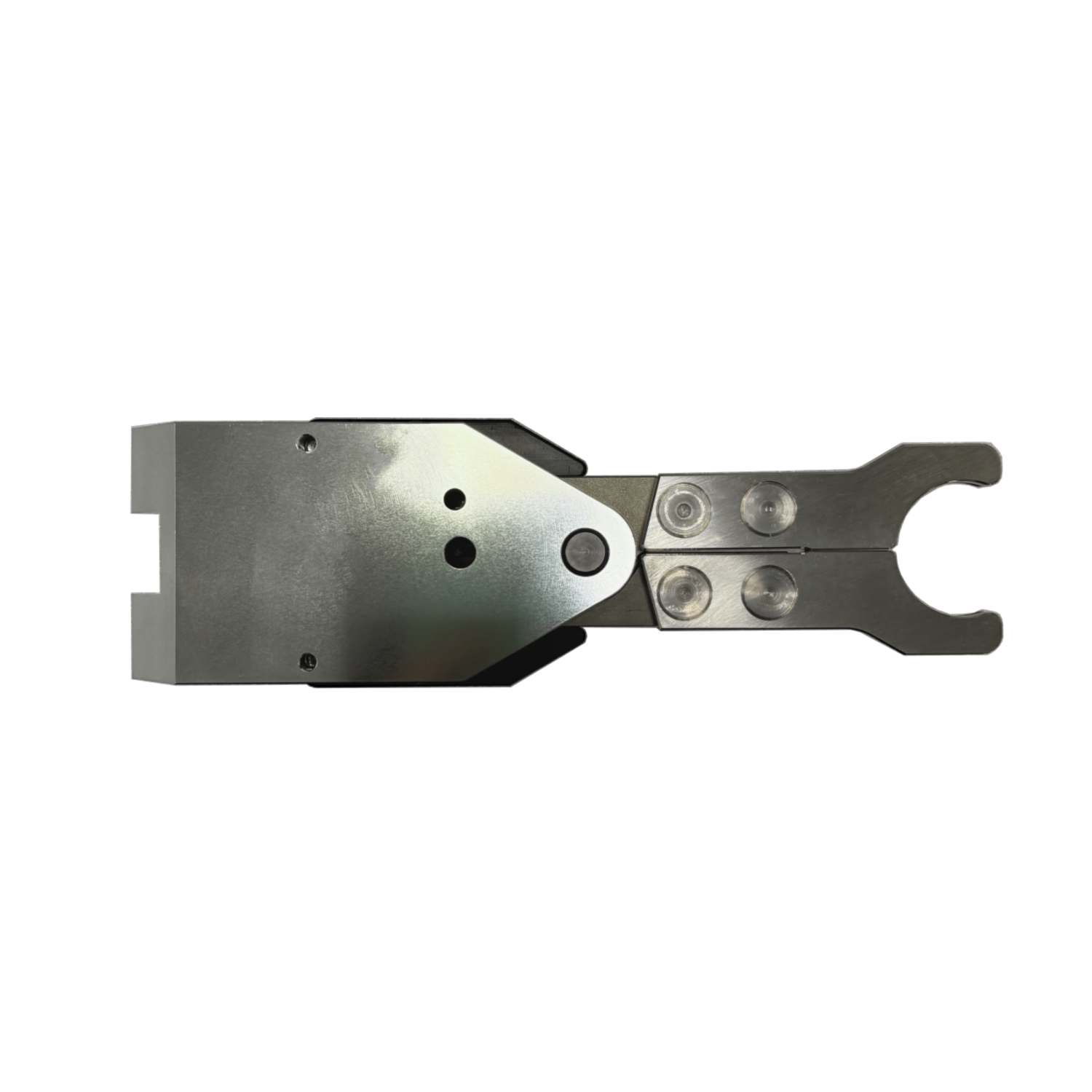
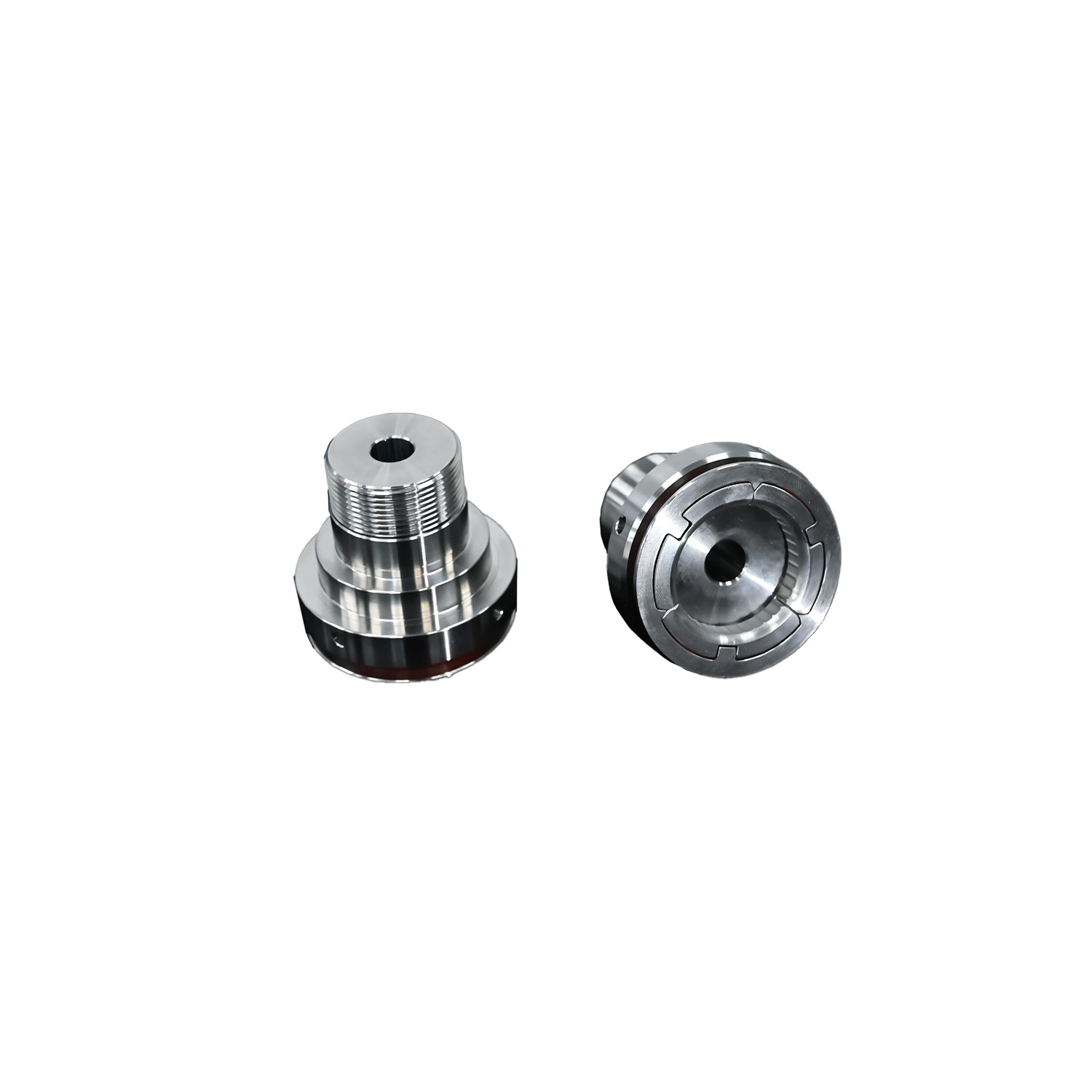
High-wear components including bottle grippers, tightening rings, neck finish inserts, and base plugs should be tracked individually and replaced on a predictive basis. Maintaining a certified spare-parts inventory — sourced from qualified mold manufacturers — minimizes unplanned downtime and ensures dimensional consistency across replacement cycles.
Comprehensive maintenance records — capturing cycle counts, inspection findings, replacement history, and dimensional measurement data — create the traceability foundation needed for continuous improvement initiatives and warranty management with mold suppliers.
Industry Best Practice: Leading beverage manufacturers report 23–31% reductions in mold-related quality rejects and 18–26% improvements in mold service life when transitioning from calendar-based to cycle-count-based predictive maintenance programs.
Keep improving, for better products!
We strive for excellence and create more value and services for our customers.
We are rigorous and meticulous, devoted and selfless, full of vitality, and brave in innovation.
We aspire to be a trusted strategic partner for every client we serve.
We have advanced production equipment and comprehensive testing facilities, with mature production and testing processes to provide high-quality products.
Innovative Spirit: We dare to experiment and are committed to innovation in every bottle mold solution we engineer.
Integrity First: Integrity is the cornerstone of our values — in every quotation, every delivery, and every after-sales interaction.
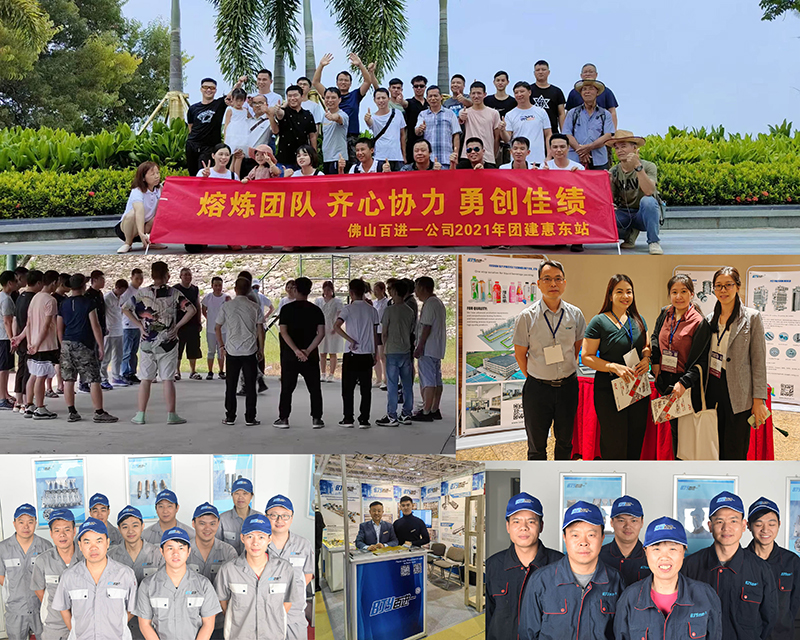
Employee Care: We prioritize employee growth, investing resources annually in training and skill enhancement. We care about employees' lives, providing accommodation and meals, giving employees far from home a sense of belonging.
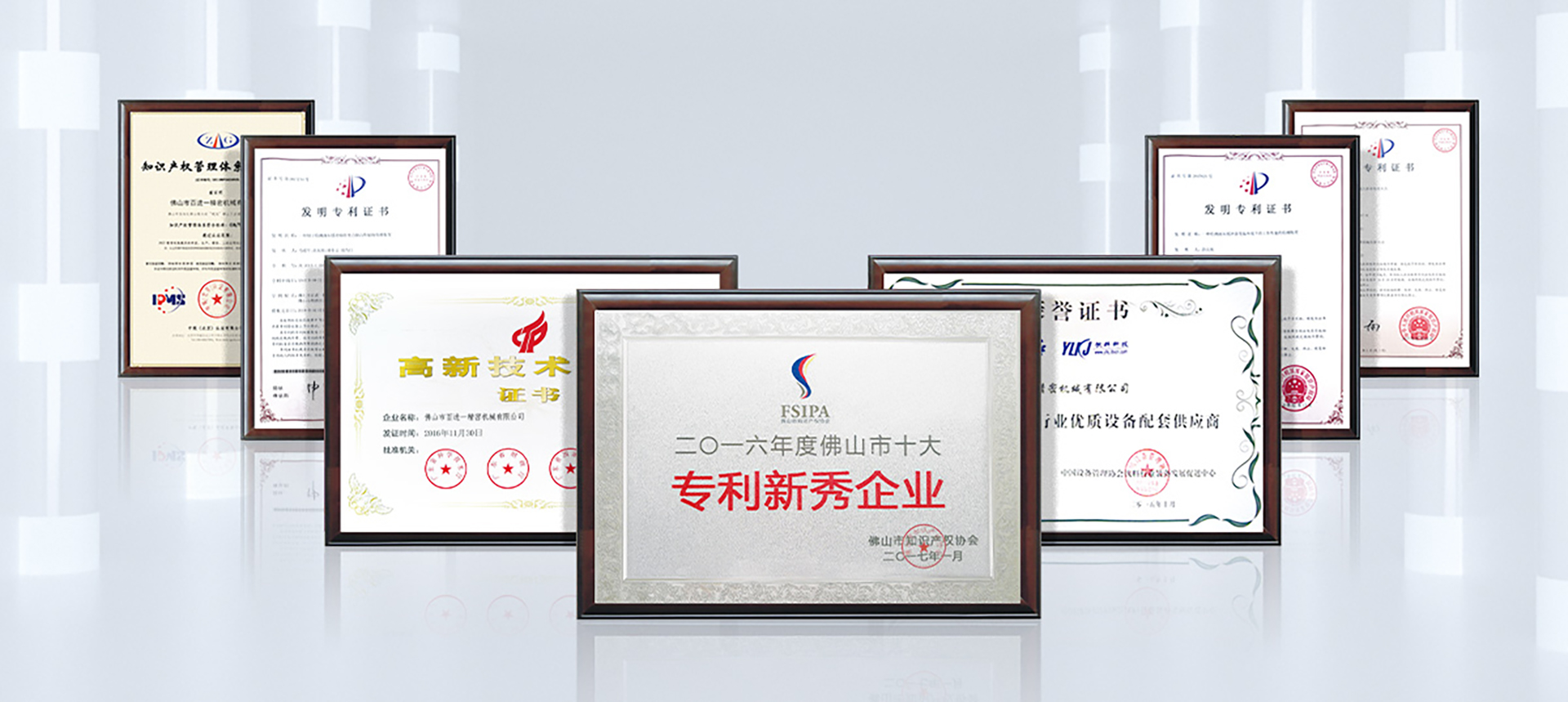
Our three core advantages in bottle mold manufacturing and machinery maintenance support
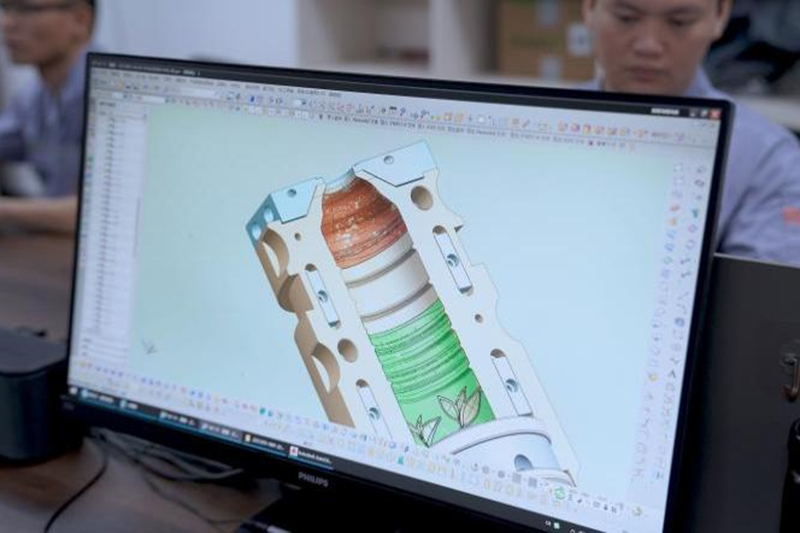
The R&D team includes electronic engineers, structural engineers, and appearance designers. We have a professional technical team with over 20 years of industry experience, capable of providing you with one-stop services — from initial bottle mold concept design through to full-scale production support and machinery maintenance consultation.
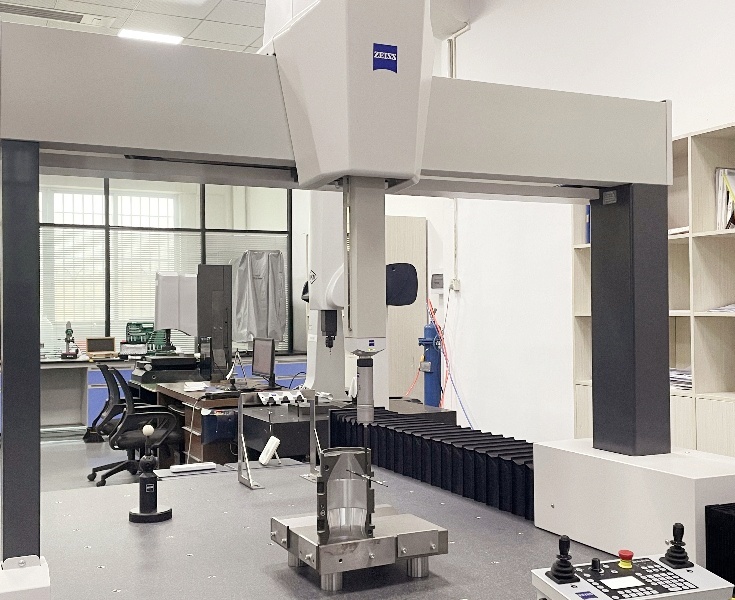
Rich experience in OEM and ODM services, including mold manufacturing and injection molding. We have complete production and testing equipment to provide you with the highest quality bottle molds — engineered to perform reliably across millions of production cycles in demanding injection and blow molding environments.
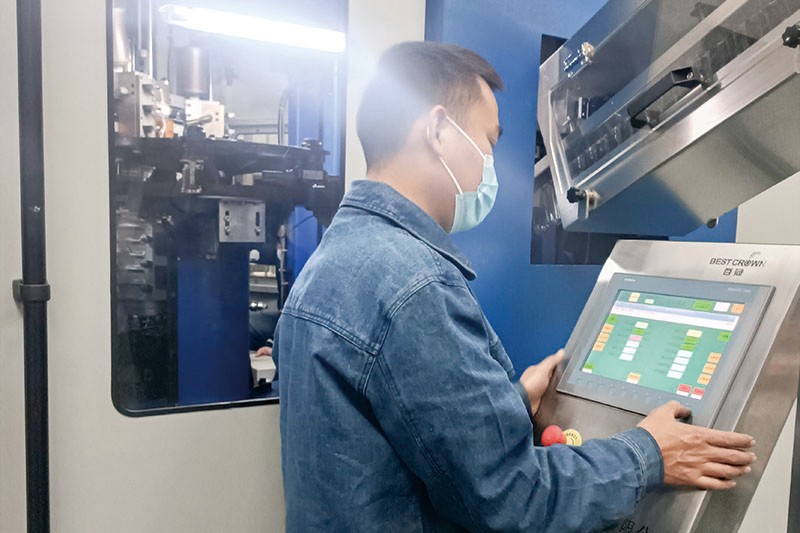
We provide technical information and technical training support on a regular basis, ensuring your team has the knowledge and resources to maintain bottle molds at peak performance. We provide you with the most reliable services and sincerely create value for customers through proactive maintenance guidance and responsive after-sales care.
Explore our full lineup of precision bottle molds, grippers, caps, and maintenance components for injection and blow molding machinery.