Chinese
-
 Email
Email -
 Whatsapp
-
 WeChat
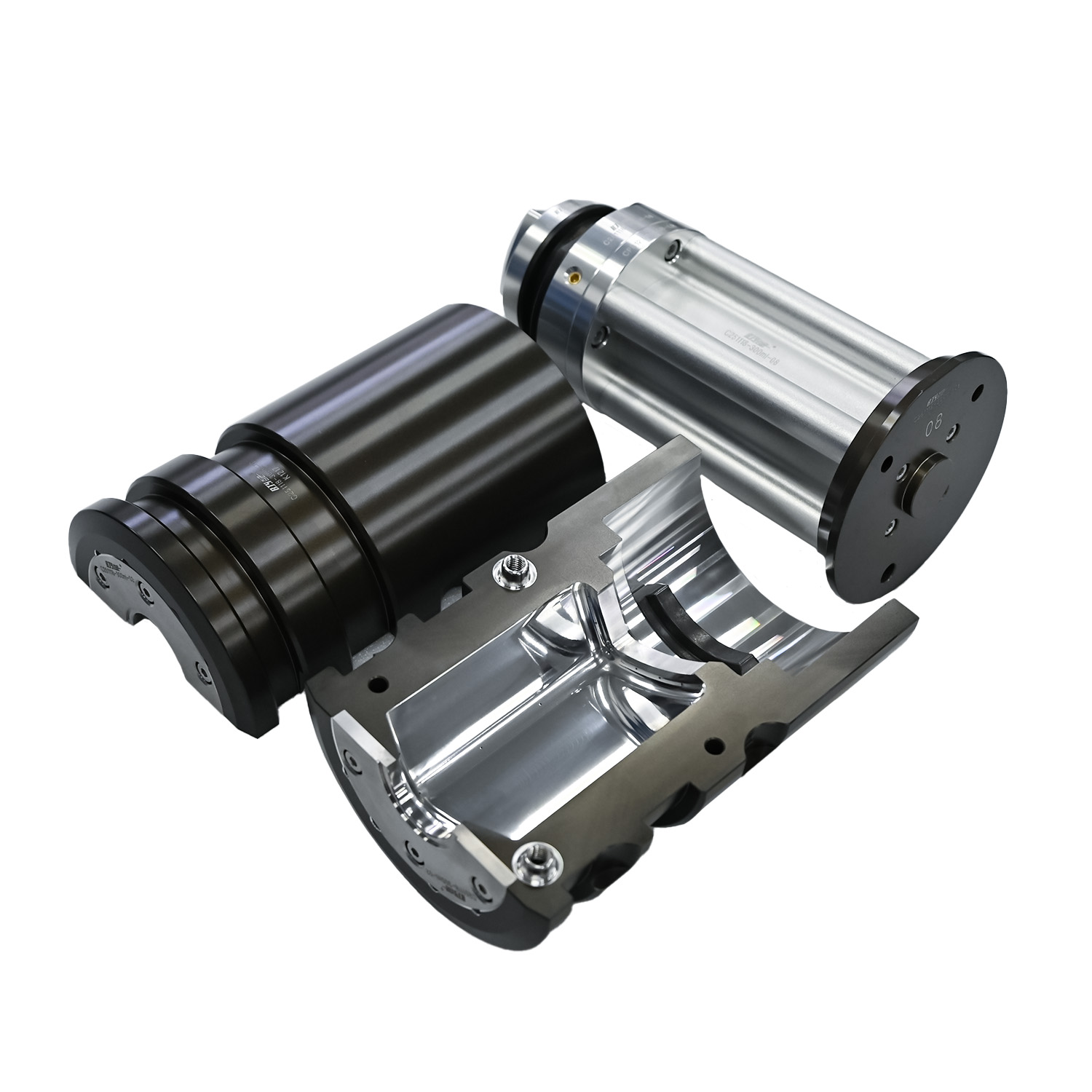
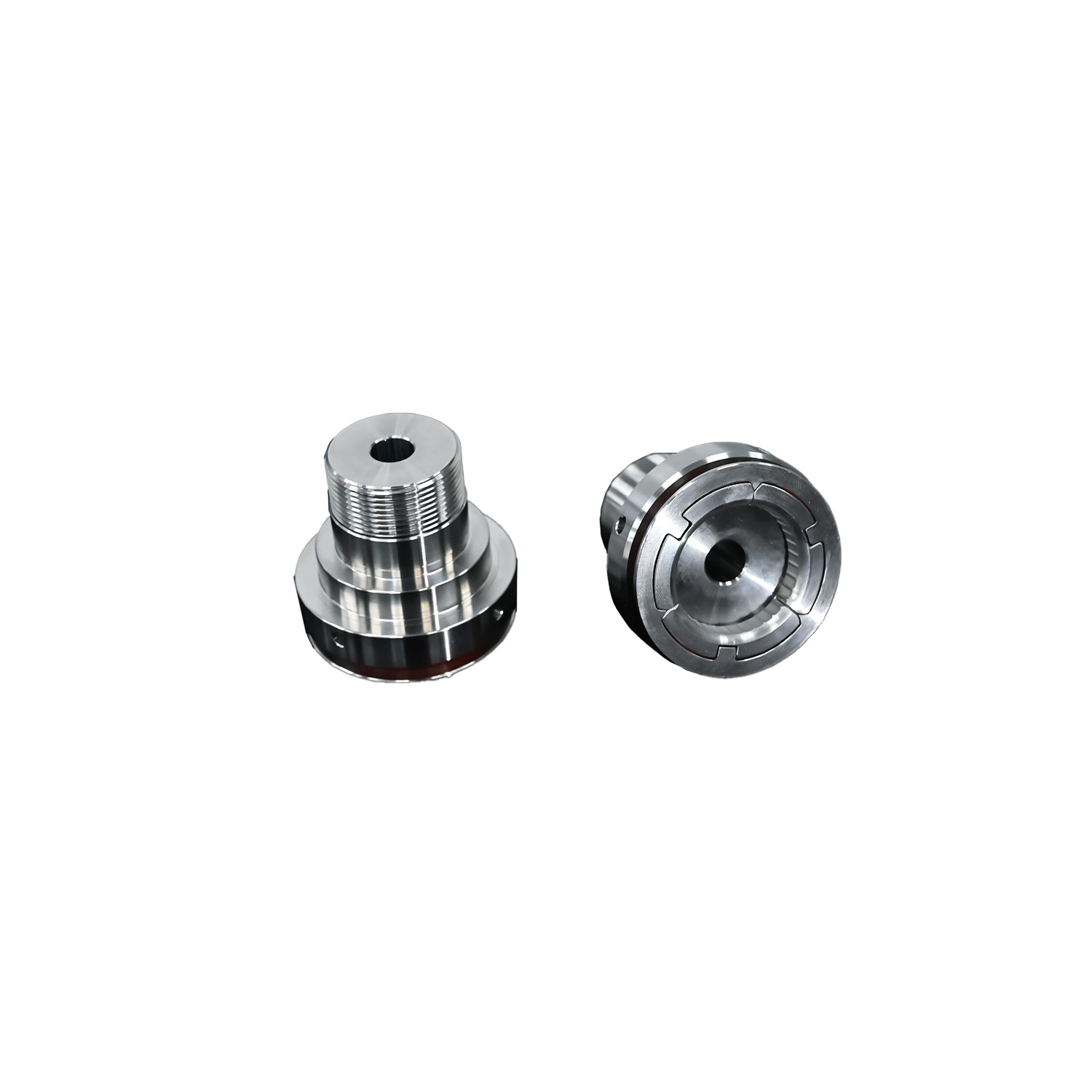
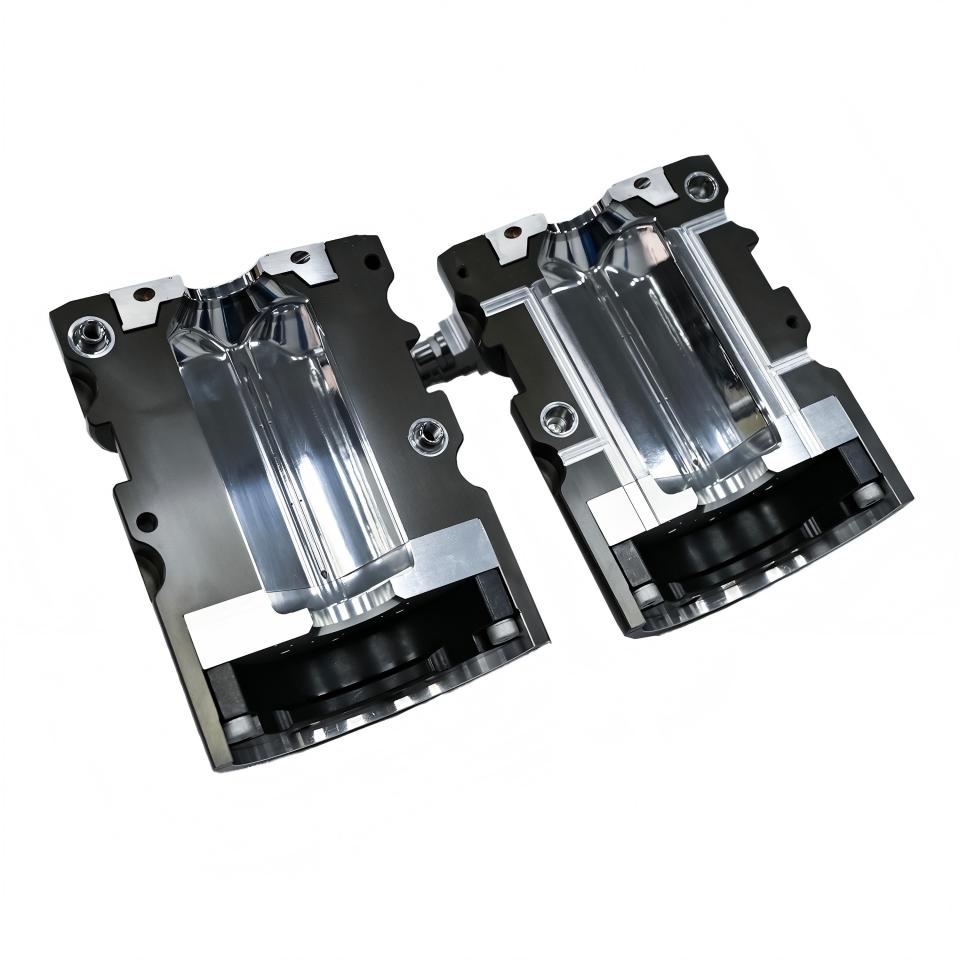
Precision-engineered cap moulds and blow moulds designed for high-speed, aseptic, and large-scale beverage bottling lines.
Understanding the market forces, technology shifts, and operational demands driving cap mould innovation.
The global beverage industry is undergoing a profound transformation. Driven by rising consumer demand, expanding middle-class populations in Asia, Africa, and Latin America, and an accelerating shift toward automated production, beverage manufacturers are investing heavily in high-performance bottling infrastructure. At the heart of this infrastructure sits one critical component: the cap mould.
Cap moulds — the precision tooling used to produce plastic closures for PET, HDPE, and other polymer bottles — are no longer simple commodity items. In today's high-speed beverage bottling automation lines, they are engineered systems that must deliver millions of cycles of consistent performance, zero contamination, and exact dimensional tolerances that satisfy both filling line compatibility and regulatory compliance.
High-speed bottling lines today routinely operate at 50,000 to 100,000 bottles per hour. At these speeds, every micron of dimensional variance in a cap mould translates directly into capping failures, line stoppages, product recalls, and revenue loss. This is why leading beverage brands — from multinational giants to regional producers — are increasingly specifying advanced cap mould solutions with documented cycle life, validated cavity balance, and full traceability.
Key performance benchmarks and market indicators shaping the cap mould sector for beverage automation.
In manual or semi-automated bottling environments, minor inconsistencies in cap dimensions can be caught and corrected by operators. But in fully automated high-speed lines — where robotic pickers, vision inspection systems, and servo-driven capping heads operate without human intervention — the cap mould becomes the single most important upstream quality control point.
Modern cap moulds are typically multi-cavity tools — producing 16, 32, 48, or even 64 caps per cycle. Ensuring cavity-to-cavity balance across all cavities is a fundamental engineering challenge. Variations in fill pressure, cooling time, or ejection force between cavities create statistical distributions in cap dimensions that can exceed the tolerance windows of automated capping torque heads, leading to under- or over-torqued closures, leakers, and tamper-evident band failures.
BJY's cap mould engineering team uses advanced mould flow simulation and precision CNC machining with in-process CMM (Coordinate Measuring Machine) verification to ensure cavity balance within ±0.01mm across all cavities — a standard that satisfies the most demanding global beverage brands.
High-speed cap moulding generates significant thermal loads. The mould must dissipate heat rapidly and uniformly to maintain cycle times while preventing warpage, sink marks, or stress cracking in the finished cap. BJY employs conformal cooling channel design — where cooling circuits follow the contour of the cavity geometry — combined with high-thermal-conductivity tool steel grades to achieve optimal thermal management even at cycle times below 2 seconds.
In beverage bottling environments, caps are typically moulded from HDPE or PP resins that contain UV stabilizers, colorants, and processing aids. Over millions of cycles, these additives can cause abrasive wear on mould surfaces, leading to dimensional drift and surface defects. BJY's cap moulds are finished with PVD (Physical Vapor Deposition) hard coatings and precision polished to Ra < 0.2μm, extending service life and maintaining dimensional integrity well beyond 5 million cycles.
Aseptic bottling — where product, bottle, and cap are all sterilized before filling in a clean-room environment — places the most stringent demands on cap mould precision. Caps for aseptic lines must achieve hermetic sealing against the bottle finish with zero tolerance for flash, sink, or weld lines that could harbor microorganisms or compromise seal integrity. BJY's blow moulds and cap moulds for aseptic applications are engineered with this zero-defect philosophy, with documented validation data available for customer qualification processes.
Carbonated beverage caps must withstand significant internal pressure — typically 6 to 8 bar for CSDs. This requires caps with precise thread geometry, consistent wall thickness, and robust tamper-evident band design. Cap moulds for CSD applications must maintain these specifications across millions of cycles without dimensional drift. BJY's CSD cap mould designs incorporate pressure-compensating thread inserts and optimized gate locations to ensure uniform fill and consistent thread geometry.
The still water segment is the highest-volume beverage category globally, with production lines often running 24/7 at maximum speed. Cap mould longevity and ease of maintenance are paramount. BJY's modular cap mould designs allow individual cavity inserts to be replaced without removing the entire mould from the machine, minimizing planned maintenance downtime and extending the operational life of the tooling investment.
Hot-fill processes — used for juices, teas, and isotonic drinks — expose caps to elevated temperatures during filling. Cap moulds for hot-fill applications must produce closures with sufficient heat deflection resistance and dimensional stability to maintain seal integrity as the product cools and the bottle contracts. BJY's engineering team works closely with resin suppliers and customers to optimize cap geometry and material specification for hot-fill compatibility.
Sustainability pressures are driving cap weight reduction across all beverage categories. Engineering a cap mould that produces a 13.5g closure instead of a 16g closure while maintaining full performance requires sophisticated mould design and process optimization — a core BJY competency.
EU Single-Use Plastics Directive mandates tethered caps on beverage containers from 2024. This is driving a global wave of cap mould retooling, with manufacturers requiring new mould designs that produce tethered closures compatible with existing filling and capping equipment.
As brands commit to recycled content targets, cap moulds must be validated for use with rHDPE and rPP resins that exhibit different rheological properties than virgin material. BJY's mould flow expertise enables reliable processing of recycled resins without compromising dimensional quality.
Smart manufacturing platforms are embedding sensors directly into cap moulds to monitor cavity pressure, temperature, and cycle count in real time. This data feeds predictive maintenance algorithms that schedule mould servicing before quality drift occurs — maximizing uptime on high-speed lines.
Beverage producers managing multiple SKUs on shared lines demand faster mould changeovers. Quick-change cap mould systems with standardized mould bases and interchangeable cavity sets reduce changeover time from hours to minutes, improving line flexibility and asset utilization.
Cap moulds for export markets must produce closures compliant with FDA, EU 10/2011, GB standards, and brand owner specifications. BJY's quality management system supports full documentation and traceability to satisfy global compliance requirements for cap mould customers worldwide.
Keep improving, for better products!
We strive for excellence and create more value and services for our customers.
We are rigorous and meticulous, devoted and selfless, full of vitality, and brave in innovation.
We aspire to be a trusted strategic partner for every client we serve globally.
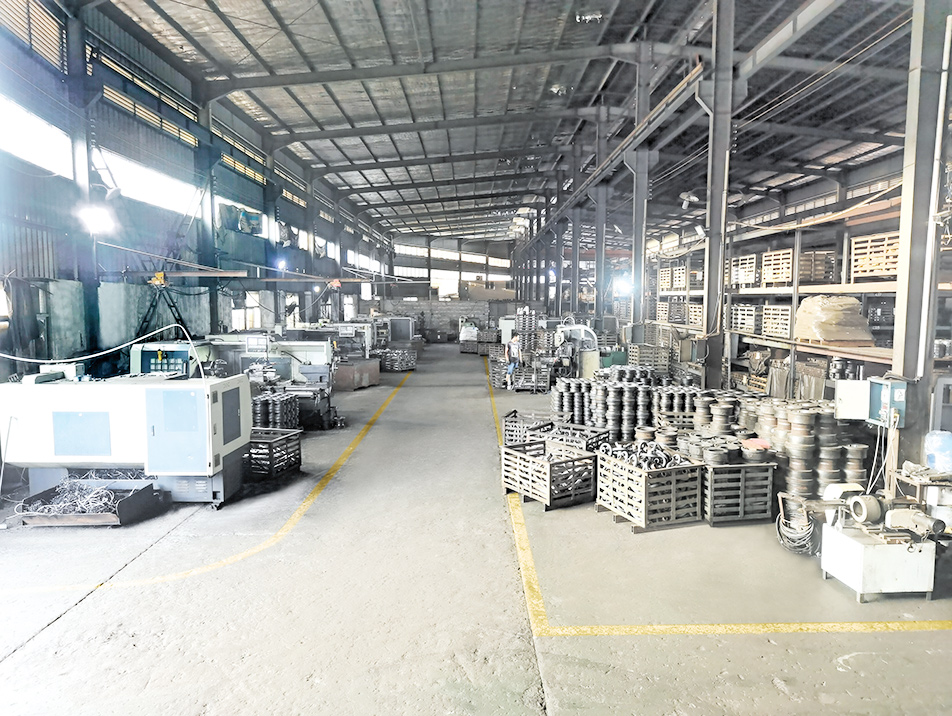
We have advanced production equipment and comprehensive testing facilities, and have established mature production and testing processes to provide high-quality products.
Innovative Spirit: We dare to experiment and are committed to innovation in every cap mould and blow mould we engineer.
Integrity First: Integrity is the cornerstone of our values — in every quote, every delivery, and every after-sales interaction.
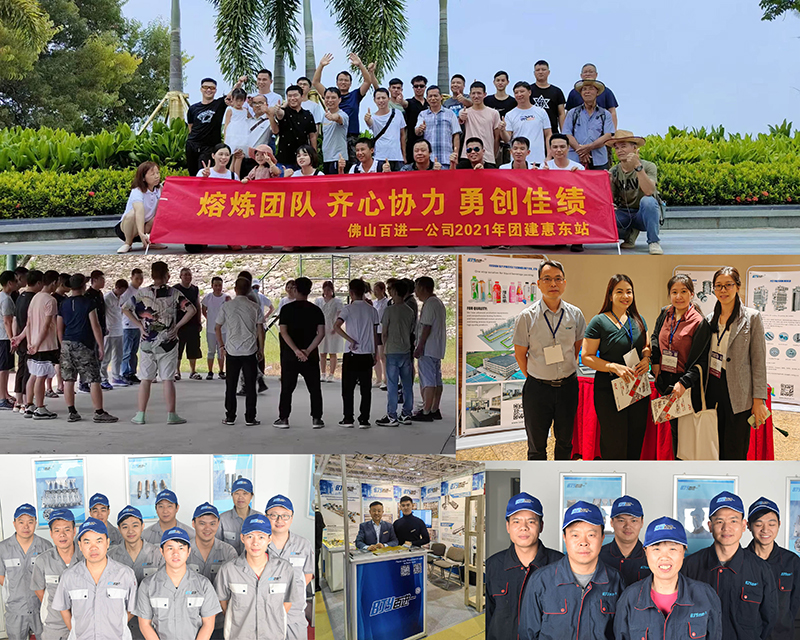
Employee Care: We prioritize employee growth, investing resources annually in training and skill enhancement. We care about employees' lives, providing accommodation and meals, giving employees far from home a sense of belonging.
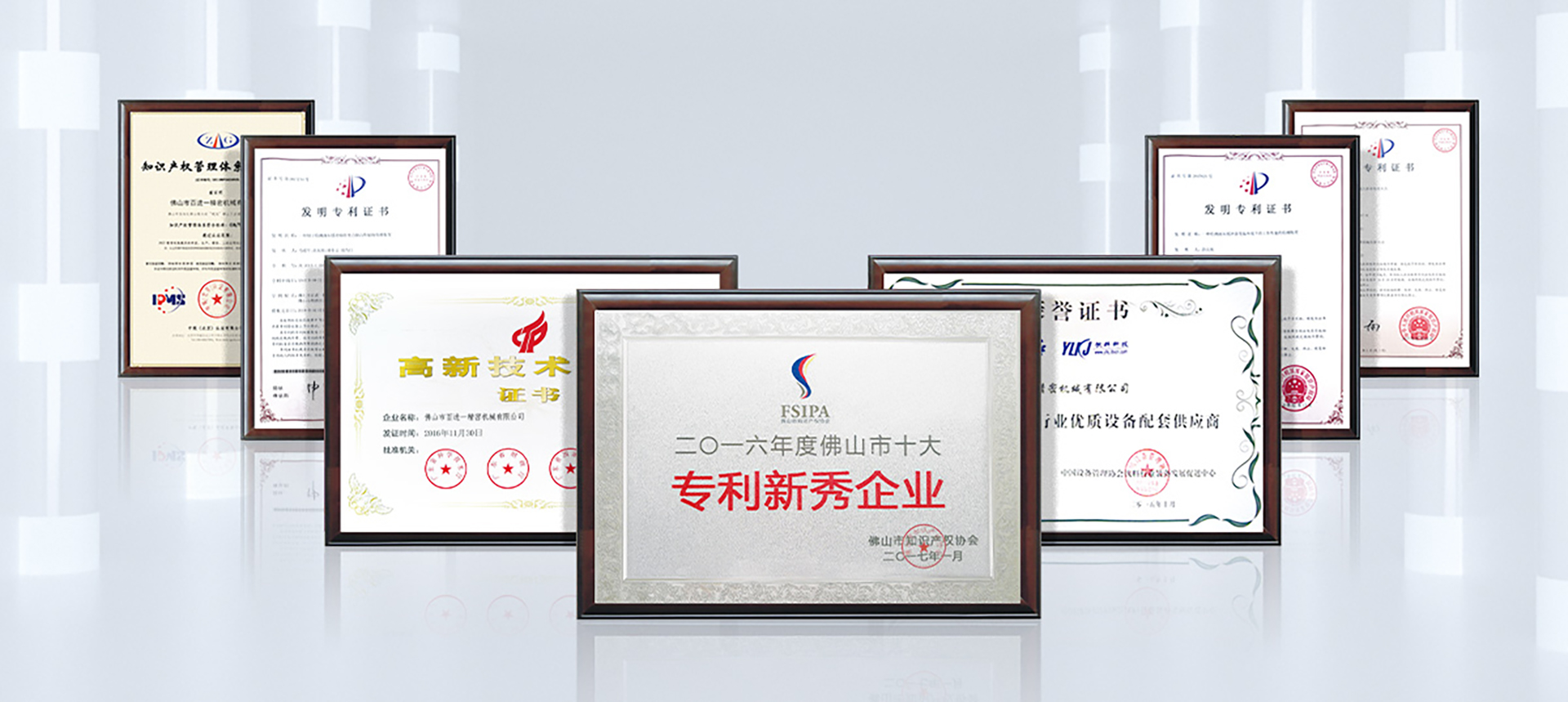
Our cap mould manufacturing capabilities are backed by internationally recognized quality certifications.
Our three core advantages — built over 20 years of precision cap mould engineering for global beverage automation lines.
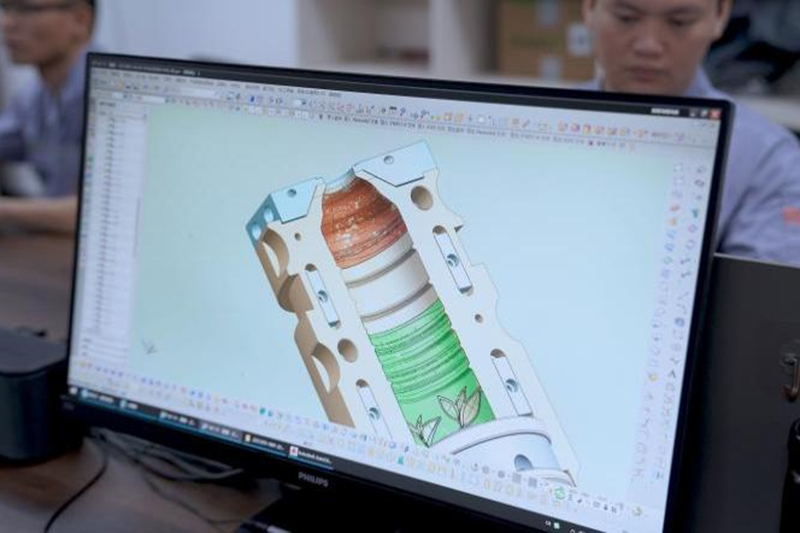
The R&D team includes electronic engineers, structural engineers and appearance designers. We have a professional technical team with over 20 years of industry experience, capable of providing you with one-stop services for cap mould design, prototyping, validation, and production.
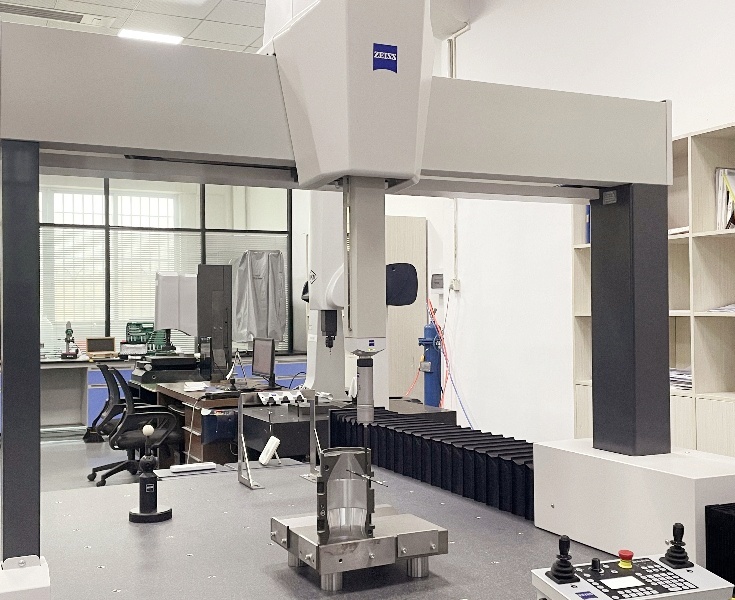
Rich experience in OEM and ODM services (including mold manufacturing, injection molding). We have complete production and testing equipment to provide you with high quality cap moulds that meet the demands of high-speed beverage bottling automation lines worldwide.
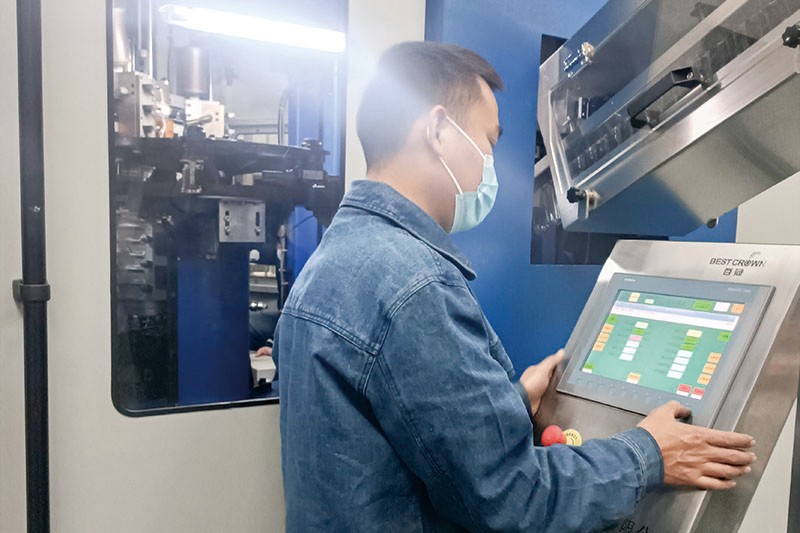
Provide technical information and technical training support on a regular basis. We provide you with the most reliable services and sincerely create value for customers — from initial cap mould specification through to full production ramp-up and ongoing maintenance programs.
Explore our complete range of precision-engineered cap moulds, blow moulds, and closures for high-speed beverage bottling automation.