Chinese
-
 Email
Email -
 Whatsapp
-
 WeChat
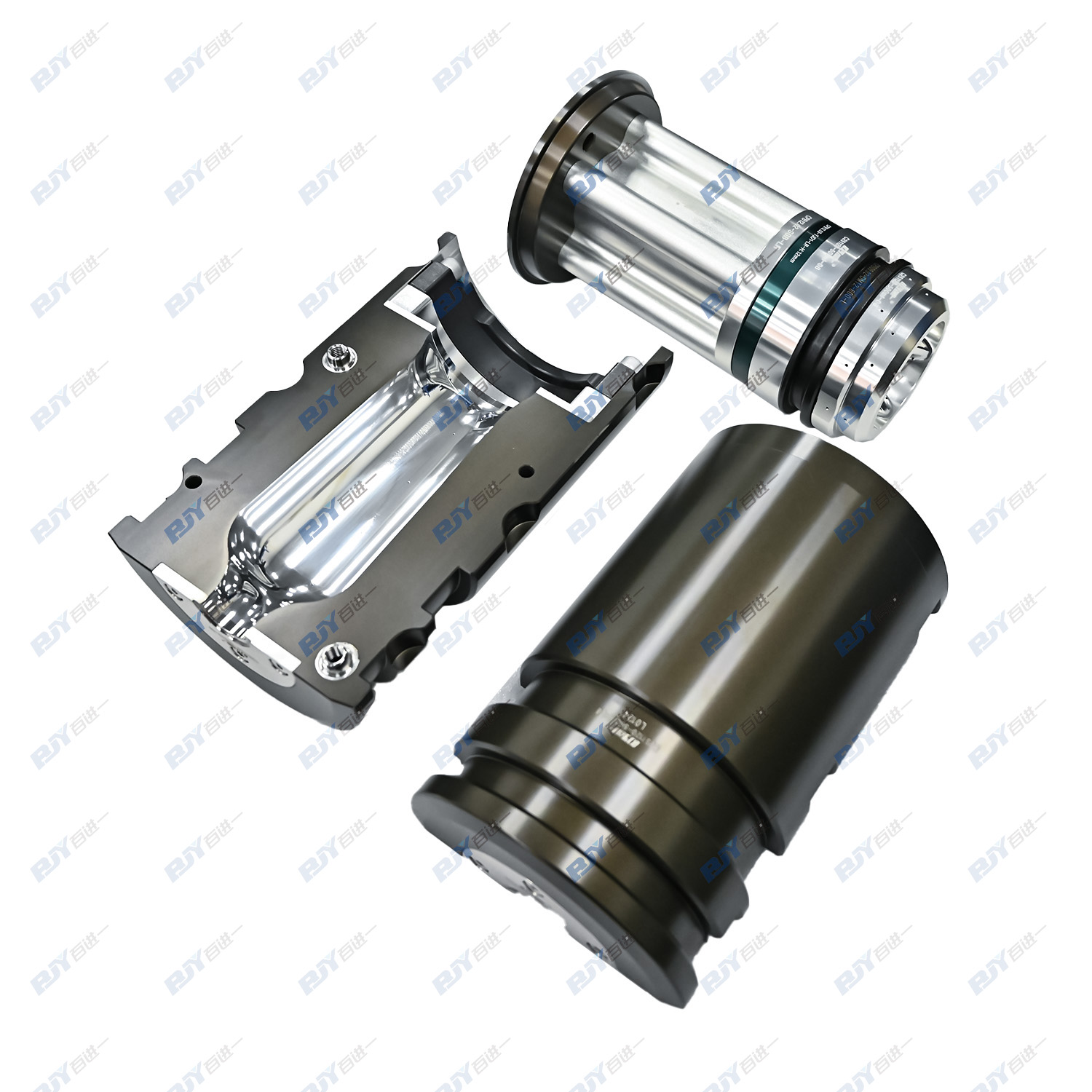
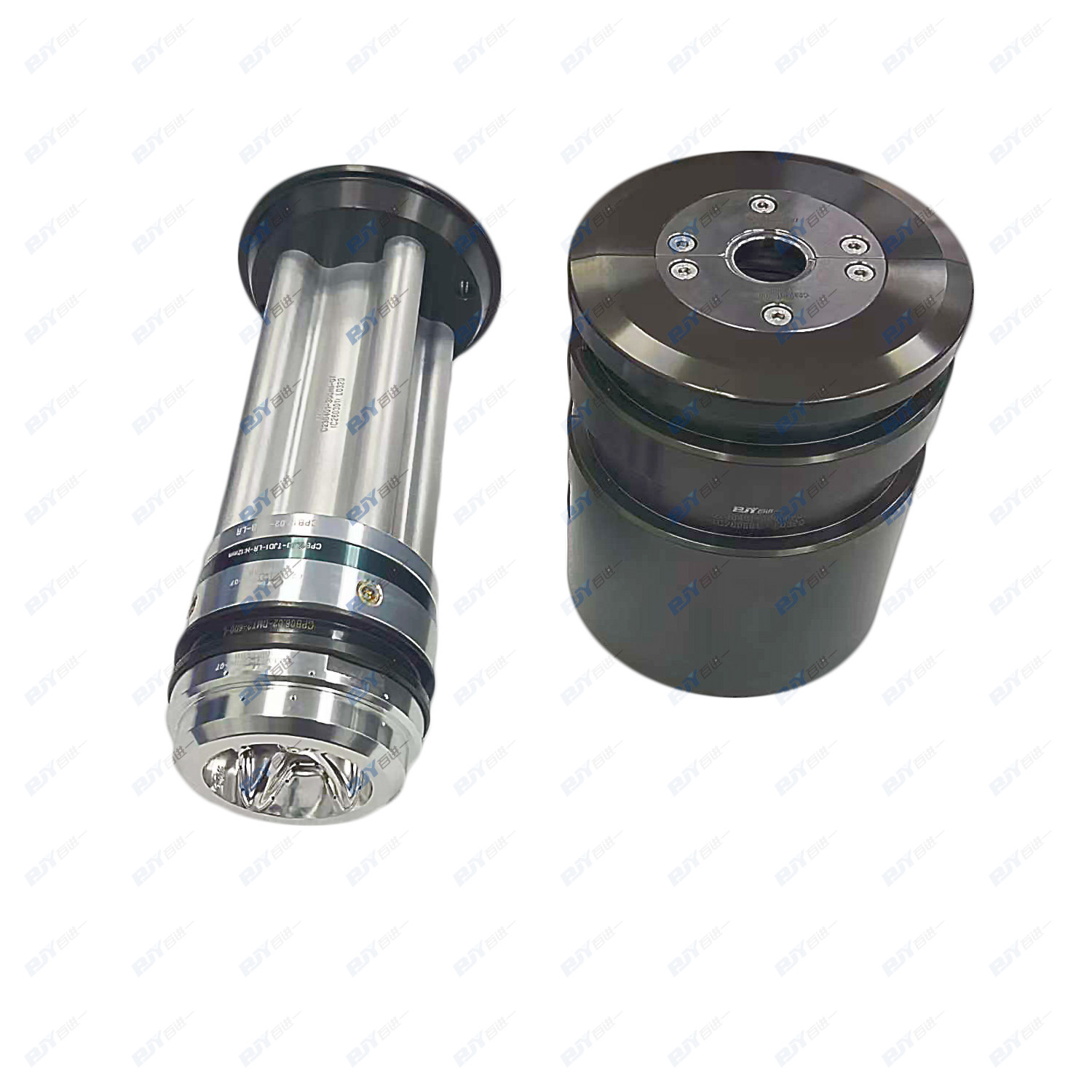
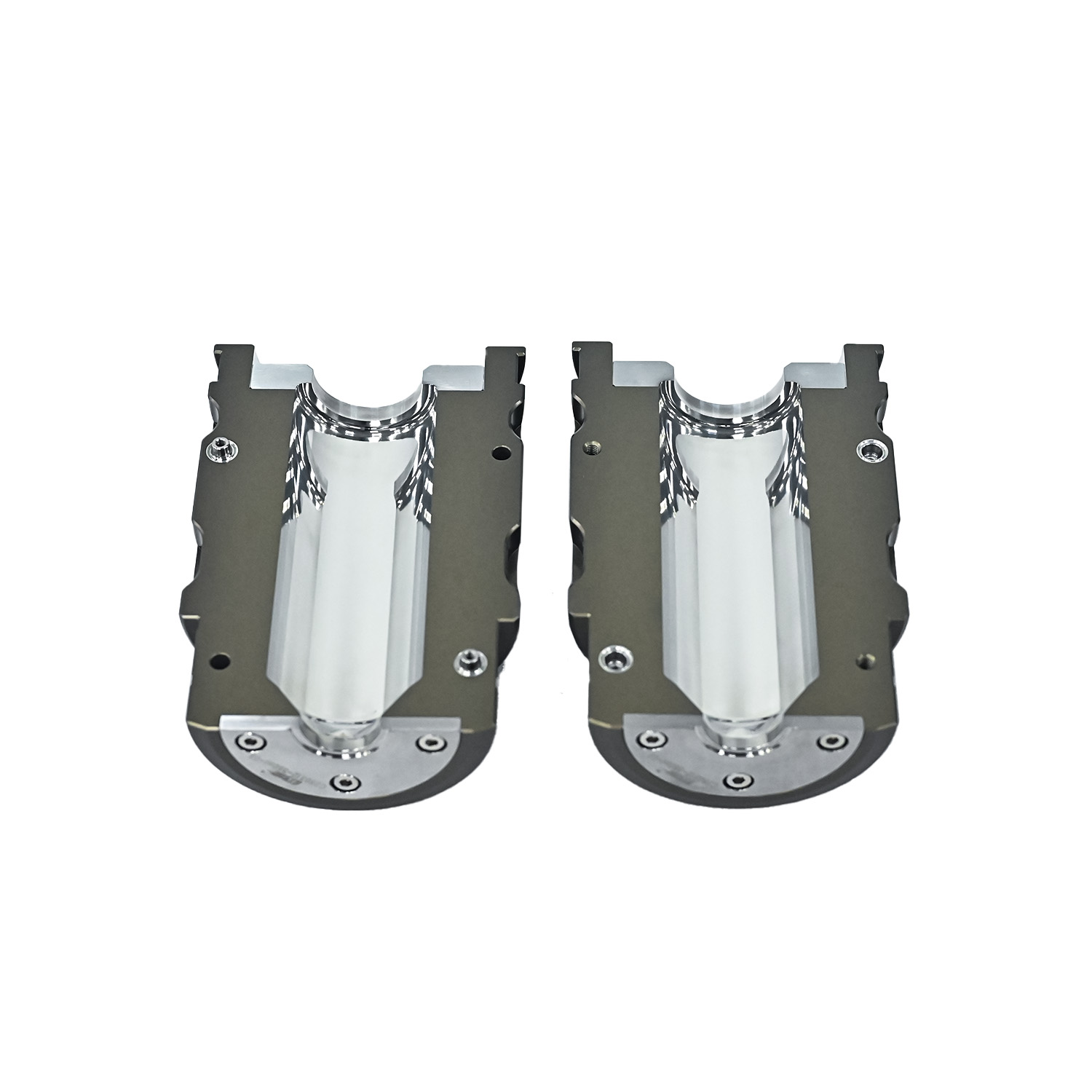
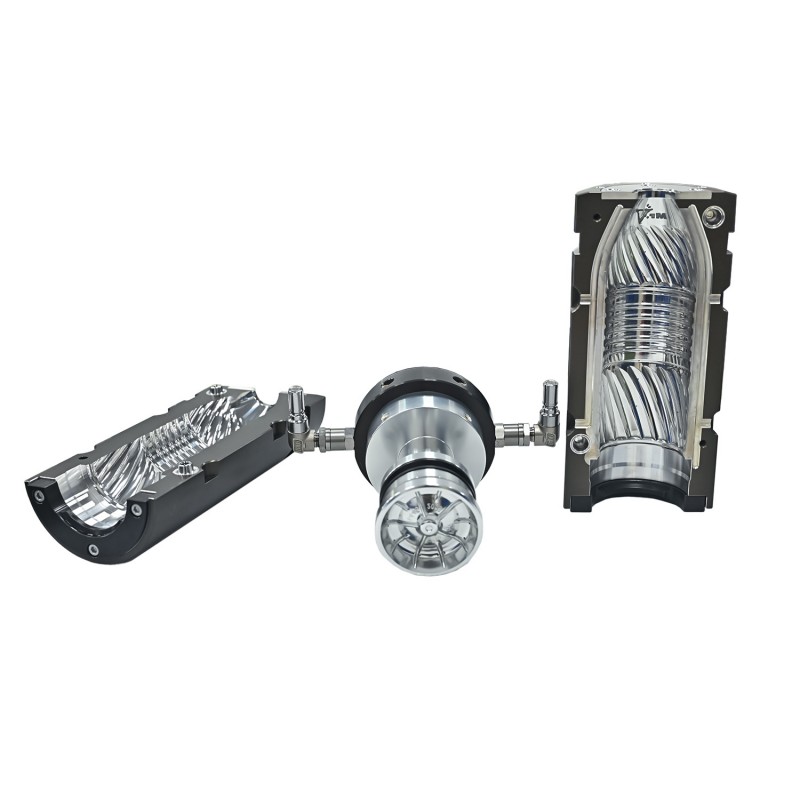
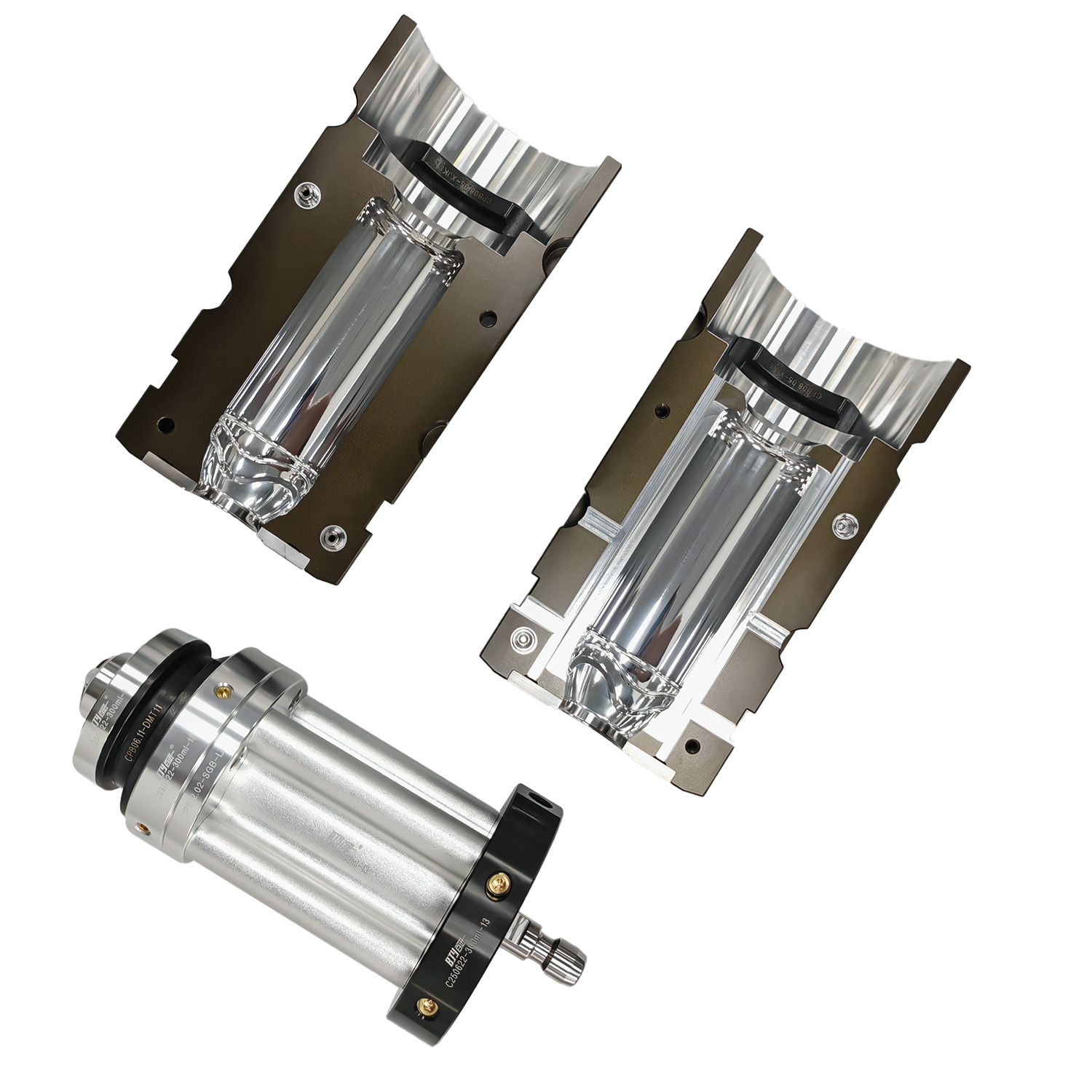
Core mould products engineered for carbonated soft drink mega-factory production lines
Why precision CSD bottle moulds are the single most critical asset on a high-volume carbonated beverage line
The global carbonated soft drink (CSD) market continues to expand at a compound annual growth rate exceeding 4%, driven by rising consumer demand across Asia-Pacific, Latin America, and the Middle East. Behind every can of cola, every sparkling water, and every energy drink that reaches a consumer's hand is an invisible but indispensable piece of precision engineering: the CSD bottle mould. In mega-factory environments — facilities producing upwards of 50,000 bottles per hour — the quality, durability, and dimensional accuracy of the blow mould directly determines line efficiency, product consistency, and ultimately, profitability.
A single high-speed rotary blow moulding machine in a CSD mega-factory can cycle through 1,500–2,000 bottles per cavity per hour. With 20–32 cavities per machine, even a 0.05 mm dimensional deviation in the mould can cascade into thousands of rejected bottles per shift — making mould precision a direct financial variable.
CSD bottles face a unique set of engineering challenges that distinguish them from standard water or juice containers. Carbonated beverages generate internal pressures of 3–6 bar at ambient temperature, and significantly higher pressures during filling and pasteurisation. The bottle must maintain structural integrity under these conditions while remaining lightweight enough to minimise material costs and carbon footprint. This pressure-performance balance is engineered into the mould itself — through precise cavity geometry, optimised base petal design, and controlled wall-thickness distribution.
Modern CSD bottle moulds are predominantly manufactured from aerospace-grade aluminium alloys (7075-T6 or 2024-T351) or premium tool steels (P20, H13), depending on production volume targets and budget. Aluminium moulds offer superior thermal conductivity — critical for reducing cycle times on high-speed lines — while steel moulds deliver extended service life exceeding 3 million cycles, making them the preferred choice for mega-factory environments where mould changeovers represent significant downtime costs.
Hard anodising of aluminium cavity surfaces has become the industry standard for CSD moulds, providing a surface hardness of 60–70 HRC equivalent, excellent corrosion resistance against condensation and cleaning agents, and a low-friction surface that facilitates clean bottle release without the need for mould release agents that could contaminate the product.
In a mega-factory context, the difference between a 2.2-second and a 2.8-second blow cycle translates to millions of additional bottles per year from the same capital equipment. Conformal cooling channel design — where cooling passages follow the contour of the bottle cavity rather than running in straight lines — has emerged as the most impactful engineering advancement in CSD mould technology over the past decade. By maintaining uniform cavity surface temperatures within ±1°C, conformal cooling eliminates hot spots that cause stress whitening, reduces cycle times by 15–25%, and extends mould service life by reducing thermal fatigue.
Six forces driving the next generation of carbonated beverage packaging tooling
As CSD brands commit to 50%+ recycled PET content by 2030, moulds must accommodate rPET's higher viscosity and processing variability. New cavity surface treatments and adjusted stretch-blow ratios are being engineered specifically for rPET CSD applications.
Generative design algorithms and finite element analysis (FEA) simulation are now standard in leading mould manufacturers' workflows, enabling topology-optimised cooling channels and wall-thickness profiles that would be impossible to derive manually.
Next-generation rotary blow moulders from Sidel, Krones, and KHS are targeting 2,500+ bph per cavity. Moulds for these platforms require sub-1.8-second cycle capability, demanding new aluminium alloys and precision-machined cooling architectures.
The growing market for hot-fill carbonated beverages — including certain energy drinks and functional sodas — requires heat-set moulds capable of operating at 120–140°C cavity temperatures, a fundamentally different engineering challenge from standard CSD tooling.
Brand owners are targeting 10–15% further reductions in bottle weight over the next five years. This requires moulds with tighter tolerances and more sophisticated preform-to-bottle stretch ratios to maintain structural performance at lower gram weights.
Leading mega-factories are deploying digital twin models of their mould sets, enabling predictive maintenance scheduling, virtual process optimisation, and remote diagnostics — reducing unplanned downtime by up to 40% on critical CSD lines.
Where precision CSD bottle moulds deliver the greatest operational and commercial impact
The classic CSD application — 300ml to 2L bottles running at maximum line speed. Mould sets for cola lines must deliver absolute consistency in base petal geometry to maintain CO₂ retention and prevent base failure under carbonation pressure. BJY's CSD moulds are validated for 6-bar internal pressure performance across all standard cola bottle formats.
Energy drinks typically run in 250ml and 500ml slim formats with distinctive brand geometry. These bottles require moulds with complex side-wall panel designs and precise neck-finish tolerances to interface with specialised closure systems. High-pressure carbonation levels (up to 6.5 bar) demand exceptional base integrity engineering.
The premium sparkling water segment demands aesthetically sophisticated bottle geometries — faceted panels, embossed branding, and complex shoulder profiles — while maintaining the structural performance required for carbonated products. BJY's precision CNC machining capability enables these complex aesthetic geometries without compromising cavity dimensional accuracy.
Contract bottlers serving multiple CSD brands require rapid mould changeover capability and flexible cavity configurations. Modular mould designs with interchangeable label panels and base inserts allow a single mould body to serve multiple SKUs, dramatically reducing tooling investment for contract operations.
Large-scale CSD production hubs in Southeast Asia, India, and Eastern Europe supply regional markets with diverse bottle format requirements. These facilities require mould sets validated across multiple international neck-finish standards (PCO 1881, PCO 1810, 29/25) and capable of running on multiple blow moulder platforms from different OEMs.
Aseptic CSD filling — where bottles are filled in a sterile environment without preservatives — requires moulds engineered for compatibility with hydrogen peroxide sterilisation processes. Cavity surface finishes must resist chemical attack while maintaining the dimensional stability required for aseptic neck-finish sealing performance.
Keep improving, for better products!
We strive for excellence and create more value and services for our customers — building mould solutions that are ready for the next generation of CSD production technology.
We are rigorous and meticulous, devoted and selfless, full of vitality, and brave in innovation — applying these principles to every CSD bottle mould we engineer and manufacture.
We aspire to be a trusted strategic partner — not just a mould supplier — working alongside mega-factory operators to optimise their entire bottling line performance.
We have advanced production equipment and comprehensive testing facilities, and have established mature production and testing processes to provide high-quality CSD bottle moulds that perform reliably at mega-factory scale.
Innovative Spirit: We dare to experiment and are committed to innovation — from AI-assisted mould flow simulation to conformal cooling channel design for CSD mega-factory applications.
Integrity First: Integrity is the cornerstone of our values. Every dimensional specification we commit to is backed by CMM verification reports and full traceability documentation.
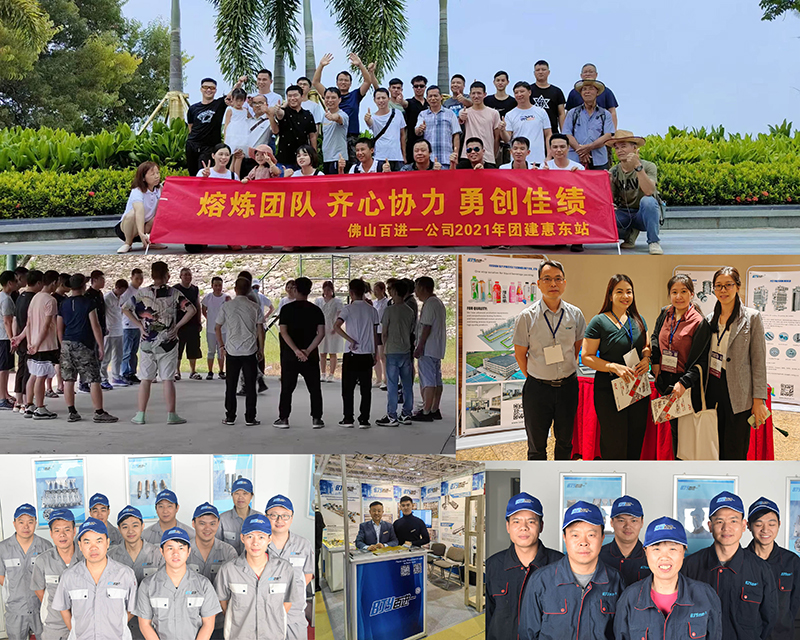
Employee Care: We prioritize employee growth, investing resources annually in training and skill enhancement. We care about employees' lives, providing accommodation and meals, giving employees far from home a sense of belonging.
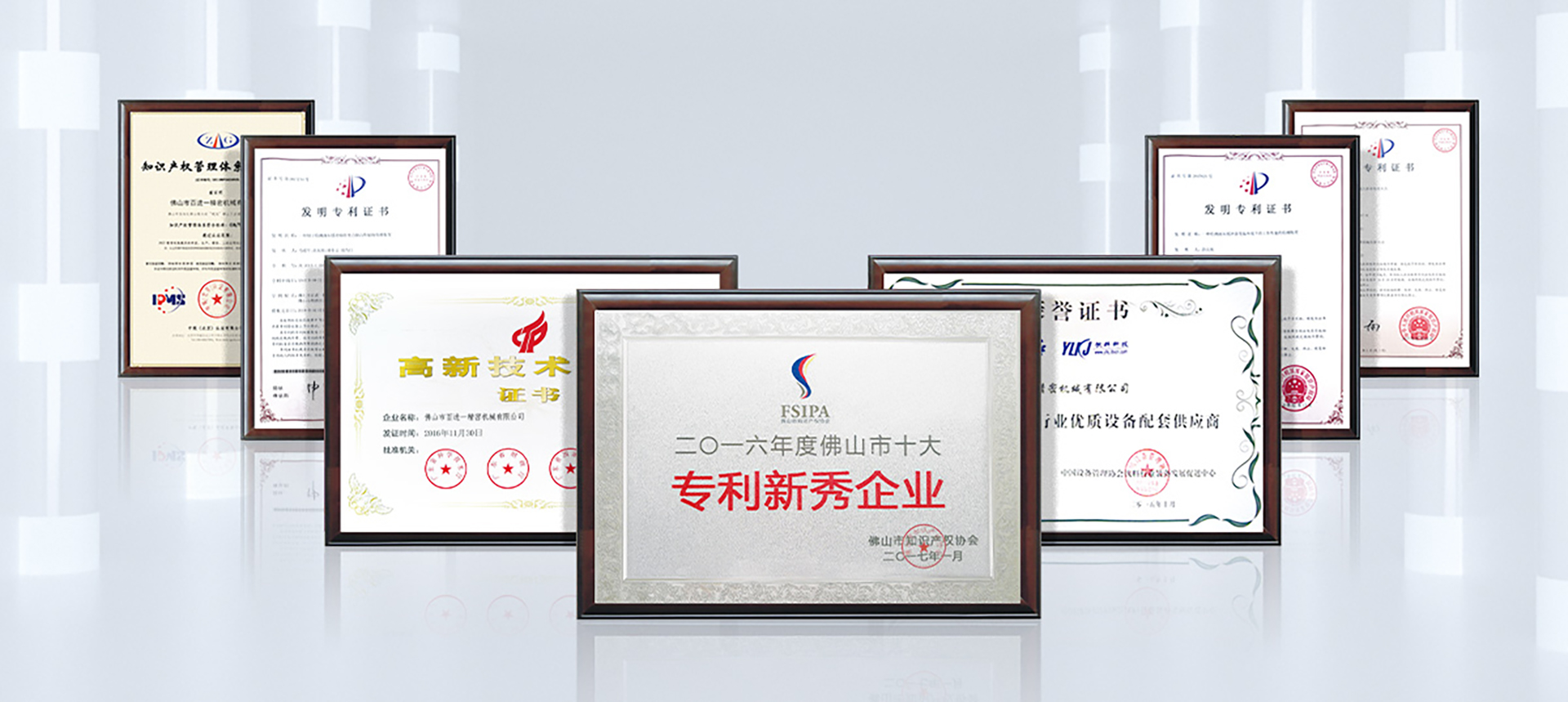
Internationally recognised quality certifications underpinning every CSD bottle mould we produce
Our three core advantages for CSD mega-factory mould supply
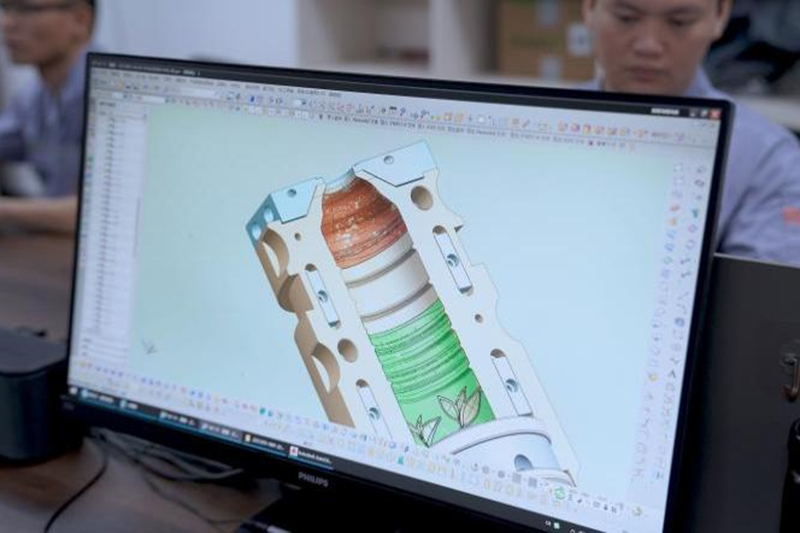
The R&D team includes electronic engineers, structural engineers and appearance designers. We have a professional technical team with over 20 years of industry experience, capable of providing you with one-stop services — from CSD bottle concept design and mould flow simulation through to production validation and on-site commissioning support at your mega-factory.
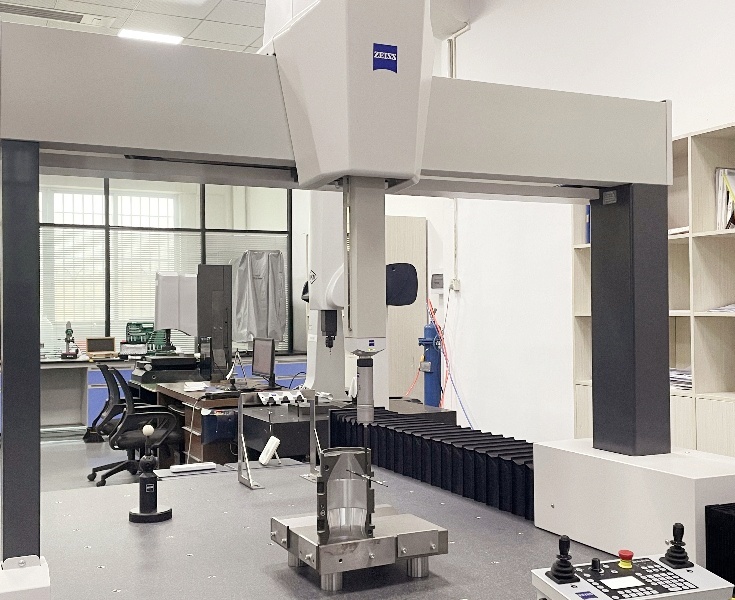
Rich experience in OEM and ODM services (including mould manufacturing, injection moulding). We have complete production and testing equipment to provide you with high quality. Our CSD bottle mould portfolio spans 200ml to 2L formats, covering all major carbonated beverage categories and compatible with Sidel, Krones, KHS, SMF, and SIPA blow moulding platforms.
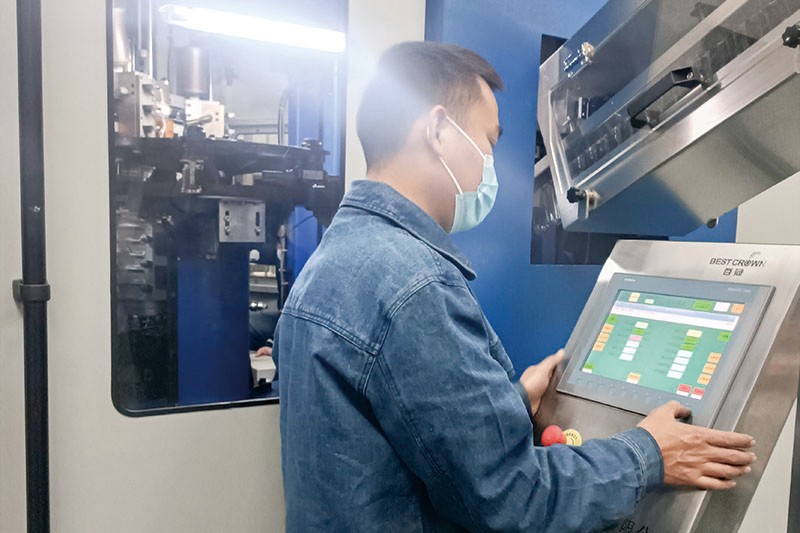
Provide technical information and technical training support on a regular basis. We provide you with the most reliable services and sincerely create value for customers — including remote process optimisation support, spare parts supply, and on-site mould maintenance training for your mega-factory technical team.
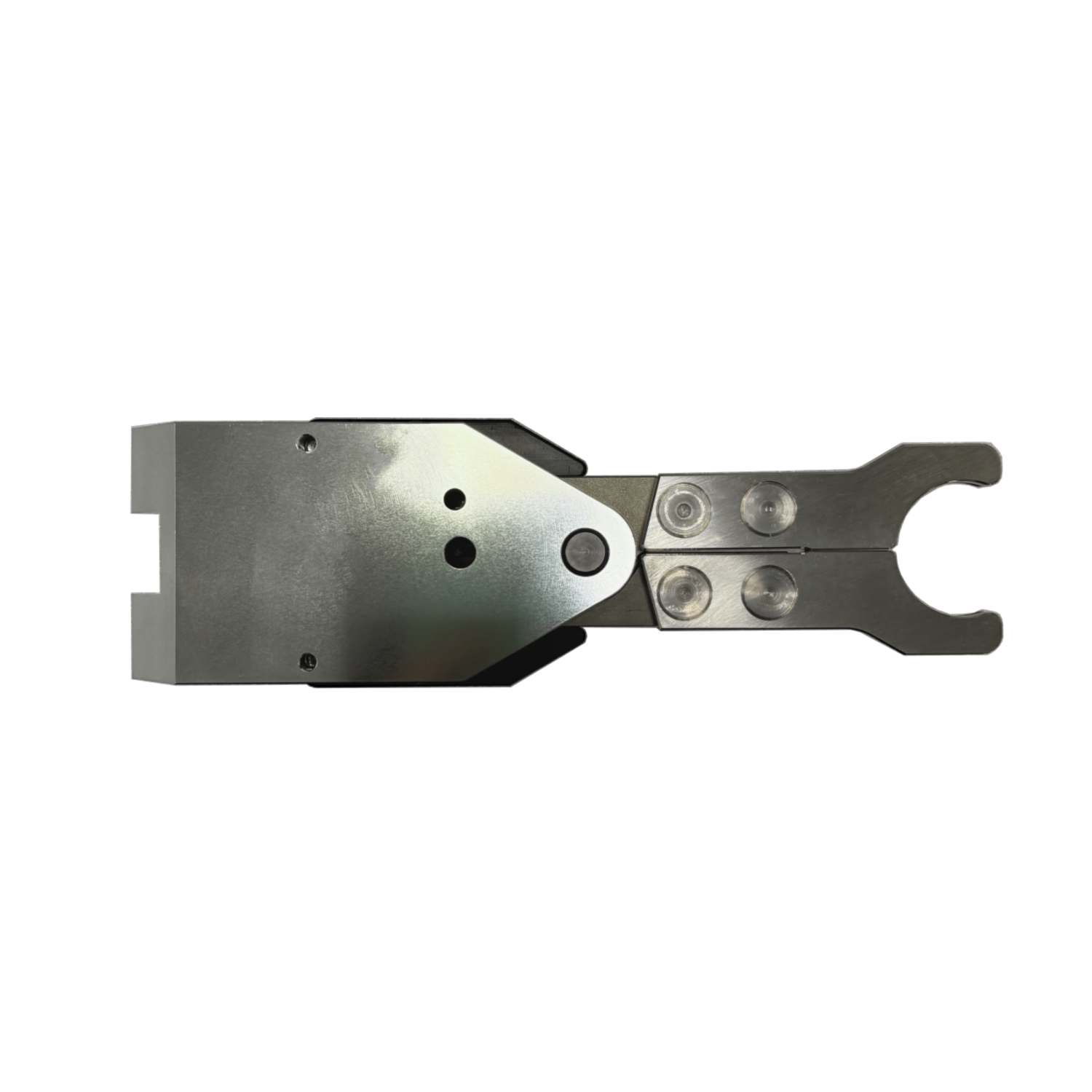
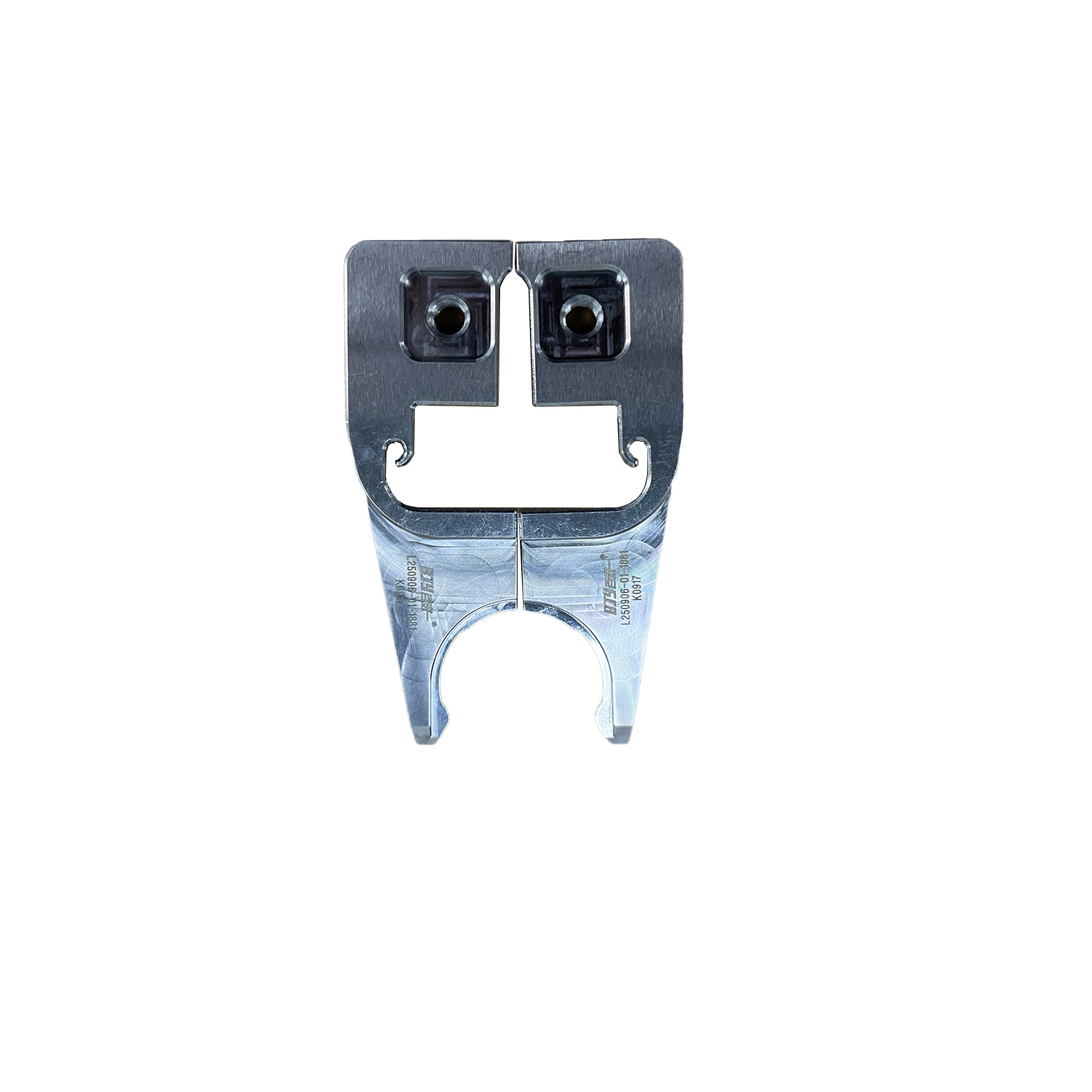
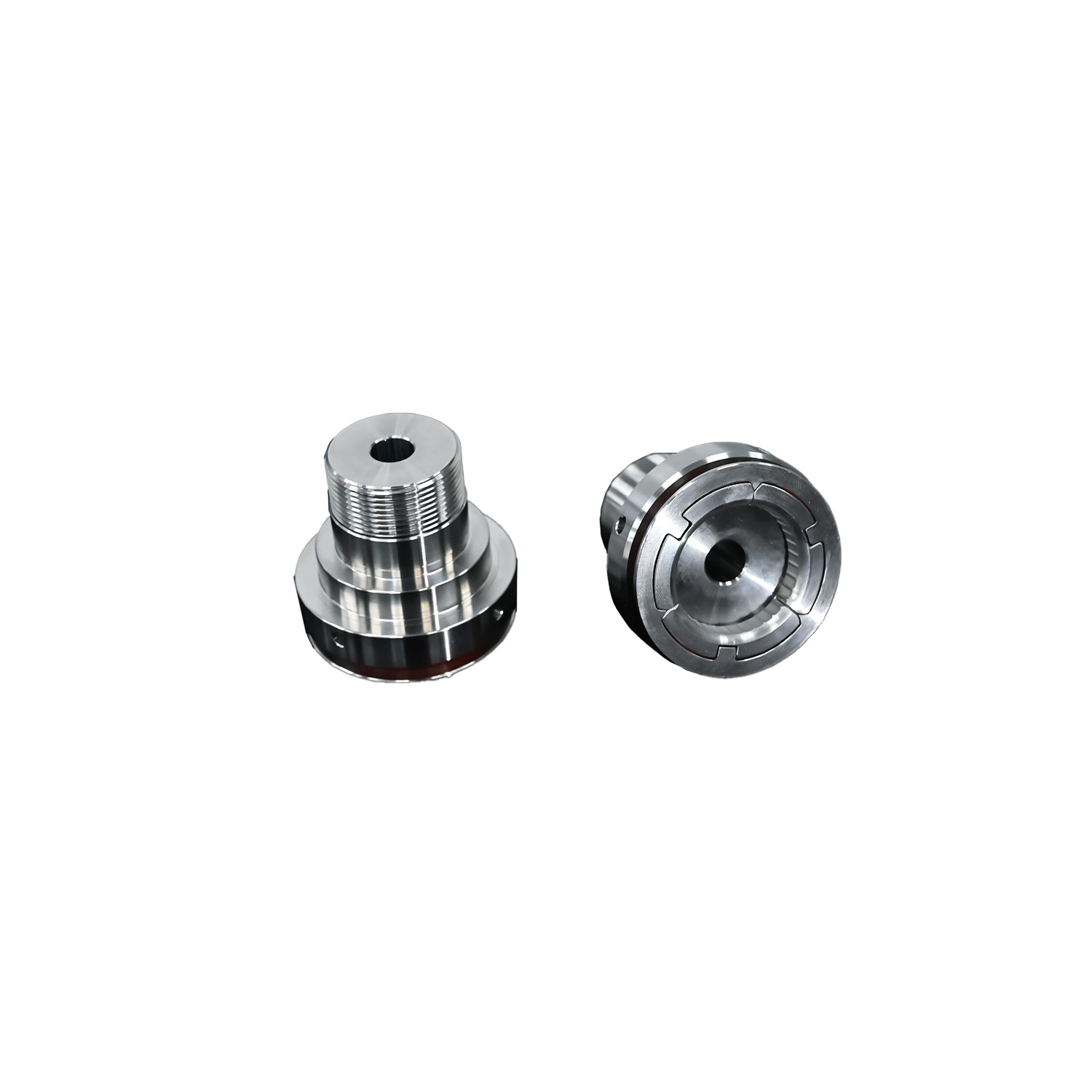
Full tooling ecosystem for carbonated soft drink mega-factory production — from blow moulds to closures and handling components