Chinese
-
 Email
Email -
 Whatsapp
-
 WeChat
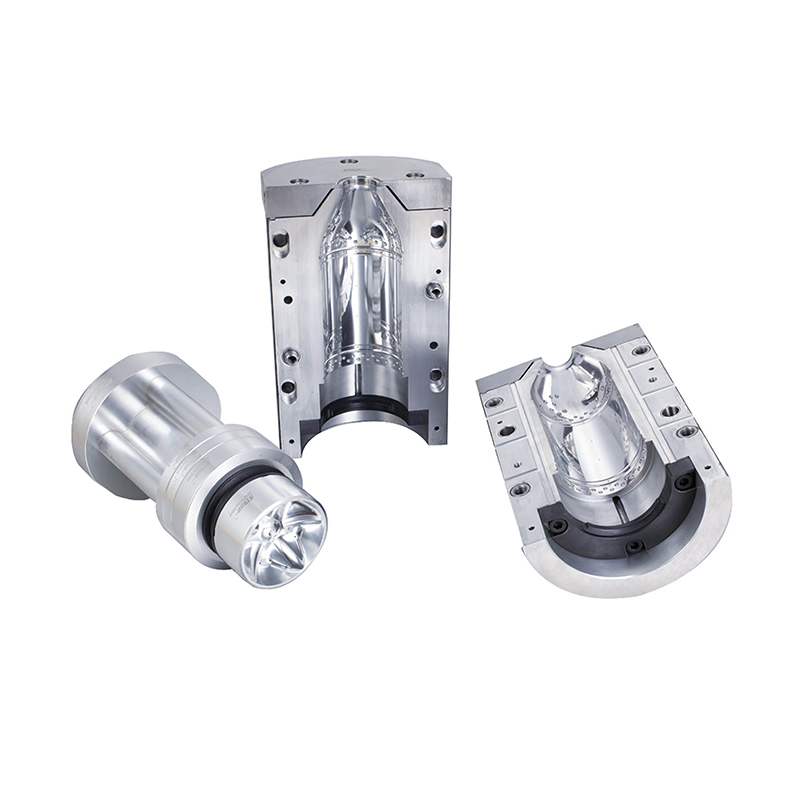
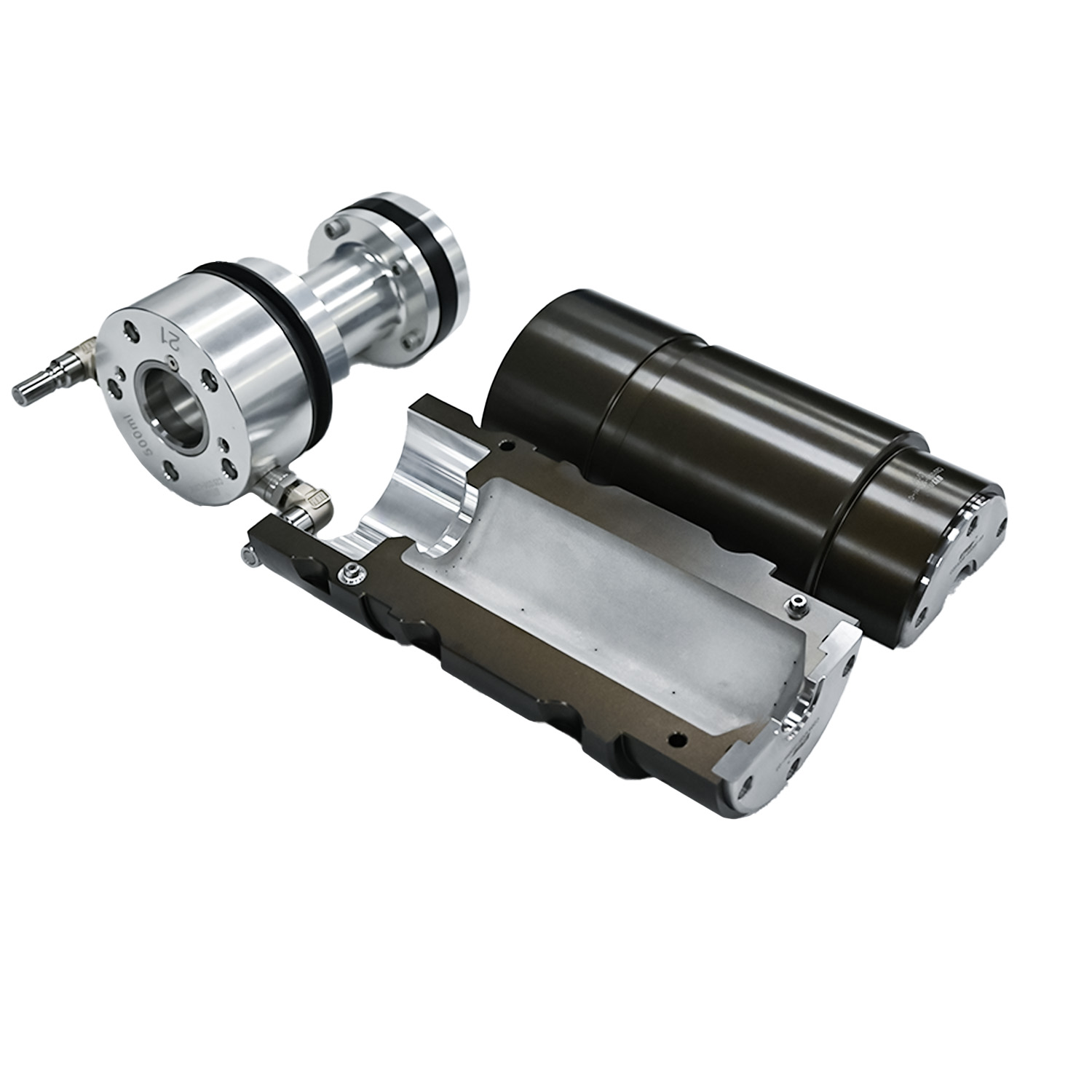
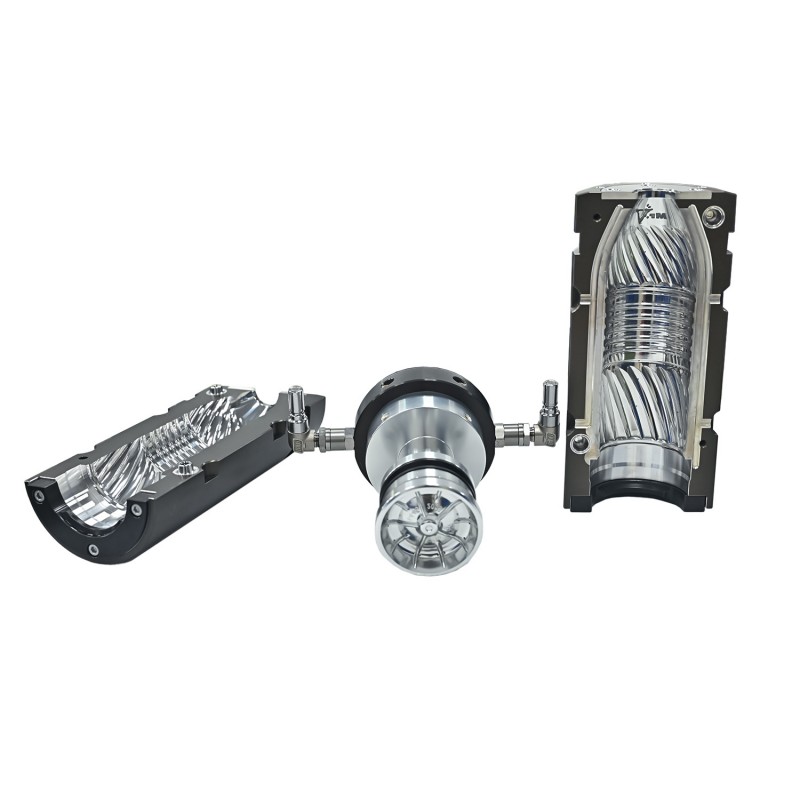
From precision preform cores to blow mould shells, every component is engineered to meet the exacting tolerances demanded by high-speed multinational bottling lines.
The global bottled water market surpassed USD 283 billion in 2023 and is projected to exceed USD 500 billion by 2032, driven by rising health consciousness, urbanisation, and expanding distribution networks across Asia-Pacific, the Middle East, Africa, and Latin America. At the heart of this growth lies a single, mission-critical manufacturing process: PET (Polyethylene Terephthalate) blow moulding. For multi-national mineral water bottling plants operating at outputs of tens of thousands of bottles per hour, the quality, precision, and longevity of PET moulds directly determine production efficiency, product consistency, and ultimately, brand reputation.
PET moulding for mineral water is not a commodity process. It demands sub-micron dimensional tolerances, advanced thermal management, compatibility with high-speed rotary blow moulding platforms from manufacturers such as Krones, Sidel, KHS, SMI, and Sipa, and the ability to produce bottles that are simultaneously lightweight, structurally robust, and visually appealing on retail shelves worldwide.
🌍 Multi-national bottling groups — including Nestlé Waters, Danone Aqua, Coca-Cola's Dasani network, and PepsiCo's Aquafina plants — collectively operate thousands of PET blow moulding lines globally. Each line depends on precision-engineered moulds to maintain output quality across 24/7 production schedules.
The commercial dynamics of PET mould supply to multinational bottling plants are shaped by several converging forces. First, the consolidation of global beverage groups has created centralised procurement models where a single technical specification must be replicated across dozens of plants on multiple continents. This places enormous pressure on mould suppliers to deliver not just individual components, but validated, interchangeable tooling systems that perform identically whether installed in a plant in Germany, Indonesia, or Brazil.
Second, the shift toward lightweighting — reducing PET resin consumption per bottle — has intensified the engineering demands on mould design. A 500ml mineral water bottle that weighed 18g in 2010 may now target 9.5g or less, requiring mould geometries that can reliably form ultra-thin walls without defects such as pearlescence, stress whitening, or base failure. Achieving this requires advanced finite element analysis (FEA) during mould design, precision CNC machining to tolerances of ±0.005mm, and rigorous trial-and-validation protocols before moulds enter production.
Third, the growing importance of sustainability and recyclability is reshaping bottle design. Multinational brands are committing to 100% rPET (recycled PET) content targets, which requires moulds capable of processing resin with slightly different rheological properties compared to virgin PET. Mould suppliers who understand rPET processing — including adjusted blow ratios, modified cooling channel layouts, and optimised preform designs — are gaining significant commercial advantage.
The PET moulding industry is undergoing rapid transformation. Understanding these trends is essential for bottling plants planning capital investment in tooling and production infrastructure.
Leading mould manufacturers are integrating AI-driven simulation tools that predict blow moulding outcomes — including wall thickness distribution, base integrity, and top-load performance — before a single gram of aluminium is machined. This reduces development cycles from weeks to days and dramatically lowers the cost of design iterations for multinational clients managing dozens of SKUs.
Traditional straight-drilled cooling channels are being replaced by conformal cooling circuits — complex 3D-printed or precision-machined channels that follow the contour of the mould cavity. For high-speed rotary lines running at 2,000+ BPH per cavity, conformal cooling can reduce cycle times by 15–25% and improve bottle-to-bottle consistency, delivering measurable ROI within months of installation.
As multinational bottlers accelerate their transition to recycled PET content, mould designs must accommodate the higher viscosity and colour variation of rPET resin. This requires modified preform geometries, adjusted stretch-blow ratios, and surface treatments on mould cavities that minimise sticking and ensure consistent release — all areas where specialist mould suppliers are investing heavily in R&D.
Multinational plants running multiple SKUs on the same line require rapid changeover capability. Modular mould systems — where base units remain fixed and only cavity inserts are swapped — are becoming the standard for flexible production. This approach reduces changeover time from several hours to under 30 minutes, enabling plants to respond to market demand with unprecedented agility.
Embedded sensors in mould assemblies now enable real-time monitoring of cavity temperature, pressure, and cycle count. Integrated with plant-level MES (Manufacturing Execution Systems), this data drives predictive maintenance schedules, reduces unplanned downtime, and provides the audit trail that multinational quality systems require for regulatory compliance across multiple markets.
Post -pandemic supply chain disruptions have prompted multinational bottlers to dual-source critical tooling components. Precision mould manufacturers in China — offering ISO-grade quality at competitive lead times — have become strategic partners for global procurement teams seeking to reduce dependency on single-region suppliers while maintaining the technical standards required by European and North American parent companies.
From high-speed rotary lines to aseptic filling systems, PET moulding technology underpins every stage of modern mineral water production. Here is how precision tooling performs across the most demanding real-world scenarios.
Premium mineral water brands such as Evian, Volvic, and San Pellegrino require bottles that communicate quality through design while meeting aggressive lightweighting targets. PET moulds for this segment must achieve wall thickness uniformity of ±0.05mm across the entire bottle body, with base geometries engineered to withstand the internal pressure of carbonated variants. BJY's precision CNC machining centres, operating to tolerances of ±0.005mm, deliver the cavity accuracy required to produce these bottles consistently across multi-cavity rotary tools running at 1,500–2,000 BPH per station.
The backbone of multinational bottling revenue, still water in 500ml and 1.5L formats demands moulds optimised for maximum output with minimum resin consumption. For Krones Contiform and Sidel SBO rotary platforms running 40,000–72,000 BPH, mould sets must deliver consistent performance across millions of cycles without dimensional drift. Aluminium alloy 7075-T6 cavity construction, combined with hard-anodised surface treatment, provides the wear resistance and thermal conductivity required for these ultra-high-duty applications.
An emerging segment in Asia-Pacific and the Middle East, aseptic mineral water requires bottles capable of withstanding filling temperatures of 85–92°C without deformation. Heat-set PET moulds — operating at cavity temperatures of 120–140°C rather than the standard 10–15°C — crystallise the PET structure during blowing to create a thermally stable bottle. This specialised moulding process requires entirely different mould materials, cooling circuit designs, and surface finishes, representing a high-value niche where technically advanced mould suppliers command significant price premiums.
Multinational bottlers including Nestlé and Danone have publicly committed to reducing PET consumption by 20–30% by 2025. Achieving sub-10g bottle weights in 500ml formats requires preform designs with wall thicknesses below 2.8mm and blow moulds engineered to stretch PET to its physical limits without inducing stress whitening or base failure. BJY's engineering team provides complete preform-to-bottle design services, including FEA simulation and prototype validation, enabling clients to achieve lightweighting targets without compromising line efficiency or bottle performance.
Regional bottling plants serving multiple markets often run 8–15 different bottle formats on a single blow moulding line. Modular mould systems — comprising a fixed mould shell with interchangeable cavity inserts — enable format changes in under 30 minutes versus the 4–6 hours required for full mould swaps. BJY manufactures both the mould shells and precision cavity inserts to the same dimensional standards, ensuring that any insert combination delivers the same bottle quality without requiring line re-qualification.
For multinational plants operating mould sets with 5–10 year service lives, refurbishment and spare parts supply is a critical operational requirement. Worn cavity surfaces, damaged neck finish tooling, and fatigued tightening rings must be replaced with components machined to original OEM specifications. BJY's reverse-engineering capability — using CMM (Coordinate Measuring Machine) scanning to recreate worn components — provides multinational maintenance teams with a reliable, cost-effective alternative to OEM spare parts, typically at 40–60% of OEM pricing with equivalent or superior dimensional accuracy.
Supplying PET moulds to multinational mineral water bottling plants is fundamentally different from serving regional or domestic beverage producers. The technical bar is set by global engineering standards — DIN, ISO, ASTM — and validated through rigorous qualification processes that may include Factory Acceptance Tests (FAT), Site Acceptance Tests (SAT), and ongoing Statistical Process Control (SPC) monitoring of bottle dimensions in production.
The choice between aluminium alloy and steel for blow mould cavities is one of the most consequential decisions in mould specification. For mineral water applications — where bottles are cold-filled and carbonation pressures are moderate — high-strength aluminium alloys (7075-T6 or 2024-T351) are the dominant choice. Aluminium offers three to four times the thermal conductivity of steel, enabling faster cooling cycles and higher line speeds. It is also significantly lighter, reducing the centrifugal loads on rotary machine bearings and extending machine service life.
Steel cavity inserts are specified for applications requiring exceptional wear resistance — such as bottles with complex embossed logos or textured surfaces — or for heat-set applications where cavity temperatures exceed the thermal limits of aluminium alloys. BJY maintains machining capability for both material families, with dedicated CNC centres for aluminium and hardened steel to prevent cross-contamination of cutting tools and fixtures.
A blow mould can only produce a good bottle if the preform entering it is correctly designed. Preform wall thickness distribution, gate geometry, neck finish dimensions, and resin IV (Intrinsic Viscosity) all interact with the blow mould design to determine the final bottle's properties. BJY's engineering team provides integrated preform-and-mould design services, using proprietary simulation software to model the stretch-blow process and predict wall thickness distribution before tooling is manufactured. This integrated approach eliminates the costly trial-and-error cycles that occur when preform and mould are designed independently.
⚡ BJY's precision CNC machining centres operate to tolerances of ±0.005mm — the standard demanded by Krones, Sidel, and Husky qualification protocols — ensuring that every mould component performs to specification from the first production cycle.
Multinational bottling plants standardise on a small number of blow moulding platforms — primarily Krones Contiform, Sidel SBO, KHS InnoPET Blomax, SMI SMIFORM, and Sipa XTRA. Each platform has specific mould interface dimensions, locking mechanisms, and cooling connection standards. BJY maintains a comprehensive database of mould interface specifications for all major platforms, enabling rapid design of compatible tooling without requiring physical access to the customer's machine. This capability is particularly valuable for multinational clients managing plants across multiple continents, where shipping a machine for mould fitting trials is impractical.
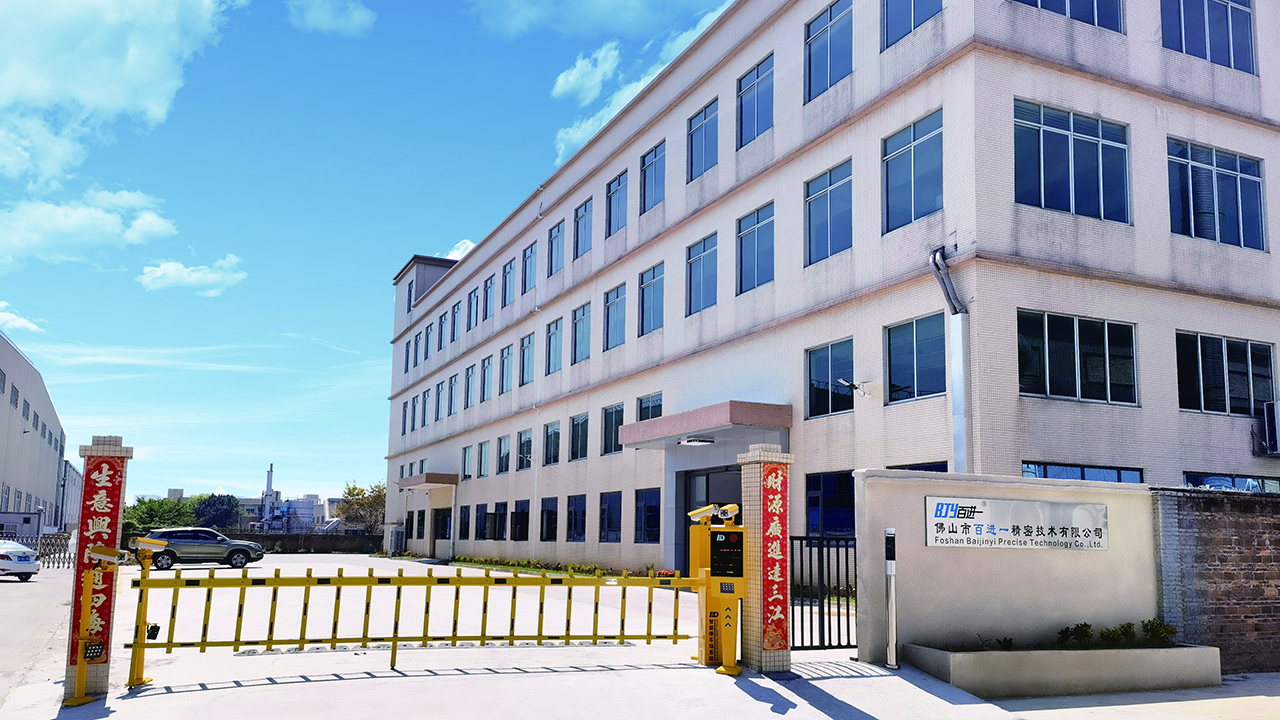
Foshan Baijinyi Precision Technology Co., Ltd. (BJY) stands as an epitome of innovation and excellence within the heart of Sanshui District, Foshan City. Established in 2011, our company symbolizes the fusion of tradition and modernity, strategically positioned to thrive within the vibrant economic landscape of Southern China.
Inspired by the timeless wisdom of the Chinese proverb, "A hundred feet pole, advance one step further," BJY embodies a spirit of perpetual advancement and innovation. Our name reflects our unwavering commitment to pushing boundaries and driving progress in every endeavor we undertake.
At BJY, we pride ourselves on our relentless pursuit of excellence. With a relentless focus on innovation and quality, we have earned a reputation as a leader in precision technology and manufacturing.
Step into the world of BJY, where tradition meets innovation, and every step forward propels us towards greater heights of success and distinction. Our engineering teams combine decades of hands-on mould-making experience with the latest CAD/CAM software and metrology equipment to deliver tooling that consistently exceeds client expectations.
For multinational mineral water bottling plants, BJY represents a trusted partner capable of supporting every phase of the mould lifecycle — from initial bottle concept and preform design through to mould manufacture, qualification, and long-term spare parts supply.
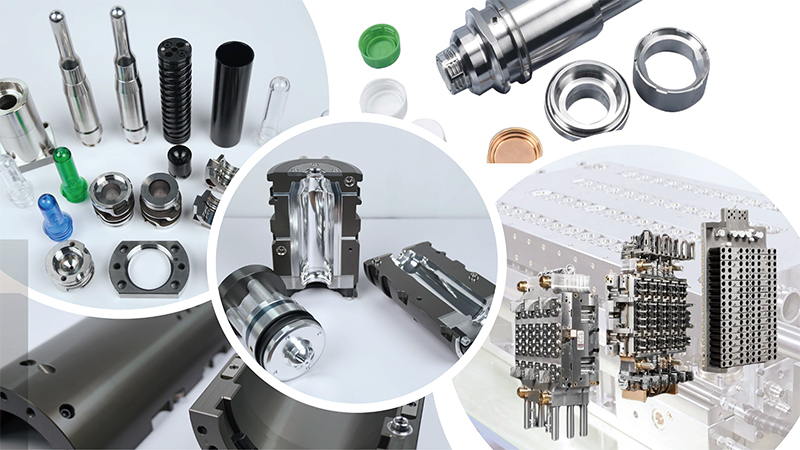
We are committed to designing and manufacturing PET liquid packaging molds, including blowing molds, PET injection molds, compression capping molds, and related accessories. Our products are suitable for famous brands of blow molding machines, injection molding machines, capping machines, and related equipment from France, Germany, Italy, Canada, and other countries.
Widely used in the packaging field of beverages, edible oils, pharmaceuticals, and daily chemical products. Not only we can produce high-quality molds, but also provide one-stop professional services, such as bottle shape and preform design, equipment renovation projects, etc. Our BJY teams are ready to provide you with more and better technology and services to create a win-win situation.
When global beverage manufacturers evaluate PET mould suppliers, they apply criteria that go far beyond price. Here is how BJY meets the standards that matter most.
Our 50+ precision CNC machining centres, combined with CMM verification of every critical dimension, ensure that BJY moulds meet the tolerance requirements of Krones, Sidel, Husky, and all major OEM qualification protocols — first time, every time.
From initial bottle concept through preform design, FEA simulation, mould manufacture, and production qualification, BJY provides a single-source engineering partnership that eliminates the coordination complexity of managing multiple specialist suppliers.
BJY's streamlined production workflow and dedicated project management teams deliver standard blow mould sets in 4–6 weeks and complex multi-cavity injection mould tools in 8–12 weeks — timelines that support the fast-paced capital project schedules of multinational bottling plant expansions.
BJY maintains full dimensional records for every mould supplied, enabling rapid manufacture of replacement components throughout the mould's service life. Our refurbishment service restores worn moulds to original specification at a fraction of new-mould cost, maximising the return on your tooling investment.
With over 100 customers served across Asia-Pacific, Europe, the Middle East, Africa, and the Americas, BJY has the international project experience and export logistics capability to support multinational bottling groups managing plants across multiple continents.
BJY allocates a significant portion of annual revenue to R&D, focusing on next-generation mould materials, conformal cooling technology, and rPET-compatible mould surface treatments. This investment ensures that our clients always have access to the most advanced moulding technology available.
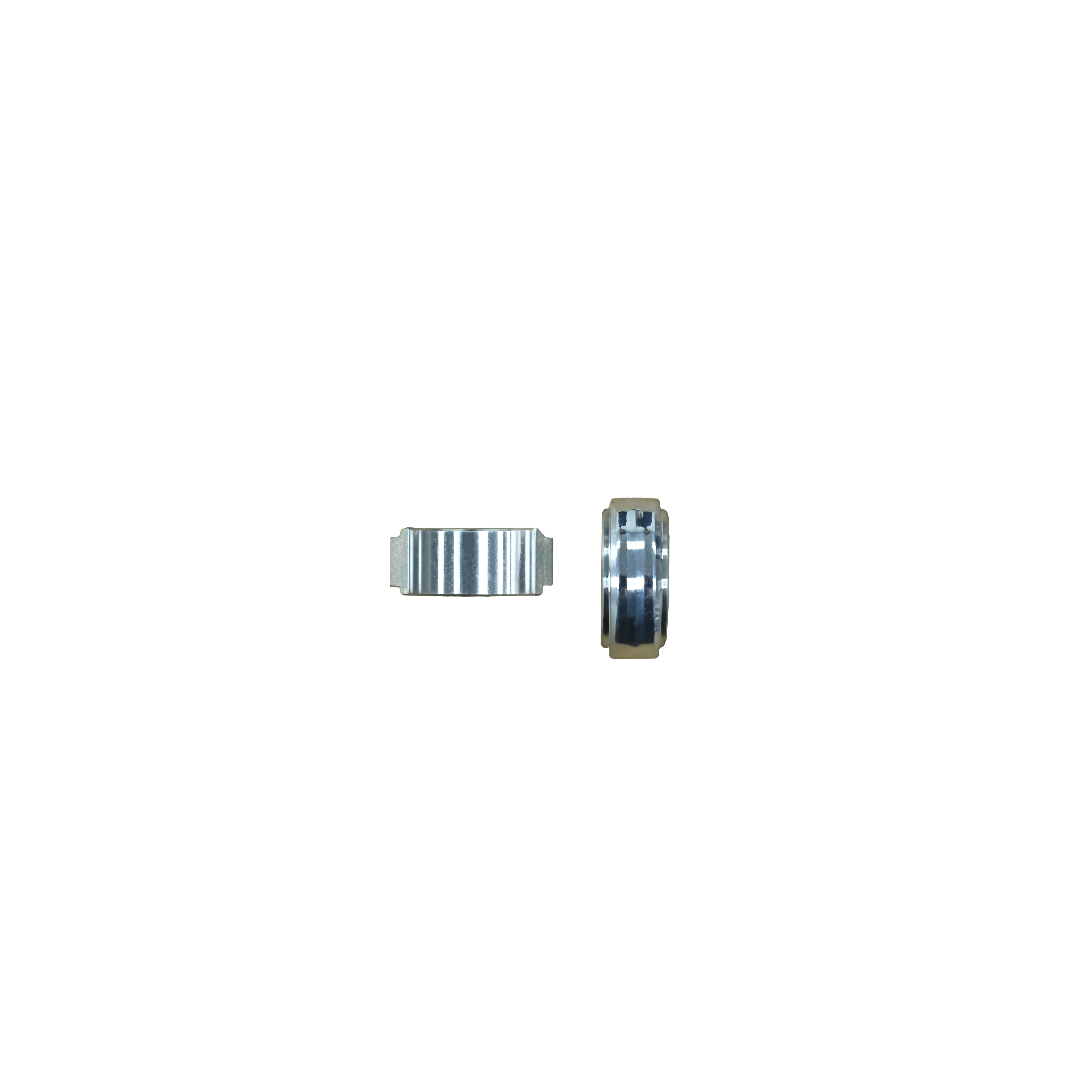
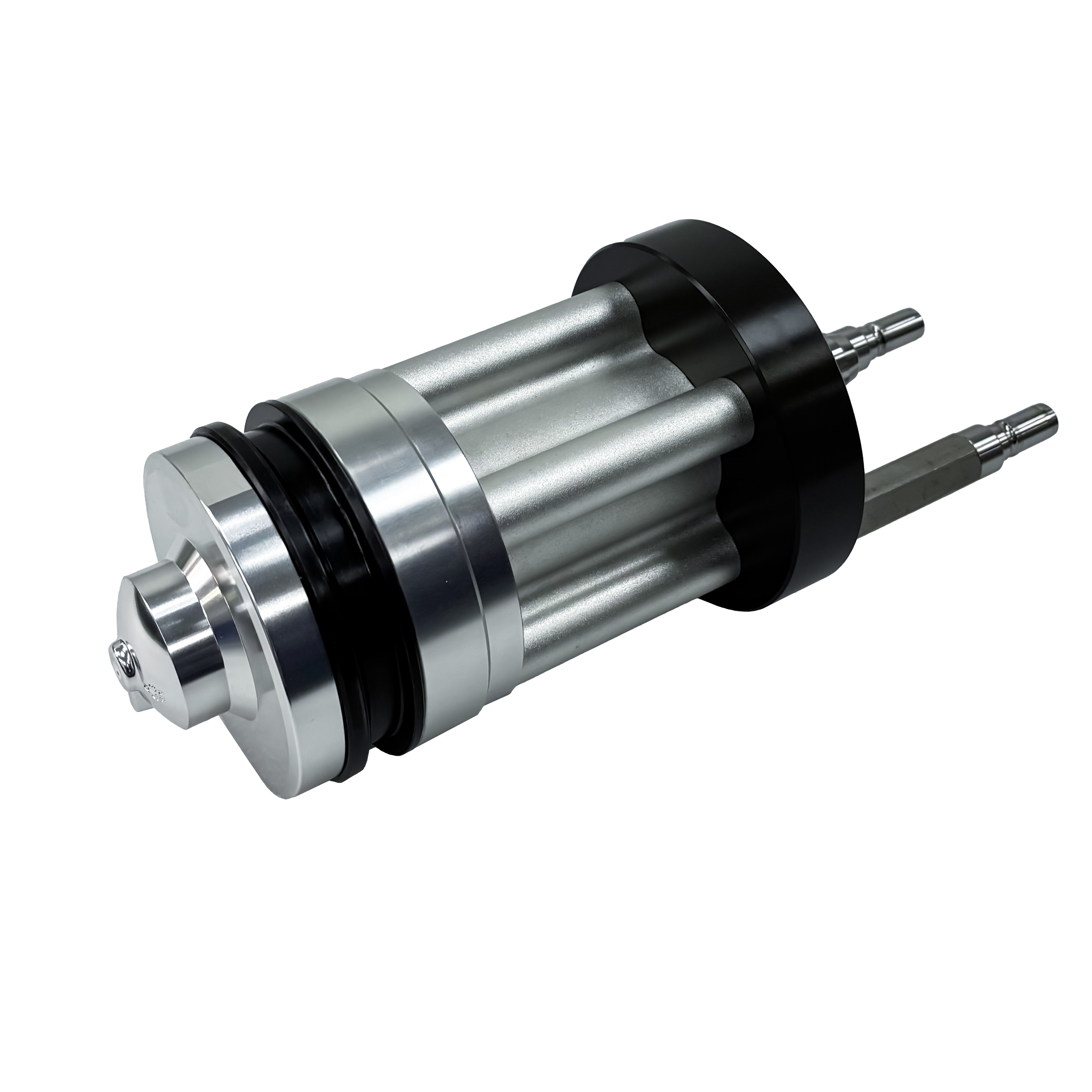
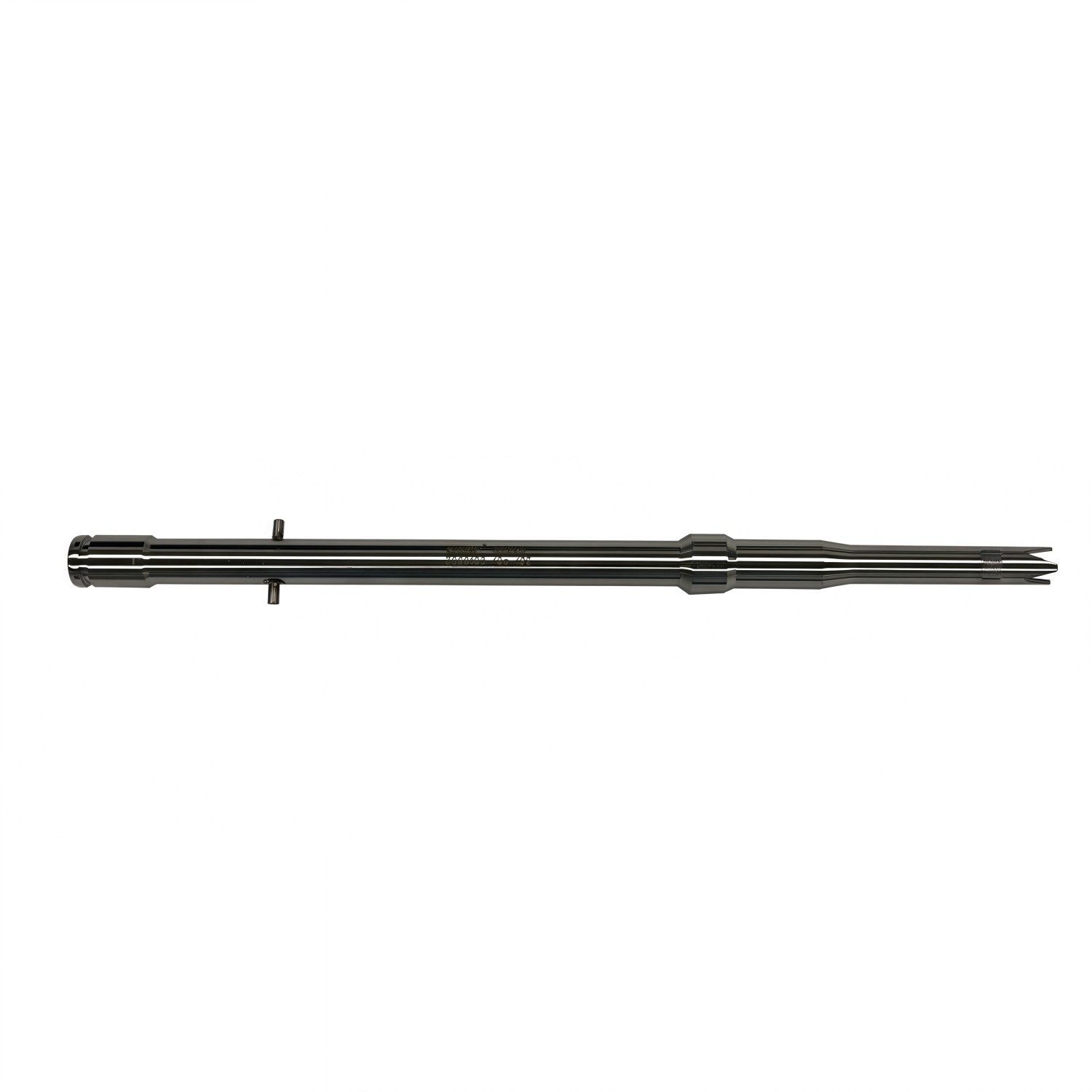
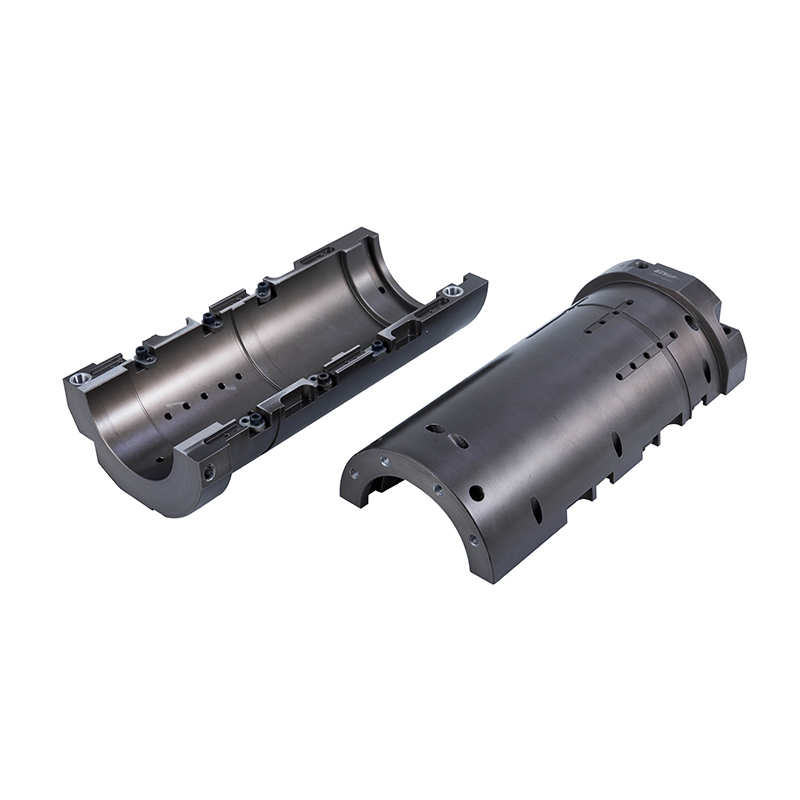
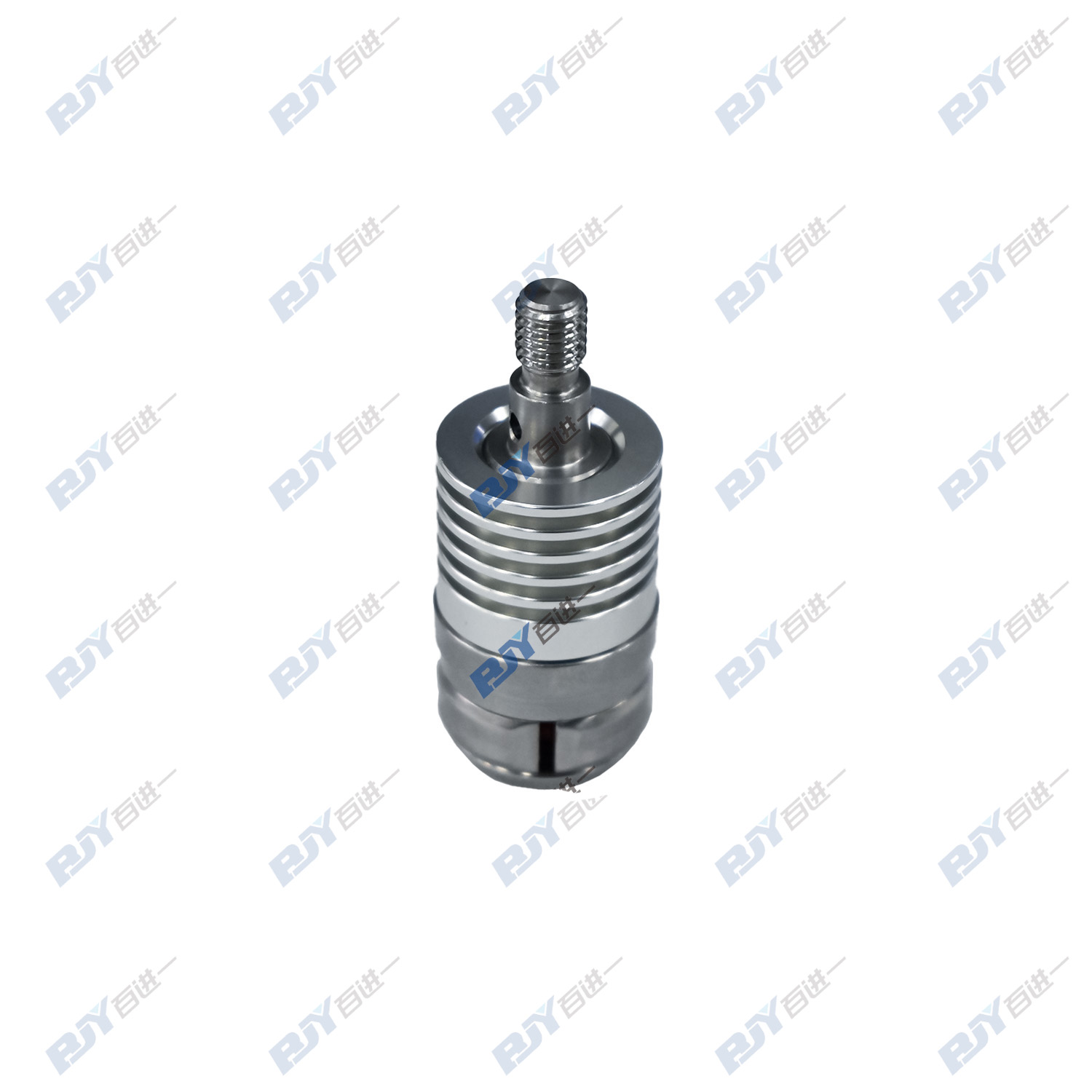
Explore our full range of precision-engineered PET mould components and assemblies, designed for compatibility with all major multinational blow moulding and injection moulding platforms.
Talk to BJY's engineering team about your PET moulding requirements — from single replacement components to complete multi-cavity mould sets for new plant installations. We support multinational projects across 30+ countries.
Request a Technical Consultation →