Chinese
-
 Email
Email -
 Whatsapp
-
 WeChat
From high-cavity preform molds to precision neck rings — every component engineered for carbonated beverage production at scale.
Carbonated soft drinks remain the single largest driver of global PET preform demand, shaping factory design, mold technology, and supply-chain strategy worldwide.
Carbonated soft drinks (CSD) represent the most technically demanding segment of the global PET packaging industry. The combination of internal CO₂ pressure, high-speed filling lines, and the relentless cost-per-unit pressure of mega-factory operations creates a unique set of requirements that standard PET preform solutions simply cannot meet. Understanding how modern preform technology addresses these challenges is essential for any procurement, engineering, or operations team working at scale.
⚡ A single CSD mega-factory can consume upward of 500 million PET preforms per year. At that volume, a 0.1g reduction in preform weight translates directly into hundreds of tonnes of resin savings — making precision mold engineering one of the highest-ROI investments in the entire production chain.
Unlike still-water or juice preforms, CSD preforms must withstand significant internal pressure — typically 3.5 to 6 bar — generated by dissolved CO₂. This imposes strict requirements on wall thickness uniformity, neck finish geometry, and the crystallinity profile of the finished bottle. Any deviation in the preform's gate area, sidewall distribution, or neck ring seating surface can result in burst failures, carbonation loss, or capping defects on high-speed lines running at 80,000+ bottles per hour.
CSD preforms require tighter tolerances on wall thickness (±0.05mm or better) and neck finish roundness than any other PET application. High-cavity molds must maintain these tolerances across every single cavity simultaneously — a challenge that demands both superior steel selection and advanced hot-runner balancing.
Over the past decade, the beverage industry has consolidated production into fewer, larger facilities — the so-called "mega-factory" model. A modern CSD mega-factory typically operates multiple high-speed injection-stretch-blow-molding (ISBM) lines in parallel, with integrated preform production, filling, capping, labeling, and palletizing under one roof. This vertical integration model demands preform molds and tooling that can sustain continuous 24/7 operation with minimal downtime.
Key drivers behind this consolidation include:
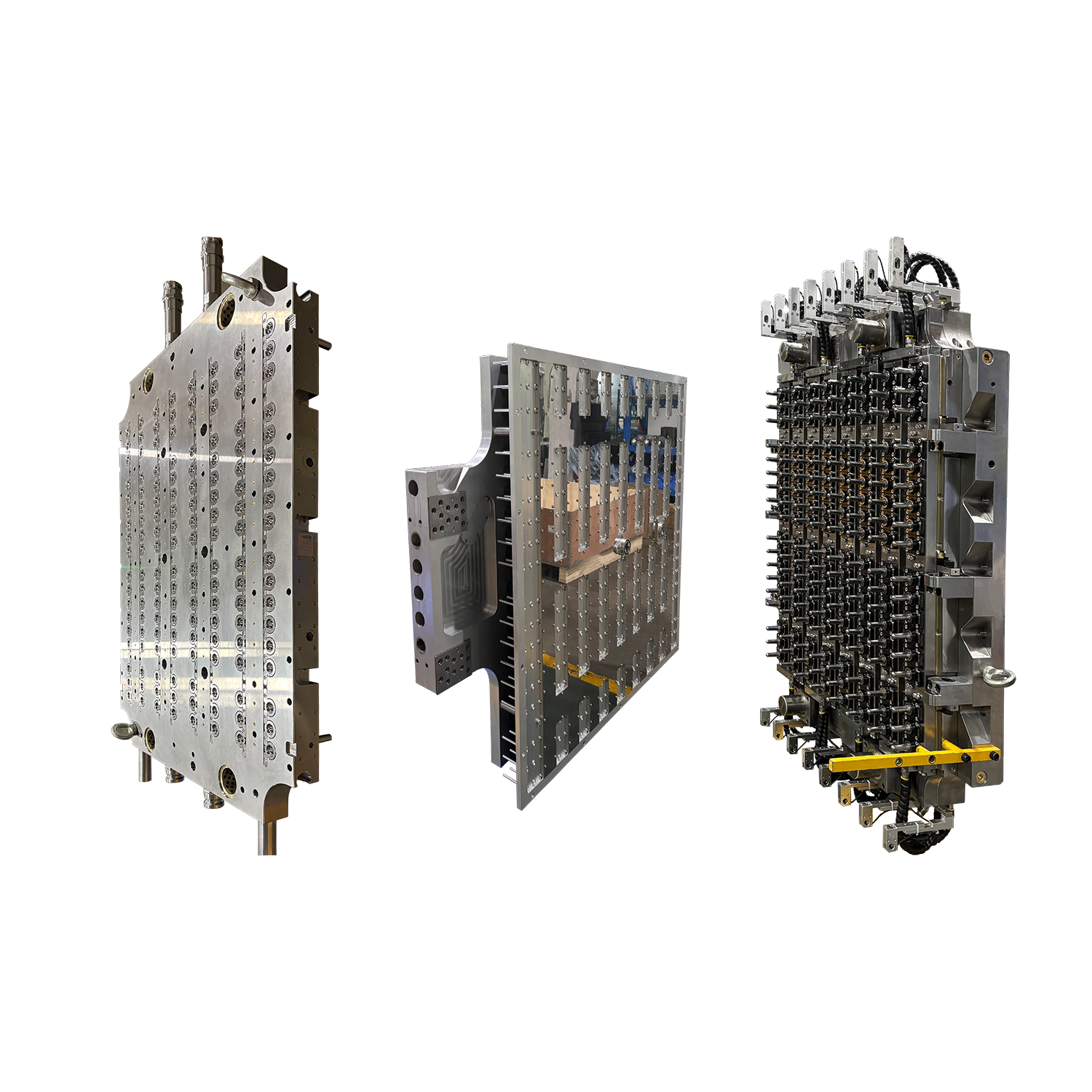
The most visible expression of mega-factory economics is the shift toward ultra-high-cavity preform molds. Where 48- and 72-cavity molds were once considered high-output, today's leading CSD producers routinely deploy 96-, 128-, and 144-cavity systems. BJY's 144-Cavity 18g PET Preform Mold represents the current frontier of this technology — delivering the cycle efficiency required to supply multiple filling lines from a single injection press.
Achieving consistent quality across 144 cavities requires:
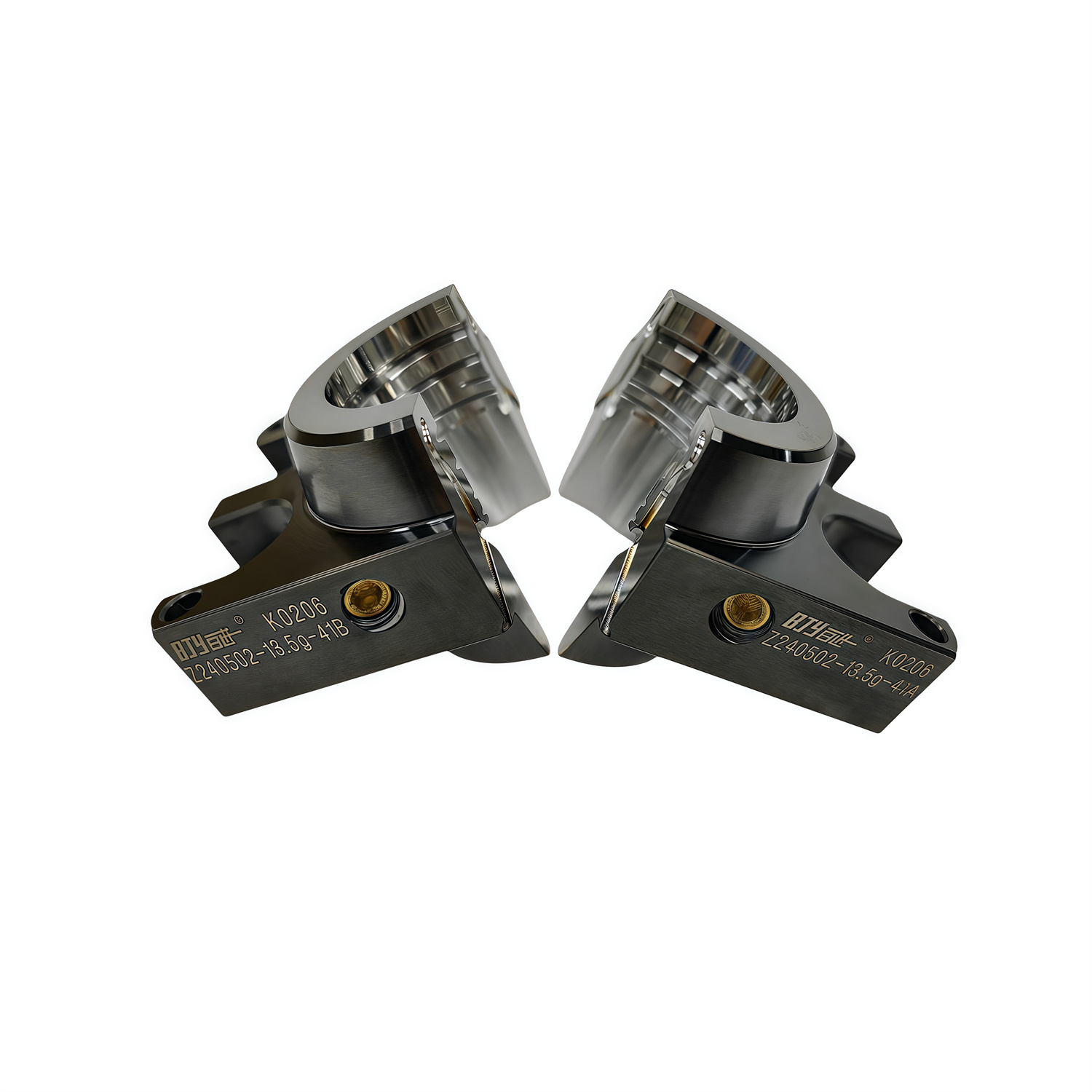
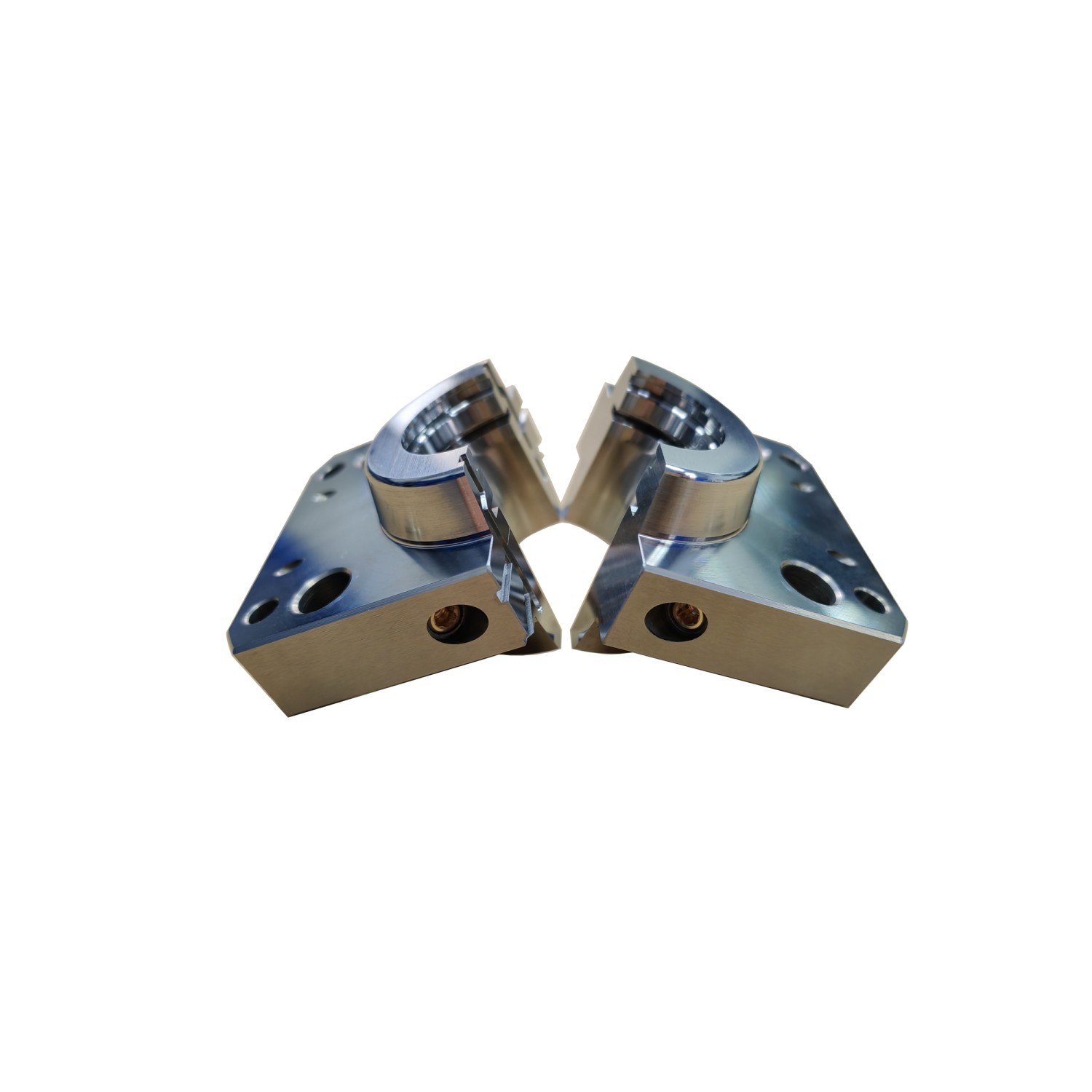
The neck ring is the most dimensionally critical component in any CSD preform system. It defines the thread profile, support ledge geometry, and tamper-evident band position — all of which must interface perfectly with capping equipment running at high speed. BJY's High-Precision PET Neck Ring Assembly and dedicated 20g and 60g neck ring products are engineered to the tightest industry tolerances, ensuring zero-defect capping performance across the full production run.
Sustainability pressure from brand owners, retailers, and regulators is accelerating the lightweighting of CSD preforms. Reducing preform weight by even 1–2 grams across a billion-unit annual run delivers measurable reductions in resin consumption, carbon footprint, and transport cost. However, lightweighting CSD preforms is technically more challenging than for still-water bottles because the pressure-resistance requirement sets a hard floor on minimum wall thickness.
The solution lies in optimizing material distribution rather than simply reducing overall weight. Advanced simulation tools (Moldflow, Sigmasoft) allow mold engineers to model how resin flows and crystallizes during stretch-blow molding, enabling wall thickness profiles that maintain burst strength while minimizing material use. BJY's R&D team applies these simulation methodologies as standard practice in new mold development.
The use of recycled PET (rPET) in CSD preforms is growing rapidly, driven by brand-owner commitments to recycled content targets (many major CSD brands have pledged 50% rPET by 2030). Incorporating rPET into CSD preforms presents specific processing challenges: rPET has higher intrinsic viscosity variability, lower thermal stability, and can introduce color and odor issues if not properly managed. Mold design must account for these differences — particularly in gate geometry and cooling profiles — to ensure consistent preform quality when running rPET blends.
BJY's mold engineering team has developed processing guidelines and mold configurations specifically optimized for rPET-inclusive CSD preform production, helping customers meet sustainability targets without compromising line efficiency or product quality.
At filling speeds above 80,000 bottles per hour, preform quality consistency becomes the primary bottleneck. Any variation in preform weight, wall thickness, or neck finish geometry causes rejects at the blow molder or capper, cascading into costly line stoppages. Ultra-high-cavity molds with tight cavity-to-cavity consistency are the only viable solution at this output level.
Mega-factories producing multiple CSD SKUs — different bottle sizes, carbonation levels, and brand formats — require flexible tooling strategies. Quick-change neck ring assemblies and modular blow mold systems allow factories to switch between formats in minimal time, maximizing line utilization across a diverse product portfolio.
Some premium CSD products use hot-fill or nitrogen dosing processes that impose additional thermal and mechanical demands on the preform. These applications require preforms with higher crystallinity in the neck finish area and specific wall thickness profiles to handle the combined stresses of carbonation pressure and thermal cycling.
CSD bottlers supplying export markets must meet multiple international standards simultaneously — FDA, EU food-contact regulations, and local market requirements. Preform molds and tooling must be validated against these standards, with full traceability documentation. BJY's certified manufacturing processes and comprehensive testing facilities support customers through this validation process.
New CSD mega-factory projects — particularly in Southeast Asia, Africa, and Latin America — represent the fastest-growing segment of the preform tooling market. These projects require a full-service tooling partner capable of supporting line layout planning, mold specification, commissioning, and ongoing technical support. BJY's one-stop service model, backed by 20+ years of industry experience, is specifically structured to serve this segment.
🔬 BJY's R&D department integrates electronic engineers, structural engineers, and appearance designers into a single cross-functional team — enabling simultaneous optimization of mold structure, cooling efficiency, and preform aesthetics for CSD mega-factory customers.
Brand-owner sustainability mandates are pushing rPET content in CSD preforms from niche to standard. Mold technology must evolve to handle the processing variability of recycled resin at high cavity counts.
Machine-vision and AI-based inspection systems are being integrated directly into preform production lines, enabling 100% inline quality screening at speeds that manual inspection cannot match.
All-electric and hybrid injection presses are replacing hydraulic systems in new CSD preform installations, reducing energy consumption by 30–50% while improving shot-to-shot consistency.
The push beyond 144 cavities is underway, with 192-cavity systems in development. Achieving this requires advances in hot-runner technology, mold steel, and press clamping force management.
Digital twin simulation of the entire preform production process — from resin injection through stretch-blow molding — is becoming standard practice for new CSD mold development, reducing physical trial iterations.
Next-generation lightweighting goes beyond simple weight reduction, using topology-optimized wall profiles and nano-structured PET blends to maintain CSD pressure performance at record-low preform weights.
Every decision we make — from steel selection to surface treatment — is guided by a single principle: continuous improvement in service of our customers' production goals.
We strive for excellence and create more value and services for our customers, building partnerships that grow alongside your production ambitions.
We are rigorous and meticulous, devoted and selfless, full of vitality, and brave in innovation — qualities that show up in every mold we manufacture.
We aspire to be a trusted strategic partner — not just a supplier — supporting your CSD production goals from initial specification through long-term operation.
We have advanced production equipment and comprehensive testing facilities, with mature production and testing processes to deliver consistently high-quality products.
Innovative Spirit: We dare to experiment and are committed to innovation — from hot-runner design to conformal cooling geometry, we push the boundaries of what CSD preform tooling can achieve.
Integrity First: Integrity is the cornerstone of our values. Every specification we commit to, every delivery timeline we set, and every quality claim we make is backed by verifiable data and transparent communication.
Employee Care: We prioritize employee growth, investing resources annually in training and skill enhancement. We care about employees' lives, providing accommodation and meals, giving employees far from home a sense of belonging.
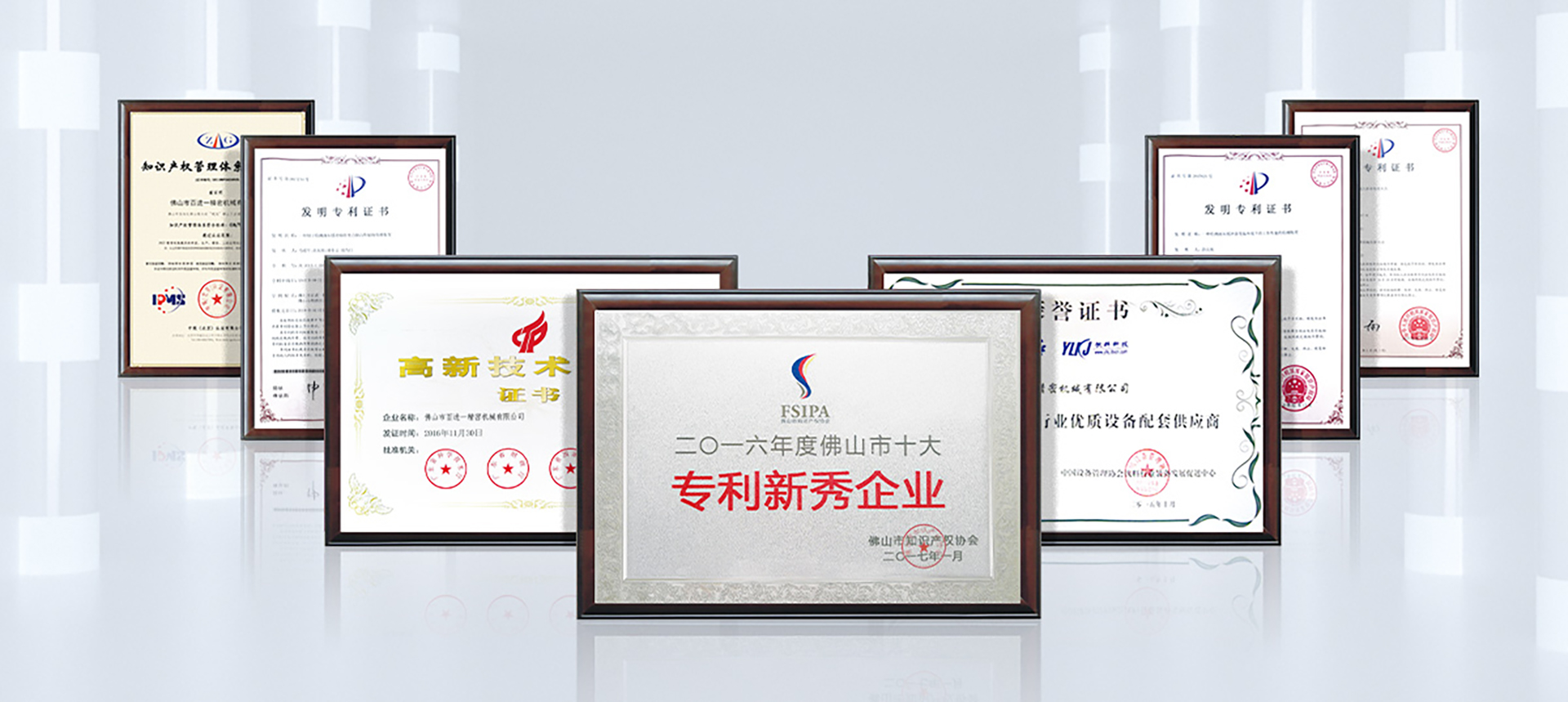
Our manufacturing processes and quality management systems are validated by internationally recognized certifications, giving CSD mega-factory customers the compliance assurance they need.
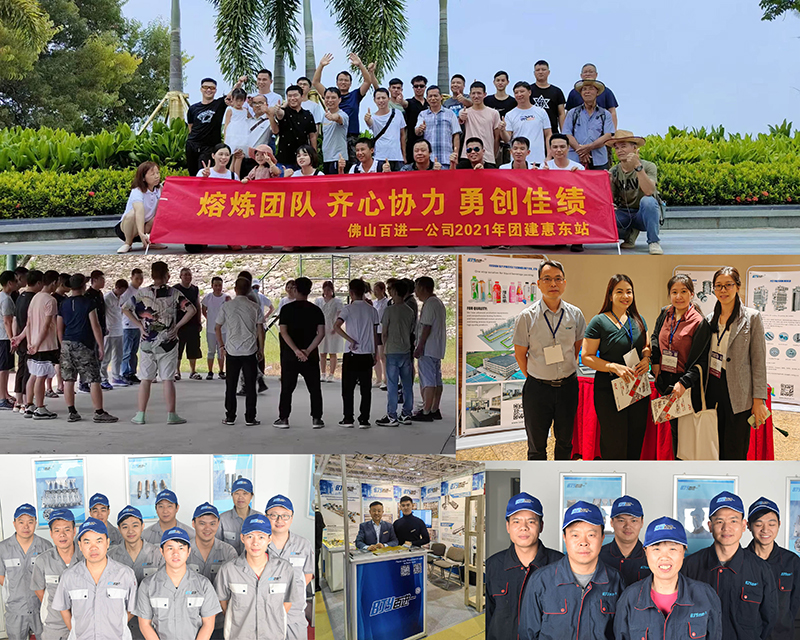
When your production volumes are measured in hundreds of millions of units, the capabilities of your tooling partner matter as much as the tooling itself.
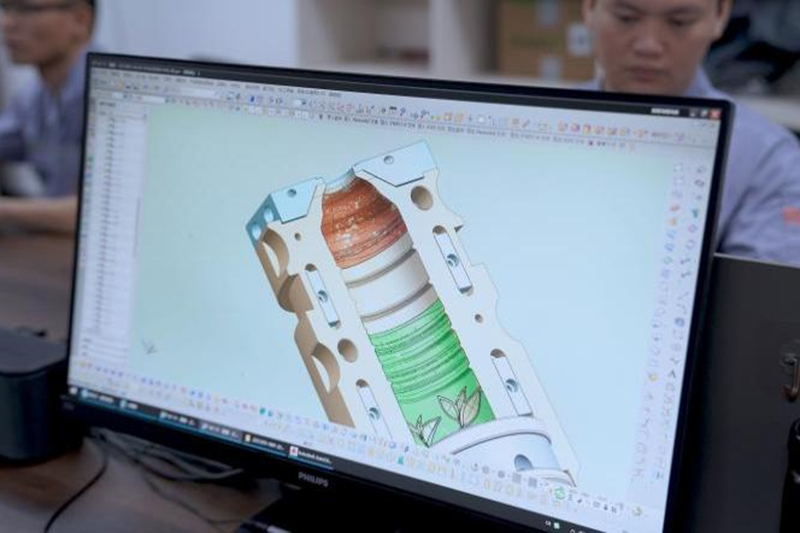
The R&D team includes electronic engineers, structural engineers, and appearance designers working in close collaboration. We have a professional technical team with over 20 years of industry experience, capable of providing you with one-stop services — from initial preform design and mold specification through to commissioning support and process optimization on your CSD production line.
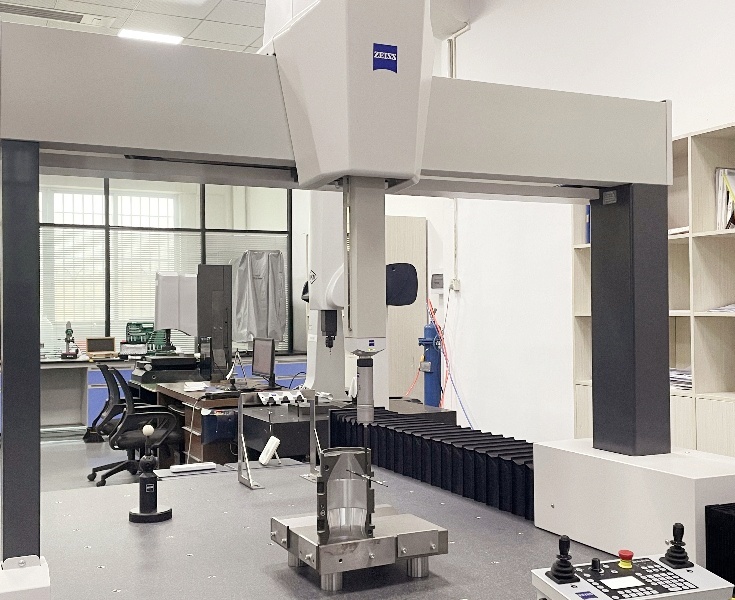
Rich experience in OEM and ODM services, including mold manufacturing and injection molding across the full range of CSD preform applications. We have complete production and testing equipment to provide you with consistently high quality — whether you are sourcing a single replacement mold or equipping an entire new mega-factory line.
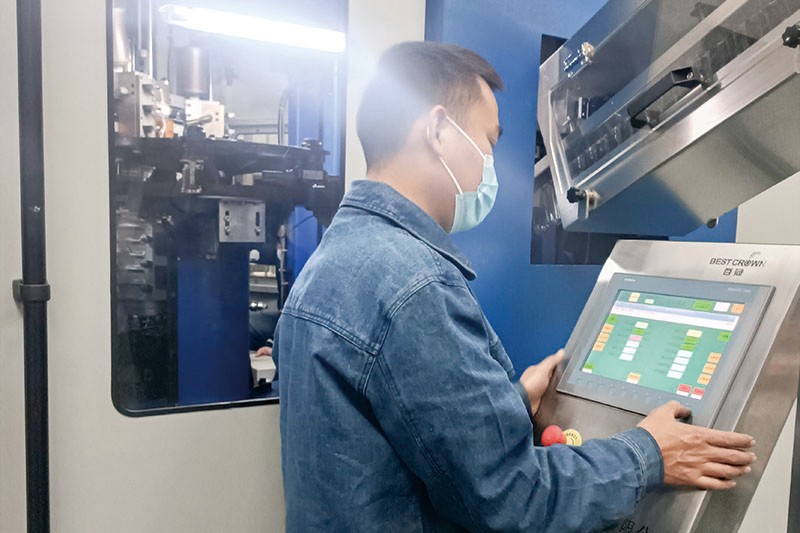
We provide technical information and technical training support on a regular basis, ensuring your team has the knowledge to operate and maintain BJY tooling at peak performance. We provide you with the most reliable services and sincerely create value for customers — because in CSD mega-factory operations, uptime is everything.
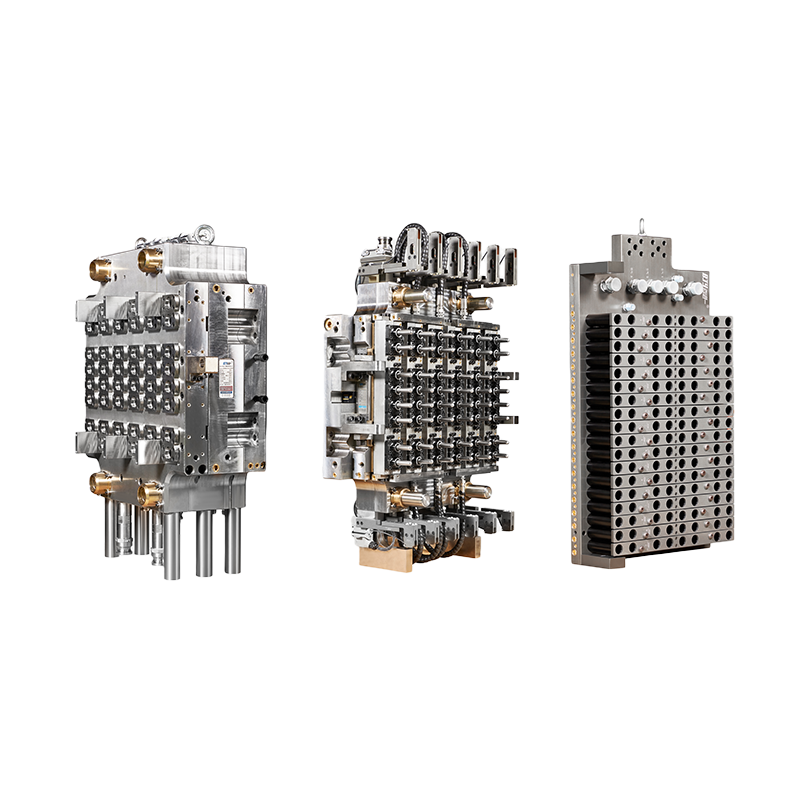
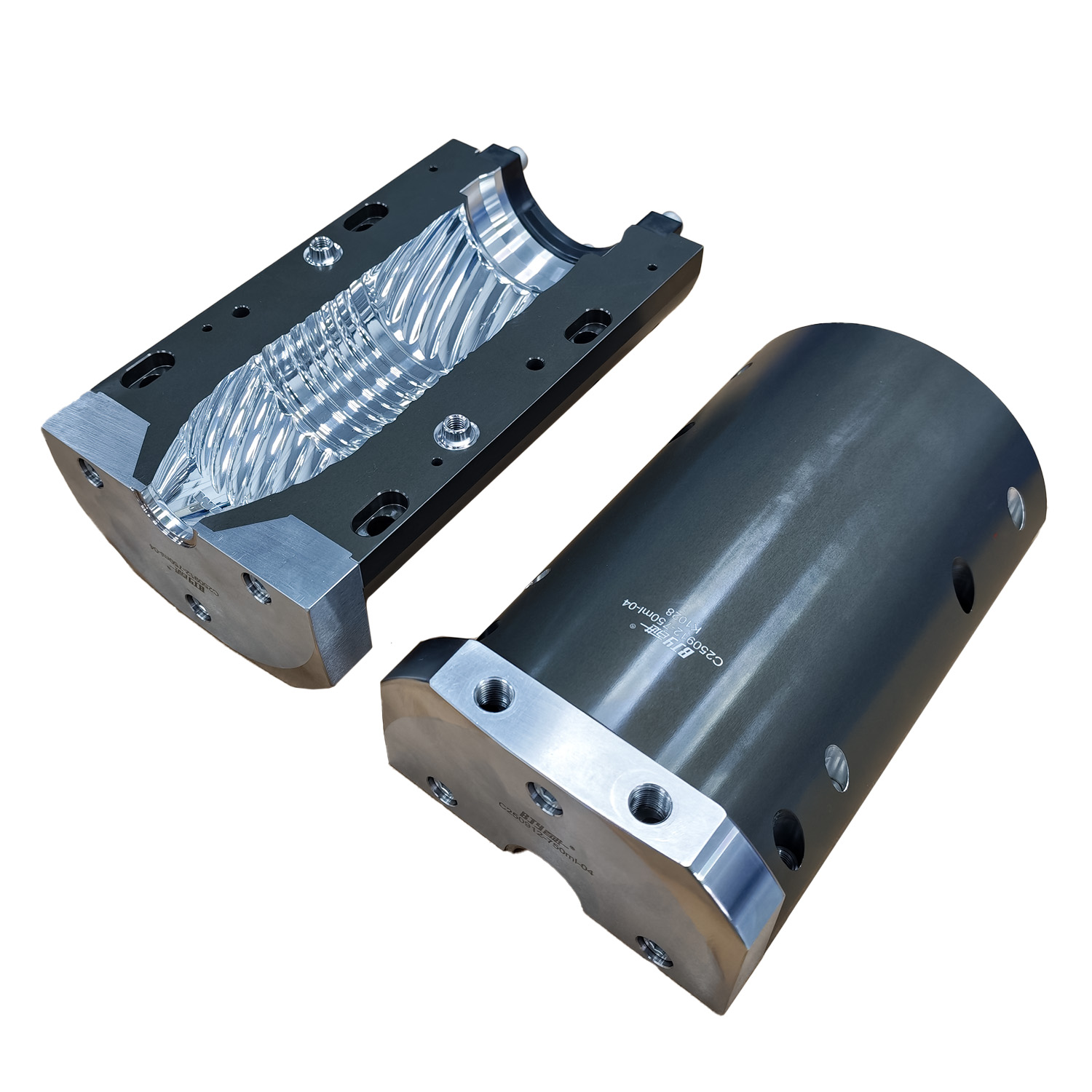
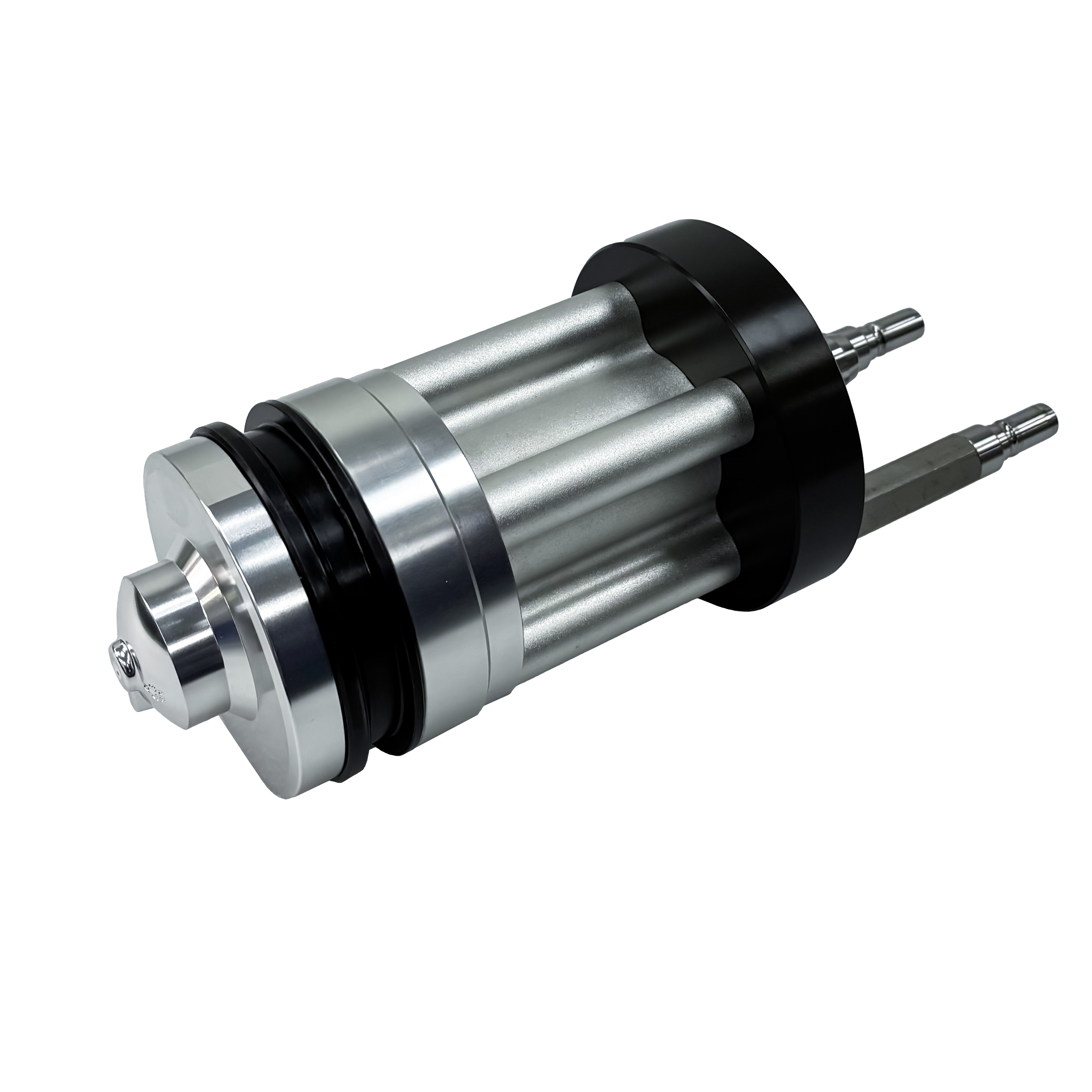
From preform molds and neck rings to blow mold shells and bottom molds — every component your CSD mega-factory needs, engineered to work together.