Chinese
-
 Email
Email -
 Whatsapp
-
 WeChat
Polyethylene terephthalate (PET) preforms are the foundational building blocks of every lightweight, transparent mineral water bottle that reaches consumers worldwide. Before a bottle takes its final shape on a high-speed rotary blow-molding line, it begins as a precisely engineered preform — a thick-walled, test-tube-like intermediate that encodes the bottle's future geometry, weight, clarity, and barrier performance.
For multi-national mineral water bottling plants operating at outputs of 20,000 to 80,000 bottles per hour, the quality and dimensional consistency of PET preforms are not merely a procurement concern — they are a direct determinant of line efficiency, product safety, and brand equity. A deviation of even 0.05 mm in wall thickness or neck-finish geometry can trigger reject cascades, unplanned downtime, and costly rework across an entire production shift.
🌍 The global PET packaging market exceeded USD 68 billion in 2024, with mineral water bottles accounting for the single largest volume segment — and demand continues to accelerate across Asia-Pacific, the Middle East, and Sub-Saharan Africa.
Multi-national bottlers — from Nestlé Waters and Danone Aqua to regional giants in Southeast Asia and the Gulf — source PET preforms and precision mold tooling from a tightly vetted global supply chain. The expectations are uncompromising: ISO-certified dimensional tolerances, food-grade resin compliance (FDA, EU 10/2011), and the ability to run flawlessly on Sidel, Krones, Husky, and KHS platforms without manual adjustment.
The commercial structure of the PET preform supply chain for mineral water bottling has evolved significantly over the past decade. Three dominant models now coexist:
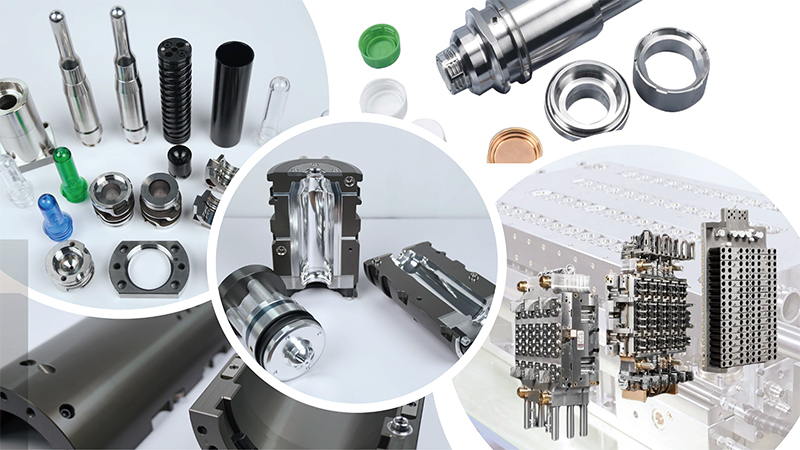
Regardless of the sourcing model, the precision of the injection mold tooling — cavity steel grade, hot-runner balance, cooling channel geometry, and neck-ring assembly tolerances — ultimately determines preform quality. This is where suppliers like BJY play a critical enabling role for the global mineral water industry.
The most demanding application environment for PET preforms is the high-speed rotary stretch-blow-molding line. Krones Contiform and Sidel SBO platforms operating at 2,000+ bottles per cavity per hour impose extreme thermal and mechanical requirements on every preform that enters the oven. Preform wall-thickness variation exceeding ±0.08 mm causes uneven infrared absorption, leading to material distribution defects in the final bottle — a critical failure mode for thin-walled lightweight designs.
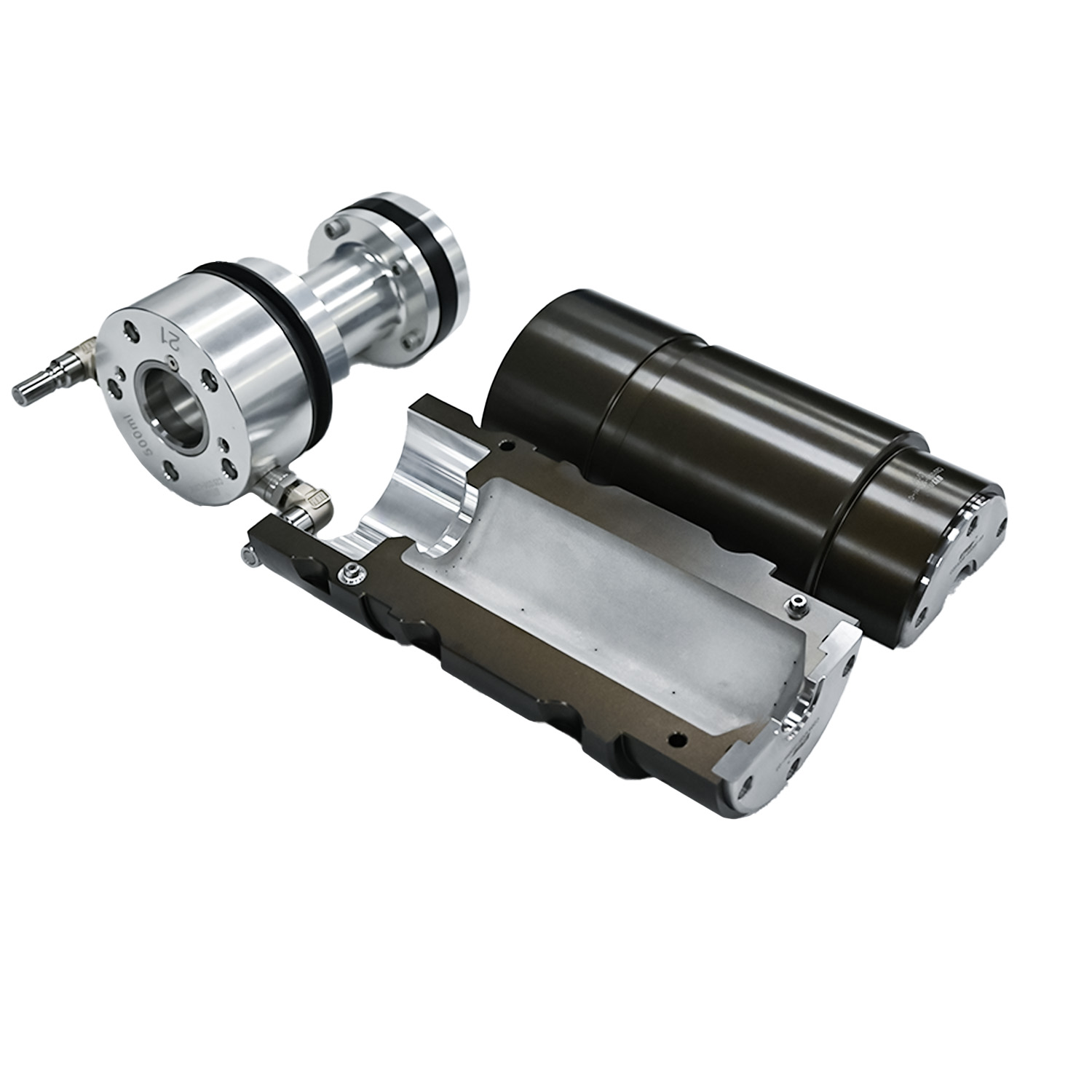
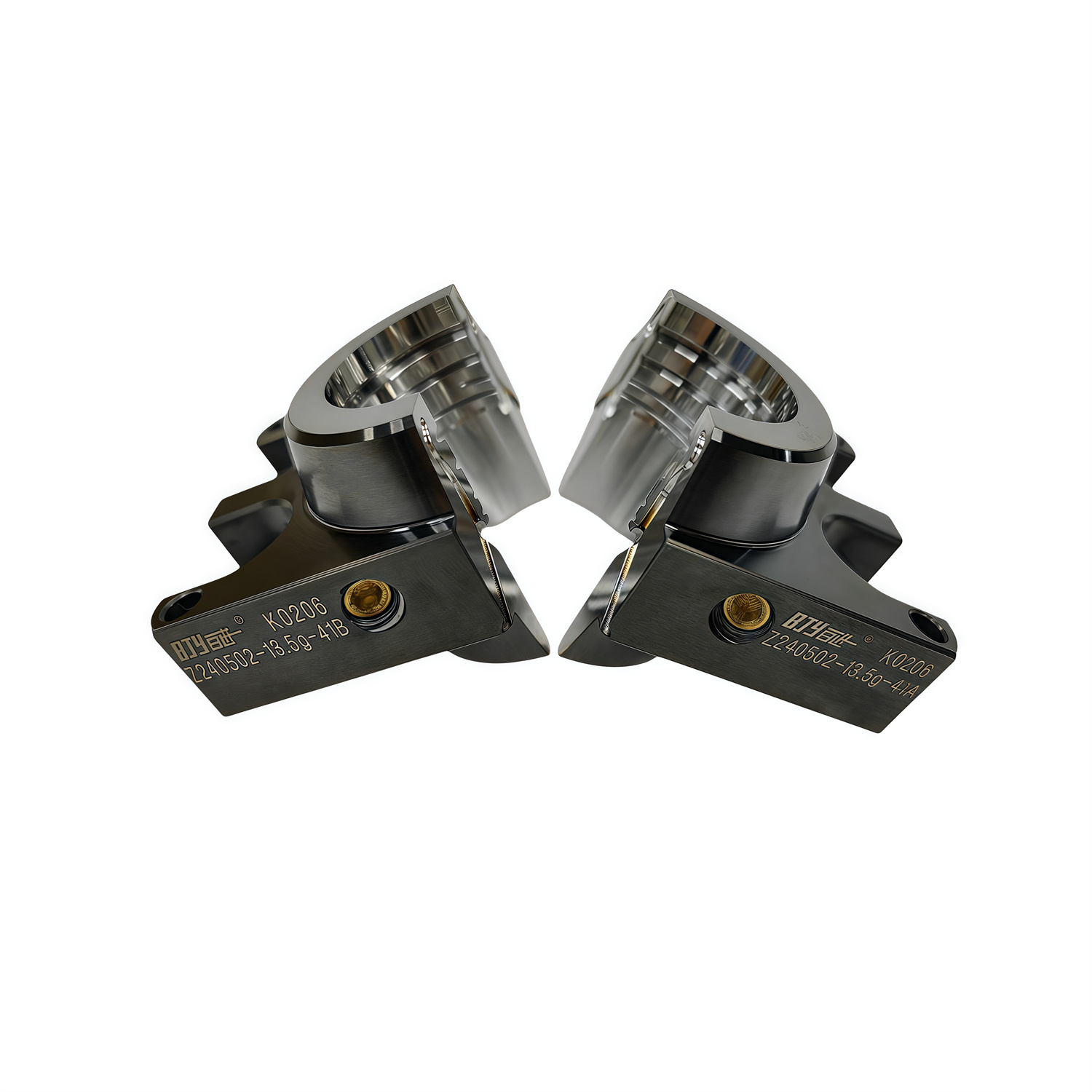
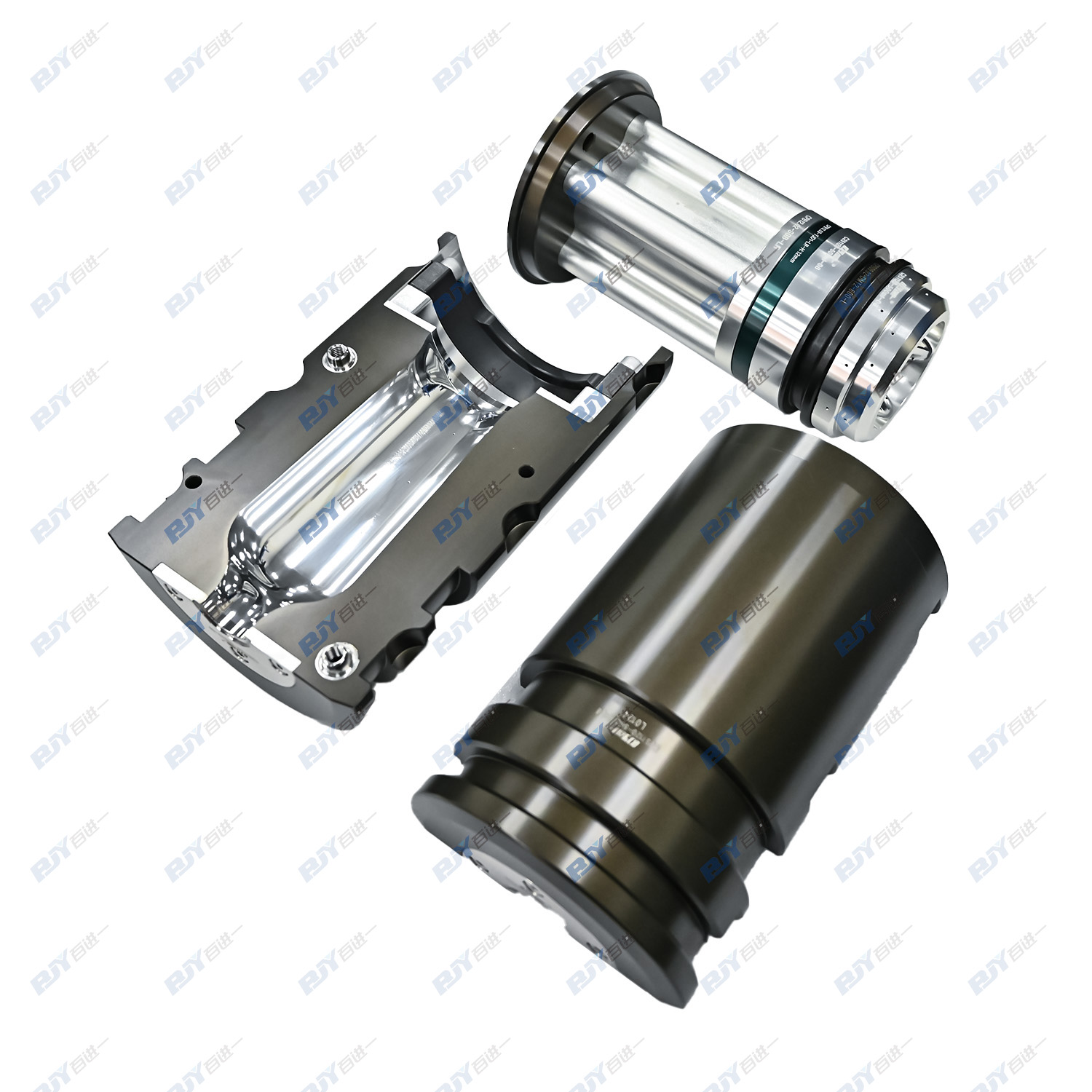
BJY's precision blow molds — including the 500 ml PET Blow Mold engineered for Krones rotary machines — are designed with cavity geometry optimized for the specific preform weight and resin grade used by each customer, ensuring consistent material distribution from shoulder to base across every cycle.
⚡ On a 20-cavity Sidel SBO line running at 40,000 bph, a 0.1-second reduction in blow cycle time — enabled by optimized mold cooling — translates to over 4,000 additional bottles per hour and significant energy savings per million units produced.
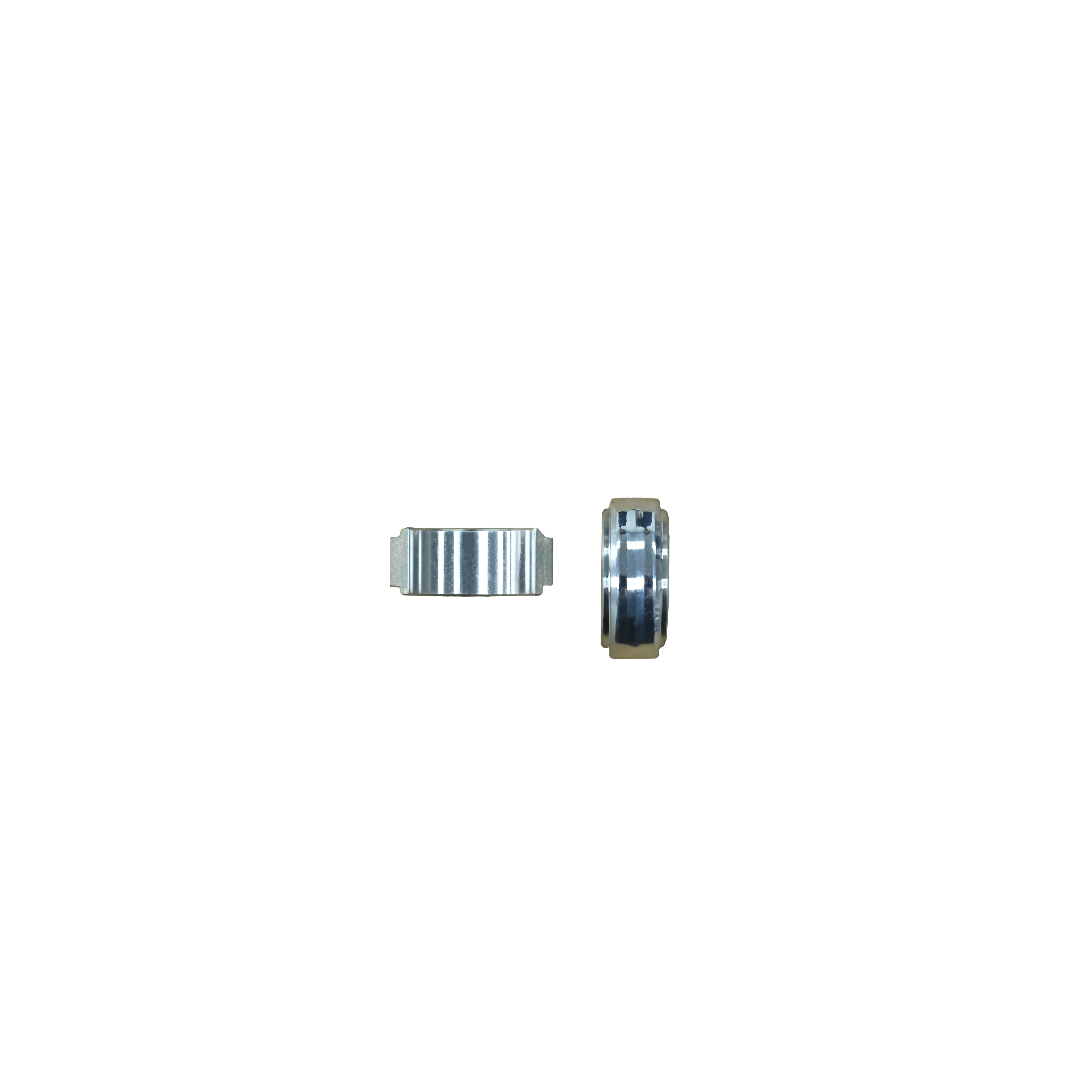
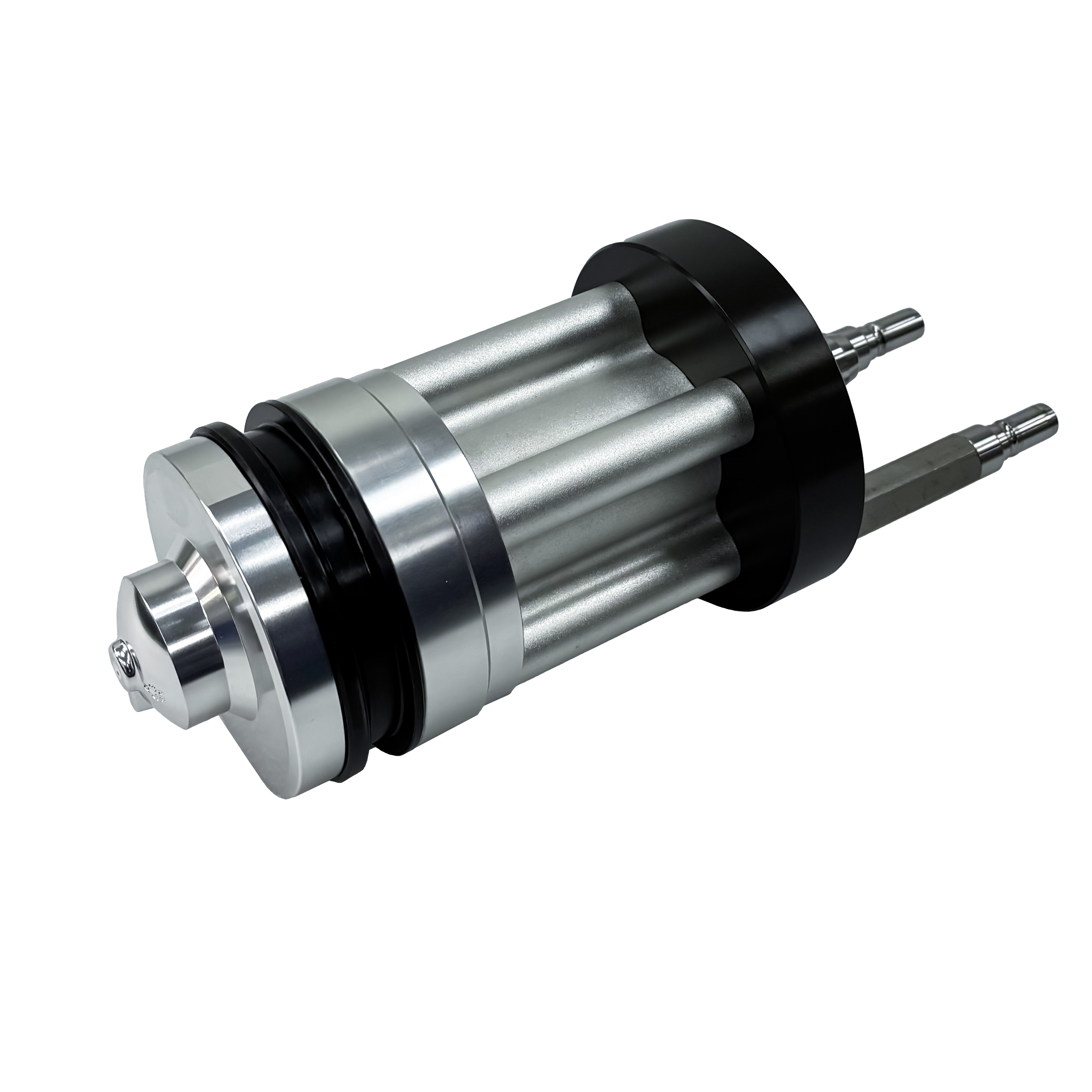
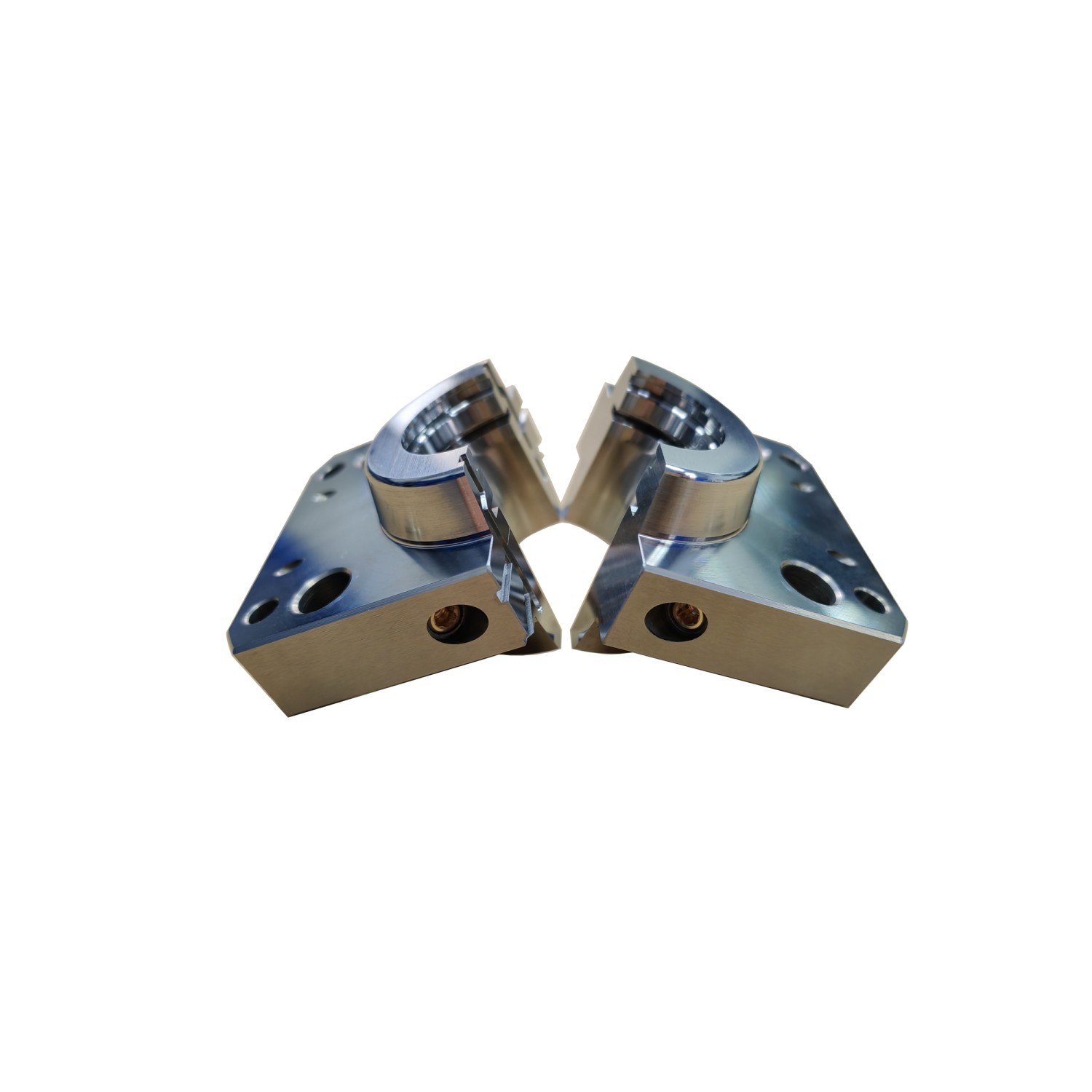
Multi-national water brands increasingly operate single production facilities that must switch between 250 ml, 500 ml, 750 ml, 1 L, 1.5 L, and 5 L formats within the same shift. This demands modular mold architectures where the blow mold body, bottom insert, and neck-ring assembly can be exchanged rapidly without full tooling replacement. BJY's interchangeable bottom mold system and precision neck-ring assemblies are engineered specifically for this multi-format flexibility, reducing changeover time from hours to under 30 minutes on compatible platforms.
The fastest-growing segment of the global mineral water industry is greenfield investment in Sub-Saharan Africa, South and Southeast Asia, and the Middle East — regions where rising middle-class populations and urbanization are driving double-digit annual growth in packaged water consumption. These projects typically involve investors who are new to PET bottling and require a turnkey technology partner capable of providing not just molds, but complete bottle and preform design services, equipment compatibility consulting, and on-site commissioning support.
BJY's one-stop service model — encompassing bottle shape design, preform specification, mold manufacturing, and equipment renovation — is precisely aligned with the needs of these emerging-market greenfield projects, where the ability to consolidate vendor relationships and reduce project complexity is a decisive procurement criterion.
While still mineral water dominates global volume, the sparkling water and CSD segments are growing rapidly, particularly in Europe and North America. Carbonated applications impose significantly higher hoop-stress requirements on PET bottles, demanding preforms with greater wall thickness in the sidewall and a reinforced base geometry. BJY's 500 ml CSD-PET Bottle Blowing Mold features hard-anodized cavity surfaces and a petaloid base design engineered to withstand internal pressures of up to 8 bar — meeting the requirements of both sparkling natural mineral water and flavored CSD products on the same tooling platform.
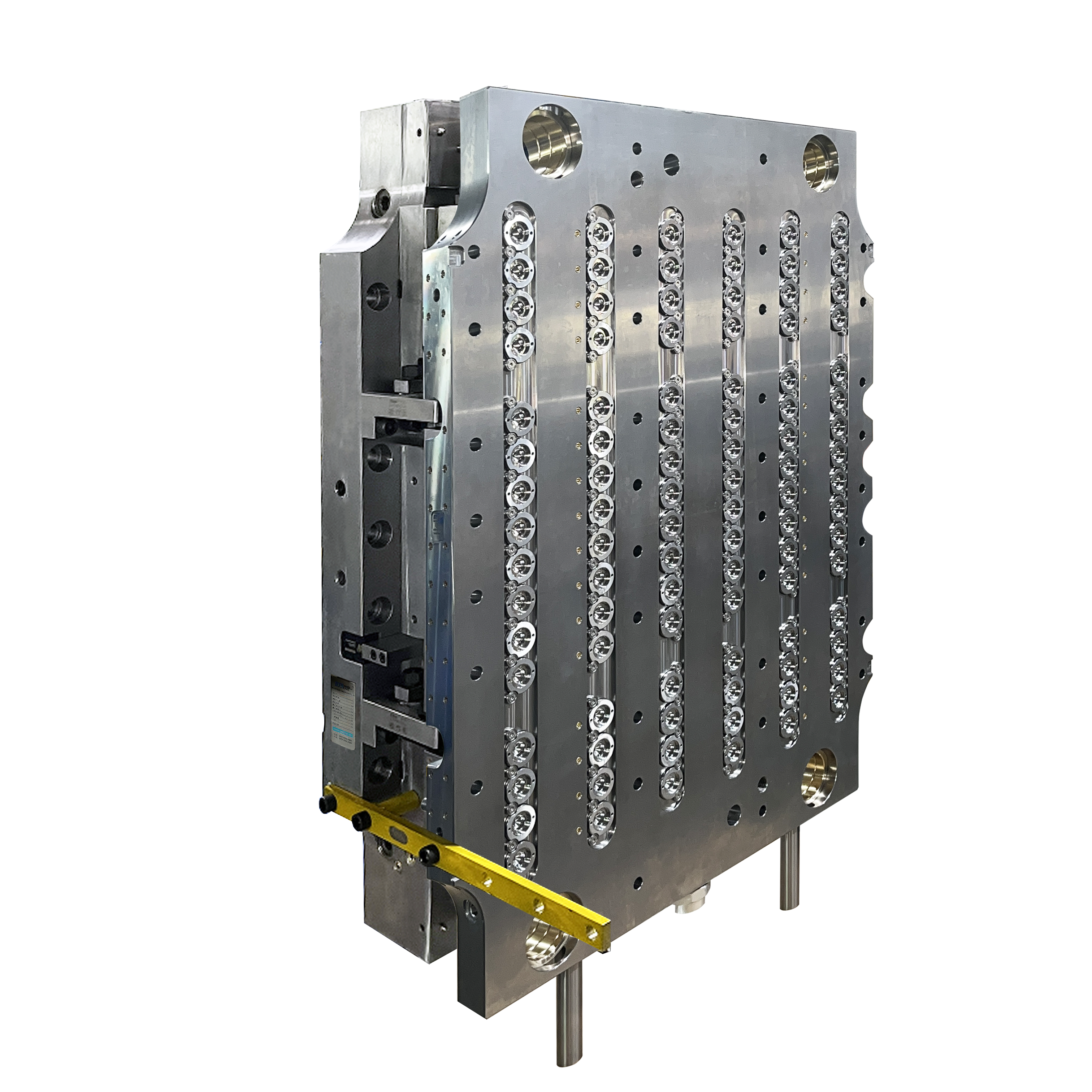
At the upstream end of the value chain, the injection mold used to produce the preform itself is the most capital-intensive and technically demanding component of the entire bottling system. BJY's 72-cavity 48.2 g PET preform injection mold exemplifies the engineering precision required: balanced hot-runner manifolds, P20/H13 steel cavities with mirror-polished surfaces, and water-cooling circuits designed for cycle times under 12 seconds. For multi-national bottlers operating captive preform production, the performance of this tooling directly determines the cost per preform and the overall economics of the bottling operation.
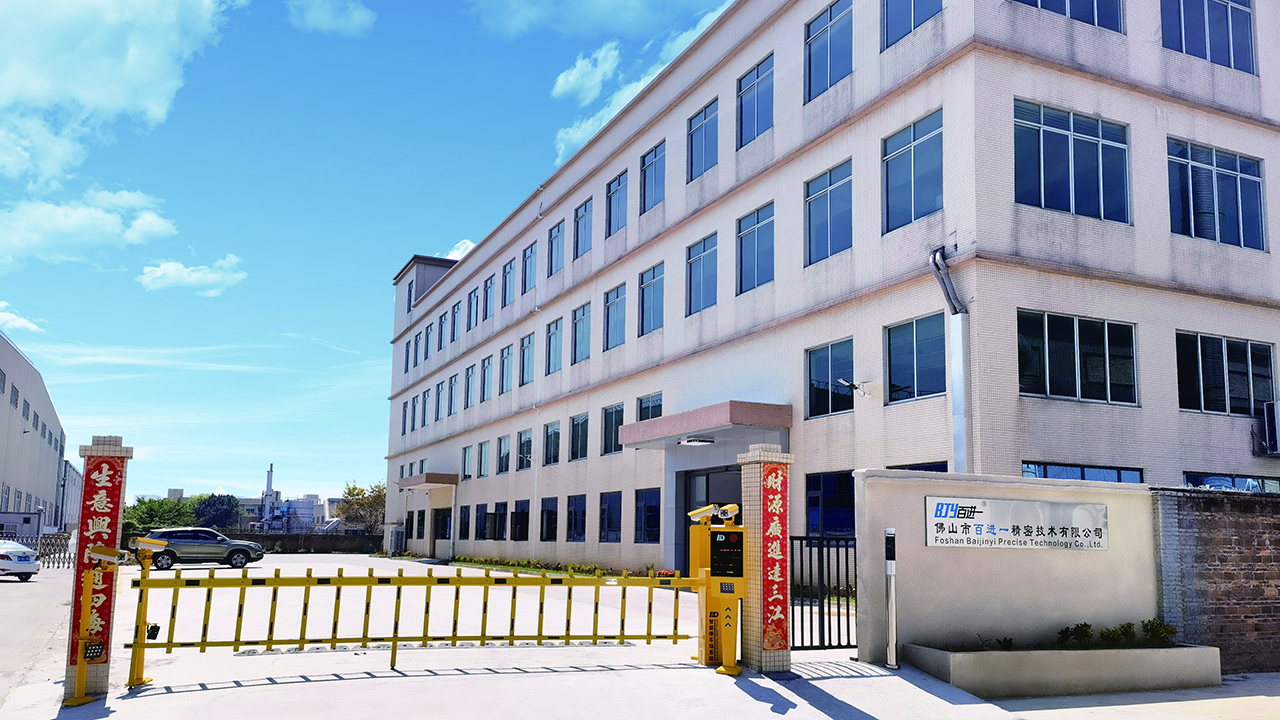
Foshan Baijinyi Precision Technology Co., Ltd. (BJY) stands as an epitome of innovation and excellence within the heart of Sanshui District, Foshan City. Established in 2011, our company symbolizes the fusion of tradition and modernity, strategically positioned to thrive within the vibrant economic landscape of Southern China.