 Chinese
-
 Email
Email -
 Whatsapp
-
 WeChat
The global carbonated soft drink market continues to expand, placing unprecedented demand on high-output PET preform mould systems capable of sustaining 24/7 mega-factory operations.
Carbonated soft drink production operates at a scale and intensity that few other beverage segments can match. A single CSD mega-factory may run 20 or more injection moulding lines simultaneously, each cycling thousands of preforms per hour. In this environment, the PET preform mould is not merely a tooling component — it is the heartbeat of the entire production ecosystem.
Unlike standard water or juice packaging, CSD bottles must withstand significant internal pressure from dissolved CO₂ gas — typically between 3.5 and 6.0 bar depending on the carbonation level and beverage type. This pressure requirement cascades directly into preform design and mould engineering. Wall thickness distribution, neck finish geometry, base design, and resin crystallinity must all be precisely controlled to ensure the final blown bottle survives both filling pressure and the rigors of distribution logistics.
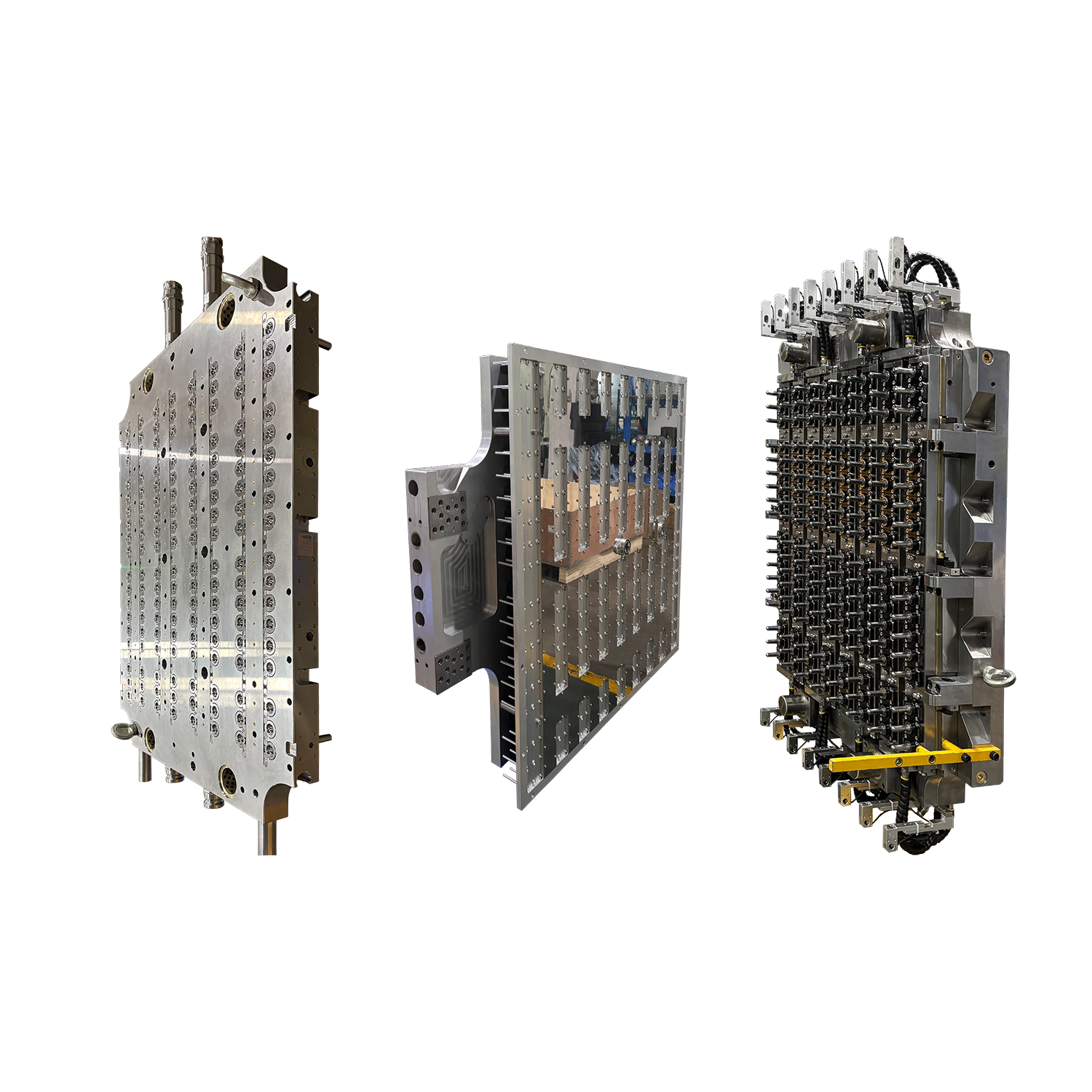
The global PET preform mould industry for CSD applications has undergone a dramatic transformation over the past decade. The shift from 48-cavity and 72-cavity systems to 96-cavity, 128-cavity, and now 144-cavity configurations reflects the relentless pressure on beverage manufacturers to reduce per-unit cost while maintaining absolute quality consistency.
Major CSD brands — operating bottling plants across Asia, Europe, Latin America, and Africa — have standardized on high-cavity hot runner moulds as the backbone of their preform production. The competitive landscape now rewards suppliers who can deliver not just the mould itself, but a complete technical package: preform design optimization, hot runner system integration, cooling circuit engineering, and post-sale process support.
China has emerged as the world's leading source of precision PET preform moulds for CSD applications, with manufacturers in Guangdong, Zhejiang, and Beijing investing heavily in Swiss-standard CNC machining centers, CMM inspection equipment, and in-house hot runner manufacturing. This vertical integration allows Chinese mould makers to offer European-equivalent quality at significantly more competitive price points — a combination that has reshaped global sourcing strategies for CSD bottlers worldwide.
The world's leading CSD mega-factories run preform injection systems from Husky (Canada), Netstal (Switzerland), Sipa (Italy), and KraussMaffei (Germany). Each platform has specific mould interface requirements — from tie-bar spacing and platen dimensions to hot runner connector standards and cooling manifold configurations. A precision PET preform mould engineered for CSD production must be fully compatible with these platforms, enabling drop-in installation without custom adaptation work that would delay production ramp-up.
BJY moulds are designed and validated for compatibility with all major international injection platforms, ensuring that CSD bottlers can integrate new tooling into existing lines with minimal downtime and maximum confidence.
Global CSD brands have committed to aggressive lightweighting targets — reducing PET resin consumption per bottle by 15–30% over the next five years. Achieving these targets without compromising bottle integrity under carbonation pressure requires extraordinarily precise preform moulds. Even a 0.1mm deviation in wall thickness distribution can cause stress concentration points that lead to bottle failure during pressure testing or in-field use.
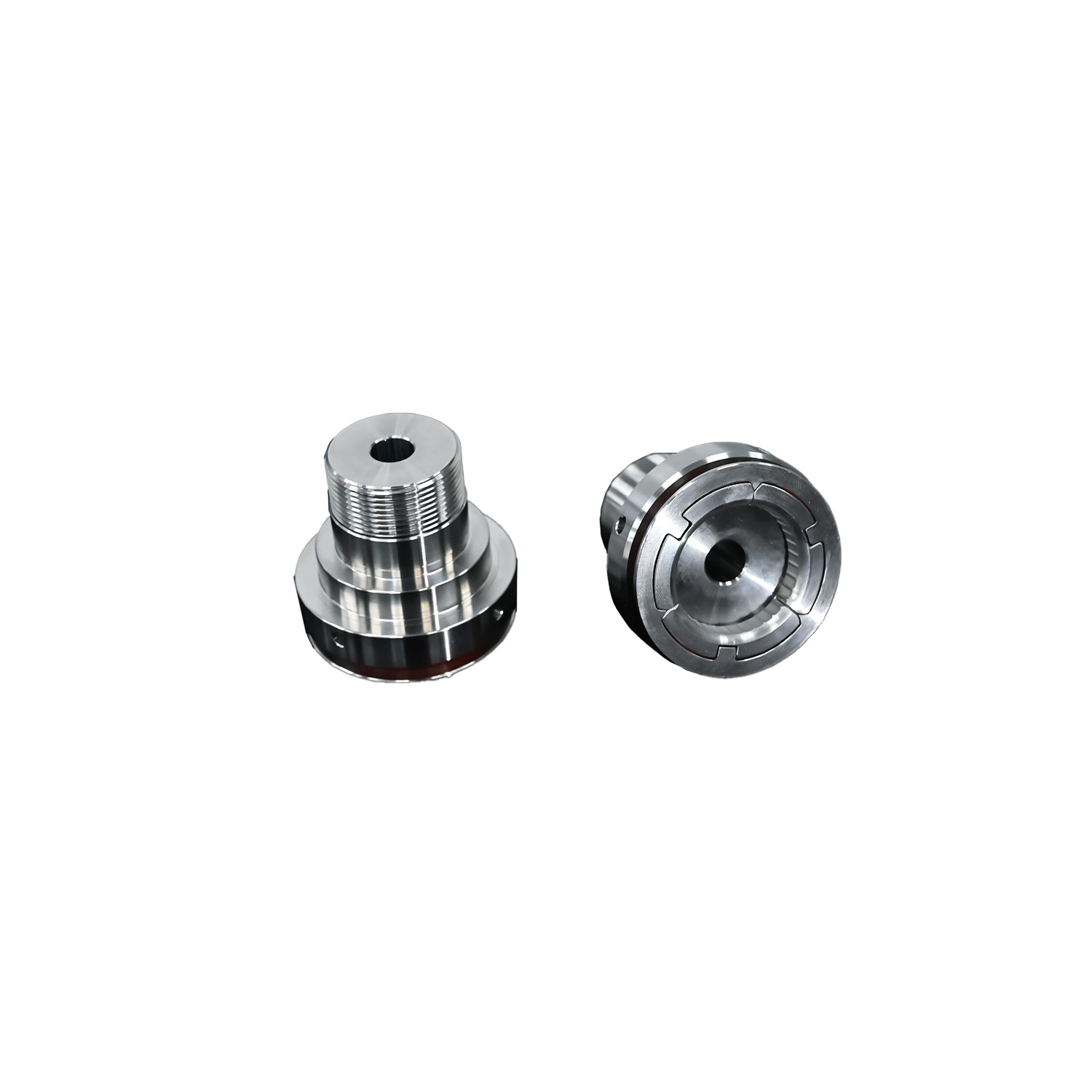
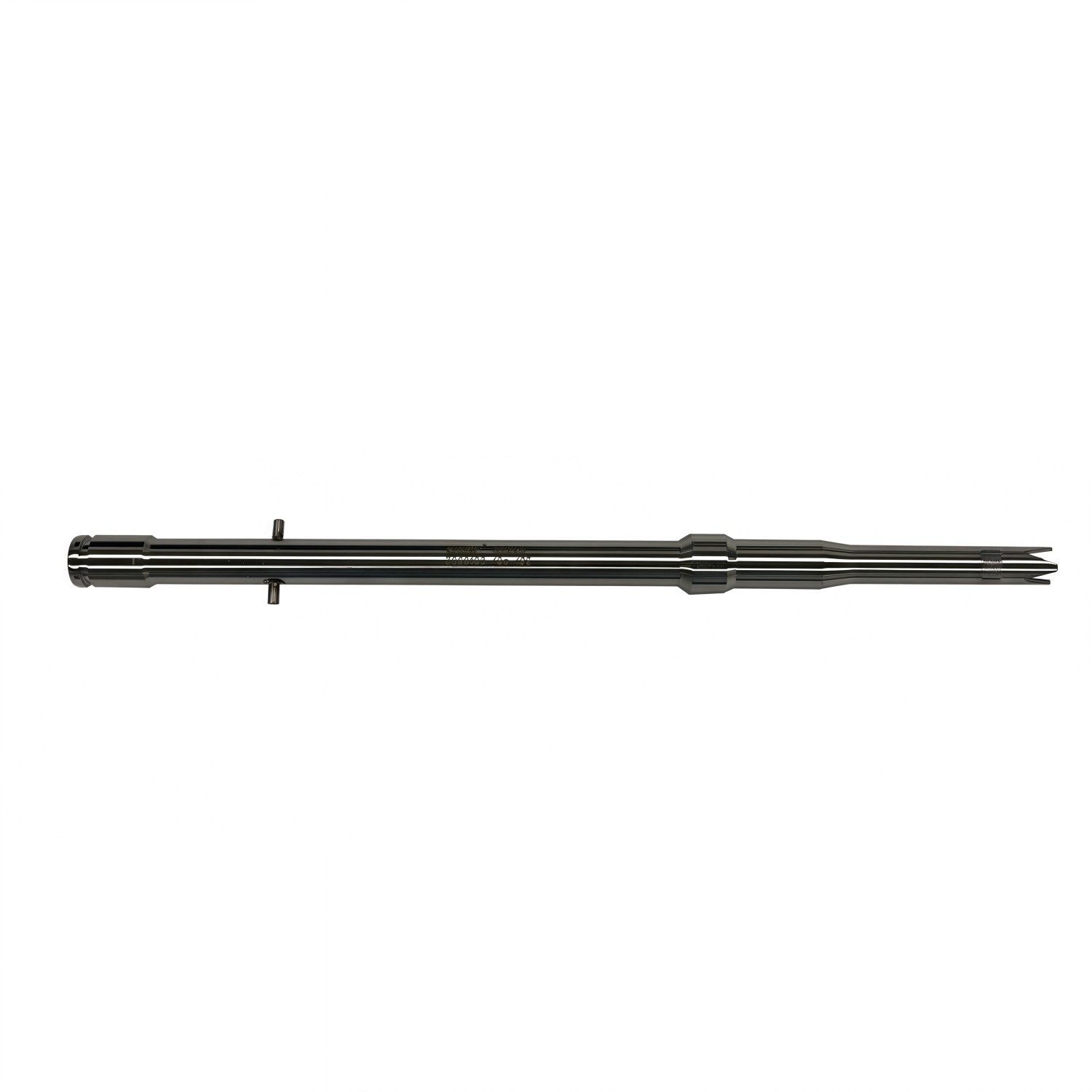
High-precision water-cooled core systems, such as those manufactured by BJY, are critical enablers of lightweight CSD preform programs. Uniform cooling across all cavities ensures consistent crystallinity and mechanical properties in every preform — the foundation of reliable lightweight bottle performance.
Premium CSD products — including energy drinks, craft sodas, and flavored sparkling waters — increasingly require multi-layer PET preforms incorporating oxygen barrier or UV protection layers. These co-injection preforms demand even tighter mould tolerances and more sophisticated hot runner systems to manage multiple resin streams simultaneously. The mould cavity geometry must accommodate the additional layer without compromising the overall preform weight or neck finish dimensions.
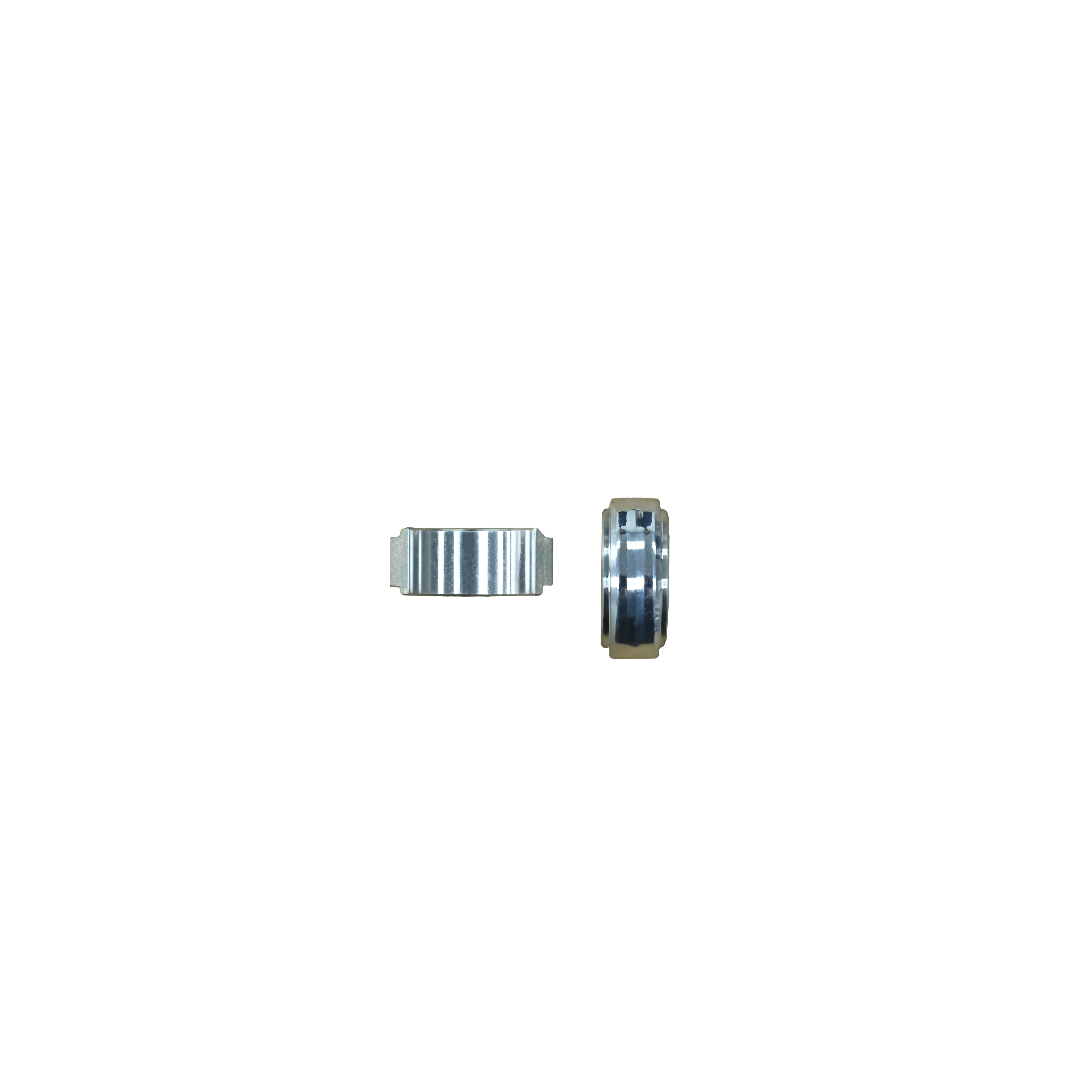
For CSD mega-factories operating across multiple countries, neck finish standardization is a critical operational requirement. A single cap specification — such as the widely used 29/25 PCO 1881 standard — must be produced with identical dimensions across every mould in every plant worldwide. This demands that neck ring assemblies and core components be manufactured to tolerances that ensure interchangeability across the entire global tooling fleet.
Modern CSD mega-factories increasingly operate on flexible production models, switching between multiple bottle sizes and formats within a single shift. This requires preform moulds engineered for rapid changeover — with standardized mould bases, quick-connect cooling circuits, and modular cavity inserts that can be swapped without removing the entire mould from the press. BJY's mould architecture supports this operational model, reducing changeover time from hours to minutes and maximizing productive uptime across the full production schedule.
The next generation of CSD preform moulds is pushing beyond 144 cavities toward 160 and 192-cavity configurations, enabled by advances in hot runner manifold design, precision cooling engineering, and injection machine clamping force optimization. These systems will further reduce per-preform energy and resin costs for the world's largest CSD bottlers.
Smart mould systems embedded with temperature, pressure, and vibration sensors are enabling real-time process monitoring and AI-driven predictive maintenance in CSD mega-factories. These systems can detect cavity imbalance, cooling degradation, and wear patterns before they affect product quality — dramatically reducing unplanned downtime and scrap rates.
As CSD brands commit to 25–50% recycled PET content targets, preform moulds must be engineered to handle rPET resins with higher viscosity variation and contamination sensitivity. This requires tighter gate geometry tolerances, enhanced hot runner temperature control, and surface treatments that resist the abrasive effects of recycled resin streams.
3D-printed conformal cooling channels — impossible to achieve with conventional drilling — are beginning to appear in high-performance CSD preform mould cores and cavities. These channels follow the exact contour of the preform geometry, delivering 20–35% faster cooling cycles and significantly improved wall thickness uniformity compared to conventional straight-drilled cooling circuits.
Leading mould manufacturers now deploy full digital twin models of CSD preform moulds before any steel is cut. Mold flow simulation, cooling analysis, and structural FEA are used to optimize cavity layout, gate position, and cooling circuit design — reducing development cycles from months to weeks and virtually eliminating first-article failures.
Global CSD bottling networks are adopting standardized modular mould architectures that allow cavity inserts, neck rings, and cores to be shared across multiple mould bases and plant locations. This approach reduces spare parts inventory, simplifies maintenance training, and enables rapid capacity scaling by adding cavity sets to existing mould frames.
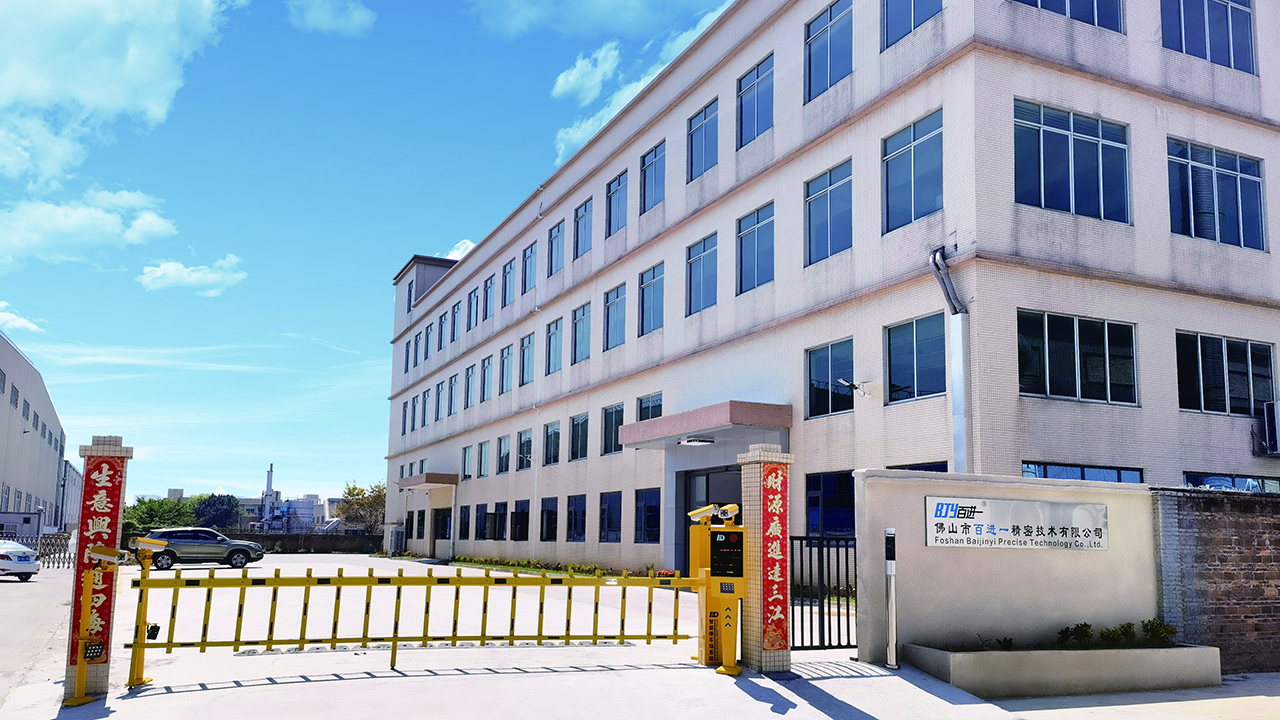
Foshan Baijinyi Precision Technology Co., Ltd. (BJY) stands as an epitome of innovation and excellence within the heart of Sanshui District, Foshan City. Established in 2011, our company symbolizes the fusion of tradition and modernity, strategically positioned to thrive within the vibrant economic landscape of Southern China.
Inspired by the timeless wisdom of the Chinese proverb, "A hundred feet pole, advance one step further," BJY embodies a spirit of perpetual advancement and innovation. Our name reflects our unwavering commitment to pushing boundaries and driving progress in every endeavor we undertake.
At BJY, we pride ourselves on our relentless pursuit of excellence. With a relentless focus on innovation and quality, we have earned a reputation as a leader in precision technology and manufacturing.
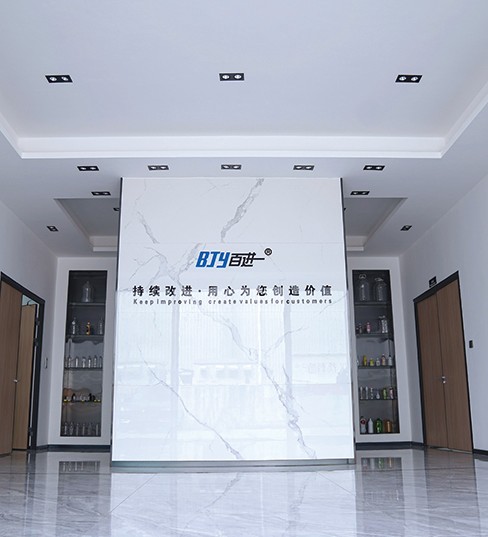
Step into the world of BJY, where tradition meets innovation, and every step forward propels us towards greater heights of success and distinction. Our manufacturing philosophy is rooted in the belief that precision is not a target — it is the baseline from which all improvement begins.
Over more than two decades of continuous operation, BJY has built a manufacturing infrastructure that rivals the world's best — combining Swiss-standard CNC machining, in-house hot runner production, and rigorous CMM-based quality inspection into a seamless production workflow that delivers consistent excellence on every mould we ship.
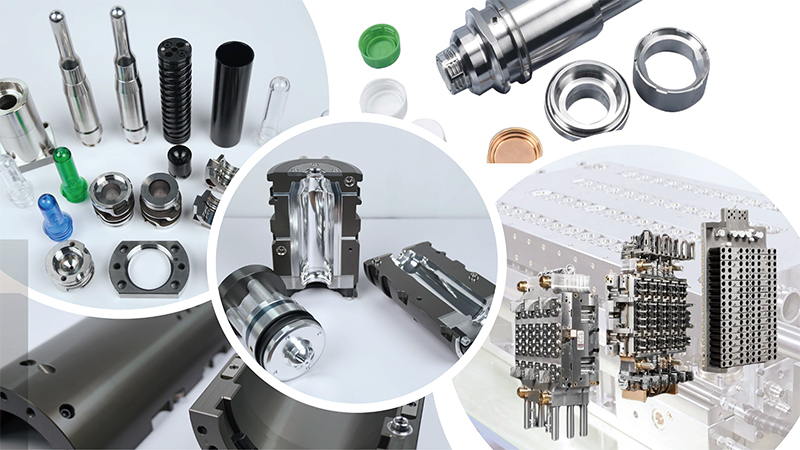
We are committed to designing and manufacturing PET liquid packaging molds, including blowing molds, PET injection molds, compression capping molds, and related accessories.
Our products are suitable for famous brands of blow molding machines, injection molding machines, capping machines, and related equipment from France, Germany, Italy, Canada, and other countries.
Widely used in the packaging field of beverages, edible oils, pharmaceuticals, and daily chemical products. Not only we can produce high-quality molds, but also provide one-stop professional services, such as bottle shape and preform design, equipment renovation projects, etc.
Our BJY teams are ready to provide you with more and better technology and services to create a win-win situation.
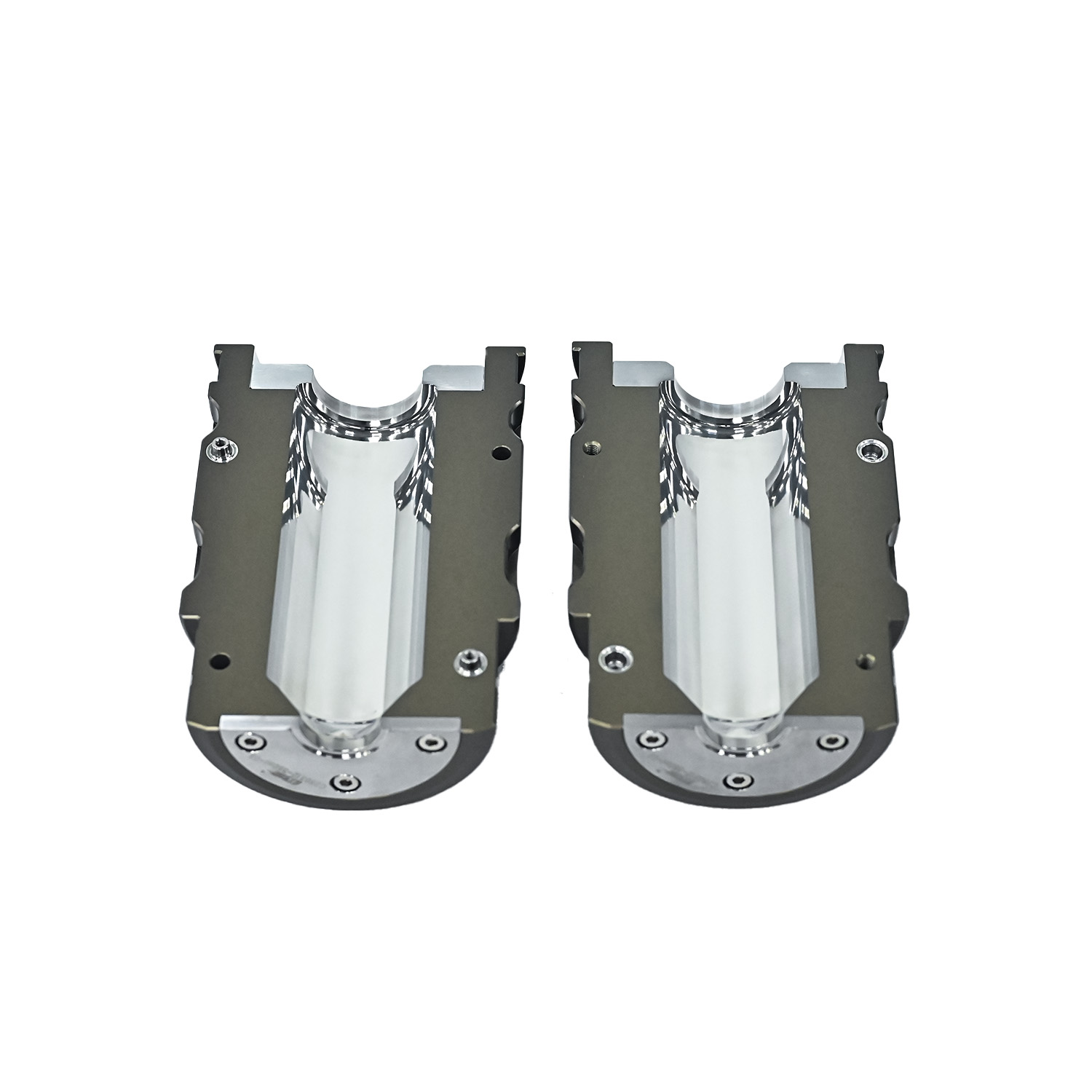

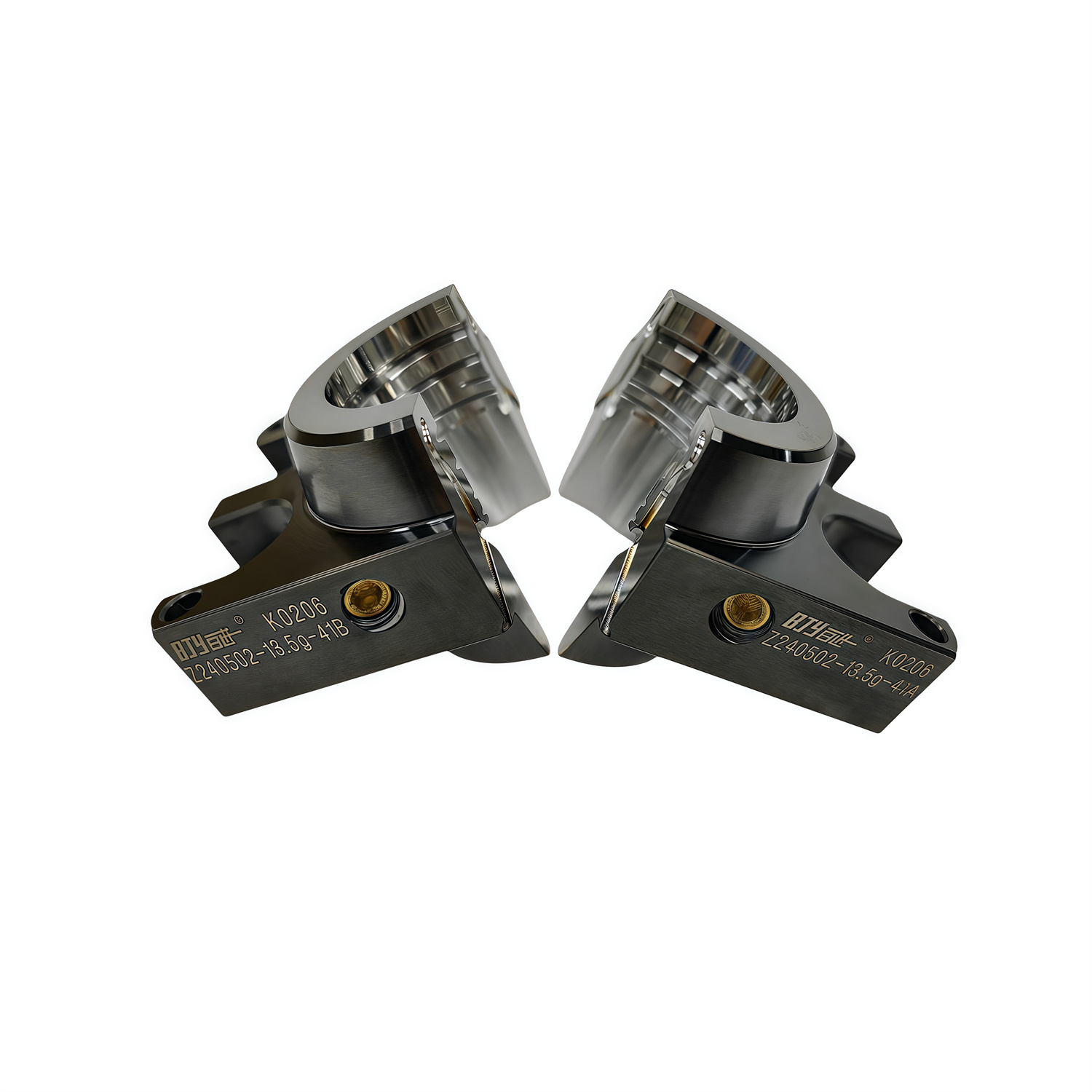
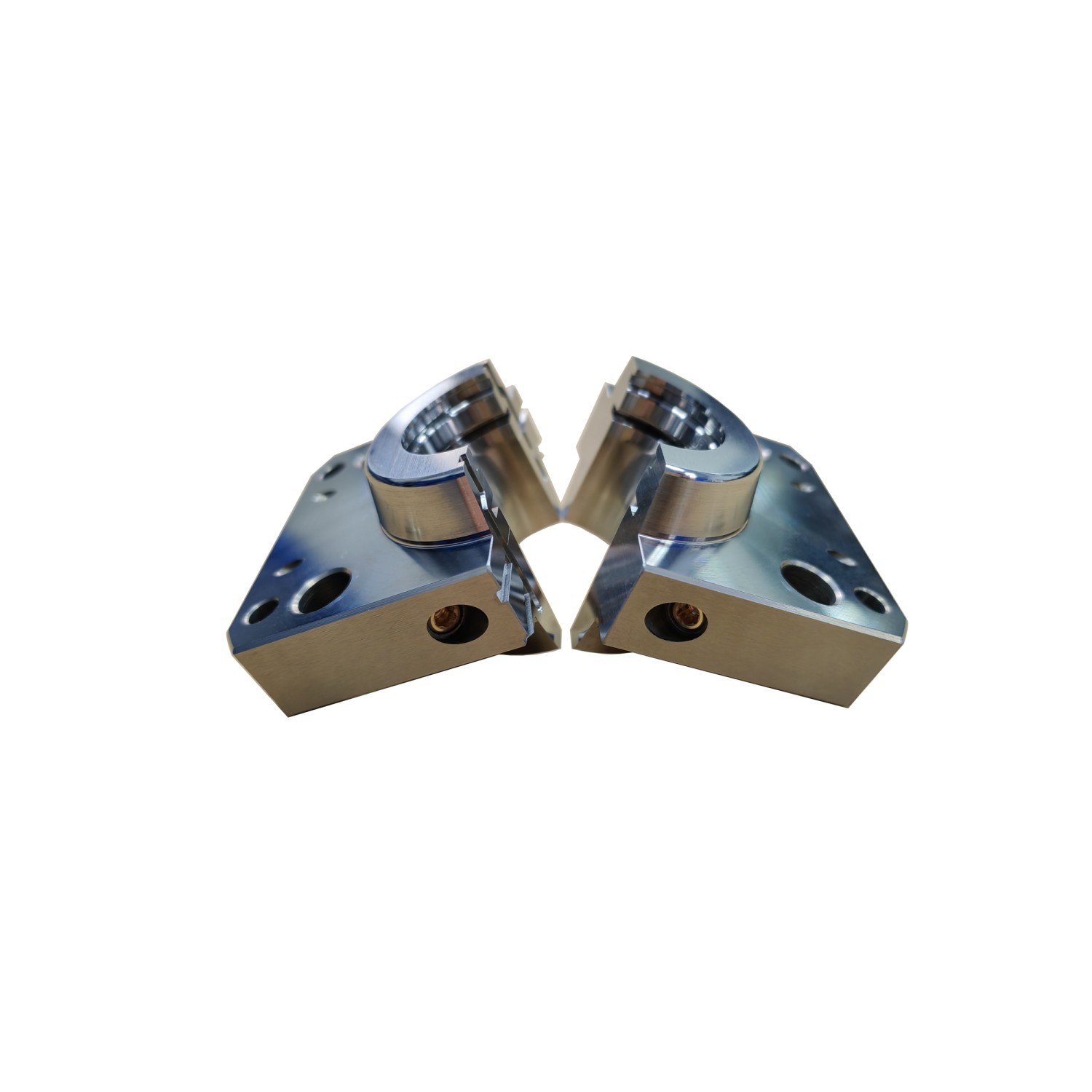
Connect with BJY's engineering team for a technical consultation on high-cavity PET preform mould solutions tailored to your production requirements.
Get a Technical Consultation →