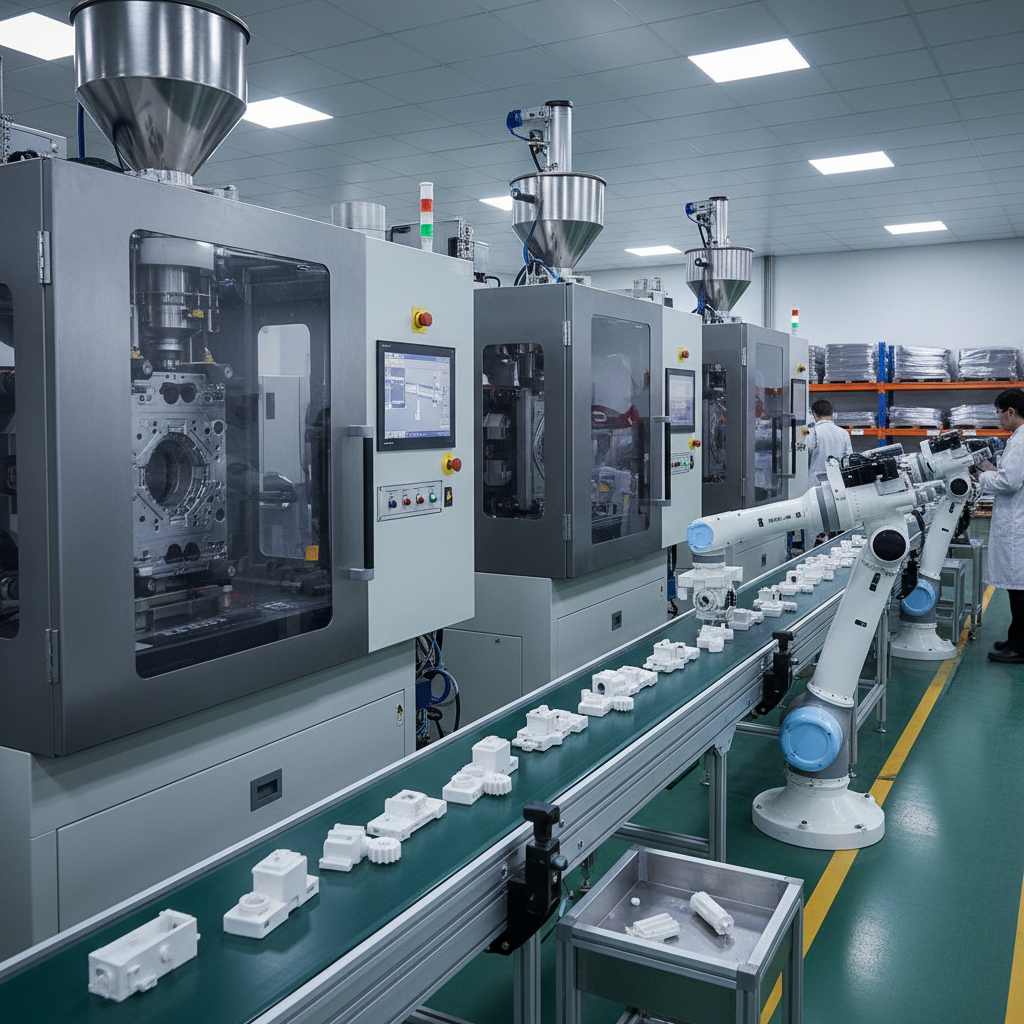
You know, in today's fast-changing world of manufacturing, tech has really shaken things up—especially with Injection Molds. I read somewhere that, according to Grand View Research, the worldwide injection molding market could hit around $300 billion by 2025. That’s mainly because people are really craving more precision and better quality in what they produce. And honestly, precision injection molding is a game-changer; it makes it possible to create really complex parts with super tight tolerances, which means better product performance and less waste—pretty impressive, right?
Plus, there's this study from MarketsandMarkets that says the market for precision injection molds is expected to grow at about 6.4% annually from 2020 to 2025. That’s a clear sign that companies are moving toward more advanced molding tech. The main perks of these precision molds? Faster cycle times, better material use, and super consistent results—things that can really give a business an edge. At the end of the day, if companies want to stay ahead and keep things running smoothly, investing in precision injection molds might just be the way to go. It’s all about staying competitive in a market that’s constantly shifting.
Benefits of Enhanced Accuracy in Precision Injection Molding Processes
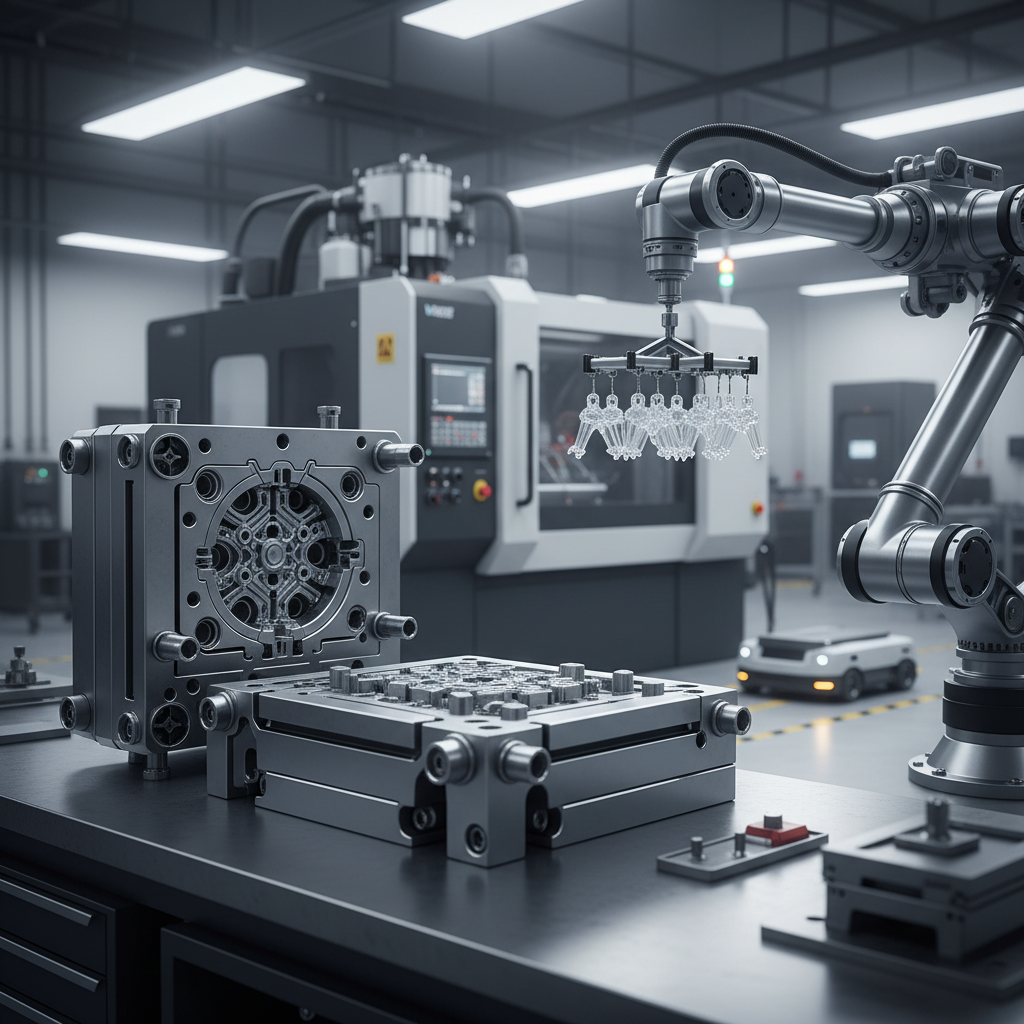
Precision injection molding has become an essential technique in modern manufacturing, significantly benefiting industries through enhanced accuracy. According to recent market projections, the global micro injection Molding Machine market is expected to grow from $551.3 million in 2025 to $759.2 million by 2032. This growth underscores the rising demand for high-precision components that meet stringent tolerances and specifications across various sectors.
The focus on enhanced accuracy in precision injection molding processes offers substantial advantages, particularly in the production of miniaturized components. As industries pursue smarter, more efficient solutions, the miniaturization trend is driving the development of powerful and sustainable devices. Furthermore, the in-mold labels market is anticipated to expand from USD 2.8 billion in 2025 to USD 4.7 billion by 2035, reflecting ongoing innovation and optimization in injection molding applications. As manufacturers continue to integrate advanced technologies, the improvements in precision not only boost product quality but also enhance operational efficiency, ultimately transforming the landscape of injection molding.
Reduction of Waste and Material Costs with Precision Molding Techniques
Precision injection molding techniques offer significant advantages in reducing waste and material costs, essential for any efficient manufacturing process. By utilizing highly accurate molds, manufacturers can produce components that require less material without compromising quality. This precision allows for tighter tolerances and more consistent dimensions, minimizing the need for excessive trimming or finishing work, which often results in leftover scrap. Consequently, businesses can streamline their production lines and divert resources away from waste management, enhancing overall efficiency.
Moreover, the adoption of precision molding leads to substantial cost savings. With the ability to use thinner materials while maintaining strength and durability, manufacturers can lower their overall material expenses. This efficiency not only contributes to reduced landfill waste but also promotes sustainable practices within the industry. As companies increasingly prioritize environmental responsibility, precision injection molds provide a pathway to achieve these goals while simultaneously improving the bottom line. The integration of these advanced manufacturing techniques underscores the shift towards more sustainable production methods in modern manufacturing environments.
Improved Product Consistency and Quality through Precision Injection Molds
Precision injection molds play a crucial role in enhancing product consistency and quality in the manufacturing process. By utilizing advanced technology and materials, these molds ensure that each product is manufactured with exact specifications that are consistently replicated across batches. This results in minimal deviations between items, which is vital for industries where precision is critical, such as automotive and medical devices. The ability to produce uniform components not only boosts reliability but also builds customer trust in the brand by minimizing defects and enhancing performance.
Furthermore, precision injection molds contribute to improved efficiency in production lines. With high accuracy in mold design and functionality, manufacturers can reduce waste and rework, leading to lower operational costs. This efficiency allows companies to respond quickly to market demands while maintaining high standards in product quality. By implementing precision injection molding, businesses are not only investing in the improved performance of their products but also in the optimization of their manufacturing processes, which ultimately supports growth and competitiveness in a rapidly evolving marketplace.
Faster Production Times and Increased Efficiency in Manufacturing
Precision injection molds are transforming the manufacturing landscape, enabling faster production times and enhanced efficiency. Recent advances in automation and AI showcase how precision manufacturing is not just about speed, but also about quality and reliability. For instance, AI applications have demonstrated the ability to predict and mitigate potential issues in production lines, significantly reducing downtime and waste. According to industry reports, companies that adopt precision injection molding techniques can increase their production speed by up to 30%, leading to a more agile supply chain.
Tips for maximizing efficiency with precision injection molds include investing in training for the workforce to ensure quick adaptation to new technologies. As the industry faces a retirement wave, upskilling new workers is critical; reducing the time it takes for them to become proficient can significantly impact overall productivity. Moreover, integrating AI-driven tools within manufacturing processes can allow for real-time monitoring and adjustments, further enhancing output.
In addition to training, staying updated on the latest manufacturing technologies is vital. With the rapid evolution of smart manufacturing solutions, companies should continually assess their systems and processes. Embracing innovations such as advanced welding and cutting technologies can complement precision injection molding, allowing for a holistic approach to efficiency and production.
Top 10 Benefits of Using Precision Injection Molds for Efficient Manufacturing
| Benefit | Description | Impact on Production |
| Faster Production Times | Precision molds allow for quicker cycle times, increasing throughput. | Reduces lead time and meets demand rapidly. |
| Increased Efficiency | Optimizes material usage and minimizes waste. | Cuts costs and improves profit margins. |
| Consistent Quality | High precision molds ensure uniformity in production. | Reduces defects and enhances product reliability. |
| Complex Part Design | Allows for intricate geometries and designs without compromise. | Enables innovation and customization. |
| Reduced Labor Costs | Automation can be integrated smoothly into the process. | Lowers overhead and increases ROI. |
| Versatile Materials | Supports a wide range of materials including thermoplastics and elastomers. | Enhances applications across multiple industries. |
| Lower Production Costs | Initial investment is offset by long-term savings. | Improves overall profitability. |
| Scalability | Molds can be adapted for different production volumes. | Flexible growth in manufacturing capacity. |
| Shorter Time to Market | Quicker transitions from design to production. | Enhances competitive advantage and market responsiveness. |
| Sustainability | Efficiency leads to lower energy consumption and waste. | Supports eco-friendly manufacturing practices. |
Flexibility and Adaptability of Precision Injection Molds for Various Applications
The flexibility and adaptability of precision injection molds play a crucial role in modern manufacturing processes, particularly in sectors such as packaging and automotive. These molds can be customized for various applications, enabling manufacturers to respond quickly to evolving market demands. For instance, the global molded plastic market is projected to grow from USD 758.69 billion in 2025 to USD 1,218.39 billion by 2033, reflecting a compound annual growth rate (CAGR) of 6.1%. This growth highlights the increasing reliance on technologies that offer customization and efficiency in production.
Recent advancements, such as the introduction of new materials tailored for diverse industrial needs, further illustrate the adaptability of precision injection molds. As the industry shifts towards eco-friendly solutions, precision tooling has emerged as a vital component to ensure both sustainability and production accuracy. Within this context, Foshan Baijinyi Precision Technology Co., Ltd. specializes in designing and manufacturing precision molds for PET liquid packaging, emphasizing the importance of flexible and reliable tooling in meeting specific application requirements. The integration of collaborative robots also enhances this adaptability by enabling high-precision, adaptable manufacturing processes across various industries, revolutionizing how products are developed and brought to market.
Long-Term Economic Benefits of Investing in Precision Injection Mold Technology
Investing in precision injection mold technology can lead to significant long-term economic benefits for manufacturers. This advanced molding technique allows for the production of highly accurate and consistent parts, reducing the need for secondary operations and minimizing waste. By streamlining the manufacturing process, companies can achieve faster turnaround times, which not only improves productivity but also enhances their competitive edge in the market.
Moreover, precision injection molds exhibit greater durability and longevity compared to traditional molds. This durability translates into lower maintenance and replacement costs over time, allowing businesses to allocate their resources more efficiently. The initial investment in precision technology can be offset by the substantial savings accrued from decreased labor costs and improved material utilization, ultimately resulting in a higher return on investment. As the demand for high-quality products continues to rise, companies that embrace precision injection molds will find themselves better positioned to thrive in an evolving market landscape.
Enhancing Production Efficiency: Insights from Industry Reports on the 72 Cavities 48.2g PET Preform Injection Mold
The 72-cavity PET Preform injection mold designed for 48.2g preforms represents a significant advancement in production efficiency within the plastic manufacturing industry. This mold is meticulously engineered to meet the demands of modern injection molding machines while emphasizing compatibility with Industry 4.0 standards. By integrating cutting-edge technology and innovative design features, manufacturers can achieve superior output quality and operational efficiency.
One of the standout aspects of this mold is its exceptional durability, crafted from premium materials that withstand the rigors of high-volume production. The design prioritizes effective thermal management and uniform material distribution, leading to increased consistency in product quality. Moreover, the reduced cycle times contribute to significant gains in productivity, making it an ideal choice for businesses looking to enhance their manufacturing capabilities. By leveraging the advantages of this advanced mold, companies can not only fulfill their production needs but also position themselves competitively in an evolving market.
FAQS
: Precision injection molding is a manufacturing technique that produces high-precision components with strict tolerances and specifications, crucial for various industries.
The global micro injection molding machine market is expected to grow from $551.3 million in 2025 to $759.2 million by 2032.
Enhanced accuracy in precision injection molding improves product quality and operational efficiency, supporting the production of miniaturized components and advanced devices.
The miniaturization trend in various industries is driving the development of precision injection molding technologies to create smaller, more efficient devices.
Precision injection molding reduces waste and material costs by allowing manufacturers to produce components with tighter tolerances, minimizing leftover scrap and the need for excessive trimming.
Precision injection molding contributes to environmental sustainability by reducing landfill waste and promoting efficient use of materials, aligning with modern priorities for environmental responsibility.
Precision molding enables manufacturers to use thinner materials without compromising strength, leading to substantial reductions in overall material expenses.
The in-mold labels market is anticipated to grow from USD 2.8 billion in 2025 to USD 4.7 billion by 2035.
Precision injection molds streamline production processes and reduce waste, making them a critical component for manufacturers aiming to adopt more sustainable production methods.
The integration of advanced technologies in precision injection molding enhances accuracy, boosts product quality, and transforms operational efficiency in manufacturing processes.
Conclusion
Precision injection molds offer numerous benefits that enhance manufacturing efficiency. Firstly, they significantly improve accuracy, which directly leads to a reduction in waste and material costs. This precision not only helps in maintaining high standards of product consistency and quality but also accelerates production times, allowing manufacturers to respond swiftly to market demands. Additionally, these molds are flexible and adaptable, making them suitable for various applications across industries.
Investing in precision injection mold technology is crucial for long-term economic benefits. Companies like Foshan Baijinyi Precision Technology Co., Ltd. specialize in designing and manufacturing advanced PET liquid packaging molds, which leverage these benefits to improve overall production processes. By utilizing high-quality injection molds, businesses can achieve greater efficiency and sustainability in their manufacturing operations.
 Chinese
 Email
Email Whatsapp
 WeChat