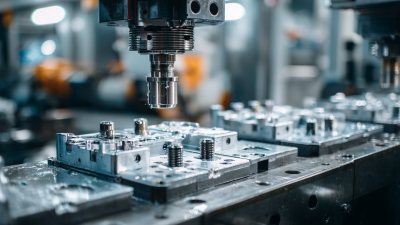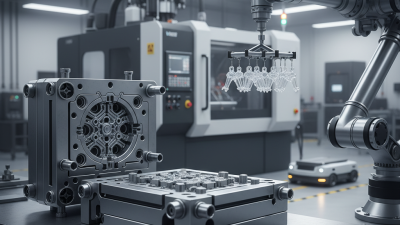
Picking the right Injection Cap Mouldsis honestly a pretty big deal if you want your production to go smoothly. A lot of manufacturers kind of overlook just how important it is to choose the correct moulds, and trust me, that can come back to bite you later. Bad choices here can mean wasted time, higher costs, and overall frustration. On the flip side, a good design for your injection Cap Mould can really boost the quality of your final product.
When you're checking out Injection Cap Moulds, it’s a good idea to think about your specific needs. Stuff like what material you’re using, how many units you plan to produce, and how complex your design is all matter. The right mould isn’t just about functionality; it can also save you a ton of time during production. Some folks might just look at the price and go for the cheapest option, but honestly, that usually leads to lower quality moulds — and that’s a gamble you don’t want to take.
And hey, don’t forget to consider your past experiences too. Maybe last time, a mould didn't quite meet your expectations or caused issues. Those lessons are super valuable when you're making a new choice. Bottom line: investing a bit of time in doing your homework really pays off. Quality moulds make better products and keep your customers happy in the long run. So, take your time and find the best Injection Cap Moulds For your setup — it’s worth it.

Injection cap moulds play a crucial role in manufacturing products with precision. Understanding their functionality is essential for any business in the injection molding industry. Data shows that over 40% of production issues stem from mold design flaws. This underscores the importance of selecting the right mould for specific applications.
When considering injection cap moulds, factors like material type and design complexity come into play. For instance, the use of high-quality steel can lead to better durability and efficiency. However, not all companies prioritize material selection. Recent industry analyses indicate that only 30% of businesses use advanced materials, risking production delays and increased costs.
The operational lifespan of a mould also varies significantly. Many moulds fail prematurely due to inadequate maintenance practices. Reports indicate that a poorly maintained mould can decrease efficiency by up to 20%. This statistic highlights the need for companies to invest time in routine checks. It raises questions about current practices in the industry. Are manufacturers doing enough to ensure optimal mould performance?
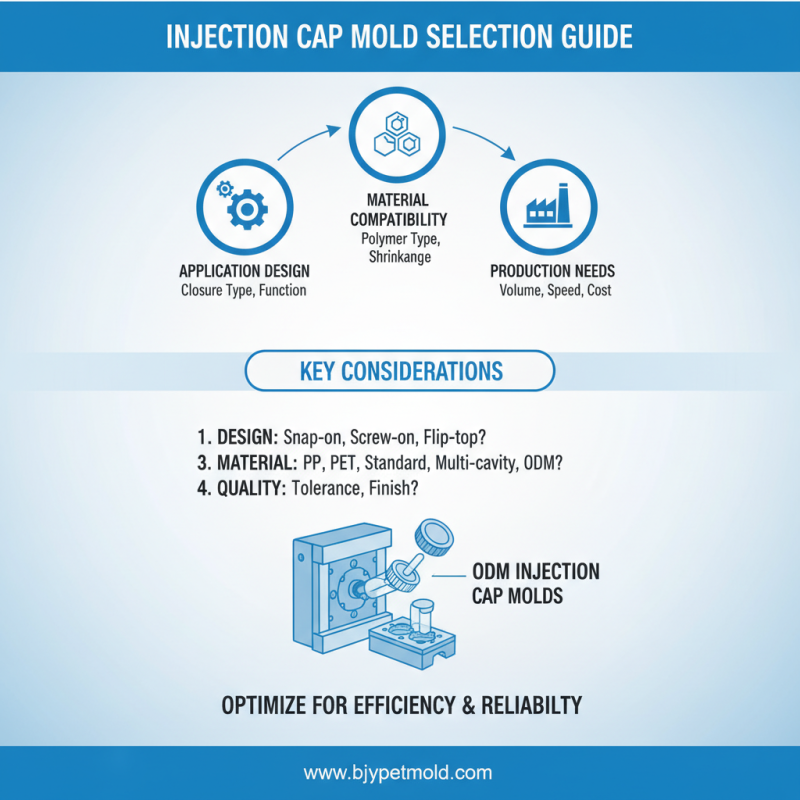
Choosing the right injection cap moulds requires careful thought. Different applications need different designs. Consider the material you will use for your caps. Some materials require specific mould specifications. ODM Injection Cap Moulds can be versatile, but you must assess their compatibility with your production needs.
Think about the production volume as well. Large-scale operations need robust moulds that withstand high stress. Smaller productions might favor more economical options. Look into the cooling and heating systems, too. Efficient thermal management can enhance production time and quality. If the system is not effective, you might face delays and defects in your products.
Don’t overlook the complexity of the mould design. Intricate designs can add to the cost and production time. Assess whether the complexity serves a clear purpose. Evaluate your budget versus the expected return. In the end, aligning the mould characteristics with your unique requirements is crucial. Reflecting on these factors will guide you toward the best decisions.
When selecting injection cap moulds, understanding their types is crucial. There are several variations designed for different applications. Some moulds are fabricated for producing standard caps, while others cater to unique shapes and sizes. For instance, sports bottle caps require a specific design for optimal usability. Each type serves a distinct purpose in various industries.
OEM Injection Cap Moulds are popular choices in the market. They offer customization options for specific needs. However, manufacturers must ensure quality control. A poorly designed mould can lead to defects in the final product. Issues like misalignment and surface imperfections can affect both appearance and functionality. It’s essential to evaluate the design thoroughly before proceeding.
Another type is medical cap moulds. These require precision and strict adherence to hygiene standards. In pharmaceutical contexts, the mould’s quality directly impacts safety. Unfortunately, some companies overlook these factors. This oversight can lead to errors in production. Choosing the right mould is vital for maintaining safety and efficiency in operations.
When evaluating material choices for injection moulds, several key factors come into play. The right material impacts the durability of the China Injection Cap Moulds. Common options include steel and aluminum. Steel is robust, but it can be heavier and more costly. Aluminum is lightweight and allows for faster production, yet it may not last as long under heavy use.
At times, one might overlook the importance of thermal conductivity. Good conductivity leads to better heat management during production. If the material doesn't conduct heat well, it could result in longer cycle times. This inefficiency may affect overall productivity. Moreover, considering the environmental impact is crucial. Some materials are recycled easier than others, influencing sustainability efforts.
One must also think about the finish quality of the moulds. A rough finish can lead to imperfections in the final product. This can be detrimental if precision is required. Engineers must be aware of how these choices affect long-term performance. While it may seem trivial, the right material selection is vital in achieving desired results.
This chart represents the common material choices for injection moulds and their respective usage percentages in the industry.
When selecting injection cap moulds, precision and tolerance play a crucial role. The fit and finish of each part directly influence the quality of your final product. Even slight deviations can lead to issues like leaks or poor assembly. Precision is not just a number; it affects production efficiency and costs.
Tolerance in mould design ensures that parts fit together seamlessly. It dictates how much variation is acceptable during manufacturing. For instance, too tight a tolerance may increase production time and waste materials. A balance needs to be struck. Therefore, designers need to reflect on the impacts of their choices carefully.
When investing in injection cap moulds, the balance between cost and quality is critical. A recent industry report indicated that around 70% of manufacturers prioritize quality over cost to ensure product longevity. While cheaper options may save money initially, they often lead to increased maintenance and replacement costs. This can ultimately discourage business growth.
Quality moulds can reduce production defects and improve the final product. For instance, high-quality moulds yield an average of 15% more finished products per cycle. Consider this: does the cost of multiple lower-quality moulds equal the price of one high-quality option? It’s important to evaluate the long-term impact.
Tips: Always request Injection Cap Moulds Quotes from multiple suppliers. Compare the maintenance plans included in these quotes. Reliable suppliers often provide better terms. Don't overlook the importance of customer support. Mixed reviews can be a sign of hidden problems. Make informed decisions; quality moulds should stand the test of time.
Proper maintenance of injection moulds is crucial for longevity. Regular cleaning prevents buildup of residues. This enhances the quality of production. According to a report by the Society of Plastics Engineers, poor maintenance can reduce mould life by up to 30%. This statistic highlights the need for a routine inspection schedule.
Storing moulds in a controlled environment avoids corrosion and wear. Humidity and temperature fluctuations can lead to defects. Industry studies show that controlled storage can extend mould lifespan significantly. It's advisable to use protective oils to prevent oxidation. Make sure to regularly inspect insulation materials. This practice keeps the moulds in optimal condition.
Periodic repairs should not be overlooked. Small cracks can lead to bigger issues. Addressing minor damages early can save costs. A preventative approach is often more effective than reactive maintenance. Adopting best practices in care can ultimately lead to more efficient production cycles.
: Good mental health improves relationships. It enhances focus and productivity too.
Engaging in regular exercise helps. Mindfulness and proper sleep make a difference.
Yes, occasional stress is common. However, prolonged stress needs attention.
Breaking tasks into smaller parts can help. Communicating with someone can also provide relief.
Changes in mood or behavior are red flags. Withdrawal from loved ones is concerning too.
Strong social ties can significantly boost mental health. Loneliness often leads to decline.
Seeking help shows strength, not weakness. It's important to prioritize your well-being.
A balanced diet can enhance mood. Certain nutrients positively influence brain function.
Lack of sleep can worsen anxiety and depression. Proper rest is essential for recovery.
Self-reflection helps you understand your feelings. It guides you in making better choices.
Choosing the right Injection Cap Moulds is crucial for achieving efficiency and quality in production. Understanding the fundamentals of Injection Cap Moulds, including their types and applications, allows manufacturers to select the best options for their specific needs. Key factors such as material choices, precision, and tolerance must be assessed to ensure that the moulds meet desired performance standards.
Additionally, balancing cost and quality is an essential consideration, as investing in high-quality Injection Cap Moulds can lead to long-term savings and reduced maintenance costs. Regular care and maintenance are also vital for extending the lifespan of these moulds, ensuring optimal operation over time. By taking these factors into account, businesses can make informed decisions that enhance productivity and product quality.
Chinese