Leave Your Message
*Name Cannot be empty!
* Enter product details such as size, color,materials etc. and other specific requirements to receive an accurate quote. Cannot be empty
0%

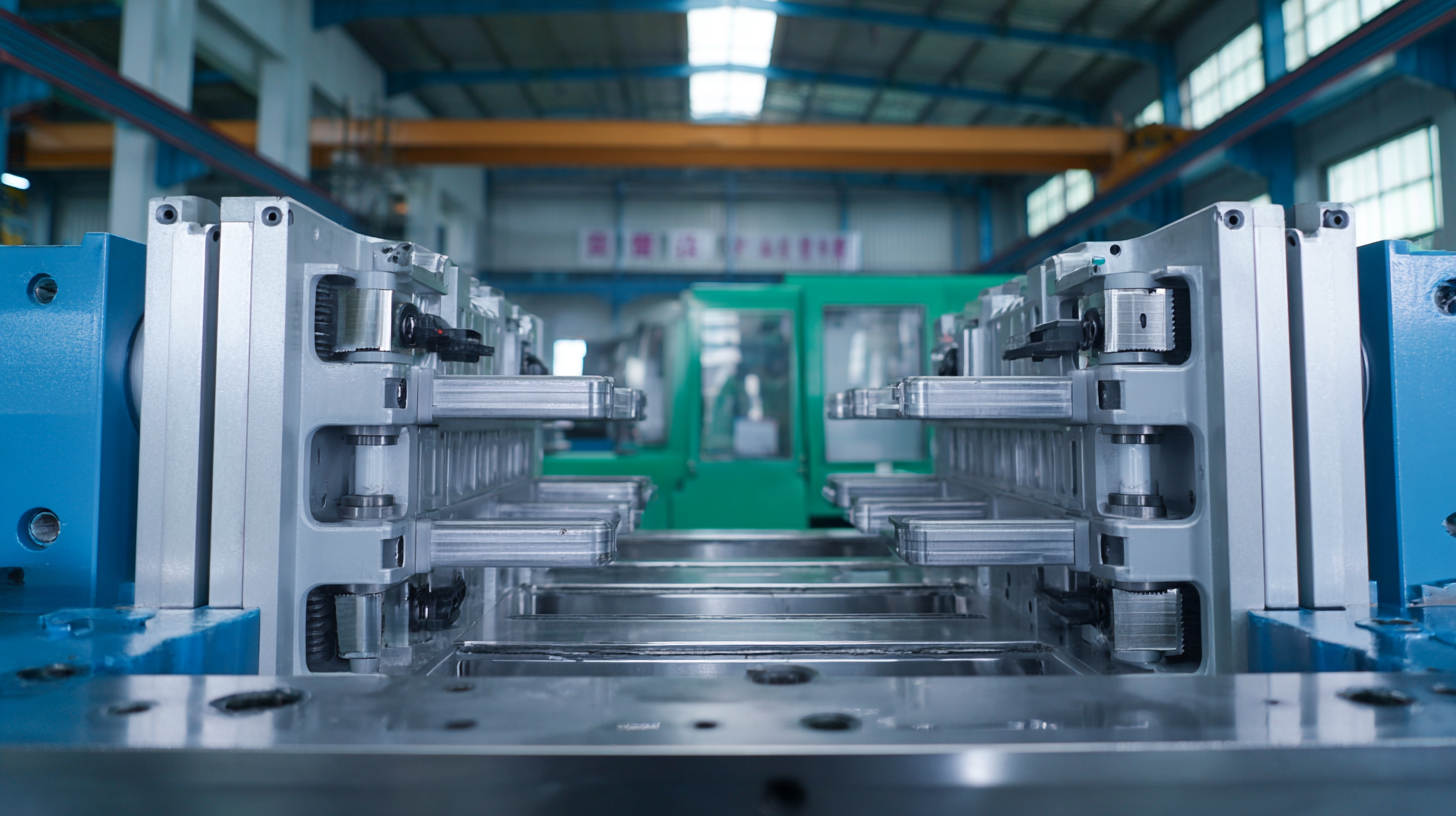
In the ever-changing world of packaging solutions, Blow Molding Molds really stand out when it comes to boosting production efficiency and cutting down on material costs. According to a report from MarketsandMarkets, the global blow molding market is expected to hit around $11.68 billion by 2025, growing at roughly 5.7% every year. A big part of this growth is driven by the rising demand for lighter, more recyclable packaging across industries like food and drinks, pharmaceuticals, and household goods. Foshan Baijinyi Precision Technology Co., Ltd. (BJY) is leading the charge in this space. They specialize in designing and making PET liquid packaging molds—things like Blow Molding Molds. By crafting highly precise molds and accessories, BJY isn’t just helping manufacturers streamline their production—they’re also helping save a lot of money in the process. All in all, they’re really committed to pushing innovation and excellence in the packaging mold industry.
Understanding the Impact of Blow Molding Molds on Production Efficiency and Material Cost Reduction

Factors Influencing Blow Molding Mold Design for Optimal Production Efficiency

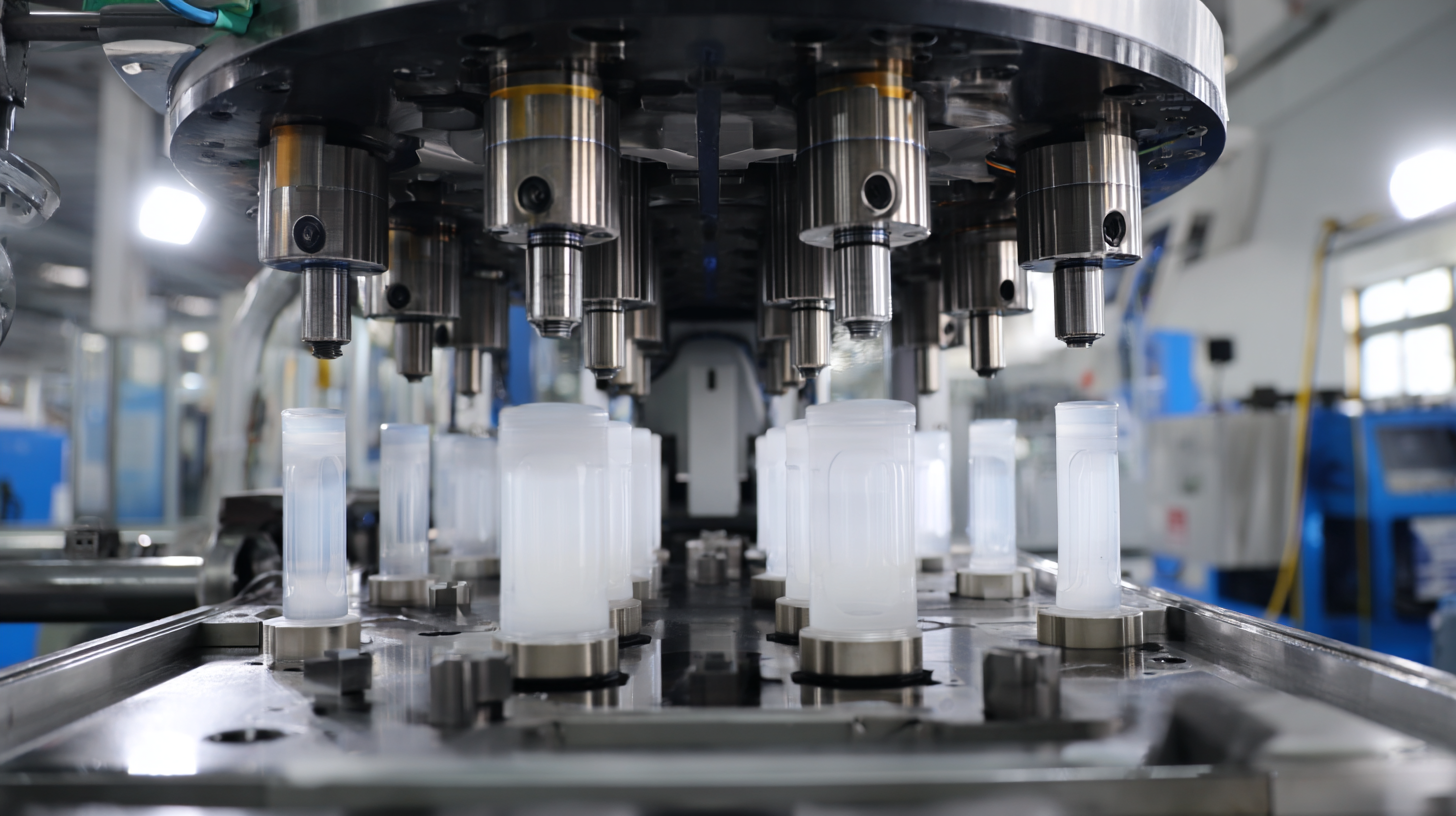
When it comes to blow molding, the way you design your molds really makes a big difference in how smoothly production runs and how much you save on materials. There are quite a few things to keep in mind if you want to create an ideal mold. For starters, the shape of the mold itself is pretty much the foundation—it needs to be carefully crafted so that the material spreads out evenly during molding. Getting this right helps cut down on mistakes and ensures more good parts come out, which means everything runs more efficiently. And let’s not forget about the cooling channels. Having an effective cooling system in the mold can slash cycle times, so you can produce more in less time, saving both time and money.

Another thing that really counts is what material you choose for making the molds. Using high-tech, durable materials that withstand heat and last longer can boost how well the mold performs and how long it stays in good shape. This means fewer replacements and better quality products, which is super important if you want to stay competitive price-wise. Plus, today’s design tech, like simulation software, can help you spot potential problems way before you even start making the mold. That kind of prep saves you from costly delays down the line. Overall, taking the time to plan out your mold design thoughtfully doesn’t just make production smoother—it also helps cut down on material costs in a more strategic way.
Understanding the Impact of Blow Molding Molds on Production Efficiency and Material Cost Reduction

Best Practices for Selecting Materials to Minimize Blow Molding Costs

In the world of blow molding, things are always changing, and picking the right materials is a big deal if you wanna keep things running smoothly and keep costs in check. Recently, there’s been some exciting stuff—like new polypropylene mixes, especially those with added minerals, that can really boost the look of complex auto interior parts. These updates just highlight how important it is to source materials that do their job well but also look good—without blowing up the budget all the time.

Plus, a lot of companies are now really focused on being more eco-friendly. That’s why we’re seeing more interest in biocomposites and other green materials. Using these not only helps cut material costs but also lines up with what eco-conscious consumers and regulators are asking for. By being thoughtful about the materials we choose—considering how they perform and whether they can be recycled—manufacturers can kill two birds with one stone: save some money and make the production process more efficient in blow molding. It’s all about finding that sweet spot, right?

How Innovative Mold Technologies Enhance Blow Molding Output

When it comes to blow molding, using innovative mold technologies really makes a big difference. They not only boost production speed but also help cut down on material costs—pretty important in today's competitive market, right? I read somewhere that the global blow molding scene is expected to keep growing steadily, and a big part of that push is thanks to smarter mold designs. These days, you’ve got options like multi-cavity or rotary molds that can crank out up to 50% more products—that’s a game-changer for manufacturers trying to keep up with demand without sacrificing quality.

Plus, there’s this whole new wave of smart molds that come with IoT tech. Imagine being able to monitor and tweak the process in real-time—that’s exactly what some companies are doing now. A survey from the International Society of Plastics Engineers found that businesses using these smart molds have managed to cut their material waste by around 20%. How? They’re controlling cooling and heating cycles much more precisely, which helps get the most out of the materials and reduces defects. By jumping on these tech advancements, manufacturers aren’t just improving their production—they’re also saving a lot of money and staying ahead in this fast-changing industry. It’s pretty exciting stuff, honestly.

Strategies for Maintaining and Upgrading Molds to Ensure Longevity and Performance

Taking good care of your blow molding molds—keeping them in tip-top shape and upgrading them when needed—is honestly a game-changer for boosting production and cutting down on material costs. It's a smart idea to do regular inspections to catch any signs of wear and tear early on. Setting up a preventive maintenance routine that includes cleaning, lubrication, and swapping out worn-out parts can really keep things running smoothly. When you catch and fix small issues before they become big problems, you avoid costly downtimes and big repairs down the line.

Here's a tip—keep a maintenance log! Jot down what you check and when, so you can spot any patterns or recurring issues and tackle them before they turn into bigger headaches.

Upgrading your molds with the latest tech can also give your productivity a serious boost. Things like better cooling channels or interchangeable components can extend your mold’s lifespan and make them more effective. Plus, investing in high-quality materials when building or refurbishing molds can cut down on how often you need replacements, which obviously saves money.

Another good idea? Talk to your mold suppliers. They can help you pick out materials and designs that fit perfectly with your production needs. Plus, quality molds should stay flexible enough to adapt as your products or processes evolve over time.

Measuring the Impact of Mold Changes on Overall Production Workflow Efficiency

When it comes to blow molding, the design and performance of the molds really make a big difference in how smoothly your whole production process runs. Every time you swap out a mold, it’s a good idea to think about how that change might shake things up—like affecting cycle times, setup durations, or even the consistency of what you're producing. Getting a handle on these patterns helps manufacturers spot bottlenecks or inefficiencies early on, so they can tweak things to cut down on downtime and make sure the quality stays high.

A handy-tip? Try using a standard checklist for mold setup. It sounds simple, but sticking to a set routine can really cut down on mistakes and help you switch over to a new mold faster. Plus, training your team on proper mold handling and maintenance isn’t just a good idea—it can actually extend the life of your molds and boost overall efficiency.

Timing is also key here. Planning your mold changes around your production schedule can save a lot of headaches. By looking at your workflow and figuring out the best times for swaps, you can avoid unnecessary disruptions and keep things rolling smoothly. Keeping open lines of communication between design and production teams is another big help—making sure everyone’s on the same page about any mold adjustments before they happen can seriously improve the overall flow.

And don’t forget, tracking how your molds perform over time with data analytics is super useful. Regularly reviewing this info can reveal helpful trends and guide your decisions on when to do maintenance or updates. That way, you lower costs on materials and keep things running as efficiently as possible.

Cost-Benefit Analysis of Advanced Blow Molding Molds on Manufacturing Processes

When you look at the cost-benefit side of using advanced blow molding molds, it really becomes clear that there are some pretty big perks for manufacturers trying to boost their production efficiency without breaking the bank on materials. Investing in top-notch molds can actually help you get more precise results, which means less scrap and less wasted material overall. These newer molds often come with smart designs and tech features, like better heat distribution and faster cycle times—stuff that translates into using less energy and getting products out the door quicker.

On top of that, these advanced molds make it possible to produce lightweight but super durable products. That’s a win-win: you cut down on material usage, and at the same time, you’re hitting the sweet spot for eco-conscious consumers who love sustainable packaging. As the technology behind these molds gets better, materials costs tend to go down, so companies can actually pass some of those savings onto their customers with competitive pricing. In the end, while the upfront cost might seem steep, the long-term savings and efficiency gains make investing in new blow molding molds a pretty smart move—especially if you’re serious about operational efficiency and staying ahead of the game.

Understanding the Impact of Blow Molding Molds on Production Efficiency and Material Cost Reduction

Innovative 500ml Aluminum Blow Mold Shell for Enhanced Protection and Versatility of PET Bottles

The innovative 500ml aluminum blow mold shell is a groundbreaking solution designed to enhance the production of Pet Bottles, offering manufacturers a significant advantage in today's competitive market. According to recent industry reports, the global plastic bottle market is projected to grow at a CAGR of 4.3% from 2023 to 2030, driven by increasing demand for lightweight and recyclable packaging. In this context, the aluminum mold shell not only supports the production of lightweight PET bottles but also maximizes thermal efficiency through its superior thermal conductivity. This ensures a rapid cooling process, which is crucial in reducing cycle times and improving overall manufacturing efficiency.

Moreover, the versatility of this mold shell is underscored by its compatibility with various blow molding machines, making it ideal for the beverage, food, and personal care sectors. The anodized treatment on its surface significantly enhances wear resistance, which is vital given that the average production line can produce thousands of bottles per hour. This extended service life is particularly beneficial in high-volume production settings, as it minimizes downtime and maintenance costs. Adopting advanced materials like premium aluminum alloys aligns with the industry's shift towards innovative, sustainable packaging solutions, thereby meeting not only operational demands but also environmental expectations. The aluminum blow mold shell is poised to set new standards for quality and efficiency in PET bottle manufacturing.

FAQS

: Why is mold design important in blow molding production?

: Mold design is crucial as it influences production efficiency and helps reduce material costs by ensuring uniform material distribution, minimizing defects, and maximizing the number of good parts produced.

What role does mold geometry play in blow molding?

Mold geometry must be precisely engineered to ensure uniform material distribution during the molding process, which is essential for minimizing defects and optimizing production efficiency.

How do cooling channels affect blow molding efficiency?

Efficient cooling mechanisms within the mold can drastically reduce cycle times, leading to increased production output and significant cost savings.

What materials are recommended for blow molding molds to enhance performance?

Advanced materials that provide greater durability and thermal stability are recommended, as they enhance mold performance, longevity, and the quality of the molded products.

How can simulation software benefit mold design?

Incorporating simulation software in the mold design process helps identify potential issues early, optimizing production workflows and preventing costly delays.

What is the significance of material selection in blow molding?

Selecting the right materials is crucial for optimizing production efficiency and minimizing costs, as it impacts both the functional performance and aesthetic appeal of the final products.

What types of materials are gaining attention in blow molding due to sustainability?

Biocomposites and eco-friendly materials are gaining attention, as they help reduce material costs while also meeting consumer and regulatory demands for environmentally responsible manufacturing.

How do polypropylene compounds contribute to blow molding?

Innovative polypropylene compounds, particularly those reinforced with minerals, enhance aesthetic qualities in complex parts without significantly increasing production expenses.

What is the dual benefit of selecting the right materials for blow molding?

Careful material selection can lead to both cost reduction and improved production efficiency in blow molding applications.

How does mold performance impact competitive pricing?

Enhanced mold performance and product quality contribute to maintaining competitive pricing in the market by minimizing the frequency of mold replacements and defects.

Conclusion

The article titled "Understanding the Impact of Blow Molding Molds on Production Efficiency and Material Cost Reduction" really dives into just how important blow molding molds are when it comes to making manufacturing run smoothly. It points out some key factors that affect mold design — things that can help boost production speed and keep costs down by choosing the right materials. Plus, it highlights how new, innovative mold tech is a game-changer for increasing output, giving manufacturers a real edge over the competition.

Another thing the article stresses is the importance of keeping molds in good shape—regular maintenance and upgrades are essential if you want them to last and perform well over time. It also shares some useful insights on how changing molds can impact the overall production flow and even walks through a cost-benefit analysis of using more advanced blow molding molds. For companies like Foshan Baijinyi Precision Technology Co., Ltd., which specializes in designing top-notch PET liquid packaging molds, these points really hit home—investing in cutting-edge mold technology isn’t just a good idea; it’s crucial for ramping up your production game.

So yeah, if you’re into manufacturing or just curious about how to make your process more efficient, this article kind of walks you through all that in a pretty engaging way.

Isabella

Isabella

Isabella is a dedicated marketing professional at Foshan Baijin Precision Technology Co., Ltd., where she plays a pivotal role in promoting the company’s advanced precision products. With a strong background in precision technology, Isabella possesses in-depth knowledge of the company’s offerings,......
Previous Future Innovations in Blow Moulders and Their Advantages for Global Buyers