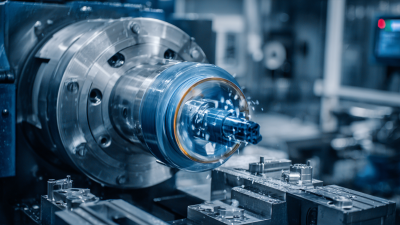
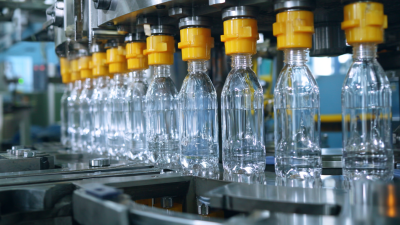
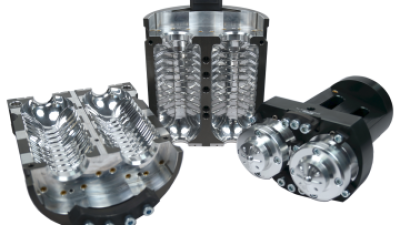
You know, in today’s fast-changing world of manufacturing, blow molding molds have become absolutely crucial—especially when it comes to liquid packaging. I’ve come across some recent industry reports that say the global market for blow molding is expected to hit around $12 billion by 2025. That’s mainly because more and more folks are demanding lightweight and eco-friendly packaging materials. Companies like Foshan Baijinyi Precision Technology Co., Ltd. (BJY) are really leading the charge here. They’ve got a real knack for designing and making top-notch PET liquid packaging molds—stuff like Blow Molds, PET injection molds, and compression capping molds. As manufacturers try to get more efficient and greener, it’s pretty clear that understanding the ins and outs of blow molding molds is a must if you want to stay ahead, optimize your processes, and keep up with what consumers want. Thanks to BJY’s focus on precision and innovation, they’re definitely playing a big role in shaping what packaging technology looks like down the road.
The Importance of Material Selection in Blow Molding Molds
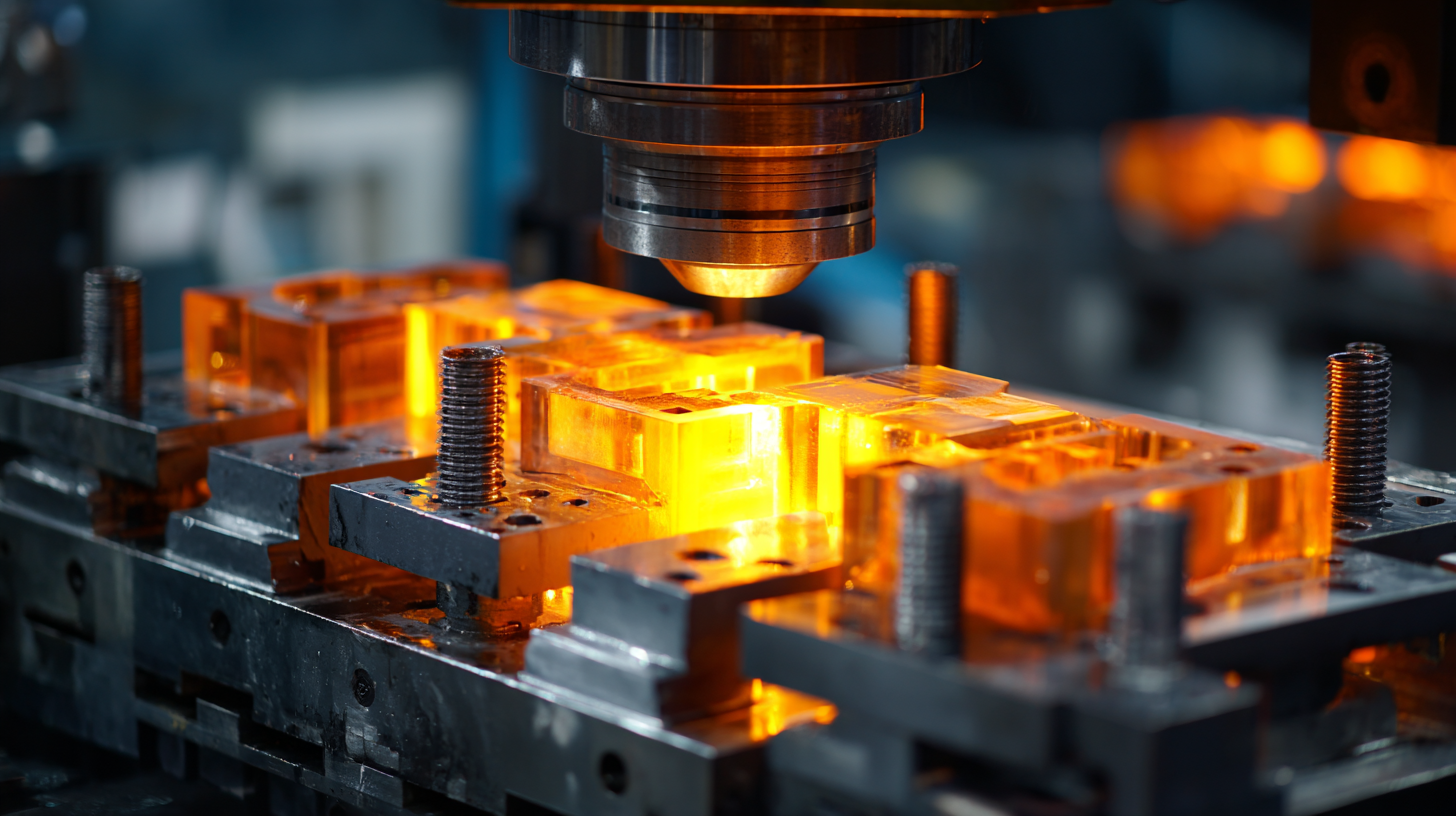
Picking the right material for blow molding moldsis pretty dang important these days in manufacturing. It’s not just about getting the job done—it really impacts how efficient, durable, and top-quality the finished products are. You’ve gotta pick materials that match up with the specific demands of your process—stuff like how well they conduct heat, their strength, and how resistant they are to wear and tear.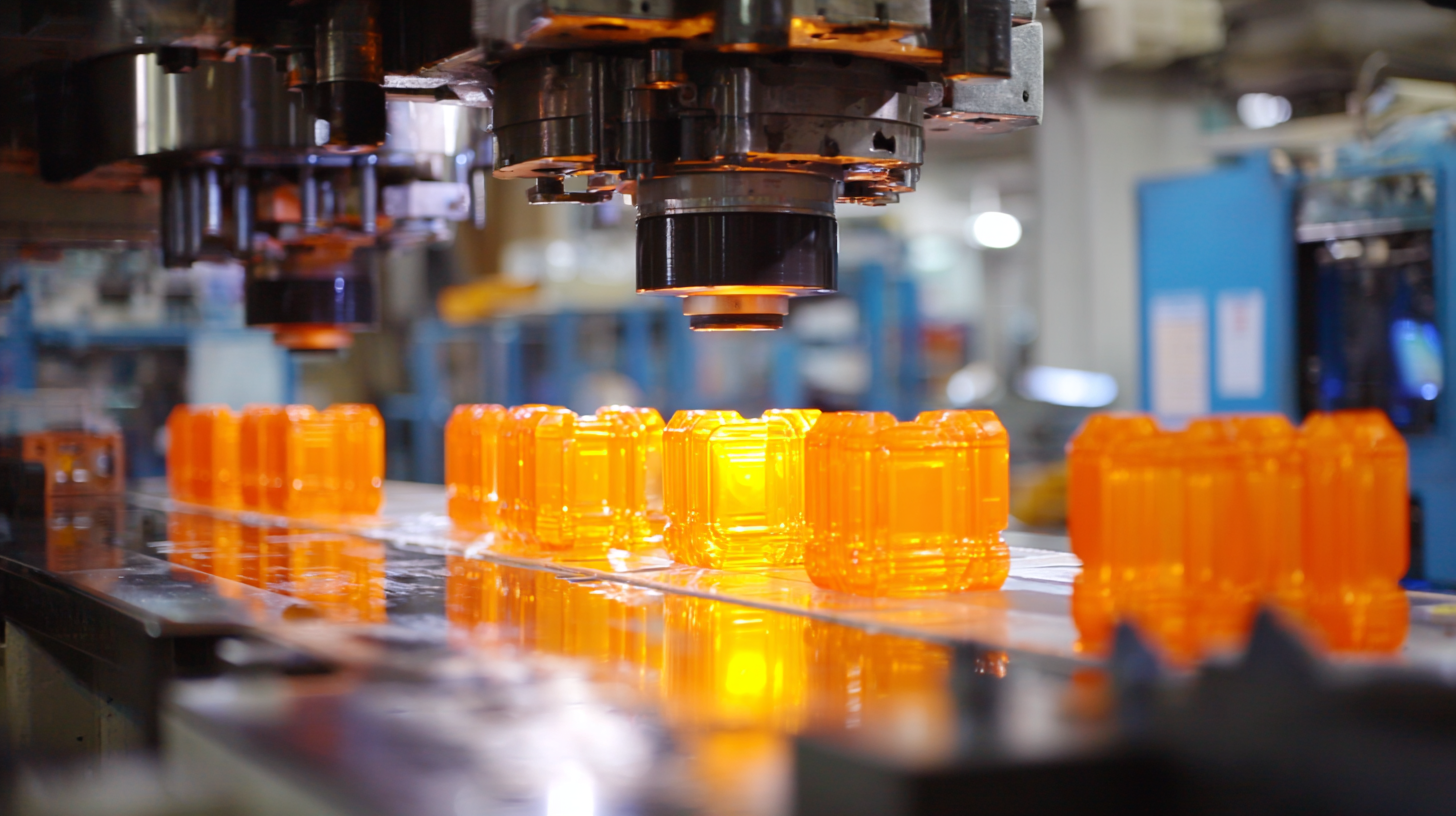 Usually, folks go with aluminum or steel for molds, and each one has its perks. Aluminum molds are super lightweight and easy to machine, which makes them great if you’re doing a lot of production fast. Steel molds, on the other hand, are tougher and last longer, especially handy when you’re working on more complex designs or smaller batch runs.
Plus, the material has to handle the high temps and pressures that come with blow molding. That means you gotta understand not just the material’s properties but also the processing conditions. For example, a material with higher thermal stability is less likely to deform and will help your mold last longer. At the end of the day, choosing the right material can really make a difference—saving time, cutting costs, and improving overall efficiency on the factory floor. So, manufacturers really need to weigh their options carefully—balancing performance with what makes sense financially—to get the best results out of their blow molding setups.
Key Design Elements for Innovative Blow Molding Processes
You know, blow molding is such a key process when it comes to making hollow plastic items – like bottles, but also much more complex industrial parts. As industries keep evolving, the design of blow mold tools has gotten really advanced, which actually helps products come out better and speeds things up. I read in a MarketsandMarkets report that the blow molding market could hit around $30.39 billion by 2025, thanks to new improvements in mold design and materials. When it comes down to it, details like precision, managing heat well, and using the latest materials are super important for making the whole process work smoothly and produce high-quality stuff.
Getting the mold design just right is a big deal. It’s all about making sure the finished product is top-notch while cutting down on waste and needing fewer fixes later on. Today, designers use clever CAD software to craft really intricate mold shapes, which helps get even wall thickness and good material flow. Plus, adding features that control heat better keeps the temperature steady during each cycle — and that means faster production and less energy used. In fact, a study in the Journal of Plastic Engineering mentioned that when thermal management is on point, cycle times can drop by up to 25%. That’s a huge boost in speed and saving money. As companies keep pushing the envelope with new tech, like 3D printing for creating molds, we're likely to see even more exciting progress in blow molding down the road.
Troubleshooting Common Issues in Blow Molding Production
Blow molding is pretty much a key player in today’s manufacturing world, letting us create lightweight yet intricate plastic parts. But, let’s be honest, things don’t always go smoothly—problems pop up all the time that can mess with efficiency and the quality of the finished product. According to the Plastics Industry Association, nearly a quarter of manufacturers face some kind of hiccup during blow molding, mostly because of mold design and setup mistakes. For example, if venting isn’t right—trapping air inside—or if the mold halves aren’t lined up properly, you end up with defects on the final piece. Bummer, right?
To keep these issues at bay, it’s super important to regularly check and take care of your molds. The Society of Plastics Engineers recommends a proactive approach—think routine maintenance and using good temperature controls—to really cut down on defects. Plus, with new tech like real-time monitoring, manufacturers can spot problems early on, which helps keep things running smoothly. Data from the American Society for Plastics shows that companies that put money into preventative measures can cut down on downtime by as much as 30%, leading to better efficiency and, of course, higher-quality products.
Advancements in Technology for Enhanced Mold Performance
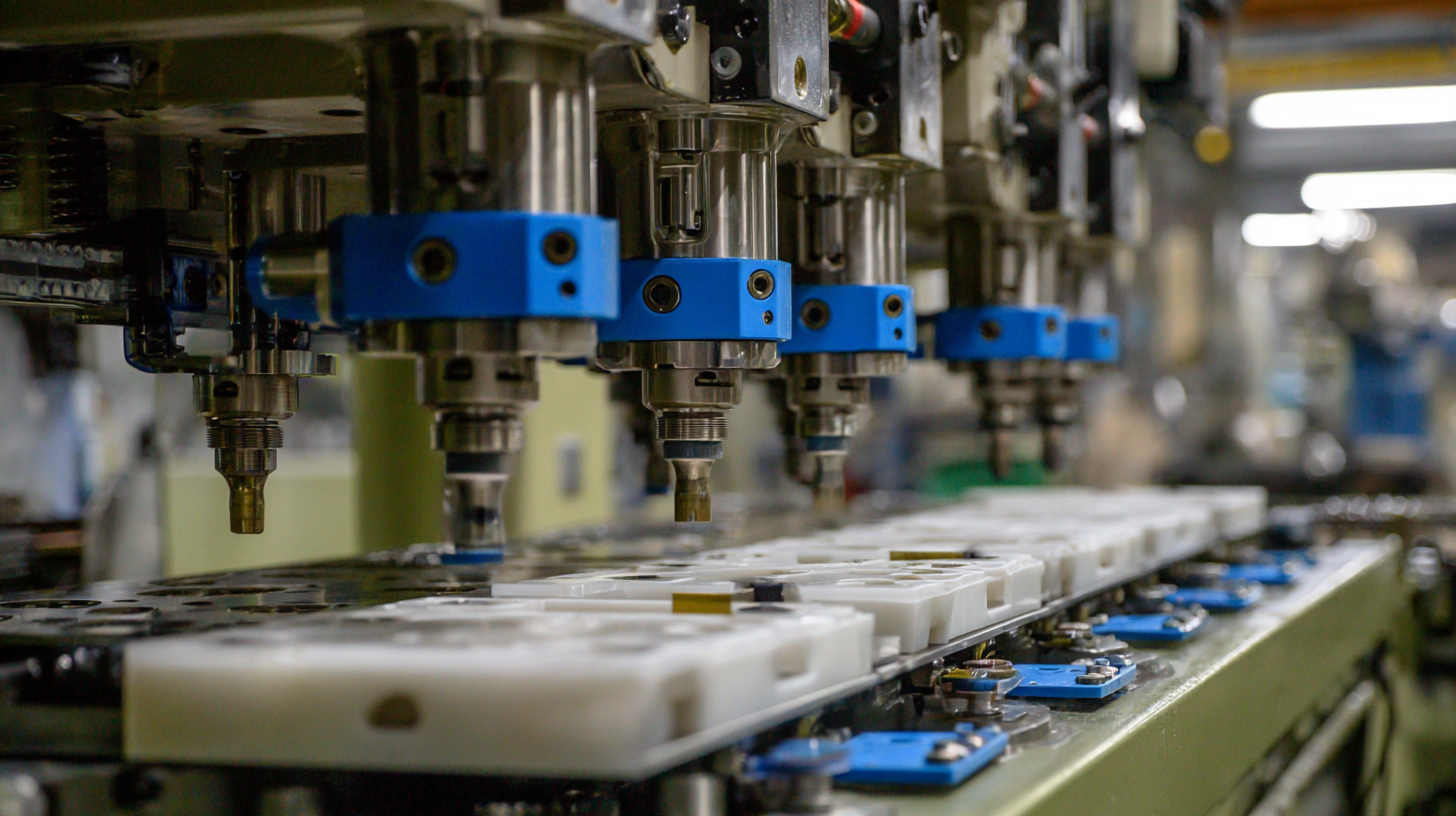
You know, technological improvements in blow molding molds are really changing the game across a bunch of industries. According to some report by MarketsandMarkets, the global blow molding market is actually expected to hit around $3.56 billion by 2026. That’s mainly because everyone’s looking for lighter, more affordable packaging options. Thanks to innovations like 3D printing and CAD tech, manufacturers can now design really complex molds more easily, which means less wasted material and quicker production times. It’s pretty cool because it speeds up the whole process—from that initial idea to actually launching the product—making everything a lot more efficient.
And get this, smart technology has really taken things to the next level. By adding IoT sensors and crunching data in real time, companies can keep an eye on their molds and catch issues before they become big problems. A report from Grand View Research even suggests that using these smart manufacturing tools could boost efficiency by as much as 25%. Plus, materials like advanced plastics are improving too—lasting longer and resisting wear better, so molds don’t need replacing or maintenance as often. All of these upgrades are not just good for the environment, but they also mean manufacturers can keep up with the crazy pace of today’s market demands.
Maintenance Best Practices for Prolonging Mold Lifespan
Taking good care of your blow molding molds is super important if you want them to last longer and keep producing high-quality products consistently. It’s a good idea to check on them regularly—look for any signs of wear, rust, or damage. Also, sticking to a routine cleaning schedule is a must. Leftover residues from previous runs can mess with the mold’s integrity and, in turn, affect the finished stuff. Using cleaning agents that are specifically designed for your mold material is smart—they clean thoroughly without causing any damage.
Don’t forget about lubrication, either. Keeping your molds well-lubricated helps them run smoother and cuts down on friction, which can cause premature wear and tear. Just make sure to follow the manufacturer’s recommended schedule and use the right type of lubricant. Temperature control during the molding process also matters—keeping temperatures in check reduces thermal stress and helps extend the mold's lifespan. When you implement these simple best practices, you’ll see your molds last longer and your production run more efficiently overall. Trust me, a little attention goes a long way!
Sustainability Practices in Modern Blow Molding Manufacturing
You know, sustainability's really becoming a big deal in modern blow molding manufacturing these days. As industries tackle growing environmental worries and face tougher regulations, it’s clear everyone’s trying to do their part. I recently read a report by Smithers Pira, and get this — the worldwide market for eco-friendly packaging is expected to hit a whopping $500 billion by 2027. A lot of that boom is driven by consumers wanting products that are kinder to the planet.
In the world of blow molding, more and more manufacturers are turning to recycled materials and bio-based plastics. Not only does this cut down their carbon footprint, but it also makes good financial sense. Using closed-loop systems to recycle and reuse materials? That’s a smart move — it boosts sustainability and helps save on material costs, which gives companies a bit of a competitive edge.
If you’re into making more sustainable stuff, one practical tip is to streamline your production to cut waste — thinking about Lean Manufacturing techniques can really help spot where scraps can be reduced or reused. And don’t forget about energy-efficient machinery — it can seriously slash energy use and costs, all while helping your sustainability goals.
Building partnerships is also key. Working closely with suppliers and customers to source recycled or biodegradable materials means you can craft products that tick all the boxes for quality and eco-friendliness. According to another report from MarketsandMarkets, sustainable packaging is projected to grow at about 5.7% annually from 2022 to 2027. It really highlights how the industry is shifting towards greener, more conscious manufacturing practices in blow molding.
Leveraging Industry Insights: The Market Potential of 500ml Aluminum Blow Mold Bottles in Sustainable Packaging Trends
The market for sustainable packaging is rapidly evolving, with a significant focus on aluminum blow mold bottles, particularly in the 500ml size category. These bottles are increasingly popular among beverage manufacturers due to their lightweight properties and recyclability, aligning with consumers’ growing preference for environmentally friendly products. The integration of industry insights reveals a strong market potential as brands seek sustainable alternatives that do not compromise on quality or practicality.
One key component driving this trend is the precision-engineered 500ml aluminum mold cavity, which is designed to be compatible with leading European rotary blow molding systems. This advanced mold cavity is manufactured from aerospace-grade aluminum alloy, ensuring exceptional heat dissipation and durability during the high-speed production of PET bottles. The CNC-machined and hard-anodized surface enhances wear resistance, making it an ideal solution for manufacturers aiming to optimize efficiency in medium-volume bottle production. This innovative approach not only supports sustainability but also delivers consistent bottle quality, making it an essential asset in the competitive beverage packaging landscape.
FAQS
: Common issues in blow molding production include mold design and setup errors, such as improper venting leading to trapped air and misalignment of mold halves causing product defects.
Manufacturers can troubleshoot blow molding issues by regularly inspecting and maintaining molds, implementing routine maintenance checks, and utilizing temperature control systems to reduce defects.
Investing in preventive measures can reduce production downtime by up to 30%, improving overall efficiency and product quality.
Advances in technology, such as 3D printing and computer-aided design (CAD), enable the creation of complex mold geometries, leading to reduced material waste and faster prototyping.
Smart technology, including IoT sensors and advanced data analytics, allows manufacturers to monitor mold conditions in real time, potentially increasing operational efficiency by up to 25%.
Sustainability is reshaping blow molding manufacturing, with a shift towards using recycled materials and bio-based plastics, which reduces carbon footprints and aligns with consumer demand for eco-friendly products.
Manufacturers can minimize waste through techniques like Lean Manufacturing, invest in energy-efficient machinery, and collaborate with suppliers to source sustainable materials.
The global market for sustainable packaging is anticipated to reach $500 billion by 2027, with sustainable packaging expected to grow at a CAGR of 5.7% from 2022 to 2027.
Collaboration with suppliers and customers is crucial for sourcing recycled or biodegradable materials, helping manufacturers create high-quality products that meet sustainability standards.
Enhanced mold materials, like improved thermoplastics, provide better durability and resistance to wear, contributing to longer mold life and reduced maintenance costs, while supporting sustainability efforts.
Conclusion
Hey, so I came across this article called "Understanding the Secrets of Blow Molding Molds in Modern Manufacturing," and honestly, it dives into some pretty important stuff about blow molding molds. It stresses how choosing the right materials is super crucial if you want your production to be both durable and efficient. The article also talks about key design features that really push innovation forward in the blow molding world, plus it’s got some handy tips on troubleshooting the common issues that folks in the industry often run into. What's pretty cool is how it highlights recent tech advancements that help improve mold performance, so manufacturers can keep up with the fast-paced industry demands.
On top of that, it stresses the importance of good maintenance habits to help molds last longer — no one wants to replace them every other year! And it’s clear that sustainability isn’t just a buzzword anymore; the article touches on how modern manufacturing needs to be greener and more eco-friendly.
A big takeaway for me was learning about Foshan Baijinyi Precision Technology Co., Ltd.—they’re experts in designing PET liquid packaging molds, including blow molds. Their insights can really help manufacturers get more efficient and stay eco-conscious at the same time.
 Chinese
 Email
Email Whatsapp
 WeChat