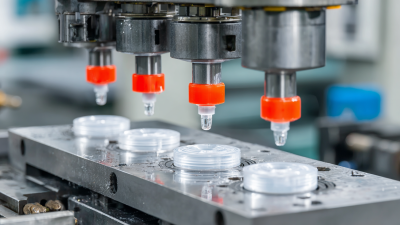
In the fast-moving world of manufacturing these days, you really can't underestimate how important efficiency is—especially when it comes to making all kinds of consumer goods. One thing that makes a huge difference here is using Injection Cap Moulds. Dr. James R. Thompson, a pretty well-known expert in molding technology, points out that "The precision and speed of high-quality Injection Cap Moulds totally change the game, helping to cut down waste and boost productivity."
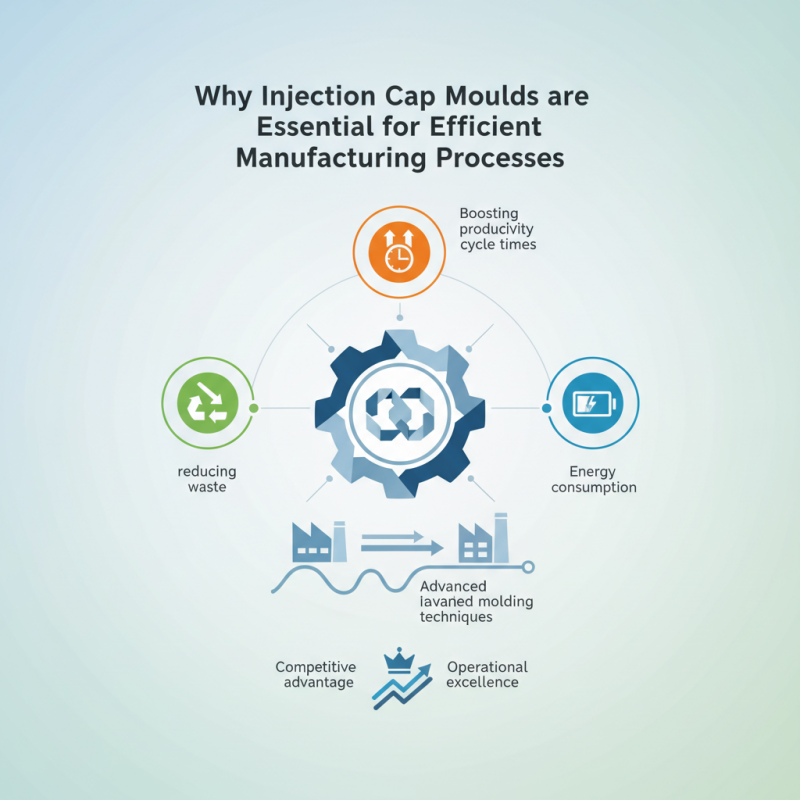
Basically, Injection Cap Moulds are these key components when producing caps and closures for all sorts of industries—like drinks and pharma. The way they’re designed and how they work doesn’t just influence the quality of the final product, but also affects the overall process—think cycle times and energy use. When manufacturers take the time to optimize these molds, they can actually save quite a bit of money and gain an edge over the competition.
As industries keep evolving and the demands get tougher, the importance of Injection Cap Moulds is only going to grow. Companies that invest in cutting-edge molding tech and techniques will probably be the ones really positioned to handle the ever-changing expectations of consumers and stay ahead of the game, achieving that sweet spot of operational excellence.
Introduction to Injection Cap Moulds in Manufacturing
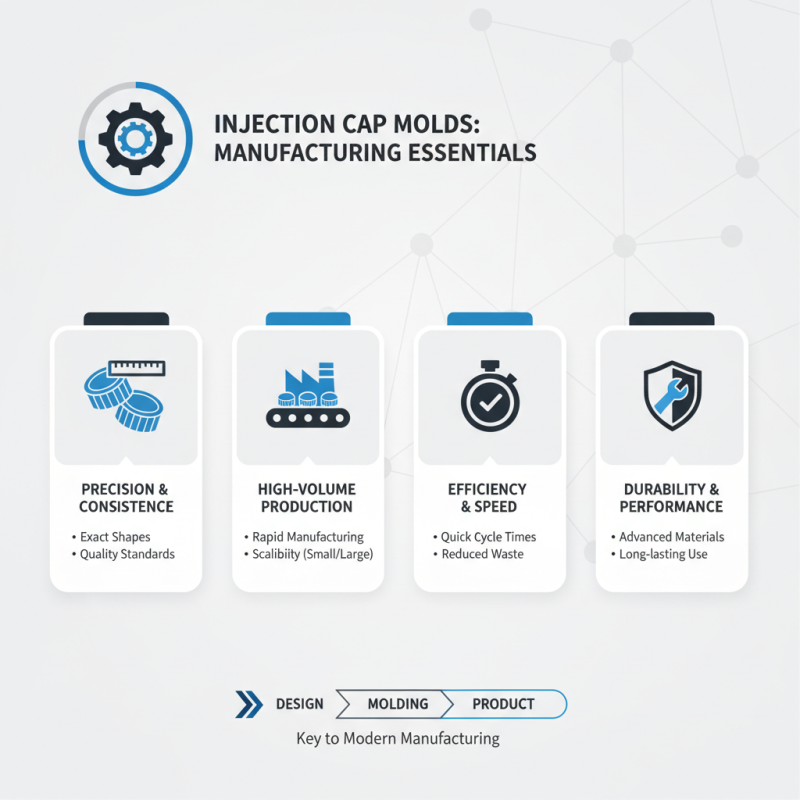
Injection cap moulds play a vital role in the manufacturing sector, particularly in the production of caps and closures for various containers. These moulds are designed to create precise and consistent shapes, ensuring that the finished products meet stringent quality standards. The injection moulding process allows manufacturers to produce large quantities of caps quickly, making it efficient for both small and large-scale operations. The use of high-quality materials and advanced technology in the creation of these moulds enhances durability and performance, which further contributes to the overall efficiency of manufacturing processes.
The introduction of injection cap moulds has revolutionized the way manufacturers approach production. By allowing for rapid cycle times and intricate designs, these moulds enable the creation of complex features that enhance functionality and appeal. Furthermore, the automation of the injection moulding process minimizes human error and reduces labor costs, making it a preferred choice for many manufacturers. As industries continue to evolve, the importance of reliable and efficient injection cap moulds will only grow, underscoring their essential role in modern manufacturing practices.
Importance of Injection Cap Moulds in Production Efficiency
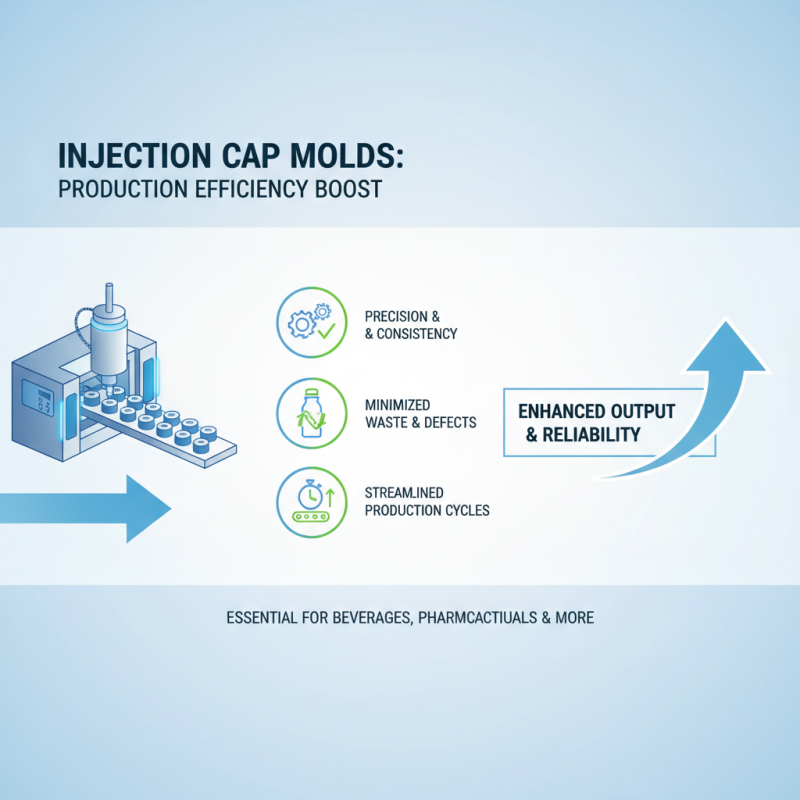
Injection cap moulds play a pivotal role in enhancing production efficiency within various manufacturing processes. These moulds are specifically designed to create precise and consistent caps, which are essential in industries ranging from beverage to pharmaceuticals. The accuracy of injection cap moulds ensures that each cap fits perfectly onto its respective container, minimizing waste and reducing the likelihood of defects. This precision contributes significantly to streamlined production cycles, as manufacturers can rely on a consistent output without the need for excessive rework or adjustments.
Furthermore, the use of advanced injection cap moulds facilitates faster production times. By optimizing the moulding process, manufacturers can increase their throughput, allowing them to meet higher demand without compromising on quality. This enhancement in speed is crucial in today’s competitive market, where time-to-market can determine a company's success. Additionally, well-crafted injection moulds are often made from durable materials, resulting in longevity and reduced maintenance costs, which further contribute to an efficient production environment. Through these benefits, the importance of injection cap moulds becomes clear, underscoring their role in achieving efficiency and reliability in manufacturing processes.
Key Features of Effective Injection Cap Moulds
Effective injection cap moulds are critical in ensuring the seamless production of closure solutions. One of the primary features of high-quality injection cap moulds is precise dimensional accuracy. This precision ensures that each cap fits perfectly onto its corresponding container, preventing issues such as leakage or contamination. The moulds must be designed to account for various material shrinkage rates, ensuring consistency and reliability throughout the manufacturing process.
Another vital feature of effective moulds is their durability and resistance to wear. High-quality materials should be selected to withstand the pressures of repeated cycling in injection moulding, reducing maintenance needs and downtime. The ability to maintain high performance over numerous cycles not only improves productivity but also lowers production costs in the long run. Additionally, good thermal management within the mould can enhance the cooling rates, thus speeding up the cycle time and boosting overall efficiency in cap production.
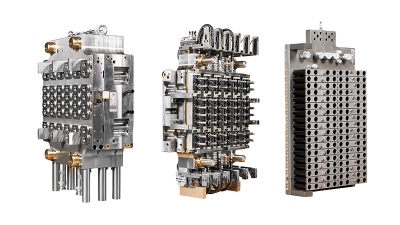
The incorporation of advanced technology into mould design, such as automated handling systems and smart sensors, further elevates the effectiveness of injection cap moulds. These technologies enable manufacturers to monitor production in real-time, increasing quality control and reducing the likelihood of defects. Ultimately, investing in effective injection cap moulds with these key features can significantly enhance the efficiency and reliability of manufacturing processes, driving success in the competitive landscape of the packaging industry.
Materials Used in Constructing Injection Cap Moulds
When it comes to constructing injection cap moulds, the choice of materials is critical for ensuring durability and efficiency in manufacturing processes. High-quality steel, often preferred for its strength and resistance to deformation, is commonly used for mould cores and cavities. Its ability to withstand high pressures and temperatures makes it an ideal candidate for injection moulding, allowing for the production of precise and reliable caps. Additionally, tool steels, which are specifically formulated to endure the rigors of repetitive use, further enhance the lifespan and performance of the moulds.
Another important material used in the production of injection cap moulds is aluminum. While not as robust as steel, aluminum offers significant advantages, particularly in terms of weight and heat conductivity. This makes aluminum moulds easier to handle and quicker to heat up, leading to shorter cycle times during the injection process. Moreover, the lower cost of aluminum can provide manufacturers with economic benefits, especially for smaller production runs or prototype developments. Ultimately, selecting the right combination of materials for injection cap moulds is essential for optimizing production efficiency and achieving high-quality end products.
The Role of Injection Cap Moulds in Quality Control
Injection cap moulds play a crucial role in the quality control of manufacturing processes. These moulds are designed to create consistent, precise shapes needed for various applications, ensuring that each cap produced meets specific standards. Quality control begins with the moulding process, where the precision of the mould directly influences the final product's integrity. Variations in the mould can lead to defects such as poor fit, deformation, or inconsistent material thickness, which ultimately affect the functionality and reliability of the caps.
Moreover, the inspection of the caps post-production is vital to maintaining quality standards. Injection cap moulds facilitate easier identification of defects, allowing manufacturers to implement corrective measures swiftly. This process not only enhances product reliability but also minimizes waste by reducing the number of defective products that reach the market. In a competitive landscape, where consumer safety and satisfaction are paramount, effective use of injection cap moulds significantly contributes to upholding quality control protocols, leading to better overall manufacturing outcomes.
Efficiency Metrics of Injection Cap Moulds in Manufacturing
This chart illustrates the key performance indicators of injection cap moulds in manufacturing processes. The metrics highlight the average production time, high quality rate, and low defect rate, emphasizing the importance of using high-quality injection cap Moulds For efficient manufacturing.
Challenges in Manufacturing with Injection Cap Moulds
The manufacturing process involving injection cap moulds presents several challenges that can impact efficiency and product quality. One of the primary difficulties is the precision required in the mould design and production. A minor flaw in the mould can lead to improper cap fittings, resulting in higher rejection rates and waste. Manufacturers must invest in advanced technology and skilled labor to ensure that the moulds are crafted with meticulous attention to detail.
Another significant challenge is managing production speed without sacrificing quality. While injection moulding is known for its rapid output, factors such as cooling time and cycle duration can lead to bottlenecks if not optimized correctly. Additionally, the variability in raw material quality can affect the overall performance of the moulds, requiring manufacturers to maintain stringent quality control processes and effective communication with suppliers. Addressing these challenges is crucial for maintaining a competitive edge in the market and ensuring that production stays aligned with demand.
Why Injection Cap Moulds are Essential for Efficient Manufacturing Processes - Challenges in Manufacturing with Injection Cap Moulds
| Dimension | Details |
| Material Types Used | Polypropylene, Polyethylene, Polystyrene |
| Key Benefits | High precision, Cost-effectiveness, High production speed |
| Common Challenges | Tooling costs, Maintenance, Cycle time management |
| Typical Cycle Time | 10-30 seconds |
| Average Lifespan of Moulds | 100,000 - 1,000,000 cycles |
| Environmental Considerations | Recyclable materials, Energy-efficient processes |
Future Trends in Injection Cap Mould Technology
The future of injection cap mould technology is being shaped by several innovative trends that promise to enhance manufacturing efficiency and sustainability. With the global packaging market expected to reach approximately $1 trillion by 2028, the demand for precise and reliable moulds becomes more critical than ever. Recent studies indicate that advancements in materials and design methodologies, such as the adoption of lightweight and durable thermoplastics, are leading the way. These materials not only improve the lifespan of moulds but also enhance production rates, facilitating a quicker turnaround for manufacturers.
Moreover, the integration of automation and digital technologies is revolutionizing injection moulding processes. According to a report by Allied Market Research, the global market for smart manufacturing is forecasted to grow to $514 billion by 2025. This includes the implementation of Industry 4.0 practices in injection moulding, such as the use of IoT-enabled machines that provide real-time data analytics and predictive maintenance. Such technologies help manufacturers optimize their production lines, reduce downtime, and significantly cut operational costs, proving that efficient mould technology is vital in staying competitive in an evolving market. The shift towards sustainable practices in manufacturing is also paralleled by the increasing focus on eco-friendly moulding materials, aligning production processes with environmental standards and consumer preferences.
Maximizing Efficiency and Quality with High-Performance Precision PET Injection Molds in Modern Manufacturing
In the ever-evolving landscape of modern manufacturing, the demand for high-performance precision PET injection molds is paramount. These molds are designed to produce a wide range of products, primarily focusing on the manufacturing of precise PET injection items such as bottles and containers. The efficiency and quality of production processes hinge on the capabilities of the injection molds utilized. According to recent industry reports, the efficiency of PET injection molding processes can significantly impact overall production times, reducing cycle times by up to 30% while maintaining high quality standards.
The advantages of incorporating high-performance precision PET injection molds into manufacturing workflows are compelling. Not only do these molds offer exceptional precision, but they also enhance durability and efficiency, leading to lower operational costs. Research indicates that molds designed with advanced engineering and high-quality materials can withstand significant wear and tear, resulting in longer service lives and reduced downtime. This durability is essential for manufacturers looking to maximize productivity without compromising on the quality of their products.
Choosing high-performance PET injection molds guarantees a competitive edge in production capabilities. By investing in these molds, manufacturers can achieve more precise and efficient production, ultimately meeting the increasingly rigorous demands of consumers and regulatory standards. As the market continues to evolve, embracing such innovations is crucial for those looking to thrive in the modern manufacturing landscape.
FAQS
: Injection cap moulds are used to produce caps and closures for various containers, ensuring precise and consistent shapes that meet quality standards.
The injection moulding process allows manufacturers to produce large quantities of caps quickly, enhancing efficiency for both small and large-scale operations.
Injection cap moulds have revolutionized production by enabling rapid cycle times, intricate designs, and complex features that improve functionality and appeal.
Automation minimizes human error and reduces labor costs, making the injection moulding process a preferred choice for many manufacturers.
High-quality steel and tool steels are commonly used for mould cores and cavities due to their strength and durability, while aluminum is also used for its lightweight and cost-effective properties.
The choice of materials is critical for durability and efficiency, as high-quality steel withstands high pressures and temperatures, while aluminum allows for quicker heating and shorter cycle times.
Aluminum is lighter, offers better heat conductivity, and can provide economic benefits due to its lower cost, making it suitable for smaller production runs or prototypes.
The use of high-quality materials and advanced technology in injection cap moulds ensures that the finished products are precise, reliable, and meet high-quality standards.
Injection cap moulds are essential in modern manufacturing as they enhance production efficiency and reliability, catering to the evolving needs of various industries.
By enabling rapid production and automating processes, injection cap moulds help reduce manual labor and improve overall manufacturing efficiency, leading to lower production costs.
Conclusion
Injection Cap Moulds play a crucial role in enhancing manufacturing processes by ensuring production efficiency and consistent quality control. These moulds are essential in modern manufacturing, contributing significantly to the rapid and precise production of caps used in various industries. Their design incorporates key features that improve functionality and reduce production times, while the materials utilized in constructing these moulds affect their durability and performance.
Moreover, the implementation of Injection Cap Moulds presents challenges that manufacturers must navigate, from initial setup to maintenance and operational efficiency. Understanding these intricacies and keeping abreast of future trends in injection cap mould technology will be vital for manufacturers looking to optimize their production lines and maintain high standards of quality. Ultimately, effective injection cap moulds are indispensable in meeting the demands of an evolving marketplace.
 Chinese
 Email
Email Whatsapp
 WeChat