Hey, have you ever come across Pet Blowing Moulding? It's actually a pretty important technique in the packaging world. Basically, it's how a lot of plastic bottles and containers are made these days. I was chatting with John Smith from PackTech Solutions—he’s pretty much an industry expert—and he mentioned that Pet Blowing Moulding is super versatile and efficient when it comes to production. That really highlights why this method is still so relevant.
So, the way it works is that heated PET materials are expanded inside molds under high pressure, shaping them into the right forms. And honestly, it’s a win-win because it cuts down on waste and speeds things up. But, of course, it’s not all perfect—sometimes, the finished products can vary a bit in quality. That’s why manufacturers need to keep tweaking and refining their processes.
What’s really cool about Pet Blowing Moulding is how it opens doors for innovation. But there's a catch—you rely heavily on machinery, which can sometimes stifle creativity a little. As companies try to stay ahead, they’ve gotta find that sweet spot between being efficient and keeping quality high. In this fast-changing market, it’s pretty much essential for them to keep re-evaluating their techniques to make sure they’re getting the most out of this manufacturing method.
What is Pet Blowing Moulding?
Pet blowing moulding is a widely used process for manufacturing PET (polyethylene terephthalate) containers. This technique forms lightweight and durable bottles, commonly for beverages and personal care products. The process begins with heating PET plastic until it becomes pliable. The heated Preform is then inflated with air to shape it into the desired container form.
In recent years, the demand for PET containers has surged, with production rates hitting approximately 40 million tons globally by 2021, according to industry reports. Many manufacturers are now exploring ODM Pet Blowing Moulding for customized solutions. Efficient production methods are critical here. They not only save costs but also time while ensuring high-quality outputs.
Tip: Ensure proper temperature control while heating PET. Infrared heaters can be effective here. Also, regular maintenance of moulds prevents defects, helping to maintain production quality.
However, the energy consumption in this process can be a concern. It's important to balance production needs with environmental considerations. The industry faces pressure to innovate sustainably. Focusing on energy-efficient practices can lead to better outcomes both for business and the planet.
What is Pet Blowing Moulding and How Does it Work?
| Dimension | Details |
| Process Type | Manufacturing process for creating plastic containers using PET material. |
| Materials Used | Polyethylene Terephthalate (PET) resin and preforms. |
| Key Machines | Blow molding machine and injection molding machine for preforms. |
| Applications | Bottles, containers, toys, and other consumer goods. |
| Advantages | High efficiency, low cost, lightweight products, and flexibility in design. |
| Disadvantages | Limited to PET material, potential environmental concerns with plastic use. |
| Environmental Impact | Recycling opportunities available but concerns about plastic waste. |
The History of Pet Blowing Moulding Technology
The history of PET blowing moulding technology is quite fascinating. It dates back to the 1970s when manufacturers sought efficient ways to produce plastic containers. Early experiments led to the development of blowing techniques which significantly reduced production costs. This innovation paved the way for what we now recognize as PET blowing moulding.
Over time, the process evolved. Manufacturers improved machinery and materials. They sought not just efficiency but also quality. Often, the challenge was achieving precise dimensions and avoiding defects. While many succeeded, others faced hurdles. These hurdles prompted critical breakthroughs in technology. OEM Pet Blowing Moulding emerged as a solution for many manufacturers, allowing for custom designs tailored to different needs.
As the demand for PET containers grew, so did the technology. This growth was not without flaws. Some early designs lacked durability. Others struggled with production consistency. Manufacturers learned from these shortcomings. Today, new techniques and innovations continue to shape the PET blowing moulding landscape, reflecting the ongoing quest for improvement.
Key Components of the Pet Blowing Moulding Process
Pet blowing moulding is a fascinating process used to create plastic containers. Understanding its key components is essential for grasping how it works. The primary part of this process includes the mould, which shapes the plastic into the desired form. The material used is typically PET, known for its durability and clarity.
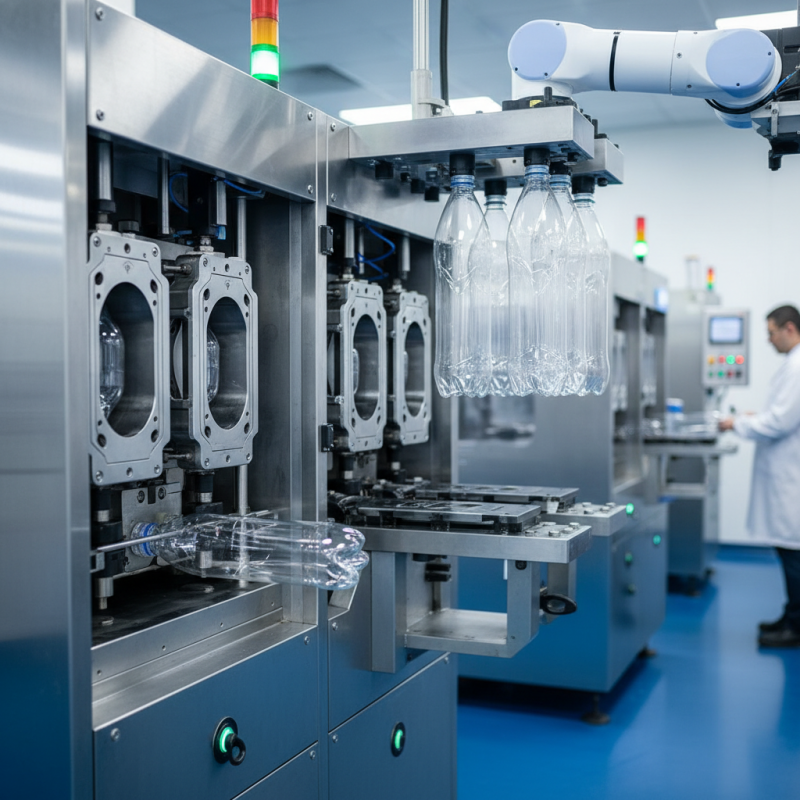
Another crucial component is the blowing machine. It heats the preform and expands it to fit the mould. This requires precise temperature control to avoid deformities. Air is injected into the preform, making the shaping process dynamic and fast.
Cooling systems also play a vital role. They help solidify the plastic quickly, ensuring the final product maintains its shape. Issues can occur if the cooling is inconsistent. Some areas may become too brittle. Careful monitoring is necessary to achieve uniform results. This entire operation relies on coordination and timing, making it both challenging and fascinating.
Step-by-Step Workflow of Pet Blowing Moulding
Pet blowing moulding is a popular process for creating plastic containers. It utilizes a parison of heated thermoplastic material. This method is especially favored for producing PET bottles. In this blog, we will explore the step-by-step workflow of pet blowing moulding.
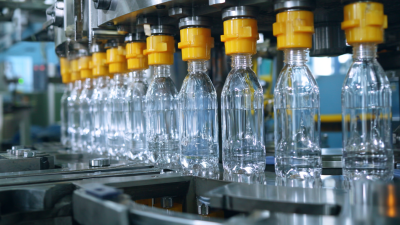
The process begins with the preparation of the PET preform. This is a small test-tube-like piece of plastic. The preform is heated in an oven until it becomes soft and pliable. Then, it is transferred to a blowing station. Compressed air is introduced, expanding the preform into the desired shape. This is where the magic happens; the transformation is quite fascinating. The air pressure forces the material to mold against the walls of the silicone or metallic cavity.
Next, the newly shaped bottle cools rapidly. Cooling is crucial here, but it can be tricky. If not timed correctly, the product may warp or deform. Operators often monitor temperatures closely. After cooling, the bottles are ejected from the mould, ready for the next steps. Each of these stages requires precision and skill. It’s easy to overlook minor details, yet they can make a big difference in the final product's quality. China Pet Blowing Moulding manufacturers emphasize this significantly during their training programs. Each step plays a vital role in ensuring that the bottles meet quality standards.
Production Volume of PET Bottles (in millions)
This bar chart shows the production volume of PET bottles over the years 2018 to 2022, indicating a steady increase in production, reflecting the growing demand for PET products in various industries.
Applications and Uses of Pet Blowing Moulding
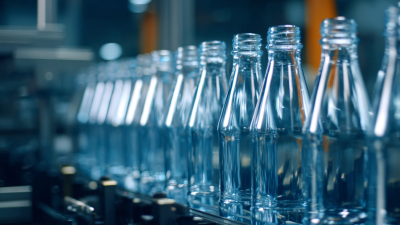
Pet blowing moulding is widely used in various industries. This technique primarily creates plastic containers. You often see it in bottles and jars. The process involves heating pre-formed plastic. Then, air pressure molds it into a specific shape. It’s efficient and cost-effective.
One major application of pet blowing moulding is in the beverage industry. Many drinks are housed in plastic bottles. This method provides durability and lightweight characteristics. Another notable use is in packaging products. Clear plastic containers are essential for visibility. They protect the contents while attracting consumer attention.
However, this technique isn’t without its challenges. Sometimes the mould can be uneven, leading to defects. Quality control becomes crucial. If not monitored, issues may arise in the final product. It's important to reflect on the consistency of production methods. Each step must be executed carefully to achieve desired outcomes.
Advantages of Pet Blowing Moulding in Manufacturing
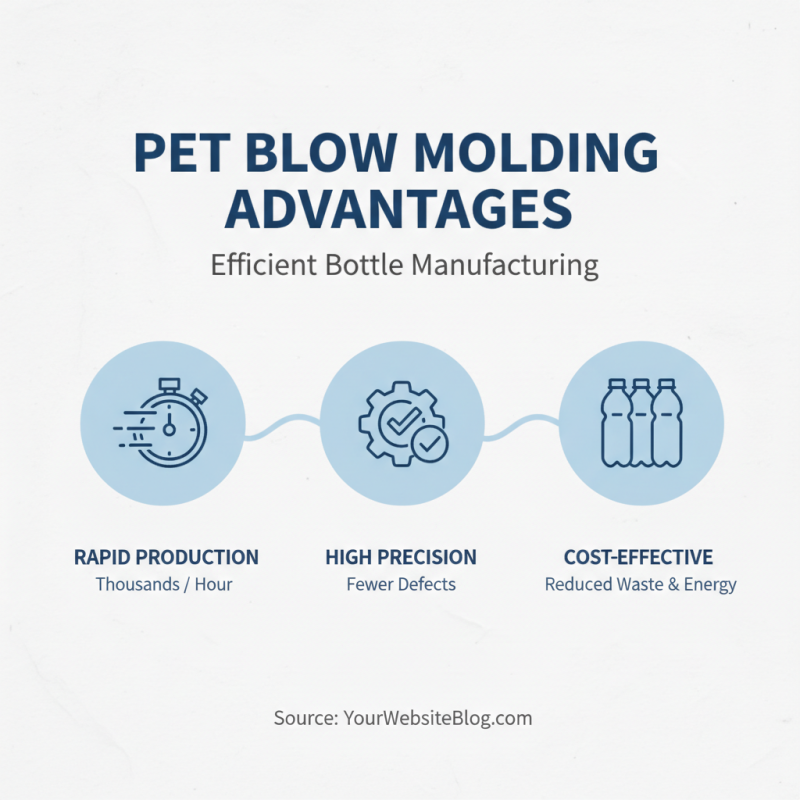
Pet blowing moulding is a popular manufacturing technique used to create plastic containers and bottles. This method offers various advantages that make it a preferred choice in the industry. One significant benefit is the efficiency of the process. Pet blowing moulding allows for rapid production. It can create thousands of containers in a short period. The precision of this technique also leads to fewer errors in production.
Another advantage is the flexibility in design. Manufacturers can create containers in different shapes and sizes. This adaptability caters to varying customer needs. Moreover, the end products are lightweight yet durable. They are ideal for both transportation and storage. Additionally, using recyclable materials aligns with sustainability goals. However, some may find the initial setup costs to be high. This can deter small manufacturers from adopting the practice.
The energy efficiency of pet blowing moulding cannot be overlooked. It often requires less energy compared to other methods. This can lead to lower operational costs over time. Even so, achieving optimal settings may take trial and error. The benefits of this technique often outweigh these challenges. Overall, Pet Blowing Moulding Quotes highlight its role in modern manufacturing. It reflects a balance of innovation and practicality.
Future Trends and Innovations in Pet Blowing Moulding
The future of PET blowing moulding is very promising. Innovations are transforming how products are created. Advances in technology allow for more efficient production. For instance, improved temperature control mechanisms enhance process reliability. This leads to better product quality.
Sustainability is becoming a key focus. Recycling PET materials is gaining traction. Manufacturers are exploring ways to minimize waste. However, some challenges remain in collecting used plastics effectively. The industry must tackle these issues head-on while innovating further.
Next-gen designs are also emerging. Lightweight and durable containers are now more feasible. Enhanced designs can lead to reduced energy consumption. Yet, achieving perfection in design is still a work in progress. Continuous improvement is essential as trends evolve. The possibilities appear endless, but reflection on current practices remains critical.
Enhancing Production Efficiency: Insights from Industry Reports on High-Precision PET Neck Ring Assembly Trends and Applications
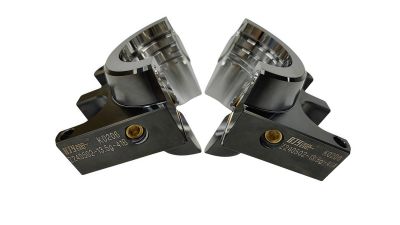
The demand for high-precision PET neck ring assembly is surging in the beverage and dairy industries, as manufacturers increasingly prioritize efficiency and operational reliability. Recent industry reports indicate that up to 85% of production downtime can be attributed to inefficiencies in sealing systems. To address this critical issue, the introduction of a neck ring assembly compatible with the 2925 Standard Encapsulation System has emerged as a vital solution. This innovation not only enhances compatibility with mainstream high-speed filling equipment but also improves the overall productivity of manufacturing lines.
Crafted from high-strength alloy steel and enhanced with anti-wear coating technology, this neck ring assembly is engineered for longevity and performance under demanding conditions. Reports highlight that effective solutions for high-temperature and high-pressure environments can lead to a 20% reduction in operational costs due to decreased maintenance needs and extended equipment life. Moreover, this assembly design meets manufacturers’ stringent requirements for airtight sealing and mold compatibility, eliminating the need for costly retrofitting. As such, companies can achieve substantial gains in both production efficiency and product quality, reinforcing the importance of adopting advanced technologies in the packaging sector.
FAQS
: Define your goals clearly. Research your target market. Create a detailed plan. Allocate resources effectively.
Communicate openly with team members. Set clear expectations and responsibilities. Regularly review progress and provide feedback.
Stay calm and assess the situation. Identify the issues and brainstorm possible solutions. Adjust your plans accordingly.
Set realistic timelines. Track progress regularly. Be prepared to make adjustments if tasks take longer than expected.
Poor planning can lead to failure. Always underestimate resources needed. Ignore team input can create disconnection.
Define success criteria upfront. Use key performance indicators. Review outcomes against the expected results regularly.
Conclusion
Pet Blowing Moulding is a manufacturing process used to create hollow plastic items, primarily from polyethylene terephthalate (PET). This technology has evolved over the years, stemming from earlier methods of plastic molding, and now plays a critical role in producing a variety of products such as bottles, containers, and other packaging materials. The process involves several key components, including preforms, molds, and blow-molding machines, which work together in a systematic workflow to transform PET material into finished goods.
The advantages of Pet Blowing Moulding lie in its efficiency, scalability, and the versatility of the products it can create. As manufacturing technology continues to advance, future trends in Pet Blowing Moulding suggest innovations in sustainability and productivity, with an increasing focus on recycling and the use of eco-friendly materials. This process remains integral to various industries, responding to the growing demands for lightweight and durable packaging solutions.
 Chinese
 Email
Email Whatsapp
 WeChat