You know, in the world of precision manufacturing, Cap Molds are pretty much essential when it comes to shaping all the products we see every day — from those familiar beverage bottles to cosmetic containers. Here at Foshan Baijinyi Precision Technology Co., Ltd. (or BJY for short), we're really passionate about designing and making top-notch PET liquid packaging molds. That includes everything from innovative blowing molds to PET Injection Molds and even some pretty advanced compression capping molds.
Honestly, digging into the science behind Cap Molds is pretty fascinating. It reveals all the little, intricate processes that help manufacturers develop packaging solutions that are not just efficient, but also sustainable and budget-friendly. In this chat, I’ll share some handy tips and insights to help businesses get the most out of their Cap Molds — so they can stay ahead in the ever-competitive packaging world.
Join us as we take a closer look at the cutting-edge technology and craftsmanship that help elevate everyday products. And remember, all this is driven by our genuine commitment to excellence here at BJY.

Understanding Cap Molds: An Introduction to Their Role in Manufacturing
You know, cap molds are pretty important when it comes to making all those everyday products we use—like bottles and jars. These molds are specially designed to shape caps that fit just right and work perfectly. Honestly, getting a good grip on how cap molds work can make a huge difference for manufacturers trying to speed things up and keep quality high.
So, it all starts with picking the right materials—most of the time, thermoplastics, since they melt and can be molded easily when pressure is applied. After that, the material gets injected into the mold, where it cools and hardens into the shape of the cap you see on bottles or jars. This part is kinda tricky—you gotta keep an eye on stuff like temperature, pressure, and cooling time to make sure the final product is strong yet flexible enough. All in all, it’s a pretty fascinating mix of design and tech—showing how detailed engineering can turn into everyday items we barely think about but rely on every day.
Exploring the Science Behind Cap Molds: How They Shape Our Everyday Products
| Product Type | Material Used | Mold Type | Production Time (mins) | Temperature Required (°C) |
| Plastic Bottle Cap | Polypropylene | Injection Mold | 2 | 180 |
| Screw Cap | High-Density Polyethylene | Compression Mold | 3 | 190 |
| Flip Top Cap | Polyethylene Terephthalate | Injection Mold | 1.5 | 175 |
| Pump Cap | ABS Plastic | Injection Mold | 4 | 200 |
| Child-Resistant Cap | Polypropylene | Injection Mold | 2.5 | 190 |
The Science of Molding: How Cap Molds Are Engineered for Precision
You know, cap molds are pretty carefully designed to make sure every little detail is just right when creating all kinds of everyday stuff — from bottle caps to industrial closures. The science behind these molds isn’t just guesswork; it involves thinking through materials, mold design, and the best ways to produce them. Engineers often rely on computer-aided design (or CAD, if you want to sound fancy) to create detailed prototypes. These models take into account things like how materials expand when hot, shrink as they cool, and how molten plastic flows — all so that every cap meets tight quality standards.
The actual molding process is super precise and well-calibrated. For example, injection molding is one of the most common methods used for caps. Basically, plastic granules are melted down and injected into the mold under high pressure. This process lets manufacturers produce complex shapes consistently and with very little waste—pretty impressive, right? Plus, cooling is a big deal because it affects the final product’s strength and flexibility. Thing is, with advances in materials science, like biodegradable plastics becoming more of a thing, the way we make molds is evolving too—leaning more towards sustainability. Thanks to ongoing research and new tech, cap molds are getting more precise all the time, making sure the bottles and caps we use every day are reliable and functional."
,changes: [
{
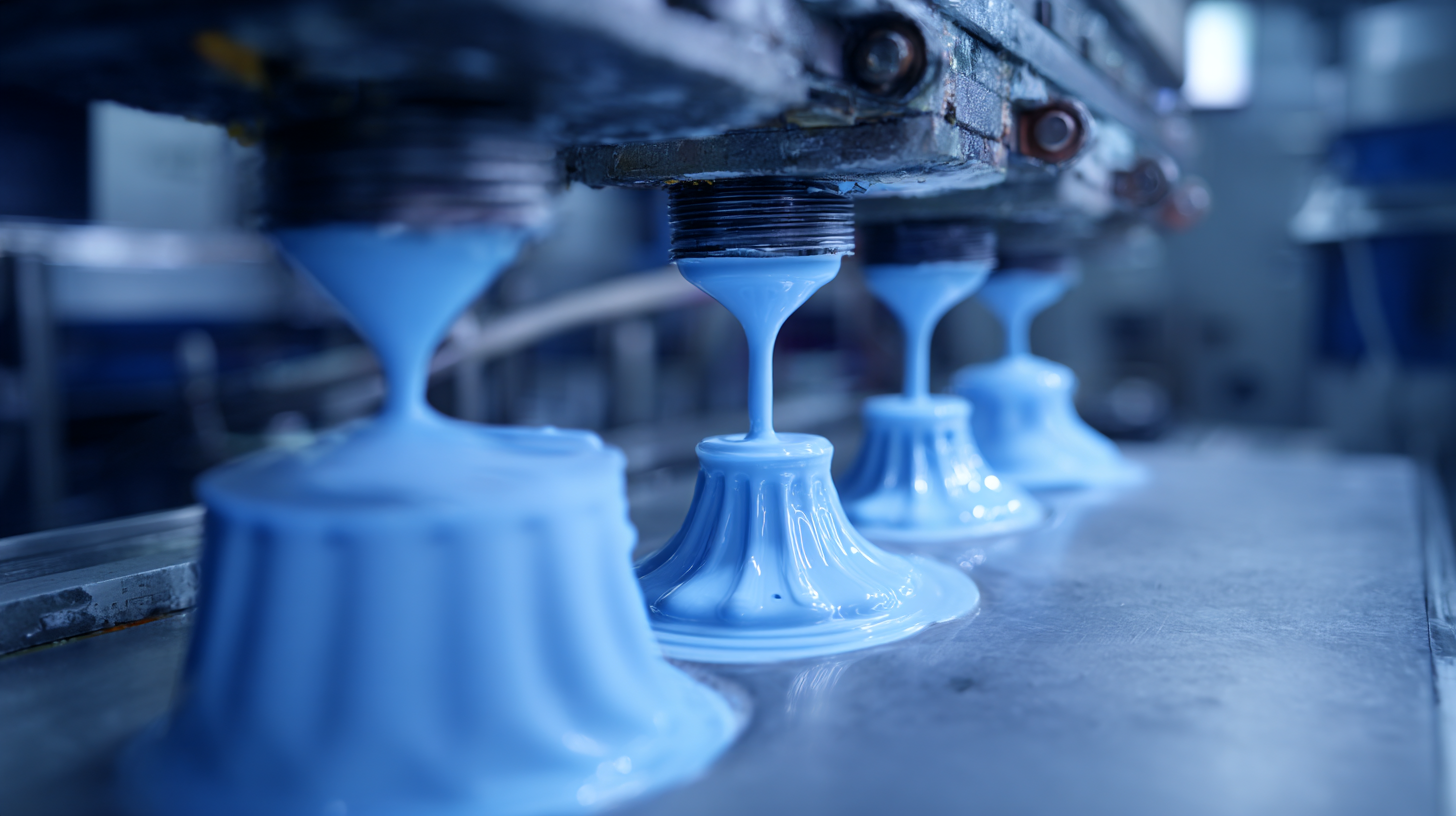
Types of Cap Molds: Exploring Various Designs and Their Applications
Cap molds are pretty essential when it comes to making a whole bunch of products — from drink bottles and food containers to parts used in industry. Did you know? According to a report by Grand View Research, the worldwide market for plastic bottle caps is projected to hit around $12.5 billion by 2025. That just shows how important mold design is when it comes to optimizing the production process.
There are different kinds of cap molds out there, like injection molds, compression molds, and Blow Molds, and each one is suited for specific applications depending on factors like the materials used, production volume, and how complex the design needs to be.
Injection molds are super handy when you want to produce lightweight caps with detailed designs quickly. They're often used with multi-cavity setups, which means you can make multiple caps in one go, saving time and cutting down costs. On the flip side, compression molds are more versatile—they’re great for thicker caps and can add textured finishes, which is perfect for industries needing sturdy sealing solutions. Interestingly, as per Transparency Market Research, there's ongoing innovation in mold tech, and it’s expected to contribute to a steady market growth rate of about 4.3% CAGR in plastic injection molding.
All in all, this just highlights how cap molds keep evolving and playing a big role in the everyday products we use, often without even thinking about it.
Manufacturing Process: The Step-by-Step Journey of Creating Caps
So, the whole process of making cap molds is kinda like a detailed journey from raw materials to the everyday products we use. It all starts with picking the right materials—mostly these durable, flexible plastics called thermoplastics. Once they've been chosen, they're heated up until they melt, making them super easy to shape. This step's actually pretty important because if the plastic isn’t hot enough, it won’t mold properly when it gets injected into the molds.
Then, the molten plastic gets poured into these precisely designed molds—think of them like detailed templates that match exactly what the final cap should look like. After filling the molds, the plastic cools down and hardens into the shape of a cap. Once it’s solid, the caps are taken out of the molds and then checked over to make sure everything looks good and works well. Any little imperfections are spotted and fixed before the caps are packaged up and sent off for distribution. It’s a pretty intricate process, but every step is key to making sure you get a good, reliable product that looks and functions just right.
Material Selection: How Different Plastics Influence Mold Performance
When you're dealing with cap molds, one of those biggest deals is really choosing the right material. It can make or break how efficiently the whole molding process goes. There are all sorts of plastics out there, each with their own quirks, and that can seriously change how well the mold performs. For example, a recent report from the Plastics Industry Association mentioned that polycarbonate (PC) is great at resisting impacts and keeps its shape well—no surprise it's a favorite for sturdy, reliable molds. On the flip side, polypropylene (PP) has a lower melting point, which means you can get through production faster, but it might not hold up as well in really tough applications.
So, a little tip — when you're picking materials for caps, think about what the final product needs. If durability’s a must, go for engineering plastics like PC. But if speed is more important and you’re okay with a bit less toughness, PP could be your go-to. Just keep in mind, there’s usually a trade-off between strength and how quickly you can produce.
Also, how the plastics interact with your mold design really matters. A study from the Society of Plastics Engineers pointed out that using good-quality resin grades helps cut down on defects like warping or sink marks. These imperfections aren’t just annoying; they can mess up how the product looks and functions. Picking the right resin doesn’t just improve performance—it can also save you some serious money on repairs or reworks down the line.
A little advice — always test how your plastic of choice works with your mold beforehand. And if you have access to advanced mold simulation software, definitely use it. It can give you a solid idea of how different materials will behave under pressure, which means fewer surprises during production and a smoother process overall.
Sustainability in Cap Production: Innovations in Eco-Friendly Mold Design
When it comes to making packaging more eco-friendly, one of the biggest game-changers has been innovations in mold design, especially for caps. At Foshan Baijinyi Precision Technology Co., Ltd. (BJY), we really focus on blending cutting-edge tech with sustainability. Our PET liquid packaging molds—like blowing molds, injection molds, and compression caps—are built to be efficient while also cutting down on waste and energy use. It’s all about doing more with less, you know?
If you're looking to improve sustainability in cap manufacturing, a good start is using recycled materials for molds, tweaking the cycle times to save energy, and designing molds that use less material without sacrificing quality. Small changes like these can really add up and help manufacturers shrink their carbon footprint, all while supporting a circular economy.
Plus, smart mold designs can make caps last longer and work better, which means less waste and more sustainable choices overall. This not only keeps the product intact but also encourages the use of greener materials across the board. As BJY pushes forward in this space, our dedication to eco-friendly solutions isn’t just about business—it’s about helping build a more sustainable future for all those everyday products we use. It’s exciting to be part of that kind of change, don’t you think?
FAQS
: Cap molds are specialized tools used in manufacturing to shape caps for bottles, jars, and other containers. They are crucial for ensuring that these caps fit properly and function effectively, thereby optimizing production efficiency and maintaining product quality.
Commonly used materials for cap molds include thermoplastics like polycarbonate (PC) and polypropylene (PP). PC offers excellent impact resistance and stability, while PP allows for faster production cycles but may compromise durability. The choice of material impacts the efficiency and effectiveness of the molding process.
Manufacturers can enhance cap mold quality by selecting high-quality resin grades to reduce defects such as warping and sink marks. Conducting compatibility tests between chosen plastics and molds, along with utilizing advanced mold simulation software, can also improve outcomes.
Innovations in eco-friendly mold design focus on reducing material waste and energy consumption. Manufacturers can utilize recycled materials, optimize production cycles, and implement features that minimize material usage to promote sustainability in cap production.
Different plastics affect production speed and durability significantly. While materials like polypropylene allow for quicker production cycles due to their lower melting point, they may compromise the durability of the final product, whereas engineering plastics like polycarbonate offer greater strength.
Manufacturers can reduce their carbon footprint by using recycled materials, optimizing mold cycles for energy efficiency, and incorporating sustainable design features that minimize material usage without sacrificing quality.
Advanced technology aids in creating molds that prioritize efficiency and sustainability, allowing manufacturers to design molds that reduce waste and enhance the functionality and longevity of caps, thereby supporting environmental responsibility in the packaging industry.
Conclusion
You know those little caps we see on bottles every day? Well, their molds are actually a pretty big deal when it comes to manufacturing all kinds of packaging. In this article, I want to walk you through what makes these cap molds interesting—like how they’re engineered for accuracy, the various designs out there, and how they fit into different industries. We’ll go through the whole process, from sketching out the design to actually making the mold, and I’ll also talk about why choosing the right materials really matters—because different plastics can seriously affect how well the mold performs.
Plus, with everyone becoming more eco-conscious, sustainability in cap production is a hot topic right now. You’ll find cool new innovations in eco-friendly mold designs that aim to be gentler on our planet. A company like Foshan Baijinyi Precision Technology Co., Ltd. specializes in creating molds for PET liquid packaging, including some pretty advanced cap molds that match these modern needs. Thanks to their focus on precision and quality, BJY is really trying to be a leader when it comes to making sustainable and efficient packaging solutions. It’s all about combining good engineering with a bit of environmental responsibility, you know?
 Chinese
 Email
Email Whatsapp
 WeChat