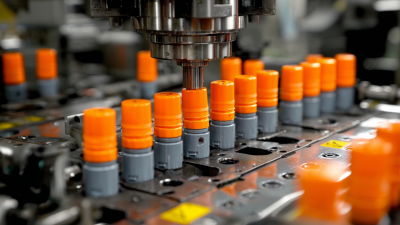
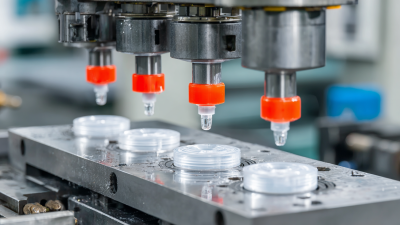
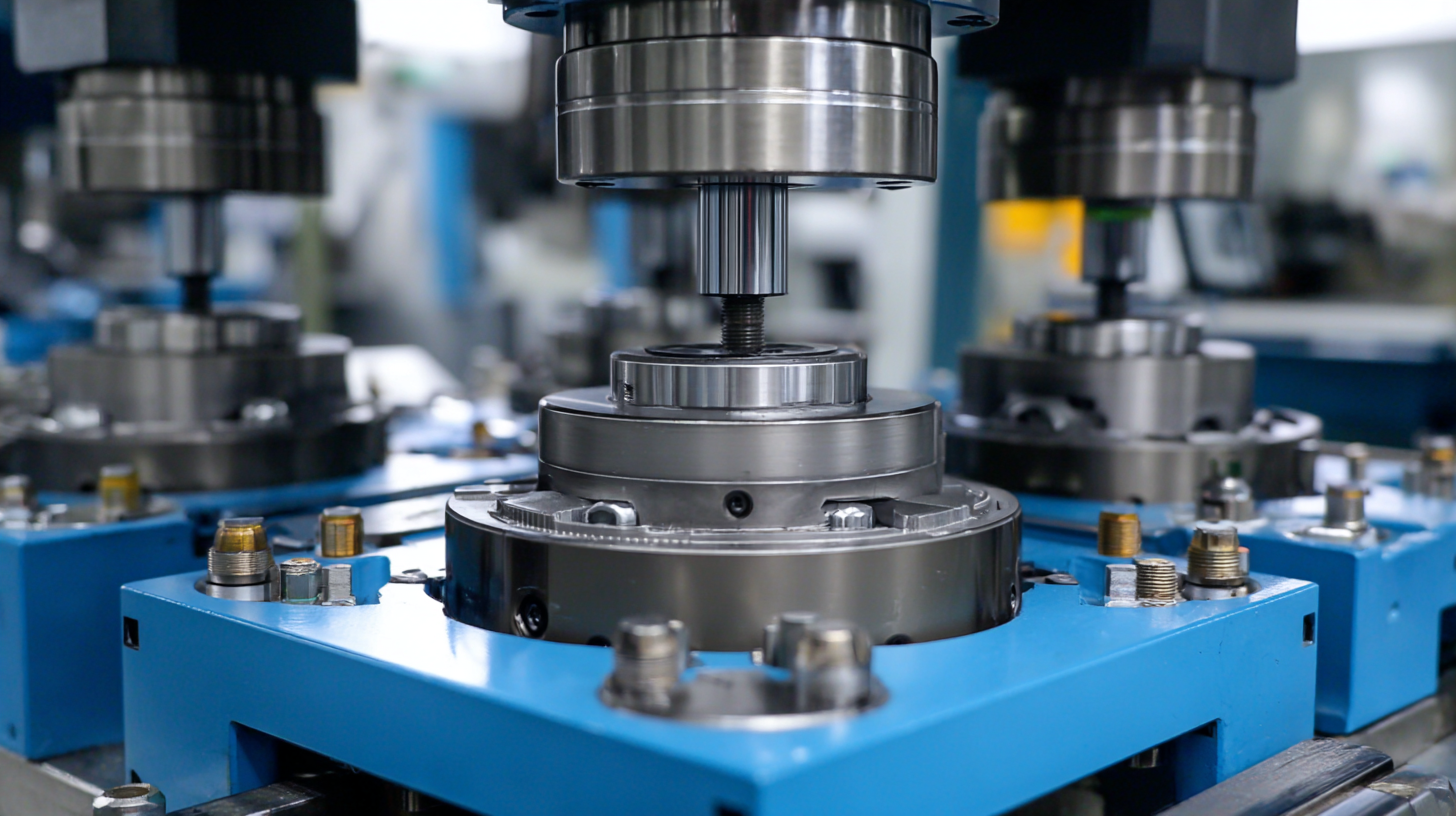
In the fast-changing world of manufacturing, choosing the right Compression Cap Mould really makes a difference when it comes to keeping your production running smoothly and maintaining high quality. Companies like Foshan Baijinyi Precision Technology Co., Ltd. (BJY) specialize in creating molds for PET liquid packaging — things like Blowing Molds, PET injection molds, and compression capping molds. Because of that, it’s super important to get a good handle on what to look for when picking a compression cap mould. In this blog, I’m just gonna share five practical tips that can help you find the perfect mould for your factory’s specific needs. With some insights from the industry and BJY’s deep expertise, you’ll be able to make smarter choices that boost your production process. And honestly, that could be the game-changer you need to stay competitive and succeed in today’s busy market.
Understanding the Importance of Compression Cap Moulds in Manufacturing Efficiency
Compression cap molds really play a huge role when it comes to making the whole manufacturing process smoother and more reliable. I mean, they directly affect how good and consistent your final product turns out. If you have a well-thought-out mold, it can seriously help speed things up, cut down on waste, and even make the final product last longer. Honestly, knowing how to pick the right compression cap mold is kinda a big deal for any factory that wants to get the most out of its operations.
When you're looking for a mold, don’t forget to check if it works well with the materials you're using. Different plastics can be kinda picky and may need specific mold designs to flow nicely and cool down properly during production. And, oh! Make sure the mold’s easy to maintain. Being able to get to it easily means less downtime, so your lineup keeps running smoothly.
One more thing to keep in mind is the cycle time. You want a mold that can eject the caps quickly and efficiently—that’s a big boost for overall productivity. It’s also worth looking for manufacturers who use smart cooling systems and high-quality steel in their molds. These details can really make a difference in how long your molds last and how well they perform. Focus on these things, and you'll see your factory’s efficiency improve—and you'll get better results in the long run, no doubt.
Key Factors Influencing the Cost-Effectiveness of Compression Cap Moulds
Picking the right compression cap mold for your factory isn’t just about crunching numbers — it’s about considering a few key things that really matter for your bottom line. At Foshan Baijinyi Precision Technology Co., Ltd. (BJY), we get it: your mold has to match your production needs without sacrificing quality or efficiency. One of the biggest factors? The design and materials used for the mold. When you have a well-thought-out compression cap mold, it can seriously cut down on defects and boost your output, saving you money in the long run.
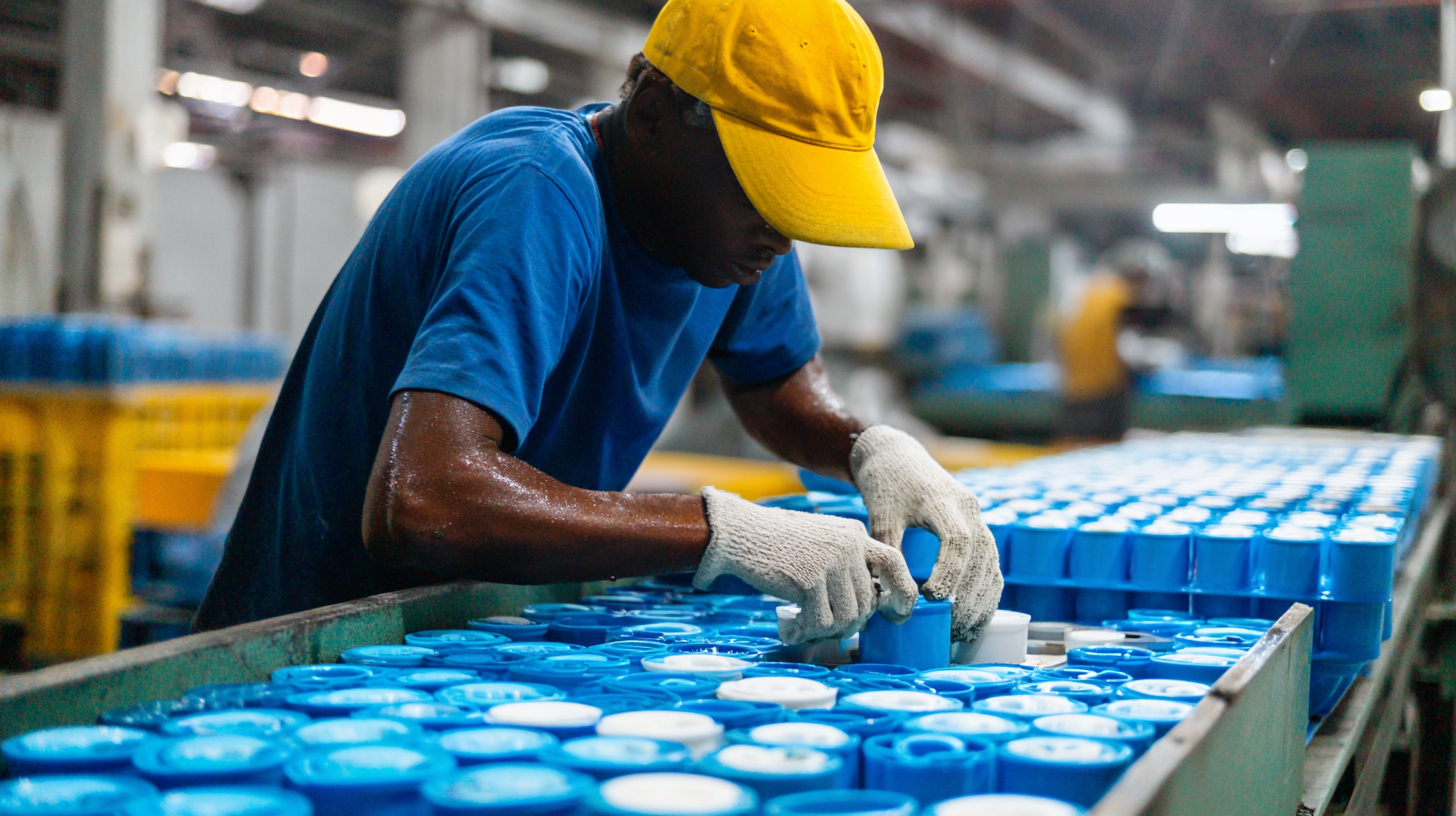
Plus, customization is also a big deal. Having molds that are tailored to specific cap styles can make your manufacturing process way smoother, helping everything fit together nicely on your production line. Don’t forget about after-sales support either — it’s crucial for keeping things running smoothly and saving you headaches down the road. Working with a trusted supplier like BJY, who specializes in precision molds, means you’re not just getting top-quality products but also the support you need to make sure you get the most out of your investment. Think about these factors, and you’ll be in a much better spot to make an informed, sustainable choice for your factory.
Comparative Analysis of Materials Used in Compression Cap Moulds
When you're picking out the perfect compression cap mold for your factory, it's really important to get a good grip on the materials you're working with. Knowing what's used can make a huge difference in optimizing your production and keeping quality high. Usually, you'll see materials like aluminum, steel, and various plastics—each with their own perks. Aluminum is pretty lightweight and kicks ass at heat conduction, so it helps cool things down quickly during molding. Steel, although heavier, is known for being super tough and handling high pressures without giving in, which means your molds last longer and stay precise over time.
Lately, polymers like high-density polyethylene (HDPE) and polycarbonate are gaining popularity too. They’re resistant to rust and easy to maintain, which is a big plus. Plus, they can be tailored for specific needs—whether that’s more flexibility or better resistance to impacts—making them super versatile for different applications. When you're comparing these materials, think about what your process actually needs—like temperature tolerance, cycle times, and how long you want your molds to last. Making a smart choice here can really boost your efficiency and the quality of your output in the long run.
5 Essential Tips for Choosing the Best Compression Cap Mould for Your Factory Needs - Comparative Analysis of Materials Used in Compression Cap Moulds
| Material Type | Durability | Cost (per unit) | Temperature Resistance | Best For |
| Aluminum | High | $75 | Up to 200°C | High-volume production |
| Steel | Very High | $100 | Up to 250°C | Heavy-duty applications |
| Thermoplastic | Moderate | $50 | Up to 100°C | Short runs and prototypes |
| Resin | Moderate | $60 | Up to 120°C | Lightweight products |
| Silicone | High | $80 | Up to 230°C | Flexible and high temperature |
Evaluating the Lifespan and Durability of Compression Cap Moulds
When you’re choosing a compression cap mould, one of the first things you wanna consider is how long it’s gonna last and how durable it is. I mean,durability really matters—especially in industries where keeping production running smoothly and ensuring your materials last can make or break your bottom line. I came across a recent industry report that mentioned some top-quality compression moulds can go over 500,000 cycles—that’s pretty impressive, right? Investing in sturdy, well-made moulds not only speeds things up but can also save you a ton in the long run by reducing operational costs.
Now, on to the materials used in making these moulds. It’s a big deal these days to look into environmentally friendly options. Recent studies point out that reclaimed composite materials—kind of like what you’d find in safety shoe toe caps—are actually pretty promising. They cut down on waste and, surprisingly, can hold up just as well as traditional materials. Using moulds made from recycled stuff is a smart move—it shows your factory is serious about sustainability but still gets the job done at a high quality level. Basically, picking the right moulds today means balancing good performance with being kind to the environment. It’s a win-win that helps industries move toward a more sustainable future.
Latest Innovations in Compression Cap Mould Technology and Their Impacts
Lately, there’s been some pretty exciting progress in compression cap mould tech. It’s like a whole new world, especially with innovations that focus on being more eco-friendly and efficient. For example, using biodegradable moulding materials is a game-changer — it helps manufacturers stay on top of environmental standards and makes their processes more sustainable. Not only does this tick the box for consumers who want greener products, but it also helps factories be responsible players in the sustainability scene. Industry reports even suggest that the market for eco-friendly packaging could hit around $400 billion by 2025 — so, yeah, staying up-to-date with these kinds of innovations is pretty crucial.
When you’re trying to pick the best compression cap mould for your factory, here are a few tips I’d keep in mind:
- First off, think about the materials you’ll be working with. Going for advanced, biodegradable options can make your products more appealing and eco-conscious at the same time.
- Then, look at how durable and versatile the mould design is. Modern injection moulding platforms now can handle pretty complex designs that used to be impossible, which means faster and more efficient production.
- And finally, don’t forget about the tech support from the mould makers. Choosing a mould backed by solid support can save you a lot of headaches and downtime down the line.
Putting these innovations into play isn’t just about boosting efficiency — it’s also about upping your product quality, which really counts in today’s competitive landscape. The trend in mould technology is all about smarter, greener solutions — I’d even call it a bit of a ‘renaissance’ in manufacturing, honestly.
Best Practices for Maintenance and Upkeep of Compression Cap Moulds in Factories
When it comes to taking care of compression cap molds in factories, sticking to the right practices is super important if you want to keep things running smoothly and make your equipment last longer. At Foshan Baijinyi Precision Technology Co., Ltd., we get it — good maintenance really cuts down on downtime and keeps your production humming. Catching issues early by regularly checking the mold surfaces for signs of wear and tear can save you a lot of headaches down the line. And don’t forget—keeping the molds clean and free from debris is a must. Garbage or leftover bits can cause defects in your final products and might even lead to costly delays that nobody wants.
Lubrication also plays a big role in keeping everything running right. Using the right lubricants helps reduce friction during the capping process, so operations go more smoothly and you’re less likely to damage the mold or machinery. Plus, staying up-to-date with the latest standards for compression cap molds helps your factory stay competitive. Basically, by sticking to these maintenance tips, you’re not just making sure your molds work better — you’re also keeping the quality high, which is exactly what companies like BJY stand for in their PET liquid packaging solutions.
5 Essential Tips for Choosing the Best Compression Cap Mould
The above chart illustrates the importance of various factors when selecting the best compression cap mould for your factory needs. Each factor is rated on a scale of 1 to 10, highlighting the significance of material quality and design complexity in the decision-making process.
FAQS
: Compression cap moulds are essential tools in manufacturing that directly influence the quality and consistency of the final product. A well-designed mould enhances production efficiency, reduces waste, and improves product durability.
When selecting a compression cap mould, consider material compatibility, accessibility for maintenance, and the mould's cycle time. Choosing moulds with innovative cooling systems and high-quality materials can also enhance productivity.
Key factors include the design and material of the mould, the level of customization, and the availability of after-sales support and maintenance services. These elements directly impact production costs and efficiency.
A well-designed mould minimizes defects and improves output efficiency, which can lead to significant reductions in overall production costs by ensuring a smoother manufacturing process.
Recent innovations include the use of biodegradable moulding materials and new injection moulding platforms that allow for complex designs, enhancing sustainability and manufacturing efficiency.
Emphasizing sustainability through biodegradable materials aligns manufacturing processes with environmental standards, meeting consumer demand and positioning manufacturers as responsible contributors to sustainability practices.
Assess the mould's ability to integrate complex designs and its overall robustness, as these aspects contribute to efficiency in production and long-term usability.
Strong technical support from manufacturers can reduce downtime and ensure smooth operation, leading to better overall efficiency and effectiveness of the mould in production processes.
Conclusion
In today’s manufacturing world, choosing the right compression cap mold is a pretty big deal if you want to get things running smoothly and keep your product quality up. Honestly, understanding just how important these molds are can really give your production a nice boost, since they directly affect your costs, how long the molds last, and how durable your end product is. Things like the materials you pick matter a lot—they influence not just how well the molds perform but also how long they hold up over time.
And hey, staying in the loop about the newest tech and innovations in compression cap molds can give you a bit of an edge over the competition. It can help your factory improve processes and cut down on unnecessary downtime. Plus, don’t forget about regular maintenance! Keeping your molds in tip-top shape means they’ll give you longer service life and keep your production running without hiccups.
Here at Foshan Baijinyi Precision Technology Co., Ltd., we’re all about providing high-quality compression capping molds that are custom-made to fit your specific factory needs. Our goal is to help you achieve more efficient and reliable liquid packaging—so you can focus on what you do best.
 Chinese
 Email
Email Whatsapp
 WeChat