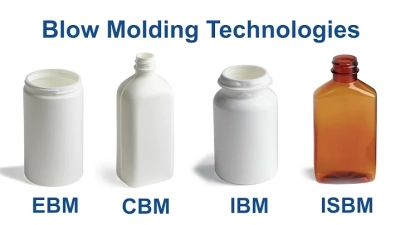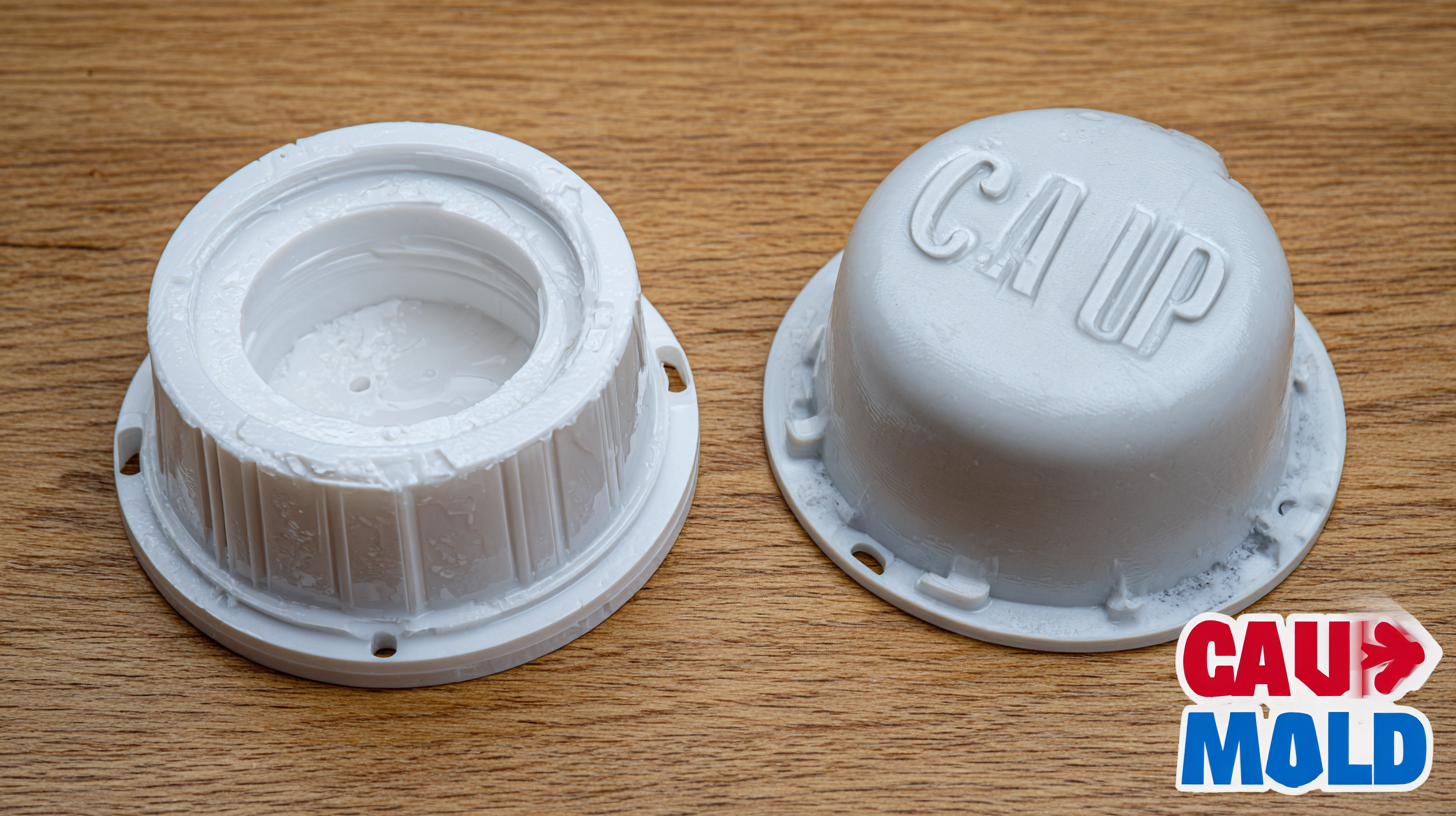
Hey there! In the fast-paced world of packaging technology, keeping up with the latest changes is super important for anyone in the industry. That’s why I’m excited to share this Ultimate Guide to Comparing the Best Cap Moulds out there. It dives deep into all the newest trends and innovations that are likely to shape the future of cap mould manufacturing by 2025. So, who’s behind this? It’s Foshan Baijinyi Precision Technology Co., Ltd. (or BJY for short), and they really know their stuff when it comes to precision engineering. They’re all about creating top-notch PET liquid packaging molds—think Blowing Molds, PET injection molds, and compression capping molds, plus some handy accessories. As the need for efficient and long-lasting packaging solutions ramps up, getting a grip on cap mould technologies is going to be key if businesses want to fine-tune their production and boost product quality. In this guide, we’ll take a good look at important features, performance indicators, and comparisons of the leading cap moulds in the industry. By the end, you’ll have all the info you need to make smart choices.
As we gear up for 2025, the cap mould industry is really shaking things up with some exciting innovations aimed at boosting productivity and sustainability. A recent report from MarketsandMarkets suggests that the global cap mould market could hit around $1.2 billion by 2025, with tech advancements leading the charge. Industry leaders are now getting into smart technology, integrating things like IoT features for real-time monitoring and predictive maintenance. This really cuts down on those frustrating downtimes and pumps up efficiency.
**Tip:** If you’re in the market for new moulds, think about ones that come equipped with smart tech. These nifty innovations can not only smooth out the production process but also give you some serious data insights that help with smarter decision-making and better profits.
On another note, there’s been a growing trend towards using eco-friendly materials in cap moulds. With more brands putting sustainability at the forefront, mould manufacturers are stepping up by creating bio-based and recyclable materials that don’t skimp on performance. In fact, the COMPRESS initiative has reported a pretty impressive 30% reduction in carbon footprint thanks to these new sustainable moulding technologies. This is a big win not just for the planet but also for eco-minded consumers and manufacturers.
**Tip:** Don’t forget to check out cap moulds that utilize sustainable materials. This move not only keeps you in line with regulations but also helps position your brand more favorably with customers who are becoming more aware of their environmental impact.
So, when you take a closer look at the top cap mould manufacturers out there, it's pretty fascinating what you find. A recent analysis offers some real eye-openers about their skills, creativity, and where they stand in the market. According to the latest market reports, the cap mould market globally is expected to hit a whopping $1.2 billion by 2025. That’s largely thanks to the rising demand for packaging that's lightweight and super versatile.
Among the heavyweights in this field, you’ve got companies like Husky Injection Molding Systems. They’re known for their cutting-edge tech, which not only boosts precision but also speeds up production time, making them a go-to for big beverage brands.
Another interesting player is Jomar Corp. They’ve made quite a name for themselves in injection Blow Moulding and really emphasizesustainability. You can see their commitment in how they use eco-friendly materials and clever mould designs that cut down on waste. A 2023 industry report pointed out that because of their sustainable practices, Jomar’s market share has jumped by 15% over the past five years. As companies get in tune with what consumers want, these insights highlight that it’s not just about tech upgrades but also being responsible when it comes to the environment in the cap mould game.
Hey there! You know, lately, sustainability has really stepped into the spotlight in the manufacturing world, especially when it comes to cap mould production. It’s kind of exciting to see the industry taking a stand to cut down on environmental harm by using eco-friendly materials and energy-saving methods. Manufacturers are diving into things like biodegradable plastics and smarter recycling techniques, which is a big win for reducing waste and boosting the whole circular economy vibe. Plus, as more folks start caring about the planet, brands that make sustainability a priority are totally getting ahead of the game.
So, if you’re in the market for cap moulds, it’s worth checking out companies that are serious about eco-conscious production methods. Look out for certifications that show they’re committed to being green, like ISO 14001. And don’t forget to pay attention to the materials they use—opt for those made from recycled stuff, as they can really help lessen our footprint without skimping on quality.
On top of that, using energy-efficient machinery can really give a boost to sustainability efforts in cap mould production. These machines can cut down on energy use and trim down operational costs over time, which is a win-win! By hopping on these sustainable trends, businesses can not only do their part for the environment but also meet the demand for top-notch products.
Alright, so when you're looking at cap moulds, it's super important to really get a handle on the performance metrics before you choose the right one for your setup. There are a few key things you should definitely keep in mind, like cycle time, dimensional accuracy, and durability. Basically, cycle time tells you how fast a mould can churn out caps without skimping on quality. If you can dial down that cycle time, you’ll see a nice boost in your production efficiency—it’s a big deal!
Here’s a tip: Make sure to check the average cycle time of different moulds during trial runs. That way, you’ll be able to figure out which one fits your production needs best.
Now, dimensional accuracy is another critical factor—it’s all about how well the mould shapes caps to meet the precise measurements and tolerances. When you have moulds that keep high dimensional accuracy, you’ll cut down on waste and really improve your overall production process. And let’s not forget durability; this one’s huge, because it tells you how long a mould can keep performing without showing serious wear or defects.
Another tip? Think about investing in moulds made from high-quality materials. They can really handle a lot of use and various environmental factors, which means better longevity and performance over time.
So, by zeroing in on these performance metrics, you’ll be set to make a smart decision when you’re comparing the best cap moulds out there!
You know, in the fast-changing world of manufacturing, making sure your business is ready for the future is really key if you want to keep growing and stay competitive. And let me tell you, advanced cap mould solutions are leading the way in this whole transformation thing. There’s this report from Grand View Research that says the global moulding machinery market is set to hit a whopping $12.3 billion by 2025, growing at a steady rate of about 4.1%. That’s a clear sign for businesses to start putting their money into advanced moulding tech—it's not just about cranking out more products but also about doing it in a more sustainable way.
As more companies focus on being efficient and eco-friendly, getting high-tech cap moulds is becoming a no-brainer. These modern solutions come packed with features that save energy and cut down on material waste, which means lower operational costs and a better impact on sustainability. Plus, there’s a study from the International Plastics Database that shows how these cutting-edge moulding techniques can shrink material use by around 20%. That's a big deal for a company’s profits! So, by making smart choices about cap moulds right now, businesses can grab that competitive edge—one that not only meets today’s demands but is also ready for whatever’s coming down the road.
: Key trends include the integration of smart technologies for real-time monitoring and predictive maintenance, the use of environmentally-friendly materials, and a focus on enhancing productivity and sustainability in the cap mould industry.
Smart technology can significantly reduce downtime and enhance efficiency by enabling real-time monitoring and predictive maintenance, ultimately leading to increased profitability through streamlined processes and valuable data insights.
There is a growing trend towards environmentally-friendly materials, such as bio-based and recyclable materials, which help reduce the carbon footprint and appeal to eco-conscious consumers.
Companies can demonstrate commitment to sustainability by using biodegradable plastics, recycling methods, obtaining eco-certifications like ISO 14001, and investing in energy-efficient machinery.
Advanced moulding techniques can reduce material consumption by up to 20%, leading to lower operational costs and improved sustainability metrics for businesses.
Future-proofing is essential for sustained growth and competitiveness as companies need to invest in advanced technologies that align with efficiency and environmental responsibility, meeting both current and future industry demands.
By focusing on sustainability, businesses can reduce waste, lower operating costs through energy efficiency, and position themselves favorably among increasingly environmentally-aware customers, all of which can positively impact profitability.
Certifications indicate a company's commitment to eco-friendly practices, making them an important factor to consider when selecting cap mould suppliers to align with sustainability goals.
Brands can attract eco-conscious consumers by prioritizing sustainable practices in their production methods, utilizing eco-friendly materials, and reducing their carbon footprint through innovative moulding technologies.
The global cap mould market is projected to grow to $1.2 billion by 2025, driven by advancements in technology and sustainability initiatives.
Chinese