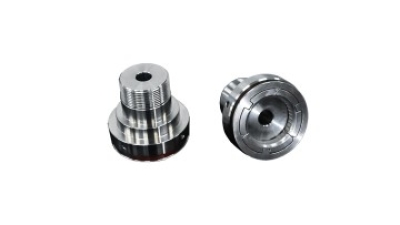
In today’s fast-changing world of liquid packaging, picking the right Cap Mould is pretty important for manufacturers who want to keep things efficient and maintain good quality. From what I’ve seen in market research, the global plastic packaging scene is expected to hit around $650 billion by 2024. PET packaging’s really leading the charge, mainly because it’s lightweight, recyclable, and just works so well. Here’s where Foshan Baijinyi Precision Technology Co., Ltd. (BJY) comes into play — they’re pretty much ahead in this field. They focus on designing and making high-quality PET liquid packaging molds, including Blowing Molds, PET injection molds, and compression capping molds. They’re always coming up with innovative solutions that suit the needs of beverage and liquid product makers. Getting a good handle on how to choose the right Cap Mould isn’t just about boosting production speed — it’s also a big deal for making sure product quality stays top-notch, and that can really give you an edge in the market. As we go through this ultimate guide, I hope manufacturers will feel more confident in making choices that really help them succeed and stay competitive in this busy industry.
Understanding the Different Types of Cap Moulds and Their Applications in Production
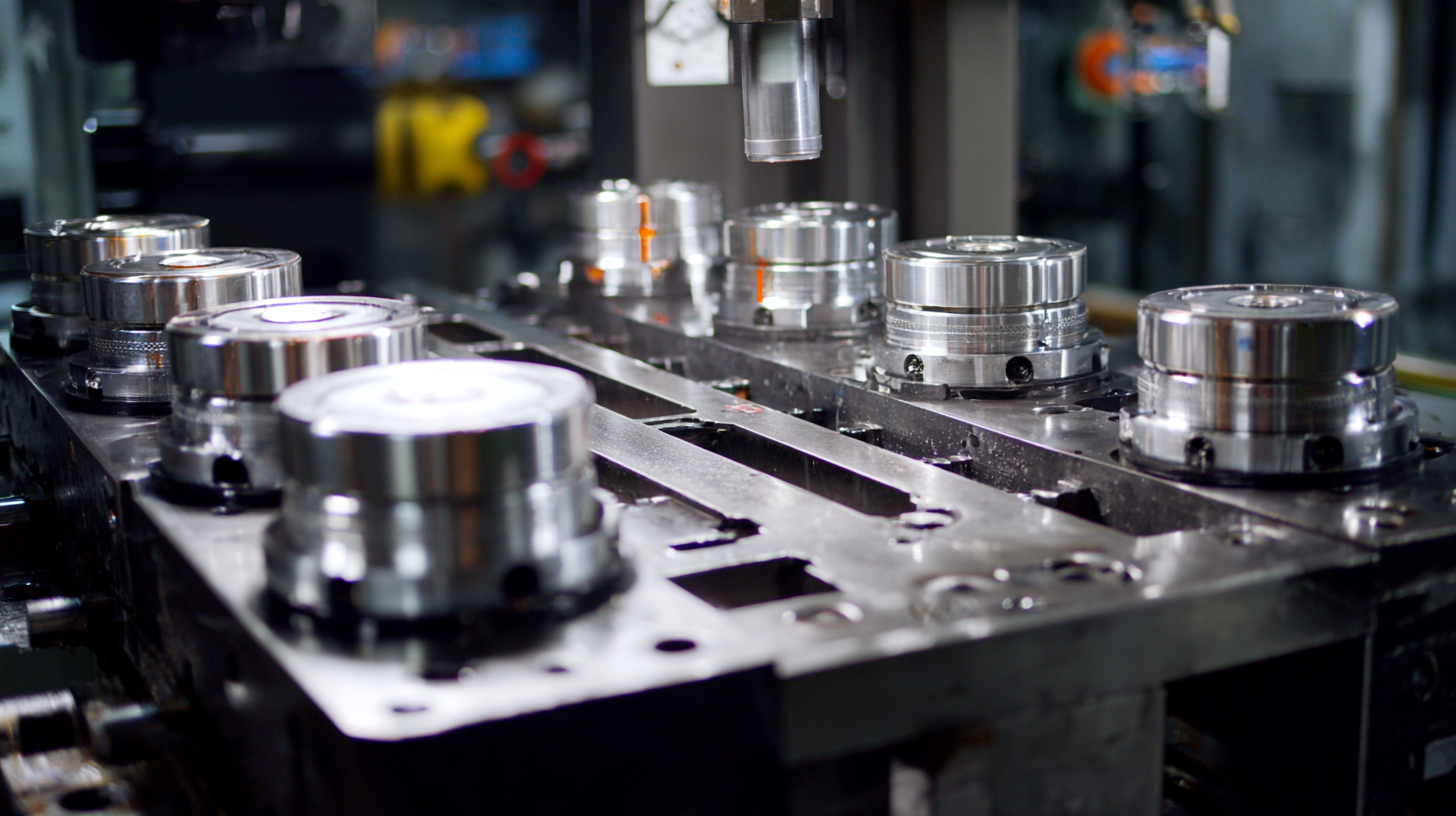
When you're choosing the right cap mould for your production line, it’s really important to understand the different types out there and what each one is best for. You know, from blowing moulds to injection and compression capping moulds — each kind has its own specific role. Picking the wrong one can really mess with your efficiency and the quality of your final products. This is especially true nowadays, since companies are under more pressure than ever to be precise and quick with packaging.
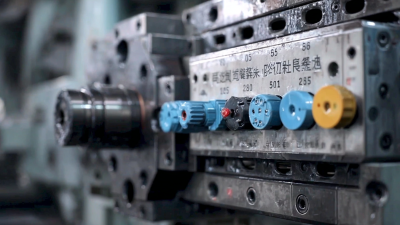
Lately, new tech like predictive modeling and data-driven methods are totally changing the game in injection molding. These tools help predict issues before they even happen, so you get better, more consistent results. Plus, innovations like 3D-printed moulds are really speeding things up, allowing businesses to get new designs out there faster and more smoothly. With such rapid changes happening, it’s super important for manufacturers to embrace these new technologies and make smart mould choices if they want to stay ahead of the competition. At Foshan Baijinyi Precision Technology Co., Ltd., we’re all about providing top-notch PET liquid packaging moulds that help our clients tackle these challenges and hit their production targets.
Key Factors to Consider When Choosing a Cap Mould for Your Bottling Needs
When you're on the hunt for the perfect cap mould for your bottling needs, there are a few key things you really want to keep in mind. The plastic caps market is booming—it’s expected to hit a massive $71.8 billion by 2035! That growth is mainly driven by the food and beverage world, where safety and sustainability aren't just buzzwords—they're essentials. So, your choice of cap mould should ideally include eco-friendly designs and precise molding tech that match these big trends.

Plus, let’s not forget—how efficiently you produce and the quality of those caps can really impact your costs and how well your bottles perform. It’s important to pick materials and designs that are recyclable and align with the shift toward more sustainable packaging. Also, you’ll want to look into the setup costs and how easily your new moulds will fit into your existing production line. The goal? Maximize output and cut down on waste. By keeping all these points in mind, you can make sure your bottling process runs smoothly, stays efficient, and meets the current industry standards—and what your customers are now expecting from brands.
Analyzing Material Choices: Impact on Durability and Production Efficiency
Choosing the right cap mold for your production line isn't just about picking any shape or size — understanding how your material choices affect both how long the mold lasts and how smoothly things run is a big deal. I came across a report from the Plastic Industry Association that mentions, believe it or not, picking the correct polymer can actually boost your mold’s lifespan by up to 30%. That’s a huge deal because it means less downtime and fewer replacements, saving you a ton of headache and money. For example, high-density polyethylene (HDPE) is often praised for its tough resistance to impacts and chemicals, making it a solid choice. On the other hand, polypropylene (PP) is popular because it’s lightweight and budget-friendly.
Here’s a tip — always double-check if your chosen material plays nice with what your production environment throws at it. If you’re working with high temps or harsh conditions, materials like PEEK are worth considering since they can handle extreme environments without breaking a sweat. Also, throwing on some advanced coatings can make your molds last even longer, reducing wear and tear over time.
Material choices don’t just affect durability — they really impact how fast you can produce. According to a study from the American Society of Mechanical Engineers, using high-performance materials for your molds can speed things up by 20-40%. That means faster cycles and higher output. So, investing in a good design and the right materials really pays off because it helps you hit your quality standards while cutting down on defects. Honestly, selecting the right mold isn’t just a technical decision — it can really make or break your production process.
Material Choices and Their Impact on Durability and Production Efficiency
Exploring the Latest Trends in Cap Mould Technology and Innovation
You know, in the constantly changing world of manufacturing, cap mold technology has really come a long way, especially when it comes to both efficiency and being eco-friendly. One of the coolest trends right now is how smart tech is making its way into molding processes. Thanks to Industry 4.0, more and more manufacturers are jumping on the bandwagon with automation, IoT, and AI-driven systems — all aimed at boosting quality and speeding things up. These advances mean real-time monitoring and tweaking on the fly, which not only cuts down on waste but also helps keep the cap production consistent and reliable.
On top of that, there's a big push towards using greener materials in cap mold design. Lots of companies are now turning to biodegradable and recyclableoptions, which is pretty awesome for hitting global sustainability targets. Thanks to ongoing breakthroughs in material science, we're seeing plastics that are durable but kinder to the planet. Not only does this help manufacturers stay ahead of regulations, but it also appeals to customers who care about the environment. It’s definitely a win-win situation. As these trends keep evolving, staying up-to-date with the latest in mold technology is super important if you want to stay competitive and keep improving your operations.
Cost-Benefit Analysis: Investing in Quality Cap Moulds for Long-term Savings
Thinking about buying cap molds for your production line? Well, doing a proper cost-benefit analysis is pretty much essential. At first glance, the price of high-quality molds might seem pretty steep, and honestly, that can feel a bit overwhelming. But here’s the thing—you often end up saving way more over the long run. Why? Because top-notch molds are built to last and give you accuracy, which means fewer mistakes and less downtime. That kind of efficiency is a game-changer—it allows you to roll out more caps without constant hiccups, and naturally, that’s good for the bottom line.
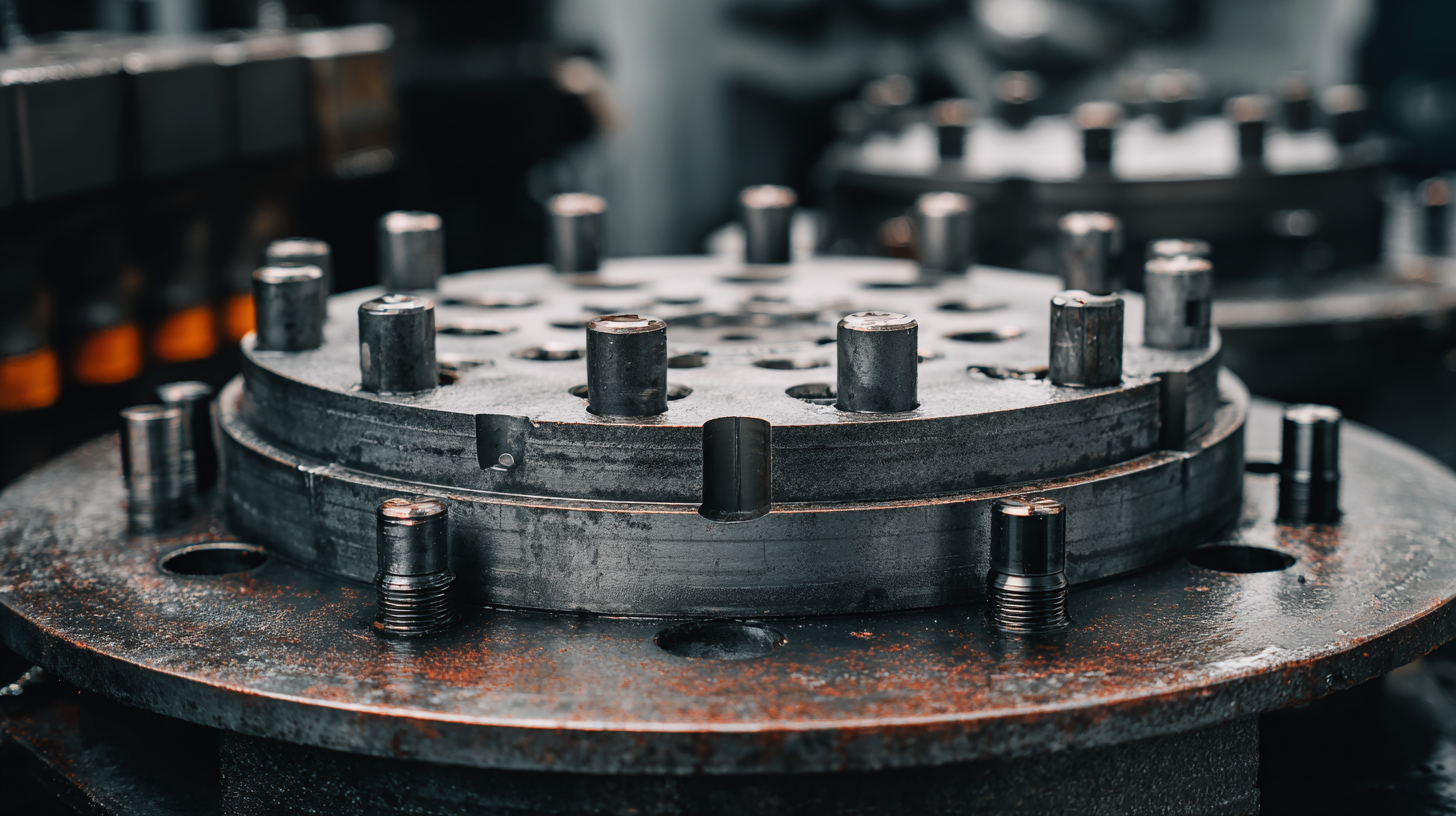
Plus, investing in quality molds helps make your product more consistent, which your customers will notice. When your production runs smoothly and your caps meet or even beat quality expectations, it boosts your reputation. That kind of trust can turn into loyal customers and even boost sales. On the flip side, sticking with cheaper, lower-quality molds usually leads to more frequent replacements and fixing errors, which can really add up. So, in a way, shelling out for good molds isn’t just about cutting costs—it’s a smart move for your business in the long run.
Case Studies: Successful Implementation of Custom Cap Moulds in Various Industries
When it comes to making caps for different industries, custom moulds really end up being a total game-changer. For instance, take the beverage industry — a big manufacturer there ran into issues using standard moulds, which led to a lot of rejects because the fit and design just weren’t consistent. So, they decided to invest in custom-made moulds specifically designed for their bottle shapes. The difference was night and day — not only did the quality of their caps improve a lot, but they also managed to cut down on manufacturing costs. That shift really helped them stay competitive in a market that keeps changing fast.
Then, in the pharmaceutical world, we see how important tailored mould solutions can be, too. A well-known pharma company needed caps that could show tampering if someone tried to open them, but they also wanted something that was easy for customers to use. By working hand-in-hand with mould designers, they came up with a unique cap that checked all the boxes — it met industry standards and boosted safety for consumers. Successfully rolling out this custom solution not only made sure they stayed compliant, but it also built more trust with their clients. All in all, these examples just highlight how crucial custom cap moulds are across different sectors — they really make all the difference.
Innovative Solutions for Packaging: Exploring the Benefits of the PET Bottle Screw Cap (29/25 13.5g)
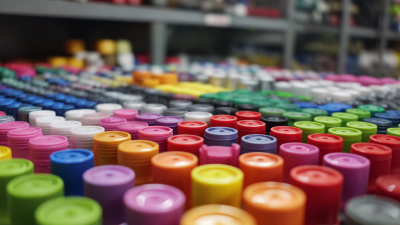
When it comes to packaging, efficiency and reliability are paramount, especially in the beverage industry. The PET bottle screw cap, designed specifically for 13.5g PET preforms with a 29/25 neck finish, offers an innovative solution that addresses these concerns. With its dimensions of Ø54*50.6, this cap ensures a snug fit that effectively prevents leaks during bottling processes, providing peace of mind to manufacturers.
One of the standout features of this PET cap is its remarkable compatibility with Tech-Long capping machines. Unlike standard caps, which may create bottlenecks during high-speed operations, this screw cap glides seamlessly onto the machines. It locks in place securely even when the production line is operating at full speed, eliminating the risk of jamming or delays. This efficiency not only boosts productivity but also helps maintain the quality of the products being packaged.
As businesses increasingly seek sustainable and reliable packaging options, the PET bottle screw cap stands out as a forward-thinking choice. By investing in such innovative solutions, manufacturers can enhance their bottling processes, ensuring that they deliver products that meet high standards of quality and safety.
FAQS
: The main types of cap moulds include blowing moulds, injection moulds, and compression capping moulds, each serving a unique purpose in the production line.
The choice of mould can significantly influence the efficiency of the manufacturing process and the quality of the final product, impacting production costs and overall performance.
Recent advancements include predictive modeling and data-driven approaches that automate the prediction of quality issues, as well as the use of 3D-printed moulds that streamline production timelines and expedite market readiness.
Key factors include projected market growth, the demand for eco-friendly designs, production efficiency, quality of the caps, recyclability, and integration with existing bottling processes.
The plastic caps market is expected to reach approximately $71.8 billion by 2035, driven mainly by the food and beverage industry.
Manufacturers are increasingly focusing on biodegradable and recyclable materials in cap mould design to align with sustainability goals and appeal to environmentally conscious consumers.
Smart technologies, including automation, IoT, and AI-driven systems, enhance production quality and speed by allowing real-time monitoring and adjustments, reducing waste in cap production.
Selecting materials that enhance recyclability and align with sustainability trends can improve compliance with regulatory standards and cater to growing consumer demand for eco-friendly packaging.
Integrating technology into cap mould processes enhances operational capabilities, boosts production efficiency, and ensures consistent quality while reducing waste.
Staying informed about emerging trends and technologies is vital for manufacturers seeking to enhance their operational capacities and maintain competitiveness in the evolving landscape of cap production.
Conclusion
Hey there! If you're in the packaging game, you probably already know that picking the right cap mould can make a huge difference—whether it’s about ramping up production or making sure your final product looks and feels just right. This guide is kind of like your buddy in the know, walking you through the different types of cap moulds out there. We’ll chat about where each one fits in the production line, and highlight some key things to keep in mind before making your pick. Oh, and we’ll also dive into the materials—because, honestly, what your mould’s made of really impacts its durability and performance. Plus, you’ll get a peek at some of the coolest new trends and innovations happening in cap mould tech right now.
We even broke down the costs versus benefits of investing in top-quality moulds—spoiler, it’s usually worth it for the long haul. To back all this up, we’ve included real-world examples from different industries to give you a better idea of what works well. And with Foshan Baijinyi Precision Technology leading the charge in designing top-tier PET liquid packaging molds, you can count on getting custom solutions that are just right for your production needs. Basically, we want to help you make smarter choices and get your packaging game on point.
 Chinese
 Email
Email Whatsapp
 WeChat