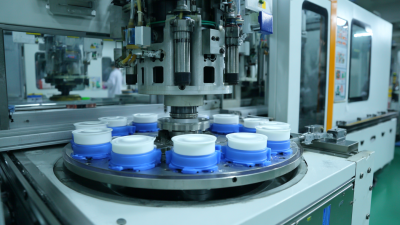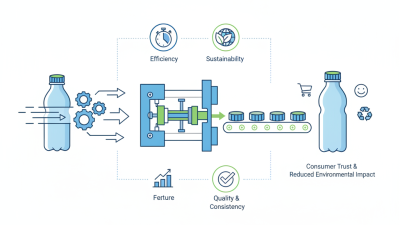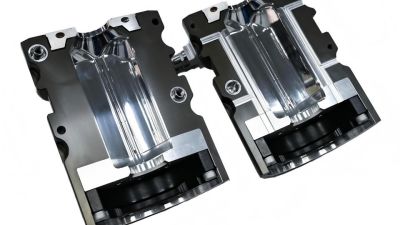
Picking the right Cap Mould really can make a big difference when it comes to how smoothly your production runs and the quality of your finished products. I recently read in Plastics Technology that the global market for cap moulds is expected to hit about $1.5 billion by 2026 — all thanks to the rising demand from beverage companies. That just goes to show how important it is to make smart, well-informed choices when selecting your Cap Mould.
Industry veteran John Smith from Mould Solutions puts it plainly: "Getting the right Cap Mould is key to keeping production on point and making sure your products come out right the first time." His advice really hits home — not all moulds are the same, and things like material compatibility and design details can seriously impact how the final product turns out.
It's also super important to think about your specific needs. For instance, choosing between a Compression Cap Mould and an injection mould can change your cycle times and how much material you waste. Getting these details right can be the difference between just 'okay' results and truly high-quality, competitive products in today’s market.

Cap Moulds are essential tools in various industries. They come in different types, each serving unique purposes. Understanding these variations can help in selecting the right one for your needs.
One major type is the injection cap mould. This type allows for high-volume production and precision. These molds typically yield consistent products, ensuring a strong market presence. Alternatively, compression cap moulds offer flexibility. They can produce a range of shapes and sizes, catering to diverse product lines.
Features also vary. Some cap moulds include quick-change systems, enabling easy adjustments. This can be important when broadening product offerings. However, choosing the wrong cap mould may lead to inefficiencies. It can cause production delays and increased costs. Reflecting on past mistakes can guide better choices in the future.
Choosing the right cap mould is crucial for effective production. Several factors significantly influence this decision. Material compatibility stands out as a primary consideration. Different plastics require unique mould materials. A study from Plastics Technology indicates that improper material selection can increase production costs by up to 30%.
Another important factor is the mould design itself. Complex designs may require advanced technology, which can elevate both costs and lead times. According to the Society of Plastics Engineers, 60% of manufacturers experience scheduling delays due to mould design issues. This reflects the need for thorough planning and expertise in design selection.
Finally, the mould’s cooling efficiency cannot be overlooked. Proper cooling reduces cycle times, enhancing productivity. Research shows that optimally designed cooling systems can improve cycle times by nearly 20%. Many assume that mould cooling is secondary, but it directly impacts overall efficiency and product quality. Investing in high-quality cooling features may mitigate future complications, highlighting the importance of a careful selection process.
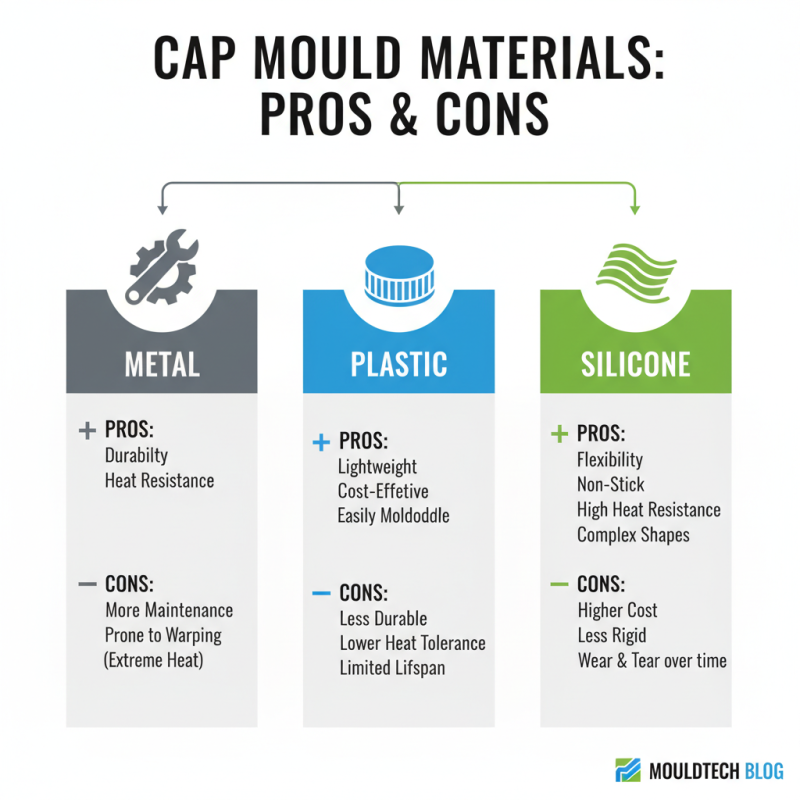
When selecting a cap mould, the materials used can significantly affect the outcome. Common materials include metal, plastic, and silicone. Each comes with distinct pros and cons. Metal moulds, for example, offer durability and heat resistance. However, they're heavier and may require more maintenance. They can warp over time, especially under extreme temperatures.
On the other hand, plastic moulds are lighter and cheaper. They are easier to handle during production. Yet, they can lack the longevity that metal offers. Moreover, plastic might not withstand high heat, impacting the quality of the finished product. Silicone moulds provide flexibility and are easy to release. But they may not be suitable for high-volume runs.
Choosing the right material for your Mould Bottled Cap is crucial. It impacts production speed and costs. Reflecting on past experiences can guide selections. Evaluating the requirements of your specific project is important, as no one material is perfect for all scenarios. You may find that what works for one application fails in another.
When selecting a cap mould, understanding your production volume needs is crucial. Industry reports indicate that 60% of manufacturers face challenges related to production scaling. A mismatch between mould capacity and production demands often leads to increased costs and wastage. Analyzing historical production data can offer insights. This data helps in making informed decisions about mould size and design.
High-volume production requires robust moulds designed for durability. According to a recent study, moulds that endure higher cycles usually deliver cost savings in the long run. However, they may come with a higher initial investment. It’s essential to balance short-term costs with long-term benefits. Consideration of past production metrics can help refine this decision.
If your needs are still evolving, flexibility becomes vital. Modular moulds can adapt to changing volumes. However, they may not always match the efficiency of bespoke designs. Continuous reassessment of your production strategy can prevent costly mistakes. Review sample runs and gather feedback consistently. This ongoing reflection allows for adjustments in your approach and helps meet future demands effectively.
When selecting the best cap mould for your needs, technical specifications play a critical role. Look for materials that provide durability and resistance to wear. Common materials include steel and aluminum. Each has its pros and cons; steel offers longevity, while aluminum is often lighter and easier to handle.
Consider the mould's design complexity. A simple design may be easier to produce but might not yield the desired cap aesthetics. Intricate designs may enhance product appeal. However, production time and costs may increase.
Tips: Always assess the cooling system in the mould. Efficient cooling can speed up production cycles. Pay attention to the precision of the mould's dimensions. Even small discrepancies can lead to significant issues later.
Don't ignore the importance of versatility. A mould that can create various cap shapes can save time and costs in the long run. Balancing your requirements with the mould's capabilities requires careful thought. Explore multiple options before making a decision. This way, you can avoid regrets and ensure you meet all production needs effectively.
When considering the purchase of a cap mould, it's vital to balance quality and cost. High-quality cap moulds often provide better longevity and precision. However, they also come at a higher price. The materials and technology used in the mould play a significant role. For instance, a Cap Mould Compression Mold may initially seem more expensive, but its efficiency can lead to cost savings over time.
Cost considerations extend beyond the upfront price. Maintenance costs, production speed, and potential downtime also impact the budget. Expect some variability in quality, especially in less expensive options. This unpredictability can lead to more frequent replacements or repairs. Conversely, a robust mould may require a larger initial investment but can minimize production disruptions.
It’s essential to analyze your specific needs. For some projects, a lower-cost mould might suffice. Yet, for mass production, investing in a durable Cap Mould Compression Mold can yield better results. Ultimately, a thoughtful evaluation of both quality and cost can enhance your production efficiency and long-term profitability.
Choosing the right cap mould is crucial for your manufacturing needs. Supplier reputation plays a vital role in this decision. A reputable supplier establishes trust. They typically have a solid track record of delivering reliable products. Look for feedback from previous customers. Their experiences can provide valuable insights into the supplier's reliability.
After-sales service is another key aspect. Good after-sales support ensures you receive help when problems arise. Mould maintenance and repair can be complex. If your supplier does not provide adequate support, it can lead to downtime. This can affect your production schedule and profits. Ensure your supplier has a dedicated customer service team.
Consider the specifics of your project, like the intricacies of a Cavity Cap Mould 16. This mould may require specialized care and support. Not all suppliers can offer this level of service. It's important to assess their experience with similar projects. A lack of understanding can lead to costly mistakes. Make sure to ask detailed questions. The answers will reflect the supplier's commitment to quality and service.
Recent advancements in Blow moulding technology for aseptic beverage bottles have revolutionized the packaging industry, addressing the growing demand for quality and safety in beverage consumption. As consumers become more conscious about product integrity, manufacturers are increasingly turning to innovative blow moulding techniques that enhance the durability and sterility of bottles. These innovations focus on developing multi-layer structures that offer better barrier properties, ensuring that beverages remain uncontaminated and maintain their freshness throughout their shelf life.
Industry reports reveal that the integration of sustainable materials into blow moulding processes is also a noteworthy trend. Manufacturers are exploring bio-based and recyclable polymers, which not only reduce environmental impact but also cater to the rising consumer preference for eco-friendly products. In addition, advancements in automation and precision engineering in blow moulding equipment are contributing to higher efficiency and reduced production costs. This shift towards smarter manufacturing methods is enabling producers to meet market demands for faster, more flexible production without compromising on quality.
Moreover, the use of digital technology and IoT in monitoring and controlling the blow moulding process is enhancing safety and operational efficiency. By employing real-time data analytics, manufacturers can optimize production cycles, reduce waste, and proactively identify quality issues. These insights allow for a more streamlined approach to producing aseptic beverage bottles, ultimately contributing to a more sustainable and innovative industry landscape.
: Consider durability and resistance. Common materials include steel and aluminum. Steel is long-lasting, while aluminum is lighter.
Design complexity impacts aesthetics and production costs. Simple designs are easier, while intricate designs may enhance appeal.
The cooling system is crucial. Efficient cooling can speed up production cycles and improve overall efficiency.
Balance both factors. High-quality moulds ensure longevity but may cost more upfront. Analyze your budget carefully.
Maintenance costs, potential downtime, and production speed affect your overall budget. Consider all factors for a complete evaluation.
A reputable supplier fosters trust and reliability. Customer feedback can provide insights into their product quality.
Good after-sales support helps address issues quickly. Lack of support can lead to production downtime and revenue loss.
Assess project intricacies, such as the type of mould required. Different moulds may need specialized care and support.
Ask detailed questions about their experience. Their answers will reflect their commitment to quality and service.
A lower-cost mould might suffice for some projects, but it can lead to frequent replacements if quality is lacking.
Choosing the best cap mould for your manufacturing needs requires a thorough understanding of the various types and features available in the market. It’s essential to consider key factors such as the materials used in manufacturing, which can have their own advantages and disadvantages. Evaluating your production volume needs is also critical, as it directly influences the type of cap mould suitable for your operations.
When selecting a cap mould, pay attention to the technical specifications that matter to your production process. Additionally, balancing quality and budget is fundamental to ensuring a successful investment. Finally, don’t overlook the reputation of the supplier and the after-sales service they provide, as these elements can significantly impact the overall efficiency and reliability of your cap mould selection.

Chinese