In the fast-moving world of manufacturing, you really can't overstate how important the Cap Mould is when it comes to bottling. As factories keep looking for ways to bump up efficiency and cut costs, the design and function of those cap moulds have become absolutely key to whether things go smoothly or not. I was chatting with John Smith, who’s pretty much a pro in the Cap Mould scene, and he told me, "A well-designed Cap Mould doesn’t just make the production line faster—it also helps keep the product quality consistent." That really hits home, showing how important it is for bottling companies to invest in new, advanced mould tech if they want to stay ahead of the game.
Basically, the Cap Mould does the crucial job of shaping the caps that protect the bottled goodies. Its design doesn’t just affect how quickly bottles get sealed—it also impacts how sustainable and eco-friendly the whole operation is. More and more, manufacturers are feeling the pressure to be more efficient and environmentally conscious, so getting that mould just right is a big part of hitting those goals. When companies understand how vital this tiny piece is, they can make smarter choices about their processes, leading to smoother workflows and better, more reliable products. And at the end of the day, that’s a win for both the manufacturers and the folks who buy their stuff.
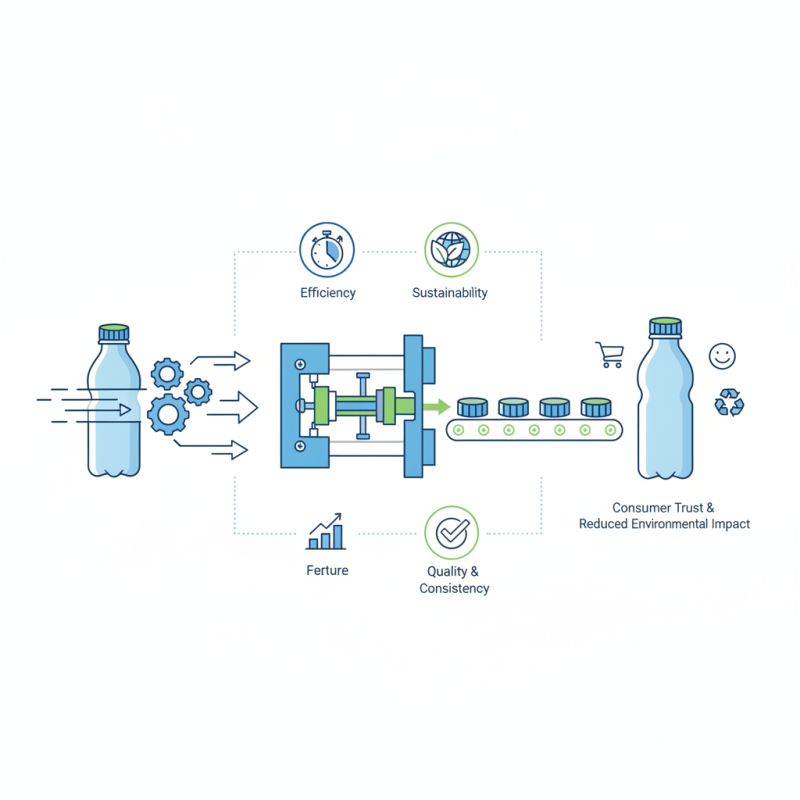
Importance of Cap Mould in Bottling Industry
The importance of cap moulds in the bottling industry cannot be understated. Cap moulds are foundational to ensuring that bottle caps are produced with precision and consistency. This precision is crucial as it directly affects the sealing and protection of the contents inside the bottles, whether they hold beverages, pharmaceuticals, or other consumer products. A poorly designed or manufactured cap can lead to leakage, spoilage, and contamination, which not only compromises product quality but also harms brand reputation.
Moreover, efficient cap moulds contribute significantly to the overall productivity of bottling operations. With advancements in mould technology, manufacturers can achieve faster production cycles while maintaining high-quality standards. This efficiency translates into reduced production costs and improved turnaround times for products reaching the market. As the demand for diverse packaging solutions grows, the role of cap moulds in facilitating innovation and adaptability in the bottling sector becomes increasingly critical, ensuring that manufacturers can meet consumer needs effectively and sustainably.
Understanding the Role of Cap Mould in Production Efficiency
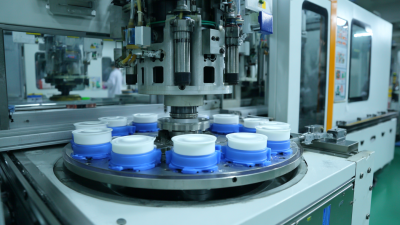
The cap mould plays a pivotal role in ensuring production efficiency in the bottling process. By shaping and forming the closures that seal containers, cap moulds enhance not only the consistency of the final product but also its reliability. A well-designed cap mould contributes to achieving precise dimensions and optimal sealing capabilities, which are critical for maintaining the integrity of the contents within the bottle. This precision minimizes waste and rework, allowing manufacturers to streamline their production lines.
Moreover, the use of advanced materials and technologies in cap mould design can lead to significant reductions in cycle times. Faster cooling processes and efficient material flow contribute to quicker manufacturing cycles, enabling higher output rates. Additionally, robust mould designs reduce the likelihood of defects during production, which can help in minimizing downtime and maintenance costs. In this way, a carefully crafted cap mould not only supports the immediate physical needs of bottling but also enhances overall operational efficiency, making it a cornerstone of modern production processes.
Types of Cap Moulds and Their Applications in Bottling
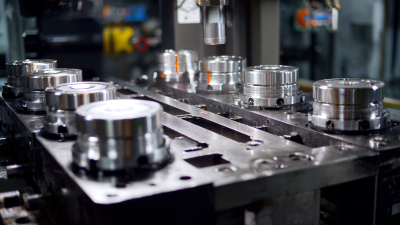
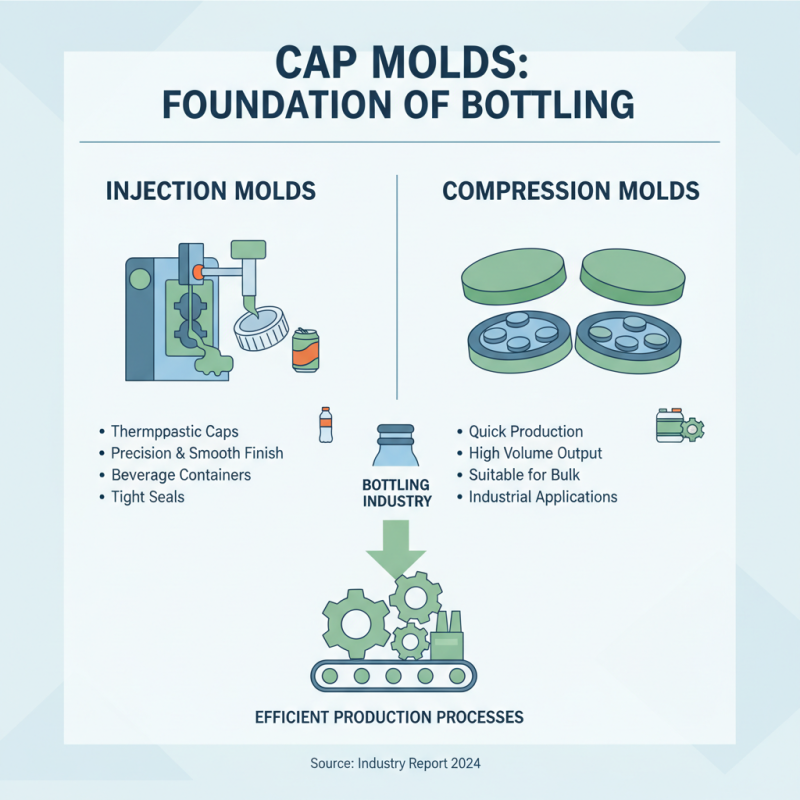
Cap moulds are integral to the bottling industry, serving as the foundation for creating efficient production processes. There are several types of cap moulds, each tailored to specific applications and materials. For instance, injection moulds are commonly used for thermoplastic caps, providing precision and a smooth finish. These caps can be found on various beverage containers, ensuring tight seals that preserve product freshness. Likewise, compression moulds offer quick production times and are ideal for producing larger quantities, making them suitable for high-demand environments.
Another important type is the blow mould, particularly relevant in the packaging of carbonated beverages. This method allows for lightweight and robust caps that can withstand internal pressure. Each type of mould contributes uniquely to the overall bottling process, affecting everything from efficiency to cost-effectiveness.
Tips: When selecting the right cap mould, consider factors such as material compatibility, production volume, and the specific sealing requirements of your product. Additionally, regular maintenance of moulds can prolong their lifespan and enhance production quality. It’s also beneficial to stay informed about new technologies in mould design to remain competitive in the market.
How Cap Mould Design Influences Bottling Speed and Quality
The design of cap moulds plays a pivotal role in the bottling process, significantly influencing both speed and quality. A well-optimized cap mould can reduce cycle times by as much as 20%, enhancing production efficiency. According to industry reports, Bottling Lines equipped with advanced cap mould technology are capable of achieving speeds upwards of1200 bottles per minute, showcasing the direct correlation between mould design and operational throughput. Furthermore, precision in mould design ensures that caps fit seamlessly onto bottles, minimizing leakage and product spoilage. This fit not only improves customer satisfaction but also reduces the risk of contamination during storage and transportation.
Tips: Consider incorporating adjustable features into your cap mould design to accommodate different bottle types. This flexibility can help streamline production without sacrificing quality. Regular maintenance and timely updates to mould specifications can also mitigate wear and tear, extending the lifespan of your equipment.
In terms of quality, the material selection for cap mouldsis crucial. Using durable and lightweight materials can significantly enhance the consistency of the produced caps. Research indicates that high-quality moulds lead to a less than1% defect rate in cap production, compared to higher rates observed with lower-grade alternatives. This quality assurance not only reflects positively on the production brand but also translates to significant cost savings by reducing waste and rework in the production line.
Challenges in Cap Mould Production and Their Solutions
The production of cap moulds plays a crucial role in the bottling and manufacturing industry. However, this process is not without its challenges. One significant issue is the precision required in mould design and fabrication. Any imperfection in the mould can lead to defects in the final caps, resulting in product leaks or failures in sealing. To address this challenge, manufacturers need to invest in advanced technologies such as computer-aided design (CAD) and computer numerical control (CNC) machining. These tools enhance accuracy and reduce human error, ensuring that the moulds meet the stringent tolerances required for effective production.
Another challenge lies in the material selection and durability of the moulds themselves. Moulds are often subjected to high pressures and temperatures during the production process, which can lead to wear and tear over time. To combat this issue, the industry has increasingly turned to high-performance materials that offer enhanced resistance to deformation and corrosion. Additionally, regular maintenance and the use of coatings can significantly extend the life of moulds, reducing the need for frequent replacements. By tackling these challenges head-on, manufacturers can not only improve the efficiency of their bottling processes but also ensure a consistent quality of the products they deliver.
Innovations in Cap Mould Technology for Enhanced Performance
Innovations in cap mould technology have significantly transformed the bottling and production industry, enhancing efficiency and performance. The latest advancements focus on the creation of lightweight, durable moulds made from high-quality materials that ensure precise fittings and reduce production errors. This progress not only streamlines the manufacturing process but also minimizes material waste, contributing to a more sustainable operation. By implementing state-of-the-art mould design techniques, companies can produce caps that are not only easier to handle but also provide a more secure seal, increasing the shelf life of bottled products.
Moreover, the integration of smart technology into cap mould systems has revolutionized how manufacturers approach production. These intelligent moulds are equipped with sensors that monitor temperature, pressure, and production cycles in real-time. This data-driven approach allows for immediate adjustments, leading to optimal production speeds and reducing downtime caused by malfunctions or inefficiencies. Overall, the embrace of innovative cap mould technology paves the way for enhanced operational performance, ultimately benefitting producers and consumers alike through improved reliability and product quality.
Future Trends in Cap Moulding and Bottling Process Optimization
The future of cap moulding and bottling process optimization is driven by technological advancements and sustainable practices. As manufacturers are increasingly required to meet environmental regulations, innovative materials and methods in cap moulding are being developed. For instance, bio-based plastics and recyclable materials are gaining traction, allowing companies to reduce their carbon footprint while maintaining product integrity and shelf life. These materials not only comply with environmental standards but also appeal to increasingly eco-conscious consumers.
Another crucial trend is the integration of smart technology into the bottling process. Automated systems equipped with artificial intelligence can monitor and adjust production in real time, ensuring efficiency and reducing waste. This leads to more precise moulding processes, which enhance the overall quality of the caps produced. Additionally, data analytics provides insights into operational efficiencies, allowing for continuous improvement in production schedules and inventory management. Through these combined efforts, the cap moulding and bottling industry is poised to achieve greater efficiency and sustainability, aligning production with the demands of the modern marketplace.
Cap Mould Impact on Bottling Efficiency
Maximizing Efficiency and Sustainability with PET Bottle Screw Caps: A Comprehensive Guide to the 29/25 13.5g Model
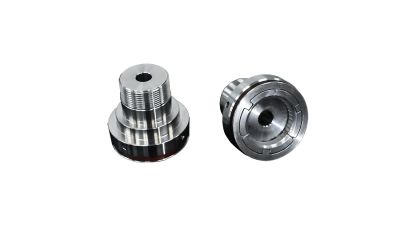
The 29/25 13.5g PET bottle screw cap is engineered for optimal performance, particularly designed for 13.5g PET preforms. With a comprehensive focus on efficiency and sustainability, this cap features a precise Ø54*50.6 size that ensures a secure fit on the bottle neck, effectively preventing leaks during the bottling process. This design consideration not only enhances product integrity but also minimizes waste, making it a favorable choice for environmentally conscious brands.
One of the standout qualities of this screw cap is its compatibility with Tech-Long capping machines. Unlike standard caps, it is designed to slide seamlessly onto these machines, promoting a smoother operation even at full production speeds. The cap locks securely in place without jamming, which greatly reduces downtime and increases the overall efficiency of the bottling line. By focusing on these innovative features, manufacturers can significantly enhance production performance while simultaneously supporting sustainable practices in their packaging processes.
FAQS
: Cap moulds are essential for ensuring precise and consistent production of bottle caps, which is crucial for sealing and protecting the contents of bottles.
Poorly designed or manufactured cap moulds can lead to leakage, spoilage, and contamination, compromising product quality and harming brand reputation.
Efficient cap moulds enhance productivity by allowing for faster production cycles while maintaining high-quality standards, which reduces production costs and improves product turnaround times.
Future trends include the use of bio-based plastics and recyclable materials, innovative materials that reduce environmental impact, and the integration of smart technology into bottling processes.
Smart technology, such as automated systems with artificial intelligence, can monitor and adjust production in real time, improving efficiency and reducing waste.
Data analytics provides insights into operational efficiencies, allowing for continuous improvement in production schedules and inventory management.
Sustainability is increasingly important due to environmental regulations and consumer demand, driving the development of eco-friendly materials and practices.
Manufacturers can adapt by utilizing innovative cap moulding solutions that cater to a diverse range of packaging requirements while ensuring product integrity and sustainability.
Advanced mould technology leads to more precise moulding processes, enhancing the overall quality of caps produced in the bottling industry.
Cap moulds, when combined with smart technology and data analytics, enable more efficient production processes that minimize waste and enhance sustainability.
Conclusion
The article emphasizes the critical role of Cap Mould in the bottling industry, highlighting its significance in optimizing production efficiency. Cap Moulds are essential for ensuring not only the speed of the bottling process but also the quality of the final product. Different types of Cap Moulds are discussed, showcasing their various applications within the industry, and how their designs directly influence bottling operations.
Additionally, the article addresses the challenges encountered in Cap Mould production, offering solutions to enhance their effectiveness. Innovations in Cap Mould technology are also explored, indicating a shift towards improved performance capabilities. Lastly, future trends are considered, underscoring the ongoing evolution of Cap Moulding processes and its pivotal role in the optimization of bottling operations in the industry.
 Chinese
 Email
Email Whatsapp
 WeChat