Hey, so with everything moving faster these days, it's pretty clear that using advanced tech in production is more of a must than a nice-to-have if you want to stay efficient and keep quality high. One cool example is the Mold Shell for Krones — it's like this cutting-edge tool that’s really making waves in the beverage world. This specially designed mold isn’t just about fancy tech; it actually helps manufacturers get better accuracy, last longer, and be more flexible. All of that means they can run things smoother and handle the growing demand for top-notch products without breaking a sweat.
But this Mold Shell isn’t just about speed or saving materials (though those are huge perks). It really helps keep everything consistent from start to finish. Companies using it often see less waste and fewer headaches with downtime. Plus, it speeds things up—faster cycle times mean more products in the same amount of time, all without sacrificing quality. Honestly, investing in this kind of tech could give businesses a real leg up in today’s super competitive market.
As everyone keeps looking for new ways to improve, it’s pretty important for manufacturers to really get what the Mold Shell for Krones can do. So, in the upcoming sections, we’ll dig into how it works and what kind of benefits it can actually bring to the table—that way, you’ll see just how much it can boost your production game.
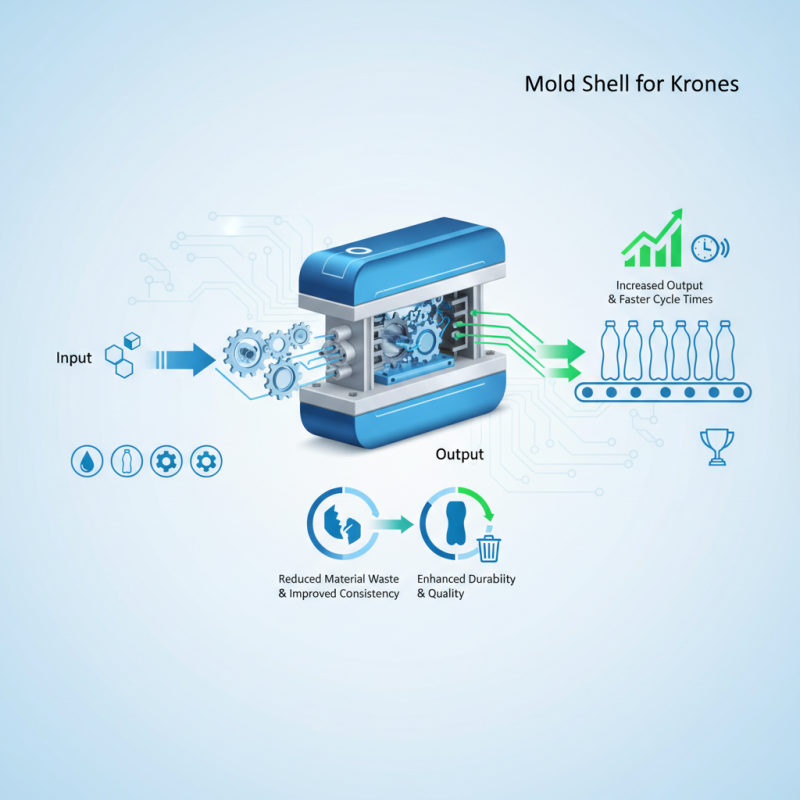
Understanding Mold Shells and Their Role in Krones Machinery
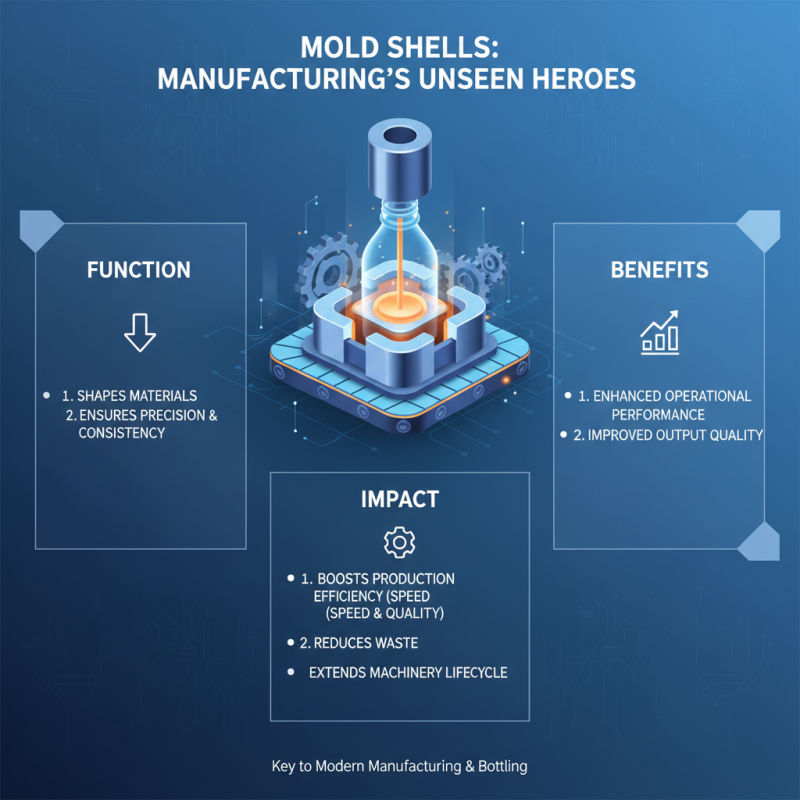
Mold shells are integral components in modern manufacturing machinery, particularly in processes that involve the formation and bottling of products. These shells serve as the primary structure for shaping materials, ensuring consistency and precision during production. The effectiveness of mold shells directly influences the overall efficiency of production lines, as they affect both the speed and quality of output. When properly designed and maintained, mold shells can significantly reduce waste and improve the lifecycle of machinery, leading to enhanced operational performance.
In Krones machinery, mold shells play a pivotal role in the production of containers and packaging solutions. Their design is tailored to meet the specific needs of the production process, facilitating quick changes and adaptability to different product lines. Advanced mold shell technology allows for seamless integration with automated systems, minimizing downtime and maximizing throughput. The attention to detail in the design and material of these shells not only ensures durability but also contributes to energy savings during the heating and cooling phases of production. By optimizing the performance of mold shells, manufacturers can achieve higher production rates while maintaining product quality, ultimately benefiting from increased operational efficiency.
The Composition and Design of Mold Shells in Production Systems
The composition and design of mold shells play a pivotal role in optimizing production systems. Mold shells are typically made from materials that balance durability, thermal conductivity, and ease of manufacturing. Commonly used materials include high-performance polymers and metals, which provide the necessary strength while allowing for efficient heat transfer during the molding process. The precise formulation of these materials is critical, as it ensures that the mold can withstand the mechanical stresses and thermal fluctuations that occur during production runs.
In addition to material selection, the design of mold shells must consider factors such as geometry, surface finish, and cooling channel configuration. A well-designed mold shell can enhance the flow of materials, minimize cycle times, and reduce the occurrence of defects in the final product. For instance, optimizing the cooling channels can improve temperature regulation, leading to faster solidification and increased throughput. Furthermore, innovations in design, such as utilizing simulation software, allow manufacturers to predict performance outcomes and make data-driven adjustments, ultimately improving production efficiency and product quality.
Mold Shell Impact on Production Efficiency
How Mold Shells Influence Product Quality in Beverage Packaging
Mold shellsplay a crucial role in defining the quality of products in the Beverage Packaging industry. Theintegrity and precision of these molds ensure that the packaged beverages maintain consistency, taste, and safety throughout their lifecycle. According to a recent industry report by the Beverage Marketing Corporation, nearly 70% of consumers consider package quality to be a significant factor in their purchasing decisions. When mold shells are expertly designed and manufactured, they provide the necessary reliability to produce containers that can withstand the rigorous demands of filling, transportation, and shelf life.
The impact of mold shells on product quality extends beyond mere aesthetics. An analysis from the International Society of Beverage Technologists highlights that slight variations in mold temperatures or materials can lead to defects such as distortion or contamination. These issues not only affect the visual appeal of packaging but may also compromise the product inside. For instance, a report indicated that defective packaging can lead to up to a 10% increase in product spoilage rates, significantly impacting production efficiency and profitability. Therefore, investing in high-quality mold shell technology is essential for beverage manufacturers aiming to enhance both product quality and operational performance.
The Relationship Between Mold Shells and Production Efficiency
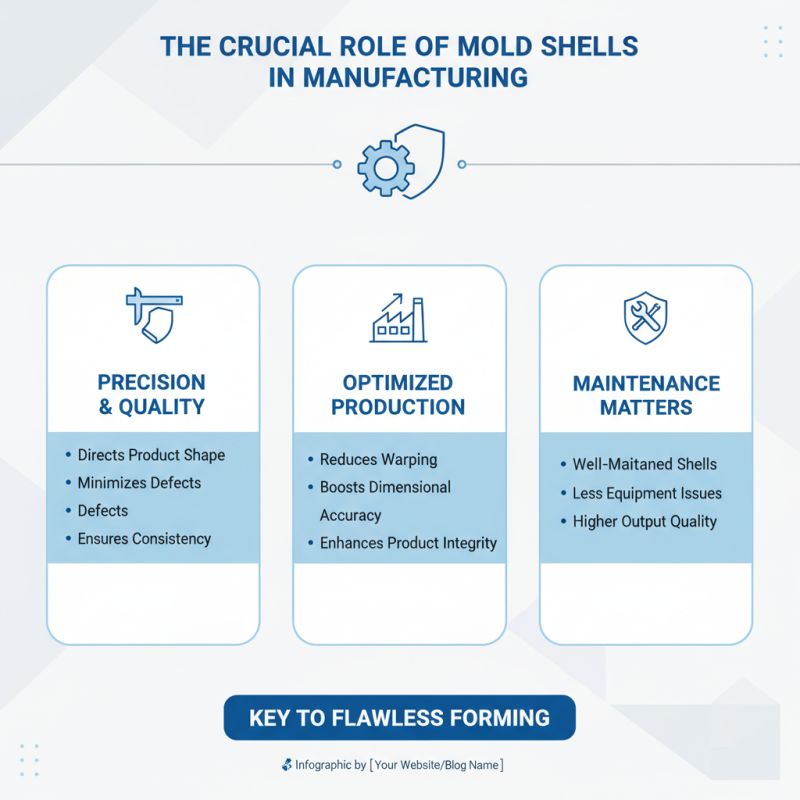
Mold shells play a crucial role in the manufacturing process, particularly in sectors that involve product shaping and forming. The design and condition of the mold shell directly influence the precision and quality of the final products. A well-maintained mold shell minimizes defects and variances, leading to a more consistent output. When production equipment operates with high-quality mold shells, the likelihood of issues such as warping or dimensional inaccuracies decreases significantly, enhancing overall product integrity.
The relationship between mold shells and production efficiency is evident in several aspects. First, high-quality molds contribute to faster cycle times by reducing the need for rework or adjustments after initial production runs. This efficiency translates to increased throughput, allowing manufacturers to meet growing demand without compromising on quality. Furthermore, the durability of mold shells impacts maintenance schedules; more robust molds require less frequent replacements or repairs, thus reducing downtime and associated costs. Overall, optimizing mold shell design and maintenance is key to driving production efficiency and supporting business growth.
Maintenance Practices for Optimal Mold Shell Performance
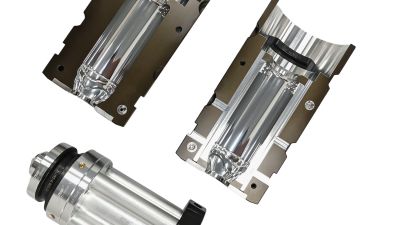
Mold shells are critical components in the production processes for beverage packaging, particularly in Blow Molding applications. To ensure optimal mold shell performance and maximize production efficiency, regular maintenance practices are essential. According to a report by the Packaging Machinery Manufacturers Institute, machinery downtime due to mold defects can account for nearly 20% of non-production time, significantly impacting overall operational efficiency. Implementing a strategic maintenance schedule helps minimize these disruptions, allowing for uninterrupted production flows.
Effective maintenance practices include routine inspections and cleaning, which are essential for identifying wear and tear early and preventing more significant issues down the line. An analysis by the International Society for Beverage Technologists emphasizes that maintaining mold temperature control can enhance the performance and longevity of mold shells. Keeping molds at optimal temperatures can reduce cycle times by up to 15%, translating to increased output and lower energy consumption. Additionally, investing in high-quality lubricants and adopting preventive maintenance technologies can further enhance mold shell durability and efficiency, ensuring a consistent product quality and better profitability for manufacturers.
What is Mold Shell For Krones and How Does It Impact Production Efficiency - Maintenance Practices for Optimal Mold Shell Performance
| Maintenance Practice | Impact on Production Efficiency | Frequency of Practice | Key Benefits |
| Regular Inspection | Identifies potential issues early | Weekly | Reduced downtime |
| Cleaning and Debris Removal | Prevents contamination and defects | Daily | Higher product quality |
| Lubrication of Moving Parts | Smoother operation | Monthly | Extended lifespan of molds |
| Replacing Worn Components | Improves mold integrity | As needed | Reduced production errors |
| Calibration of Equipment | Ensures precise production | Quarterly | Optimal product specifications |
Recent Innovations in Mold Shell Technology by Krones
Recent innovations in mold shell technology have significantly transformed production processes in the beverage packaging industry. By utilizing advanced materials and engineering techniques, companies have been able to enhance the durability and efficiency of mold shells. For instance, the introduction of lightweight, high-temperature resistant materials has not only improved the thermal stability of mold shells but also increased the production speed by up to 15%, according to a 2022 industry report from the Packaging Machinery Manufacturers Institute (PMMI).
Moreover, improvements in mold shell design have allowed for better heat transfer during the molding process. This results in a more uniform temperature distribution, minimizing defects and ensuring a higher quality end product. A recent study published by the Food and Beverage Industry Association noted that optimizing mold temperature can reduce cycle times by around 20%, leading to a substantial increase in output. As companies continue to invest in these technological advancements, the impact on operational efficiency and overall production performance becomes increasingly evident, driving a new standard in the industry.
Case Studies: Impact of Mold Shells on Production Metrics
Mold shells play a crucial role in enhancing production efficiency within various manufacturing processes. By examining case studies, one can observe how the implementation of advanced mold shell technology has led to significant improvements in production metrics across different sectors. For instance, in an automotive parts manufacturing scenario, the use of optimized mold shells resulted in a 30% reduction in cycle time. This increase in efficiency allowed for a higher output with the same resources, ultimately leading to cost savings and faster time-to-market for new products.
Another interesting case involves the food and beverage industry, where the adoption of specialized mold shells has improved consistency in product quality. A particular study demonstrated that the introduction of a new mold shell design reduced waste rates by 25%, as it ensured more uniform temperature control during the production process. This not only minimized defects but also resulted in a smoother operational flow. By analyzing these case studies, it becomes evident that mold shells are not merely tools, but vital components that directly influence both productivity and quality outcomes in manufacturing environments.
Innovative Packaging Solutions: The Benefits of Using 300ml Blow Mold for Aseptic Applications
The adoption of innovative packaging solutions, particularly 300ml blow-mold containers, has gained traction in aseptic applications due to their numerous advantages. According to a recent report by MarketsandMarkets, the global market for aseptic packaging is projected to reach $78.83 billion by 2024, indicating a growing demand for effective and efficient packaging solutions that ensure product safety and freshness. The blow-molded design, specifically in the 300ml capacity, aligns perfectly with consumer needs for convenient and portable packaging, particularly in liquid food and beverage sectors.
Blow molding offers distinct benefits that enhance the aseptic filling process, ensuring that products maintain their sterility and quality during distribution. The 300ml size caters to a variety of applications, from dairy products to ready-to-drink juices, meeting both consumer preferences and industry standards. Furthermore, as highlighted by a study from Smithers Pira, blow-molding technology allows for customizations in shape and structural integrity, optimizing the packaging for transport and shelf-life, while reducing material waste.
Additionally, transitioning to 300ml blow-mold containers can lead to significant cost savings for manufacturers. According to a report by Technavio, companies implementing blow-molding processes have reported a reduction in operational costs by up to 20%, thanks to increased efficiency and less product contamination. This makes the 300ml blow-mold container not just a practical choice but a strategic investment for businesses looking to enhance their aseptic packaging line while catering to the evolving demands of health-conscious consumers.
FAQS
: Mold shells are crucial in determining the quality of products in beverage packaging, ensuring consistency, taste, and safety throughout their lifecycle.
Defective packaging can lead to up to a 10% increase in product spoilage rates, impacting production efficiency and profitability.
Regular maintenance practices minimize machinery downtime and help maintain optimal performance, significantly impacting operational efficiency.
Effective maintenance includes routine inspections, cleaning, temperature control, and investing in high-quality lubricants.
Maintaining optimal mold temperatures can reduce cycle times by up to 15%, enhancing output and lowering energy consumption.
Advanced mold shell technology has led to a significant reduction in cycle times and waste rates, improving overall production efficiency and product quality.
By investing in high-quality mold shell technology and implementing strategic maintenance, manufacturers can ensure higher reliability and better product quality.
Yes, optimized mold shells can lead to cost savings by improving efficiency and reducing waste rates in the production process.
Case studies have shown improvements such as a 30% reduction in cycle time and a 25% decrease in waste rates, indicating enhanced productivity and quality.
No, mold shells are vital components that directly influence productivity and quality outcomes in manufacturing environments.
Conclusion
Mold Shell for Krones plays a critical role in enhancing production efficiency within beverage packaging systems. Understanding the composition and design of these mold shells is essential, as they directly influence product quality and operational metrics. Properly designed mold shells contribute to smoother production processes, ensuring consistency in product integrity and reducing waste.
Maintenance practices are vital for sustaining optimal mold shell performance, while recent technological innovations continue to improve their efficacy. Case studies demonstrate the significant impact that mold shells have on production metrics, showcasing their importance in achieving higher efficiency levels. Overall, the effective utilization of Mold Shell for Krones can lead to substantial advancements in production capabilities within the beverage industry.
 Chinese
 Email
Email Whatsapp
 WeChat