Leave Your Message
*Name Cannot be empty!
* Enter product details such as size, color,materials etc. and other specific requirements to receive an accurate quote. Cannot be empty
0%

In the world of plastic manufacturing, compatibility really is everything. When it comes to Preform Molds and Huskyinjection molding machines, there are a lot of important things to consider. I remember industry expert Dr. James Thornton saying once that understanding how your equipment works together can make a huge difference—making the whole production process smoother and outcomes better. That really emphasizes just how important it is to pick the right tools for the job.

Lots of companies depend on Husky’s machines for efficient production, especially in the Pet Injection Molding sector (you can check out more about that[here]. But, here’s the thing—you’ve got to watch out for several factors that influence whether a preform mold is truly compatible with these machines. Things like dimensions, temperature controls, and the types of materials used all matter a lot. If any of these aren’t quite right, it can cause issues down the line, slowing things down or messing up quality.

And it’s really important for operations to keep an eye on their equipment’s performance, too. Skipping over details during the selection process might seem small, but it can actually put your entire output at risk. The injection molding game demands precision and reliability, so matching the right molds with the right machines isn’t just a good idea—it’s essential. Getting a solid grip on these details really matters if you wanna stay competitive and keep those standards high in this industry.
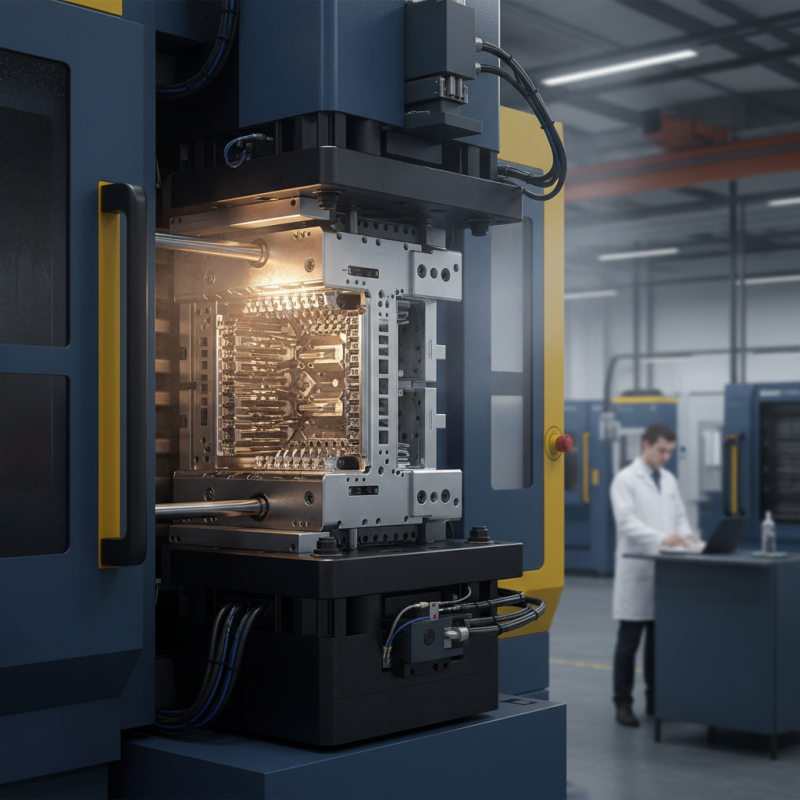
Can the preform mold be compatible with injection molding machines from the Husky brand?

Understanding Preform Molds in Injection Molding

Preform molds play a crucial role in the injection molding process. These molds shape the preforms used in various applications, like PET containers. Understanding their design and functionality is key for effective production. They must be precise and durable, as even minor flaws can lead to production issues.

Many manufacturers question whether preform molds are compatible with different injection molding machines. This compatibility hinges on several factors, such as mold dimensions, cooling systems, and injection pressures. Not all molds fit all machines seamlessly. Variations in machine technology can impact performance and efficiency.

However, challenges may arise during compatibility assessments. Modifications might be necessary to ensure optimal function. For instance, an adaptation could involve adjusting cooling channels or alignment features. Such changes may require expertise to avoid problems during production. Reflecting on these factors can help manufacturers make informed decisions and enhance their production lines.

Overview of Husky Brand Injection Molding Machines

Husky brand injection molding machines are widely recognized for their advanced technology. They offer excellent efficiency in producing preforms for various applications. Data from the Plastics Industry Association indicates that nearly 25% of all plastics produced globally come from injection molding processes, highlighting the importance of dependable machinery.

The design of Husky machines often focuses on speed and precision. Many manufacturers report cycle times as low as 10 seconds for standard preform production. However, compatibility with different preform molds can vary significantly. Understanding the specifications is crucial for successful integration, especially for companies utilizing Sipa Injection Molding molds. Industry trends suggest that seamless compatibility can enhance productivity and reduce downtime.

Moreover, feedback from operators indicates challenges in achieving consistent quality with mixed molds. For instance, variations in temperature and pressure settings can lead to defects. Continuous evaluation and adjustment are necessary for optimal results. As the market evolves, staying informed about compatibility issues can aid manufacturers in making better decisions about their equipment and processes.

Compatibility Factors for Preform Molds and Injection Machines

When considering compatibility between preform molds and injection machines, several key factors come into play. Manufacturers should evaluate the design and specifications of both the mold and the machine. For instance, the dimensions and cooling systems must align. According to a recent industry report by a leading plastics association, nearly 30% of production downtime is attributed to molding incompatibility. Ensuring correct fitment can significantly reduce this risk, leading to smoother operations.

Another critical aspect is the material flow during the injection process. Proper alignment influences how the material fills the mold cavity. Research shows that poor compatibility can lead to uneven material distribution, affecting the preform’s quality. In addition, machine parameters like injection speed and pressure must be compatible with the mold design. This relationship highlights the importance of thorough testing to avoid production inefficiencies.

Moreover, mold updates or modifications can introduce challenges. Whether it’s adjusting the cooling lines or adapting the ejection system, these changes can create unanticipated compatibility issues. Regular consultations with engineers can provide insights into maintaining optimal performance. A proactive approach to understanding these complexities will contribute greatly to the overall success of the production line.

Technical Specifications of Husky Injection Molding Machines

Can the preform mold be compatible with injection molding machines from the Husky brand?

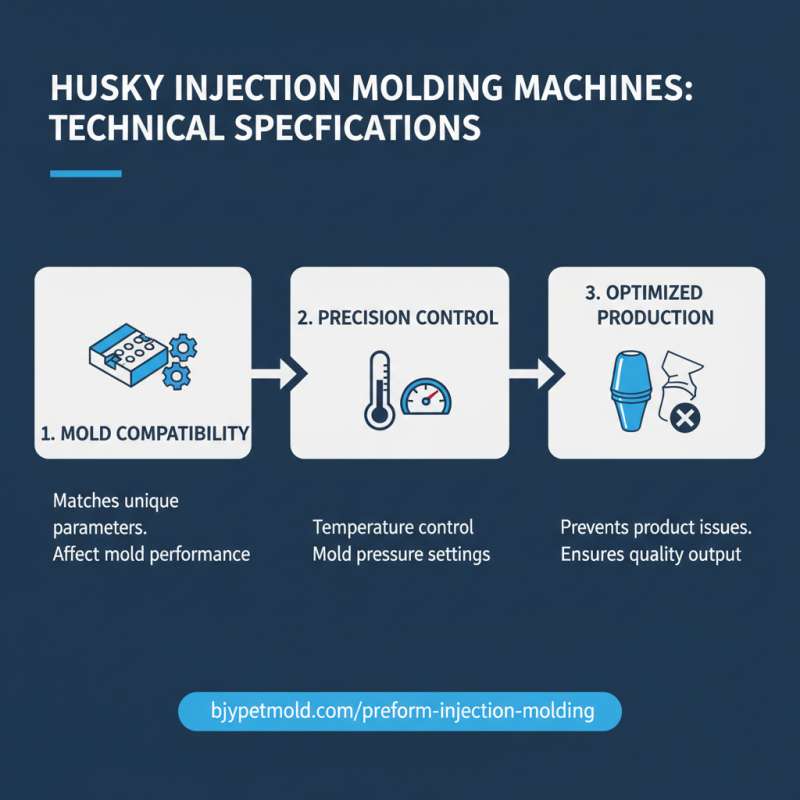
When considering the compatibility of preform molds with injection molding machines, it is essential to look into technical specifications. Each machine has unique parameters that can affect mold performance. Preform Injection Molding requires precise temperature control and mold pressure settings. If the machine cannot reach required temperatures, issues with the final product may arise.

Tip: Always verify temperature ranges before pairing a mold with a machine. Inadequate heat can result in improper melting and inconsistent preform quality.

The size of the injection unit is also a vital factor. It should match the mold's requirements for shot weight and cycle time. Mismatched specifications can lead to efficiency losses or physical damage. Thus, testing mold compatibility is crucial to ensure optimal production.

Tip: Conduct trials with small batches first. This helps in identifying any flaws or inefficiencies in the preform injection molding process early on.

Common Challenges in Mold Compatibility

Mold compatibility is a crucial aspect of injection molding. Many factors influence this compatibility. During the integration of a preform mold with specific machines, several challenges arise. Understanding these challenges can help manufacturers make informed decisions.

One common issue is the alignment of mold components. Even minor misalignments can lead to defects in the final product. Ensuring precise fitting can be tricky. It often requires skilled technicians to assess and adjust the molds properly after installation. Moreover, differences in cooling systems can also pose problems. Efficient cooling is vital for maintaining consistent production speeds.

Material compatibility is another concern. Different molds may respond differently to the same material, affecting the final quality. For instance, some molds might retain heat longer than others, influencing the mold cycle time. Continuous monitoring is essential, as unexpected changes can signal potential failures. This uncertainty can be frustrating and requires ongoing adjustments. Emphasizing these areas can significantly improve outcomes.

Benefits of Using Compatible Preform Molds with Husky Machines

Using compatible preform molds with specific injection molding machines can significantly enhance production efficiency. Industries involved in Pet Plastic Injection Molding often face challenges with compatibility. Accurate mold design is critical for seamless operation. Studies show that mismatched molds can lead to defects, increasing waste by up to 15%. This statistic highlights the importance of selecting suitable molds for optimal performance.

Benefits abound when using mold systems tailored for specific machine brands. These molds often feature improved thermal dynamics and enhanced precision. A report from the Plastics Industry Association emphasizes that quality molds can reduce cycle times by 20%. Additionally, they can enhance the overall quality of the final product, leading to increased customer satisfaction. High compatibility reduces the risk of mechanical failures, ensuring consistent output.

However, choosing the right mold is not always straightforward. Some manufacturers overlook even slight differences in specifications. Such oversights can result in costly downtime. Conducting thorough compatibility assessments and investing in high-quality preform molds can mitigate these risks. For businesses, a strategic approach to mold procurement can yield significant returns in efficiency and product quality.

Best Practices for Achieving Optimal Mold Performance

When working with preform molds, the compatibility with specific injection molding machines is crucial. Achieving optimal mold performance requires careful attention to detail. It’s vital to assess how the mold interacts with the machine's settings. Minor adjustments can lead to significant improvements in efficiency and product quality. Understanding the intricacies of mold design is essential for smooth operation.

The temperature settings during the Bottle Cap Injection Molding process play a significant role. Too high or too low a temperature can lead to issues like warping or incomplete filling. Regular maintenance of the mold can prevent defects and improve longevity. Observing the production cycle and making real-time adjustments can enhance performance.

In addition, monitoring the cooling time is critical. It’s not just about speed; quality matters too. Some might rush through this step, but it often leads to costly errors. A balance between quick cycles and thorough cooling is necessary for optimal results. Reflecting on these aspects can foster better practices in mold management.

FAQS

: What key factors should be considered for mold and machine compatibility?

: Evaluate design, specifications, dimensions, and cooling systems of both the mold and machine.

Why is proper alignment crucial during injection?

Misalignment can lead to uneven material distribution, affecting the final product quality.

What is a common challenge in mold installation?

Ensuring precise fitting can be tricky and often requires skilled technicians to make adjustments.

How does material compatibility impact production?

Different molds react differently to materials, potentially affecting cycle time and final quality.

What role do temperature settings play in the molding process?

Incorrect temperatures can cause warping or incomplete filling, leading to defects.

Why is monitoring cooling time important?

Rushing can result in errors; balance speed with thorough cooling for better quality.

How can updates to molds affect production?

Modifications may create unanticipated compatibility issues that require careful attention.

What should manufacturers do to reduce production downtime?

Ensure correct mold and machine compatibility to avoid inefficiencies.

How often should mold maintenance be performed?

Regular maintenance is essential for preventing defects and ensuring mold longevity.

What is a common frustration in mold management?

Unexpected changes in material performance often require ongoing adjustments to maintain quality.

Conclusion

The article explores the compatibility of preform molds with injection molding machines, specifically addressing key factors that influence their interaction. It begins by elucidating the role of preform molds in the injection molding process and then provides an overview of injection molding machines, highlighting the technical specifications that determine mold compatibility. Common challenges faced in achieving seamless integration are discussed, along with the advantages of utilizing compatible preform molds which can enhance efficiency and product quality in the injection molding process.

In addition, best practices for optimizing mold performance are provided, ensuring that manufacturers can achieve superior results. Understanding these compatibility factors is crucial for those involved in the injection molding industry, as it directly impacts production efficiency and the final product's quality.

Blog Tags:

Liam

Liam

Liam is a dedicated marketing professional at Foshan Baijin Precision Technology Co., Ltd., where he leverages his extensive expertise to enhance the company’s online presence. With a deep understanding of the precision technology industry, he excels in crafting informative and engaging blog posts......
Previous Top 10 Cap Molds for Efficient Production and Design Solutions?