In today’s super busy manufacturing world, Cap Molds really are a big deal when it comes to keeping things running smoothly. The right mold can totally make the process more efficient and even boost the quality of your products. But honestly, choosing the perfect one isn’t always straightforward—there are so many designs and materials out there, it can be kinda overwhelming. The tricky part? Finding that sweet spot between speed, creativity, and keeping costs in check.
When you’re picking out Cap Molds, it’s super important to think about both how well they work and how long they last. Good quality molds can cut down cycle times and help minimize waste—saving both time and money. Brands like Engel and Husky have built a reputation for making molds that tick all the right boxes—they’re not just reliable but also pack in some pretty innovative features that can really give your production a boost.
That said, even the big players sometimes run into hiccups. Things like wear and tear on the material or unexpected delays can happen, which is why it’s so important to stay vigilant. Regularly checking those molds can help catch issues early and make sure your production stays on track. Overall, getting the right Cap Molds is key—because they set the foundation for your success in this competitive market, after all.
Understanding Cap Molds: Types and Their Applications
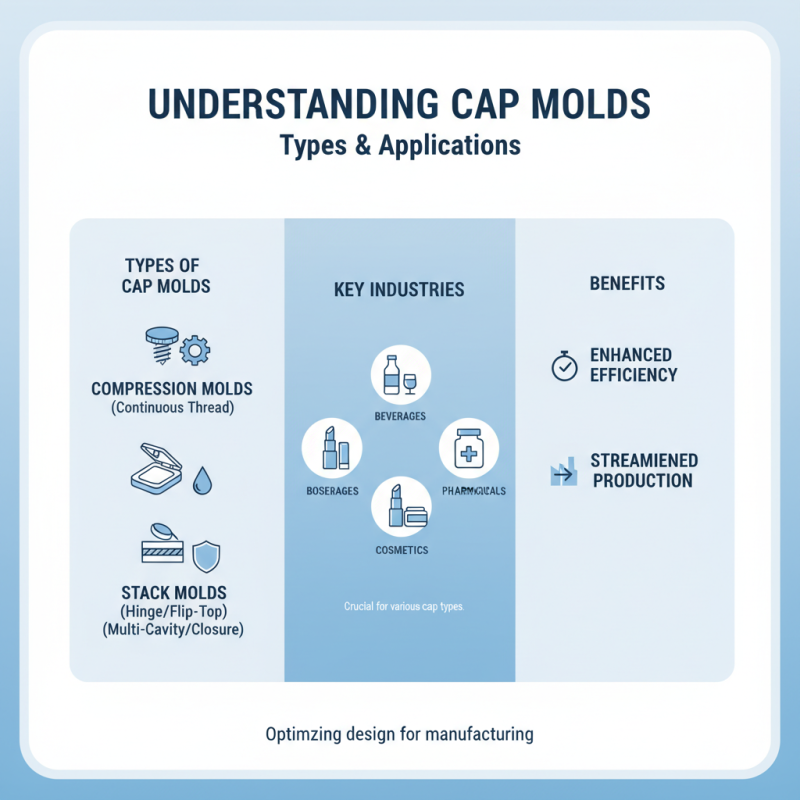
Cap molds play a crucial role in manufacturing various types of caps. They come in several forms, each tailored for specific applications in industries like beverage, cosmetics, and pharmaceuticals. By understanding these molds, designers can enhance efficiency and streamline production.
Injection molds are among the most popular options. They allow for quick production runs and can create intricate designs with high precision. Blow Molds, on the other hand, are ideal for hollow plastic caps. They are efficient for creating lightweight designs and reduce material costs significantly.
**Tip:** Choose molds based on the material you are using. Different plastics require different molding techniques for optimal results.
Compression molds are another type worth considering. They are typically used for larger caps and provide durability. However, these molds can be more time-consuming to set up. This trade-off between time and product robustness should be evaluated carefully.
**Tip:** Always focus on the end-user experience. The cap's functionality should meet consumer needs without compromising design.
Lastly, multi-cavity molds can significantly increase production capacity. However, they often require substantial upfront investment. It's essential to balance your production goals with your budget constraints to maximize efficiency.
Factors to Consider When Choosing Cap Molds
Choosing the right cap molds is crucial for effective production. Understanding various factors can enhance both efficiency and design outcomes. Key elements include material compatibility, production volume, and mold design. Focusing on these aspects ensures that the cap molds fit your manufacturing needs.
Tip: Assess material properties carefully. Some materials withstand high temperatures better, affecting the mold's longevity. For example, steel molds typically outlast aluminum ones, particularly in high-volume settings. Think about your specific production requirements.
Cost is another vital consideration. While cheaper molds may save money upfront, they might compromise quality. Be mindful of the balance between investment and returns. Innovations in Bottle Molds can also impact cost efficacy. Investing in advanced designs may drive down costs in the long run but can feel daunting initially. Remember that you can adjust your strategies after seeing the results.
Top 10 Cap Molds for Diverse Production Needs
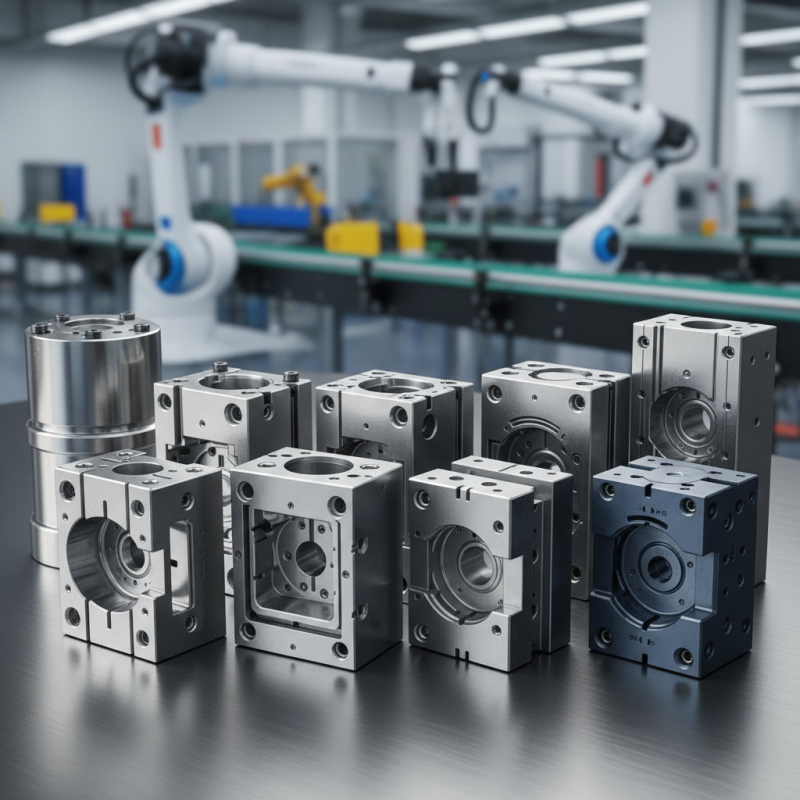
Choosing the right cap mold is crucial for efficient production. Various industries require molds tailored to their specific needs. Sipa Molds offers diverse designs suitable for multiple applications. Understanding your requirements can lead to better decision-making.
When selecting cap molds, consider the material. Different plastics offer various strengths and flexibilities. Testing samples can save time and resources. Ensure the molds are designed for easy maintenance. This can help avoid unnecessary downtimes.
Tips: Always assess production volume. A high volume may benefit from a heavy-duty mold. You can also evaluate the mold's weight specifications. Lighter molds often result in faster cycle times but can impact durability. Collaborating with experts in mold design can enhance your production efficiency.
Material Selection for Enhanced Durability in Cap Molds
Material selection plays a crucial role in the production of cap molds. Using the right materials can directly affect durability. For instance, high-quality steel is often chosen for its strength and resistance to wear. However, it can be quite costly. This factor makes many manufacturers reconsider their options. Balancing cost and reliability is a common theme in design discussions.
Another option is aluminum. While lighter, it may not withstand high-volume production as effectively as steel. This compromise can lead to quicker degradation. Additionally, incorporating certain alloys can enhance performance. Yet, they may not deliver the same results in all scenarios. It's vital to test various combinations to find the optimal solution.
Lastly, environmental considerations can’t be ignored. Sustainable materials are gaining traction in the industry. They offer durability and reduce ecological impact. However, sourcing these materials often involves trade-offs in longevity. Manufacturers must navigate these complexities carefully. Effective material selection is as much about innovation as it is about durability.
Design Innovations in Cap Mold Technology
Design innovations in cap mold technology are reshaping the production landscape. Reports indicate that the global cap mold market is projected to grow by 5.8% annually, reaching a value of $1.3 billion by 2025. This growth is driven by advancements in Blow Molds, which enhance precision and efficiency in manufacturing. Modern blow molds utilize high-quality materials, reducing cycle times and increasing output.
Recent developments emphasize the importance of energy efficiency. Innovative cooling systems and optimized designs in blow molds significantly lower energy consumption. This not only minimizes production costs but also meets the rising demand for sustainable manufacturing practices. However, the transition to these technologies can pose challenges. Many manufacturers struggle to integrate new systems with existing machinery, risking production delays.
Another trend involves customization and flexibility. Advanced cap mold designs enable manufacturers to produce diverse shapes and sizes. This adaptability is crucial as consumer preferences evolve. Yet, achieving this flexibility while maintaining quality can be a double-edged sword. It demands a robust quality control process to ensure that all products meet industry standards while adapting to changing market needs.
Top 10 Cap Molds for Efficient Production and Design Solutions
| Rank | Mold Type | Material | Production Speed (units/hour) | Design Flexibility | Cost Efficiency |
| 1 | Injection Mold | Steel | 1200 | High | Medium |
| 2 | Blow Mold | Aluminum | 1000 | Medium | High |
| 3 | Compression Mold | Rubber | 800 | Low | Medium |
| 4 | Rotational Mold | Thermoplastics | 600 | High | Low |
| 5 | Thermoforming Mold | PET | 1500 | Medium | High |
| 6 | 3D Printed Mold | Plastic | 200 | Very High | Medium |
| 7 | Stack Molding | Stainless Steel | 900 | High | Medium |
| 8 | Multi-cavity Mold | Aluminum | 1000 | Medium | High |
| 9 | Insert Mold | Steel | 850 | High | Medium |
| 10 | Cold Chamber Mold | Brass | 700 | Medium | High |
Efficiency Boosting Features in Modern Cap Molds
In the world of manufacturing, cap molds play a crucial role in enhancing efficiency. Modern cap molds utilize advanced features such as multi-cavity designs and quick-change systems. These innovations can improve production output by 20-30%. According to industry reports, businesses that adopt efficient mold designs reduce cycle times significantly, allowing for greater flexibility in response to market demands.
The integration of smart technologies in cap molds is also a game-changer. Many manufacturers are now implementing IoT-enabled monitoring systems. These systems provide real-time data about production efficiency and mold performance. This information allows for timely adjustments, minimizing downtime and maximizing productivity. Still, some companies struggle to leverage this technology fully, often missing critical updates.
Moreover, sustainability is becoming a priority. Manufacturers are now focused on creating molds that reduce material waste. For instance, using Pet Blowing Molds Moud can decrease plastic usage by up to 15%. However, transitioning to more eco-friendly materials can be challenging. Finding the right balance between efficiency and sustainability requires ongoing research and development. Each step taken can lead to not only improved efficiency but also a more responsible production process.
Best Practices for Maintenance of Cap Molds
Maintaining cap molds is crucial for efficient production and design. Regular upkeep ensures optimal performance and extends the lifespan of molds. According to industry reports, proper maintenance can reduce production downtime by up to 30%. Many manufacturers overlook routine inspections, leading to costly repairs.
A systematic approach is essential. Cleaning molds after each production cycle helps mitigate wear and tear. Utilizing the right cleaning agents is vital. Harsh chemicals can degrade materials, creating potential defects in future products. A 2022 survey found that 57% of companies reported improved output after adopting a thorough cleaning regimen.
Regularly checking for wear is equally important. Look for signs of erosion or damage in critical contact areas. This prevents minor issues from escalating into significant problems. Some common mistakes include ignoring small cracks or inadequate lubrication. Reflecting on maintenance practices can reveal gaps in protocols. Identifying these gaps leads to better efficiency and ultimately enhances product quality.
Comprehensive Guide to PET Bottle Screw Caps: Optimal 29/25 Design and 13.5g Weight Benefits
The use of 13.5g Pet Bottle screw caps designed for 29/25 neck finishes is becoming increasingly popular in the packaging industry due to their efficiency and reliability. With an outer diameter of 54mm and a height of 50.6mm, these caps provide a snug fit that helps prevent leaks during the bottling process. Research indicates that leaks can account for a significant percentage of product loss in the beverage industry, emphasizing the importance of reliable capping solutions. According to recent industry reports, effective sealing can reduce wasted product and enhance overall consumer satisfaction.
Moreover, the design of these PET bottle screw caps allows for smooth integration with modern Tech-Long capping machines. This compatibility is essential in high-speed bottling operations where jamming can lead to costly downtimes. Industry studies show that bottling lines operating at full speed benefit significantly from caps that lock in place effortlessly, ensuring that production continues without interruption. An optimal capping solution not only enhances efficiency but also contributes to maintaining product integrity, which is crucial in competitive markets.
In conclusion, investing in specialized PET bottle screw caps tailored to specific preform weights and neck sizes, while ensuring a leak-proof seal and compatibility with advanced machinery, is an essential strategy for manufacturers looking to optimize their bottling processes. As the industry evolves, these caps represent a key innovation in achieving both operational efficiency and product quality.
FAQS
: Key factors include material compatibility, production volume, and mold design.
Different materials withstand varying temperatures, impacting the mold's longevity.
Steel molds generally last longer than aluminum, especially in high-volume settings.
Cheaper molds may lower initial costs but can compromise overall quality.
New technologies enhance precision and efficiency, driving market growth.
They lower energy consumption, minimizing costs, and promoting sustainability in manufacturing.
Yes, advanced designs allow production of various shapes, but maintaining quality is challenging.
Compatibility with existing machinery can lead to production delays.
Ensuring products meet standards while adapting to consumer demands is critical.
Initial costs may seem daunting, even if they lead to long-term savings.
Conclusion
Cap molds play a crucial role in the production of various caps used across multiple industries. Understanding the different types of cap molds and their specific applications is essential for choosing the right one for efficient production needs. Key factors to consider include material selection for durability, design innovations that enhance functionality, and efficiency-boosting features that modern cap molds offer.
The article outlines the top 10 cap molds tailored for diverse production requirements, emphasizing best practices for maintenance to ensure longevity and optimal performance. By focusing on these aspects, manufacturers can achieve a seamless production process while maintaining design integrity and product quality. The ongoing advancements in cap mold technology further enhance the possibilities for efficient cap production.
 Chinese
 Email
Email Whatsapp
 WeChat