Leave Your Message
*Name Cannot be empty!
* Enter product details such as size, color,materials etc. and other specific requirements to receive an accurate quote. Cannot be empty
0%

When it comes to manufacturing, especially in the packaging world, cap molds really can’t be underestimated. These specialized molds are essential for making all kinds of caps—whether for bottles, jars, or other containers—and they need to hit a sweet spot between function and looks. With new tech and materials popping up all the time, it’s more important than ever for manufacturers to get a good handle on the different types of cap molds out there. That way, they can boost their production and keep up with what consumers are searching for.

In this article, I’ll walk you through the fascinating world of cap molds—what types there are and how they’re used. From injection molding to compression molding, each approach has its own set of perks that can help make your production faster and your products better looking. Plus, we’ll take a peek at current trends and innovations, like multi-cavity designs and automated systems, giving you a clearer picture of how these tools are shaping the future of manufacturing. As industries keep changing into 2025 and beyond, knowing your way around cap molds will be a key skill for manufacturers wanting to stay ahead in this fast-moving market.
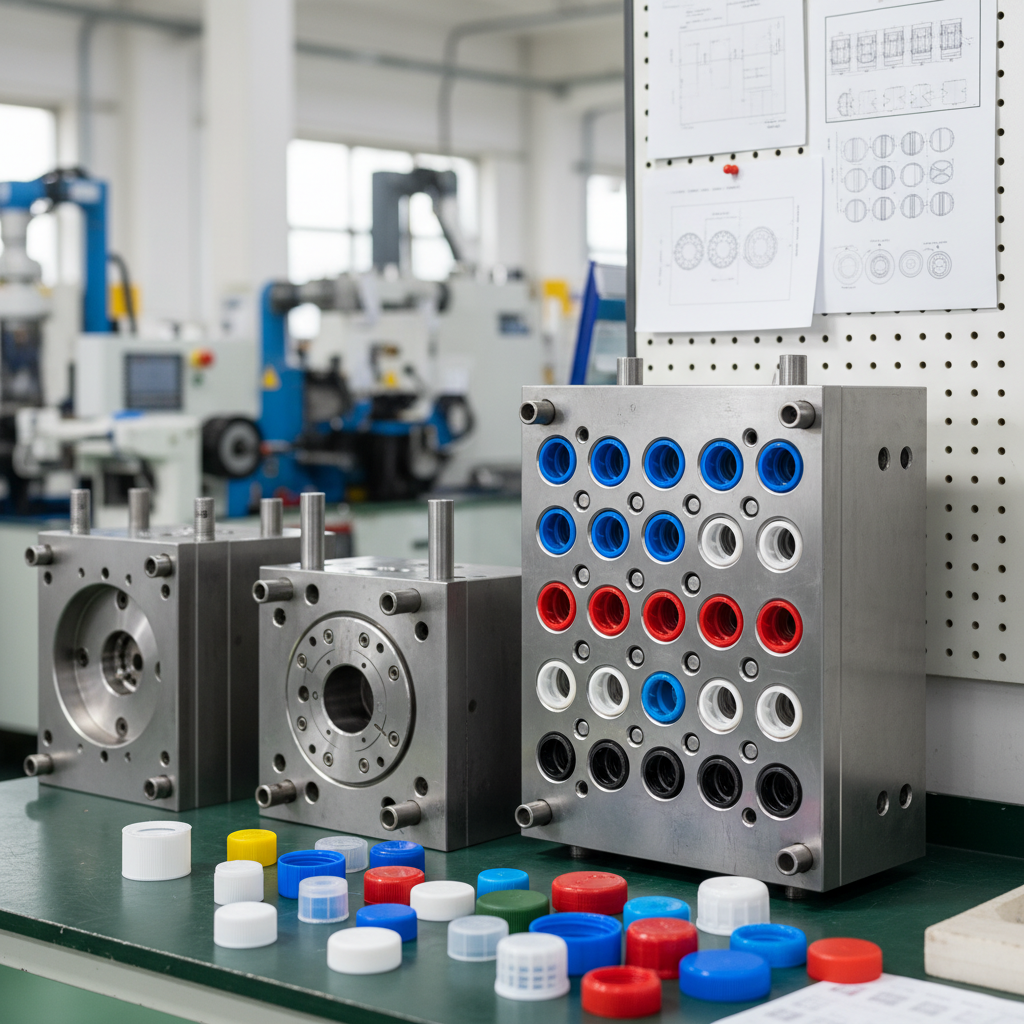
What is Cap Molds? Understanding Their Types and Uses in Manufacturing

Types of Cap Molds: An Overview of Different Designs and Functions

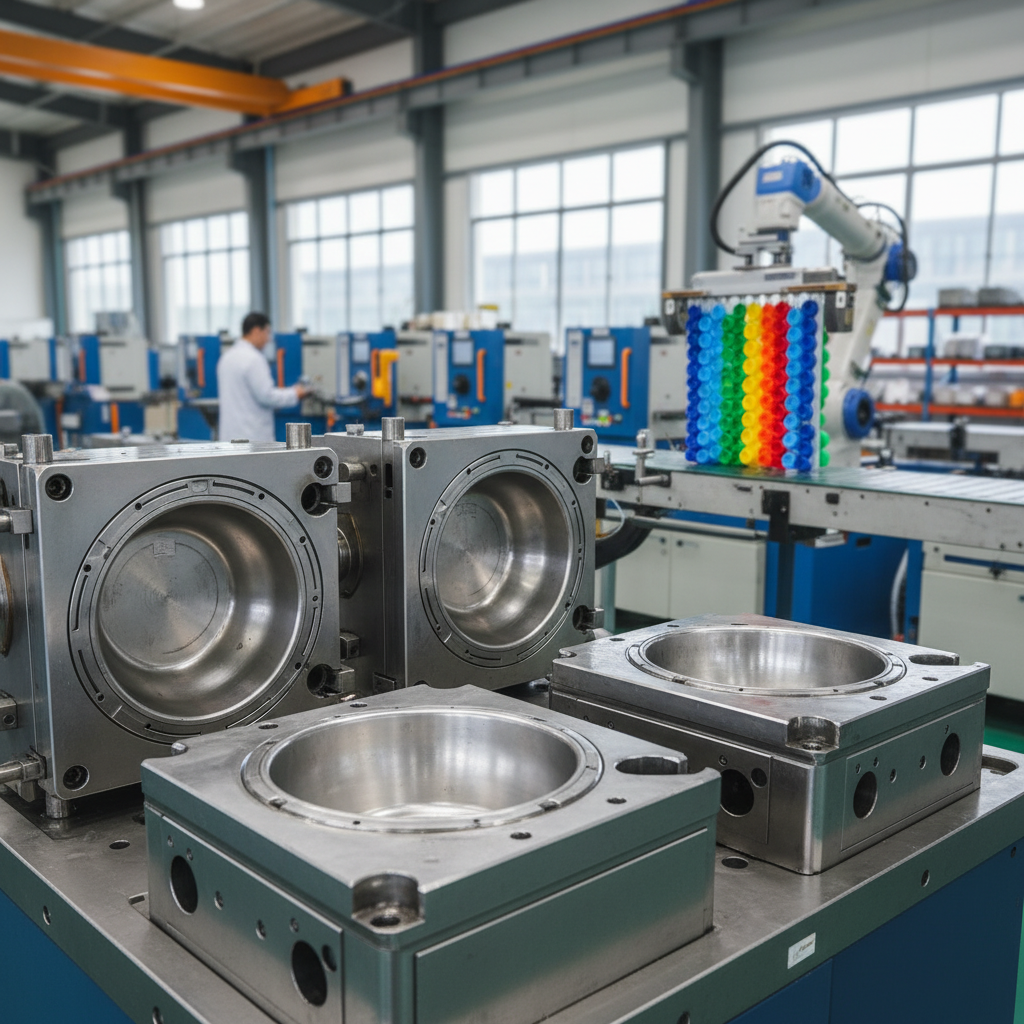
Cap molds play a vital role in manufacturing a variety of products, especially in the plastic caps and closures market. The diversity in cap mold designs caters to different functions across industries, from Beverage Packaging to pharmaceuticals. Common types of cap molds includescrew caps, snap-on caps, and sports caps, each designed to meet specific usability and sealing requirements. Screw caps, for example, ensure a tight seal for liquid containers, while snap-on caps offer easy access for users.

The increasing focus on sustainable practices has led to innovations in cap design, including tethered caps that help combat plastic litter. This shift reflects growing consumer demand for environmentally friendly packaging solutions. During workshops and conferences, industry experts share insights on the latest techniques in mold fabrication and the potential for smart closures that enhance user experience and product safety. As the caps and closures market continues to evolve, understanding the various types of cap molds and their applications will be crucial for manufacturers aiming to stay competitive and responsive to market trends.

Materials Used in Cap Molds: Understanding Plastic, Metal, and Other Options

Cap molds play a crucial role in the manufacturing of various caps and closures, which are integral to countless products across different industries. The choice of materials for cap molds significantly influences the quality and functionality of the final product. Commonly used materials in cap molds include plastics, metals, and sometimes silicone, each offering unique benefits suited to specific applications. Plastics, such as polypropylene and polyethylene, are widely favored for their lightweight nature and versatility. They are easily molded into complex shapes and can be produced rapidly, making them cost-effective for mass production.

Metal Molds, typically made from steel or aluminum, provide durability and precision in the manufacturing process. They are often used for high-volume production runs, where the initial investment in molds can be justified by their longevity. Additionally, newer materials such as advanced composite materials are gaining popularity due to their ability to reduce weight while maintaining high strength, promising greater efficiencies in production. The caps and closures market was valued at USD 65.0 billion in 2021 and is projected to grow to USD 85.0 billion by 2026, reflecting the increasing demand for quality and innovative packaging solutions in various sectors.

What is Cap Molds? Understanding Their Types and Uses in Manufacturing

Benefits of Using Specialized Cap Molds in Manufacturing Processes

Cap molds play a crucial role in the manufacturing process, particularly when it comes to producing caps for various containers. Utilizing specialized cap molds offers several benefits that enhance efficiency and quality in production. One notable advantage is the increased precision in the creation of caps. Specialized molds are designed to meet the exact specifications of product designs, ensuring consistent sizing and shape, which is vital for maintaining product integrity and reliability.

Another significant benefit is the accelerated production rate achieved through specialized cap molds. These molds can be engineered to allow for faster cycle times, reducing the time it takes to produce each cap. Consequently, manufacturers can boost their output without compromising quality, thereby meeting the demands of high-volume production runs. Additionally, the use of specialized molds can lead to reduced material waste and lower production costs, as they enhance the overall efficiency of the manufacturing process.

Types and Uses of Cap Molds in Manufacturing

Applications of Cap Molds: Industries and Products That Rely on Them

Cap molds play a crucial role in various industries, serving as essential tools for manufacturing a wide range of products. These molds are primarily used in the production of plastic caps for containers, which are vital in sectors like food and beverage, pharmaceuticals, and personal care. For instance, the food and beverage industry relies heavily on cap molds to produce secure and airtight closures for bottles, ensuring product freshness and safety. Similarly, the pharmaceutical industry utilizes cap molds for pill bottles and liquid medication containers, where precision and compliance with safety regulations are paramount.

In addition to food and pharmaceuticals, cap molds are integral in the cosmetic and household goods industries. They are used to create caps for products such as shampoos, conditioners, and cleaning supplies. The design and functionality of these caps vary, reflecting the specific requirements of the products they serve. For example, tamper-evident caps are often used for safety in food products, while flip-top caps are popular in personal care items for ease of use. As manufacturing processes continue to evolve, the demand for innovative cap designs and materials will encourage advancements in cap mold technology, further broadening their applications across different sectors.

Maintenance and Care for Cap Molds: Ensuring Longevity and Performance

When it comes to maintaining cap molds, ensuring longevity and performance is crucial for manufacturers aiming to optimize production and minimize costs. Regular maintenance practices, such as cleaning and lubrication, are essential. According to a report by the Society of Plastics Engineers, neglecting mold maintenance can lead to defects that increase scrap rates by up to 20%. Implementing a structured cleaning schedule not only keeps the molds in top condition but also extends their lifespan, thereby reducing frequent replacement costs.

In addition to routine maintenance, careful monitoring of mold performance is vital. The American Injection Molding Institute suggests that manufacturers should evaluate mold conditions regularly, focusing on wear patterns and cooling efficiency. A well-maintained mold operates at up to 90% efficiency, whereas deteriorating molds can fall below 70%, impacting both the quality of the final product and the production cycle. By investing in proper care and timely upgrades, manufacturers can ensure that their cap molds deliver consistent performance, ultimately enhancing productivity and profitability in a competitive market.

What is Cap Molds? Understanding Their Types and Uses in Manufacturing - Maintenance and Care for Cap Molds: Ensuring Longevity and Performance

Type of Cap Mold Material Used Common Applications Maintenance Tips
Injection Mold Steel or Aluminum Plastic bottle caps, lids Regular cleaning, lubrication
Blow Mold PET, HDPE Containers and bottles Inspect for wear and tear
Compression Mold Thermosetting plastics Jar lids, automotive parts Maintain temperature control
Rotational Mold Polyethylene Large toys, storage tanks Check for consistency in material

Exploring the Versatility and Benefits of PET Bottle Screw Caps (29/25 13.5g) for Packaging Solutions

The PET bottle screw caps (29/25 13.5g) represent an innovative solution for companies seeking reliable and efficient packaging options. Designed specifically for 13.5g PET preforms, these screw caps feature a neck finish that ensures a tight seal, crucial for preventing leaks during bottling processes. The dimensions of Ø54*50.6 allow for a snug fit, offering peace of mind to manufacturers that their products remain safe and uncontaminated. According to recent industry reports, approximately 70% of beverage manufacturers are now turning to screw cap technology due to its effectiveness in maintaining product integrity.

What sets these screw caps apart is their compatibility with advanced capping machinery, such as the Tech-Long capping machines. These machines are designed to operate at high speeds, making the smooth sliding of caps essential. The PET bottle screw caps lock into place without jamming, allowing for efficient bottling processes even when production lines are running at full capacity. Industry studies indicate that automated capping solutions can enhance operational efficiency by up to 25%, which is critical for meeting increasing consumer demands and reducing production costs.

In addition to their functional benefits, PET bottle screw caps are also advantageous from a sustainability perspective. PET, known for its recyclability, aligns with the growing consumer preference for environmentally friendly packaging solutions. The global market for sustainable packaging is projected to reach unprecedented levels, with an estimated growth rate of over 10% annually through the next five years. Adopting PET bottle screw caps not only serves operational efficiency but also positions brands favorably in a market that increasingly values sustainability.

FAQS

: What are the main types of cap molds used in manufacturing?

: The main types of cap molds include screw caps, snap-on caps, and sports caps, each designed to meet specific usability and sealing requirements.

How do screw caps differ from snap-on caps?

Screw caps ensure a tight seal for liquid containers, while snap-on caps provide easy access for users.

Why is there an increasing focus on sustainable cap mold designs?

There is a growing consumer demand for environmentally friendly packaging solutions, leading to innovations such as tethered caps that help combat plastic litter.

Which industries predominantly rely on cap molds?

Cap molds are primarily used in the food and beverage, pharmaceutical, and personal care industries for manufacturing secure closures for containers.

What are some specific applications of cap molds in various industries?

In the food industry, cap molds are used for airtight closures for bottles. In pharmaceuticals, they are used for pill bottles and liquid medication containers. In personal care, they are used for caps on shampoos and conditioners.

What maintenance practices are important for ensuring the longevity of cap molds?

Regular cleaning, lubrication, and monitoring of mold performance are crucial for maintaining cap molds and optimizing production efficiency.

How does neglecting mold maintenance affect production?

Neglecting mold maintenance can lead to defects that increase scrap rates by up to 20%, affecting overall production efficiency.

What is the recommended efficiency for a well-maintained mold?

A well-maintained mold can operate at up to 90% efficiency, whereas deteriorating molds may fall below 70%, impacting product quality and production cycles.

How can manufacturers ensure consistent performance from their cap molds?

By investing in proper care, routine maintenance, and timely upgrades, manufacturers can ensure their cap molds deliver consistent performance and enhance productivity.

What kind of innovations might we see in cap mold technology in the future?

Advancements in cap mold technology may include innovative designs and materials to meet evolving market demands and improve usability and safety of closures.

Conclusion

Cap molds are essential tools in the manufacturing process, specifically designed for creating various types of caps used in packaging. Understanding the different types of cap molds, such as blowing molds and compression capping molds, is crucial for optimizing their functionality and efficiency. These molds can be made from a range of materials, including plastic and metal, each offering unique benefits tailored to specific manufacturing needs.

The specialized design of cap molds provides numerous advantages, including enhanced precision and durability, which are vital for industries that rely heavily on reliable packaging solutions. Maintaining these molds is equally important to ensure their longevity and consistent performance. Companies like Foshan Baijinyi Precision Technology Co., Ltd. specialize in the design and production of PET liquid packaging molds, demonstrating the significant role that cap molds play across various sectors.

Charlotte

Charlotte

Charlotte is a dedicated professional marketing specialist at Foshan Baijin Precision Technology Co., Ltd, where her deep expertise in precision technology and marketing strategies sets her apart. With a profound understanding of the company’s core offerings, she plays a pivotal role in showcasing......
Previous Future Innovations in Blow Moulders and Their Advantages for Global Buyers