In today’s fast-changing world of packaging, picking the right materials is more important than ever—you really can’t overlook it. Among all the manufacturing methods out there, Blow Moulding has become a real game-changer. It’s super efficient and incredibly versatile, allowing you to create all kinds of products that fit different packaging needs. Whether it’s bottles or containers, blow moulded products strike a great balance—they’re durable, lightweight, and look pretty good too. That makes them a solid pick for businesses wanting to step up their packaging game.
As we explore the top 10 blow moulding products for your packaging needs in 2023, we’ll shine a light on some cool designs and features that work across various industries. This guide is all about showing how blow moulded items can really boost efficiency—not just in getting products to customers quickly, but also in being more eco-friendly. By understanding what makes these products so beneficial, businesses can make smarter choices—choices that support their sustainability goals while still keeping consumers happy with high-quality packaging.

Overview of Blow Moulding in Packaging Industry
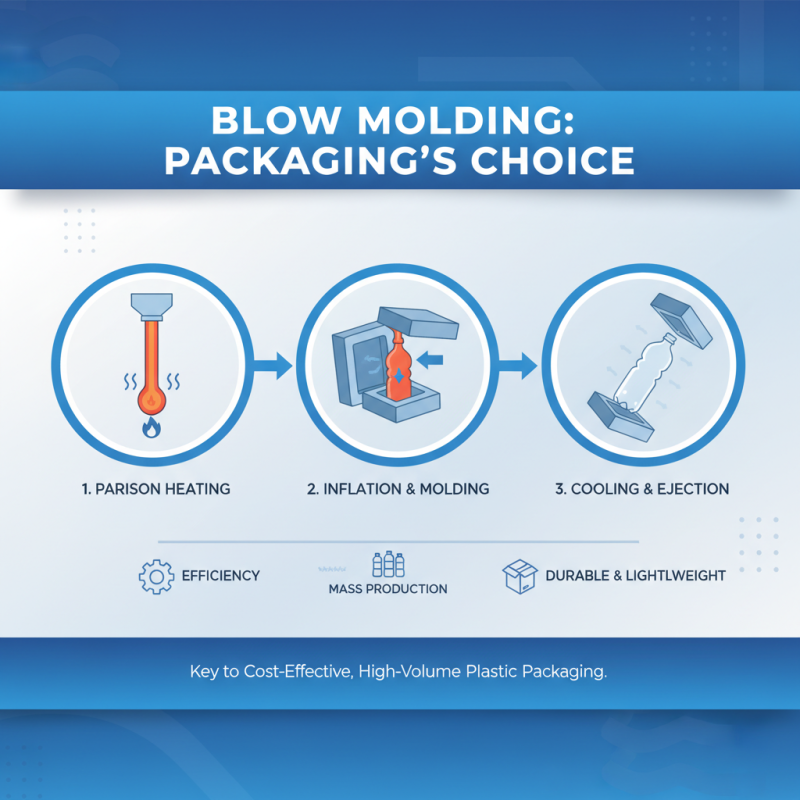
Blow moulding is a widely utilized manufacturing process in the packaging industry, primarily known for its efficiency in producing hollow plastic products. This technique involves inflating a heated plastic tube, known as a parison, into a mould to create various shapes. Due to its cost-effectiveness and ability to manufacture large quantities of items, blow moulding has gained considerable traction among businesses that seek durable and lightweight packaging solutions.
The versatility of blow moulding allows for the creation of an array of packaging products, includinG Bottles, containers, and custom packaging shapes. This process not only ensures a seamless design but also provides manufacturers with the ability to incorporate different materials and enhance product functionality. Furthermore, blow moulding supports sustainability initiatives as it often utilizes recyclable materials. As consumers become more environmentally conscious, the demand for eco-friendly packaging solutions has surged, prompting manufacturers to adopt blow moulding techniques that align with these trends.
Advantages of Using Blow Moulded Products
Blow moulding is a highly efficient manufacturing process that yields a variety of products ideal for packaging needs. One of the primary advantages of using blow moulded products is their lightweight nature, which significantly reduces shipping costs and energy consumption during transportation. Additionally, the ability to create hollow structures allows for accommodating larger volumes while maintaining a manageable weight, making them an excellent choice for industries that prioritize cost-effectiveness and sustainability.
Another significant benefit is the versatility of blow moulded products. They can be designed in various shapes and sizes, catering to the specific requirements of different packaging applications. This flexibility in design allows manufacturers to create tailored solutions that enhance product protection while also appealing to consumers. Furthermore, blow moulded items can be produced in a range of materials, offering options for durability and recyclability, which aligns with the growing demand for eco-friendly packaging solutions.
10 Best Blow Moulding Products for Your Packaging Needs in 2023
| Product Type | Capacity (Liters) | Material | UV Resistance | Recyclable | Advantages |
| Bottle | 1.5 | HDPE | Yes | Yes | Durable, Lightweight |
| Container | 5 | PET | No | Yes | Transparent, High Clarity |
| Jerrican | 10 | PP | Yes | Yes | Chemical Resistance, Stackable |
| Tanker | 200 | PE | No | Yes | Large Capacity, Easy Handling |
| Drum | 50 | PVC | Yes | No | Tamper-Proof, Secure Seal |
Key Factors to Consider When Choosing Blow Moulded Packaging
When selecting blow moulded packaging for your products, several key factors must be considered to optimize performance and meet market demands. One critical aspect is material selection. Polyethylene (PE) and polypropylene (PP) are the most commonly used materials in blow moulding due to their excellent strength-to-weight ratios and chemical resistance. According to a report by Smithers Pira, the global market for blow moulded plastics is projected to reach approximately $26.5 billion by 2026, highlighting the importance of choosing the right material for both durability and sustainability.
Another essential factor is design versatility. Blow moulding allows for the creation of complex shapes and unique features that can enhance your packaging’s functionality and aesthetic appeal. Companies can leverage this flexibility to customize their products to specific market needs, which can significantly impact consumer choices. Moreover, as per the Freedonia Group, packaging accounts for about 40% of the total plastic consumption, emphasizing the growing influence of design on sustainability efforts. The ability to create lightweight packaging not only reduces material usage but also lowers transportation costs, making it a strategic advantage in a competitive landscape.
10 Best Blow Moulding Products for Your Packaging Needs in 2023
Top 10 Blow Moulding Products for Various Applications
In 2023, the blow moulding industry continues to innovate, providing efficient and versatile packaging solutions across various applications. According to a recent report from Grand View Research, the global blow moulding market size is expected to reach USD 36.9 billion by 2025, growing at a compound annual growth rate (CAGR) of 4.3%. This growth is driven by the demand for lightweight packaging materials and the increasing need for sustainable solutions in industries ranging from food and beverages to chemicals and pharmaceuticals.
Blow moulding offers a unique advantage in producing complex shapes and large volumes swiftly, making it ideal for industries that require both functionality and aesthetic appeal. For instance, the beverage sector heavily relies on blow-moulded containers due to their durability and lightweight properties, which significantly reduce transportation costs. Additionally, advancements in technology, such as improved machine efficiency and material recyclability, have fostered the development of products that meet diverse application needs, from industrial packaging to consumer goods.
As sustainability becomes more critical, manufacturers are also integrating recycled materials into blow moulding processes, aligning with the broader industry trend towards eco-friendly packaging solutions.
Comparative Analysis of Blow Moulding Materials
When it comes to packaging solutions, the choice of materials for blow moulding plays a crucial role in determining product quality and performance. Blow moulding is a versatile manufacturing process that allows for the production of lightweight yet durable containers, and understanding the comparative properties of different materials is essential. Common materials used include polyethylene (PE), polypropylene (PP), and polyvinyl chloride (PVC). Each material offers unique benefits; for example, PE is known for its chemical resistance and flexibility, while PP provides excellent tensile strength and temperature resistance. PVC, though less commonly used for food-grade products, is favored for its rigidity and cost-effectiveness in non-food applications.
Tip: When selecting materials for blow moulding, consider not only the specific application but also the environmental impact. Recyclable materials can enhance the sustainability of your packaging, making it essential to evaluate the lifecycle of the products.
Additionally, the processing characteristics of these materials can significantly influence the manufacturing process itself. Factors such as melt flow index, cooling rates, and shrinkage must be taken into account. Utilizing advanced engineering techniques, manufacturers can optimize these parameters to improve overall efficiency and reduce waste.
Tip: Always conduct thorough testing during the prototyping phase to identify any potential issues related to material compatibility, especially if you're using a combination of different polymers. This can save time and resources in the long run.
Innovative Technologies in Blow Moulding for 2023
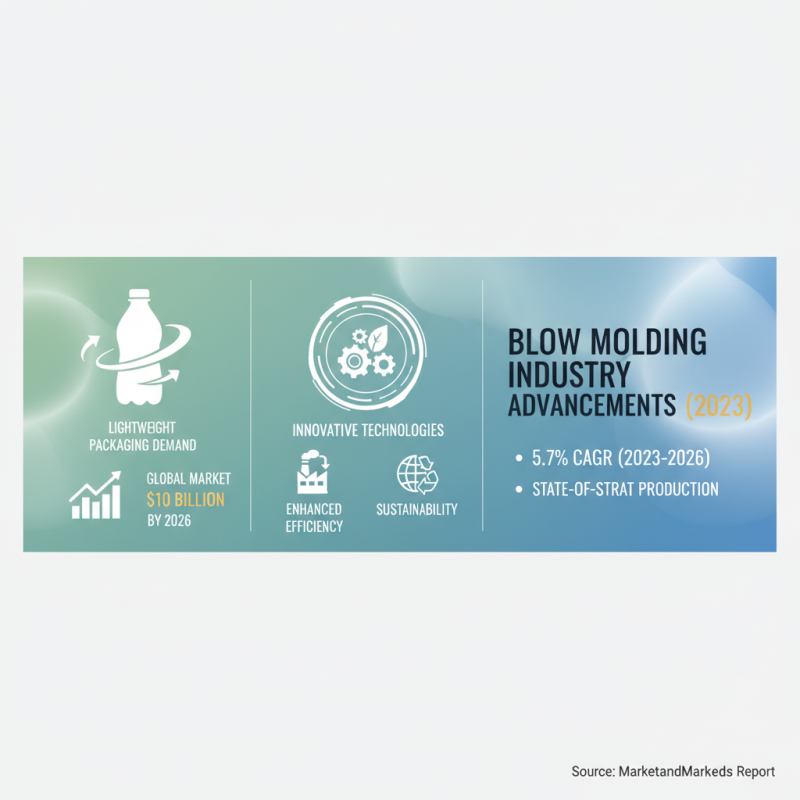
In 2023, the blow moulding industry is experiencing significant advancements driven by innovative technologies that enhance efficiency and sustainability. According to a recent report by MarketsandMarkets, the global blow moulding market is expected to reach $10 billion by 2026, growing at a compound annual growth rate (CAGR) of 5.7%. This growth is fueled by the increasing demand for lightweight packaging solutions across various sectors, highlighting the importance of adopting state-of-the-art production methods.
One of the most noteworthy innovations in blow moulding is the integration of automation and smart technology. These systems streamline the production process, reducing cycle times and energy consumption. A study from the Plastics Industry Association indicates that companies adopting advanced automation saw a 20% increase in productivity. Another key trend is the focus on sustainable materials, with an increase in the use of recycled plastics and bio-based polymers, responding to consumer demand for environmentally friendly products.
Tips for manufacturers looking to leverage these innovations include investing in new machinery that supports automation and exploring partnerships with suppliers of sustainable materials. Additionally, keeping abreast of tech developments and industry standards can help ensure competitiveness. By embracing these advancements, companies can not only improve their operational efficiency but also meet the rising preferences for sustainable packaging solutions.
Future Trends in Blow Moulding and Packaging Solutions
The blow moulding industry is on the cusp of significant transformation as it adapts to emerging trends and technological advancements. A recent report by Smithers Pira highlights that the global blow moulding market is expected to reach $37 billion by 2027, demonstrating a robust CAGR of 5.8% from 2022 to 2027. This growth is driven by the increasing demand for sustainable packaging solutions, as companies pivot towards eco-friendly materials and production methods. Innovations such as bioplastics and recycled PET are gaining traction within the sector, as industries strive to reduce their carbon footprint and enhance the recyclability of their products.
Another pivotal trend is the integration of automation and smart technologies into blow moulding processes. The adoption of Industry 4.0 principles, including IoT and AI, is set to improve production efficiency and quality control. A survey by The Association of Plastics Recyclers found that 75% of companies are looking to implement digital technology to enhance operational efficiency and reduce waste. This shift not only enhances manufacturing capabilities but also prepares the industry for the increasing regulatory pressures regarding sustainability and product safety. As businesses align with consumer preferences for greener packaging, the evolution of blow moulding technology will play a critical role in shaping the future of packaging solutions.
Innovative Solutions: Unleashing the Potential of 750ml PET Blow Mold for Efficient Bottle Production
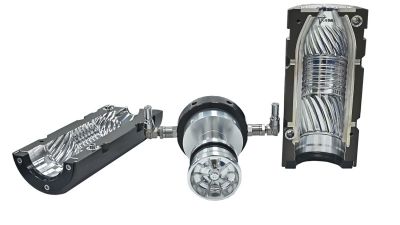
The innovative approach to bottle production using a single-cavity blow mold made from imported aluminum is transforming the efficiency of the manufacturing process. This cutting-edge mold features a corrosion-resistant surface that maintains its integrity even after extended production runs. By utilizing cooling water circulating at temperatures between 10–12°C, the mold ensures optimal thermal stability during the blowing cycle. This controlled environment is crucial for achieving the desired bottle shape with precision and consistency.
In the blow molding process, PET preforms are strategically positioned within the mold cavity. Compressed air is then used to expand these preforms, shaping them into bottles with uniform thickness and a pristine outer surface. The result is a high-quality product that not only meets the rigorous demands of the market but also contributes to reduced material waste. With these innovative solutions, manufacturers can efficiently produce 750ml PET bottles, maximizing productivity while maintaining strict quality standards. This advancement paves the way for a more sustainable and streamlined bottle production industry.
FAQS
: The main advantages include their lightweight nature, which reduces shipping costs and energy consumption, and the ability to create hollow structures that accommodate larger volumes while remaining manageable in weight.
The versatility allows for various shapes and sizes to be designed, catering to specific packaging requirements, enhancing product protection, and appealing to consumers.
The most commonly used materials are polyethylene (PE) and polypropylene (PP) due to their excellent strength-to-weight ratios and chemical resistance.
Material selection is crucial for ensuring durability and sustainability, especially since the global market for blow moulded plastics is projected to grow significantly.
Design versatility allows for the creation of complex shapes and unique features, enhancing both functionality and aesthetic appeal, which can significantly influence consumer choices.
Lightweight packaging reduces material usage and lowers transportation costs, which is strategically advantageous in reducing the overall environmental impact of products.
Packaging accounts for about 40% of total plastic consumption, highlighting its significant influence on sustainability efforts in manufacturing and design.
Yes, blow moulded products can be produced using a range of materials that offer durability and recyclability, aligning with the demand for eco-friendly packaging solutions.
The growing demand for cost-effective, sustainable, and customized packaging solutions is significantly impacting the blow moulded packaging industry.
Economic factors such as shipping costs, energy consumption, and material efficiency influence the choice of blow moulded packaging, making it a strategic option for industries.
Conclusion
Blow moulding is a crucial manufacturing process in the packaging industry, providing innovative solutions for various applications. This article explores the advantages of using blow moulded products, such as their lightweight nature, cost-effectiveness, and ability to create complex shapes. When choosing blow moulded packaging, factors like material compatibility, durability, and environmental impact should be considered.
In 2023, the article highlights the top 10 blow moulding products that cater to diverse needs, along with a comparative analysis of the materials used. Additionally, it addresses innovative technologies transforming blow moulding, emphasizing their potential to enhance efficiency and sustainability. Finally, the article discusses future trends in blow moulding, forecasting advancements that will shape the packaging solutions of tomorrow.
 Chinese
 Email
Email Whatsapp
 WeChat