In the fast-paced world of packaging, picking the right Blow Molding molds is a pretty big deal. A good, well-designed mold can really boost your production speed and help you get better quality products. But honestly, with so many options out there worldwide, figuring out which one’s best can be kind of overwhelming.
A lot of companies claim they have the top solutions, but it's important to look past their sales pitches and really consider their experience and expertise. Things like durability, precision, and how flexible the design is really matter. For example, companies like Husky Injection Molding Systems stand out because of their innovative tech.
That said, not every mold out there will hit all your specific needs. Sometimes, folks choosing molds forget to think about their unique production requirements, and that can cause some headaches down the line. It’s a balancing act—finding that sweet spot between quality and cost. When you're in the market for blow molding molds, it's a smart move to ask for recommendations and do your homework. Trust me, taking that extra time makes a huge difference when making a decision you won’t regret.

Understanding Blow Molding: A Brief Overview of the Process
Blow molding is a widely used manufacturing process. It produces hollow plastic parts through the manipulation of heated thermoplastic materials. Understanding this process is crucial for buyers in various industries. The global blow molding market was valued at approximately $11.2 billion in 2020 and is projected to grow at a compound annual growth rate (CAGR) of 5.1% from 2021 to 2028.
The blow molding process involves three main steps: heating, blowing, and cooling. Initially, plastic resin is heated and molded into a Preform. Then, air is blown into the preform, expanding it to the shape of the mold. Finally, the molded part is cooled and removed. Despite its efficiency, challenges persist.Variations in temperature can affect the final product’s quality. Monitoring these factors is essential to ensure consistency.
Moreover, sustainability is becoming an industry focus. Buyers must consider eco-friendly materials. The use of recycled materials can improve environmental impact. However, the adaptation of such materials can complicate the molding process and may not yield the desired quality. This highlights the need for ongoing research and development within the industry.
Key Factors to Consider When Selecting Blow Molding Molds
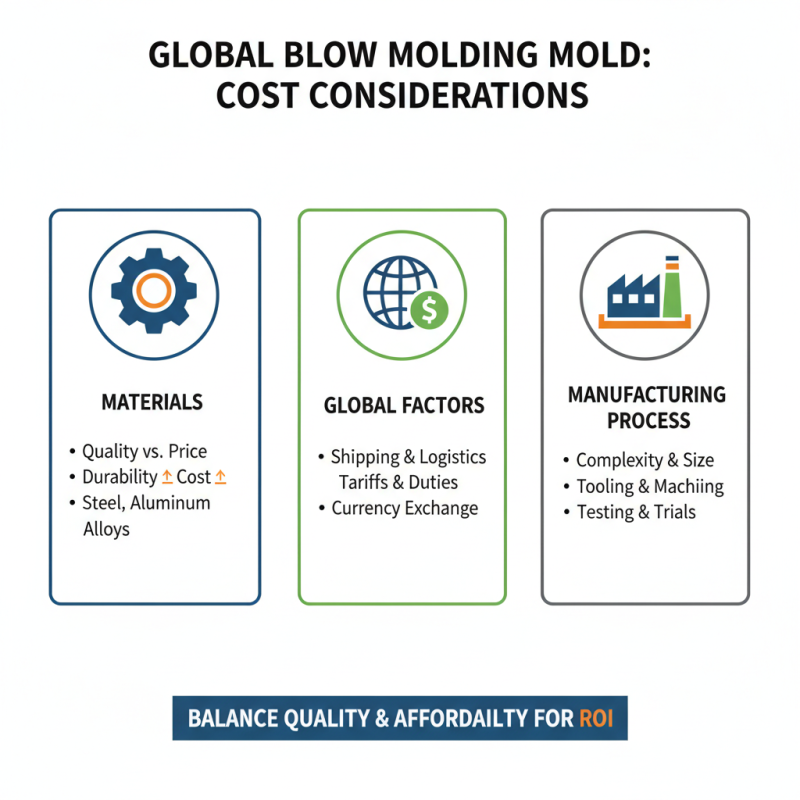
When selecting blow molding molds, several key factors come into play. The material of the mold itself is critical. A durable material ensures longevity and reduces production costs over time. According to industry reports, molds made from high-quality steel can last up to three times longer than those made from lower-grade materials.
Moreover, the complexity of the mold design affects the final product's quality. More intricate designs can enhance functionality but may increase production time and costs. It's essential to evaluate whether the mold's design aligns with your project requirements and timelines. Additionally, consider the compatibility of the mold with your blowing machines. A precise match can significantly improve efficiency in the production process.
Tips: Always ask about the maintenance history of the molds. Molds that are well-maintained tend to perform better. Communication with your Blow Molds Factory is vital. Make sure they understand your needs to avoid future complications. Lastly, consider not just the initial cost but the total cost of ownership over the mold's lifespan. Investing a bit more upfront could lead to substantial savings down the line.
Top Materials Used in Manufacturing Blow Molding Molds
Blow molding is an essential process in manufacturing various plastic products. Choosing the right materials for molds is crucial. Commonly used materials include aluminum and steel due to their durability and heat resistance. Each material has its advantages. Aluminum molds are lighter and easier to handle. Steel molds tend to last longer but may be heavier and more expensive.
The choice of material affects both the cost and quality of production. For instance, some manufacturers prefer stainless steel for its corrosion resistance. Other options include reinforced composites, which can offer flexibility and lower weight. These choices reflect the evolving technology in blow molds. It is imperative for designers to analyze the required specifications thoroughly.
Despite all advancements, challenges remain. Improper material selection can lead to defects in finished products. Inadequate testing of molds can affect the production cycle. Manufacturers, including a reliable Blow Molds Company, must continuously assess their processes. Understanding the intricacies of material properties ensures better outcomes in blow molding operations.
Review of Popular Types of Blow Molding Molds in the Market
Blow molding molds are essential in manufacturing various plastic products. They allow for efficient production of items like bottles and containers. The choice of mold can significantly impact product quality. For buyers, understanding mold types is crucial.
Some popular blow molding molds include single-layer and multi-layer molds. Single-layer molds are cost-effective. They work well for simple products. On the other hand, multi-layer molds provide enhanced barrier properties. This makes them ideal for packaging sensitive materials.
It's important to reflect on the mold design. Designers must balance production speed with quality. This may lead to some inaccuracies in product shape. Buyers should be aware of these trade-offs. Exploring different Blow Molds Products can help in making informed decisions.
Innovations and Advancements in Blow Molding Mold Technology
The field of blow molding mold technology has seen significant advancements in recent years. Innovations are driven by the need for efficiency and sustainability. New materials improve mold durability and reduce manufacturing costs. In addition, lightweight designs are increasingly common, leading to faster production times. Advanced computer simulations allow engineers to optimize mold designs with precision. This ensures consistency and minimizes defects in the final products.
Another exciting trend is the integration of eco-friendly practices. Many manufacturers are adopting recyclable or biodegradable materials in their molds. This shift not only meets global sustainability goals but also appeals to eco-conscious consumers. While these innovations are promising, challenges remain. The investment required for new technology can be substantial. Some businesses struggle to keep pace with rapid changes. Additionally, training staff on new systems requires time and resources.
Customization of molds is also on the rise. Buyers increasingly demand molds tailored to specific applications. This trend pushes manufacturers to innovate constantly. Although customization can lead to better products, the complexity may increase production lead times. Balancing innovation with practical execution will be vital for future success in this evolving industry.
Compatibility and Customization in Blow Molding Molds for Different Industries
Blow molding is a widely used technique in manufacturing plastic products. It offers great flexibility. Different industries require molds that suit their specific needs. Customization plays a vital role in ensuring compatibility across various sectors. Designing molds tailored to specific applications enhances efficiency.
Industries like automotive, packaging, and consumer goods demand unique specifications. A blow mold used in packaging may differ from one used for automotive parts. Material choices, thickness, and design intricacies can greatly influence product outcomes. Each mold must fit seamlessly with its intended production line.
Customization can sometimes be challenging. Finding the right balance between cost and design complexity is crucial. Buyers must also consider the compatibility of molds with existing machinery. Investing in high-quality, well-designed molds can lead to long-term benefits. Still, there’s always room for improvement in mold design and application techniques. This reflection can lead to innovative solutions and improved manufacturing processes.
Top 10 Blow Molding Molds for Global Buyers
Conclusion
Blow molding molds are essential tools in the blow molding process, enabling the production of various plastic products efficiently. Understanding the blow molding techniques and the specific factors to consider when selecting molds—such as material type, design requirements, and industry applications—can significantly impact the quality and cost-effectiveness of manufacturing. Key materials used in creating blow molding molds, innovation in mold technology, and customization options for different industries also play pivotal roles in buyers' decisions.
As global buyers navigate the marketplace for blow molding molds, cost considerations become crucial, alongside the compatibility of molds with existing production systems. By staying informed about the latest advancements and popular mold types available, buyers can make well-informed choices that align with their operational needs and enhance productivity.
 Chinese
 Email
Email Whatsapp
 WeChat