Pet Blow Molding is actually a pretty popular way to make high-quality plastic containers and other products. It’s a clever technique that uses the properties of PET—those plastic materials you see everywhere—to produce lightweight, tough, and recyclable items. That makes it a really eco-friendly choice for lots of different industries. As companies look for faster, more cost-effective ways to boost their production, understanding how PET blow molding works—and what benefits it offers—becomes more and more important.
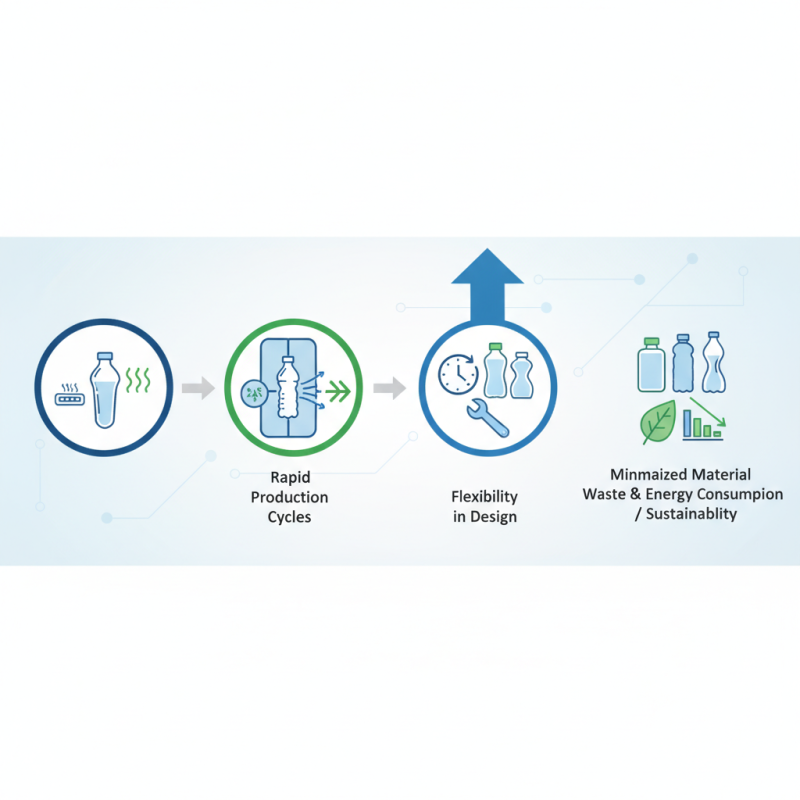
So here’s the gist: you start with these small Preforms, which are then heated up and expanded using air pressure to get the final shape. The cool thing is, this process is pretty quick, and it gives you a lot of room to get creative with different shapes and sizes. Plus, it’s optimized to waste less material and consume less energy, which lines up perfectly with the trend toward sustainable manufacturing. By digging into how PET blow molding works, manufacturers can really make the most of these perks—helping them stay ahead and keep up with what customers want nowadays.
Introduction to Pet Blowing Moulding: Definition and Overview
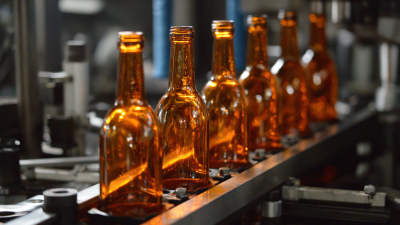
Pet blowing moulding is a manufacturing process that involves reshaping pre-formed plastic materials, primarily polyethylene terephthalate (PET), into desired forms, typically bottles and containers. This technique uses high-pressure air to expand heated plastic preforms into a mould, where the material cools and solidifies, taking on the shape of the mould. The process is efficient, allowing for high-speed production of lightweight yet durable products, making it an ideal choice for manufacturers aiming to meet high market demand.
The versatility of pet blowing moulding extends beyond just bottle production. The ability to customize shapes and sizes, along with the option to include various features such as handles or unique designs, offers manufacturers extensive flexibility. Furthermore, the process is environmentally friendly, as PET is recyclable and can be reused in the production cycle. Manufacturers who adopt pet blowing moulding not only benefit from cost-effectiveness and reduced waste but also contribute to sustainable practices within the industry. The combination of efficiency, adaptability, and eco-friendliness makes pet blowing moulding a vital technique in modern manufacturing.
The Process of Pet Blowing Moulding: Step-by-Step Breakdown
The PET blowing moulding process is a highly efficient method for manufacturing hollow plastic products, primarily used in creating bottles and containers. The process begins with the preparation of PET pellets, which are first melted down into a thick resin. This resin is then shaped into a preform, where the bottle’s neck and base are formed, ensuring a sturdy structure. The preform is then heated to a specific temperature, making it pliable enough for the next crucial step.
Once the preform is adequately heated, it's placed in a mould. High-pressure air is then introduced to expand the preform into the desired shape of the final product. This step requires precision and control, as the timing and pressure directly affect the product’s durability and surface quality. Cooling follows to set the plastic in its new shape and ensure that the bottles are ready for further processing or filling.
Tips for a successful PET blowing moulding process include maintaining optimal temperatures throughout; any fluctuations can lead to inconsistencies in product quality. Additionally, regular maintenance of the machinery used is crucial to avoid production delays. Lastly, ensuring a consistent flow of quality PET pellets can enhance the efficiency of the entire operation, resulting in reduced waste and improved profit margins.
Key Techniques in Pet Blowing Moulding: Machinery and Technology Insights
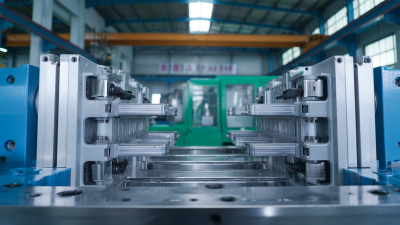
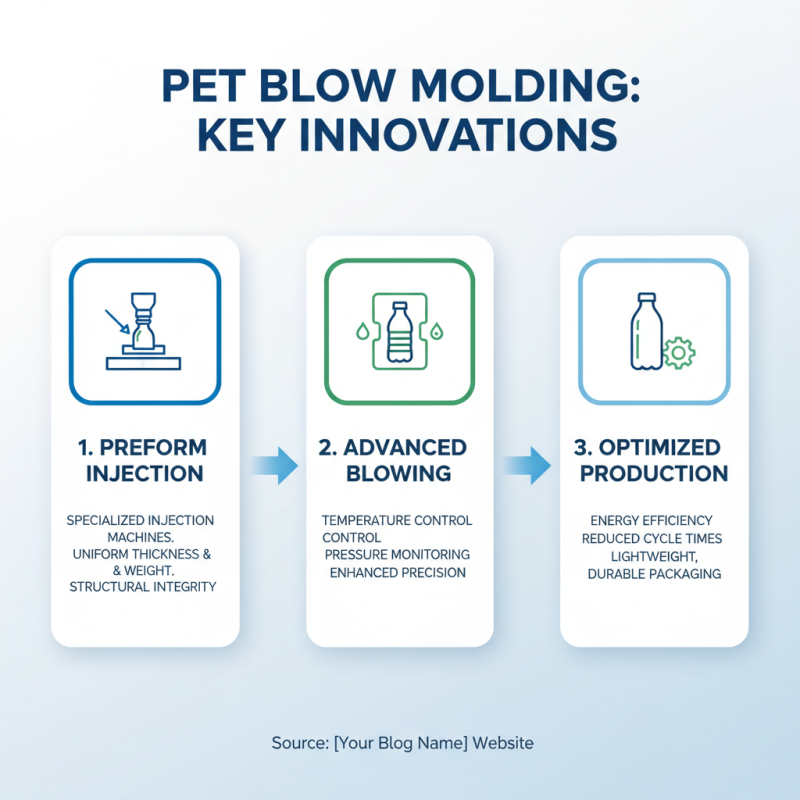
The process of PET blowing moulding is crucial in the production of lightweight, durable packaging solutions. Key techniques in this molding option leverage advanced machinery and technologies to enhance efficiency and precision. The use of specialized injection molding machines that allow for the preforming of PET parisons is a significant innovation. These machines ensure uniformity in thickness and weight, crucial for maintaining the structural integrity of the final product. Moreover, advancements in temperature control and pressure monitoring during the blowing process have resulted in improved energy efficiency and reduced production times.
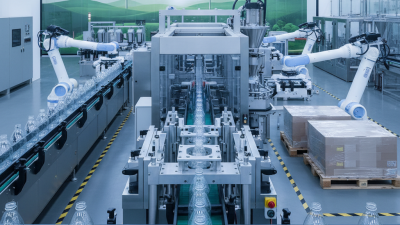
In addition to machinery, the role of technology in PET blowing moulding cannot be overstated. Automation and smart manufacturing systems have entered the field, allowing for real-time monitoring and adjustments throughout the production cycle. These technologies facilitate a higher degree of customization for manufacturers, enabling the creation of intricate designs and packaging solutions tailored to specific market needs. Furthermore, integrating data analytics into the production process assists manufacturers in optimizing their processes, predicting maintenance needs, and ultimately reducing downtime. The combination of state-of-the-art machinery with innovative technological approaches positions PET blowing moulding as a vital technique for manufacturers looking to meet the growing demands for sustainable and efficient packaging solutions.
Benefits of Pet Blowing Moulding for Manufacturers: Cost and Efficiency
Pet blowing moulding offers significant advantages for manufacturers looking to enhance production efficiency and reduce costs. One of the most vital benefits is the ability to produce lightweight yet sturdy containers that require less material compared to traditional methods. This not only saves on raw material expenditures but also optimizes shipping costs due to the reduced weight of the final products. Moreover, the speed of production in pet blowing moulding allows for a higher output in a shorter time frame, which can be crucial for meeting market demands and minimizing downtime.
When considering the implementation of pet blowing moulding, manufacturers should focus on a few key tips to maximize efficiency. Firstly, investing in high-quality machinery can significantly improve the precision of the moulding process, leading to fewer defects and waste. Secondly, regular maintenance of equipment is essential, as this ensures consistently high-quality production and reduces the risk of costly breakdowns. Lastly, engaging skilled operators who understand the intricacies of the pet blowing process can further enhance operational efficiency.
Overall, pet blowing moulding represents a smart choice for manufacturers aiming to lower operational costs while maintaining high productivity levels. By leveraging the benefits of this technique, brands can position themselves competitively in the market, offering quality products that appeal to consumers.
Understanding Pet Blowing Moulding: Key Techniques and Benefits for Manufacturers
| Technique | Description | Cost Efficiency | Production Speed | Material Versatility |
| Continuous Blow Moulding | A process where the plastic preform is continuously formed into a container. | High due to continuous operation and minimal waste. | High; capable of producing thousands of units per hour. | Suitable for various plastics including PET and HDPE. |
| Injection Blow Moulding | Combines injection and blow moulding to create complex shapes. | Moderate; initial costs are higher but can lower operational costs. | Moderate to high; efficient for smaller production runs. | Highly versatile; can use different materials for texture and strength. |
| Stretch Blow Moulding | Involves stretching the preform before blowing, enhancing strength. | Cost-effective in high volume; energy-efficient usage. | Very high; ideal for mass production. | Excellent for lightweight applications with high clarity. |
| Thermoforming | Uses heat to form plastic sheets into desired shapes before blowing. | Lower tooling costs; ideal for short run production. | Variable; depends on complexity of design. | Flexible; accommodates a variety of materials. |
Applications of Pet Blowing Moulding: Industries and Products
Pet blowing moulding is a highly efficient manufacturing process widely adopted across various industries, primarily for producing plastic containers. One of its prominent applications is in the beverage industry, where it is utilized to create lightweight and durable PET bottles. According to a report by MarketsandMarkets, the global PET bottle market is expected to reach USD 65.4 billion by 2025, growing at a CAGR of 4.9% from 2020 to 2025. This growth is driven by an increasing demand for packaged beverages and an emphasis on sustainable packaging options, as PET is fully recyclable and has a lower carbon footprint compared to glass or other materials.
Beyond the beverage sector, pet blowing moulding is also extensively used in the food packaging industry, where it offers protective, cost-effective, and hygienic solutions for food products. The rigid packaging market, which includes food containers produced through this process, was valued at approximately USD 250 billion in 2020 and is projected to grow as consumer preferences shift towards more sustainable and lightweight packaging.
Furthermore, the cosmetic and pharmaceutical industries utilize PET containers to enhance product shelf life while offering aesthetic benefits through clear, attractive designs. This versatility of pet blowing moulding underscores its critical role across various sectors, meeting both functional and environmental needs in product packaging.
Challenges in Pet Blowing Moulding: Limitations and Solutions
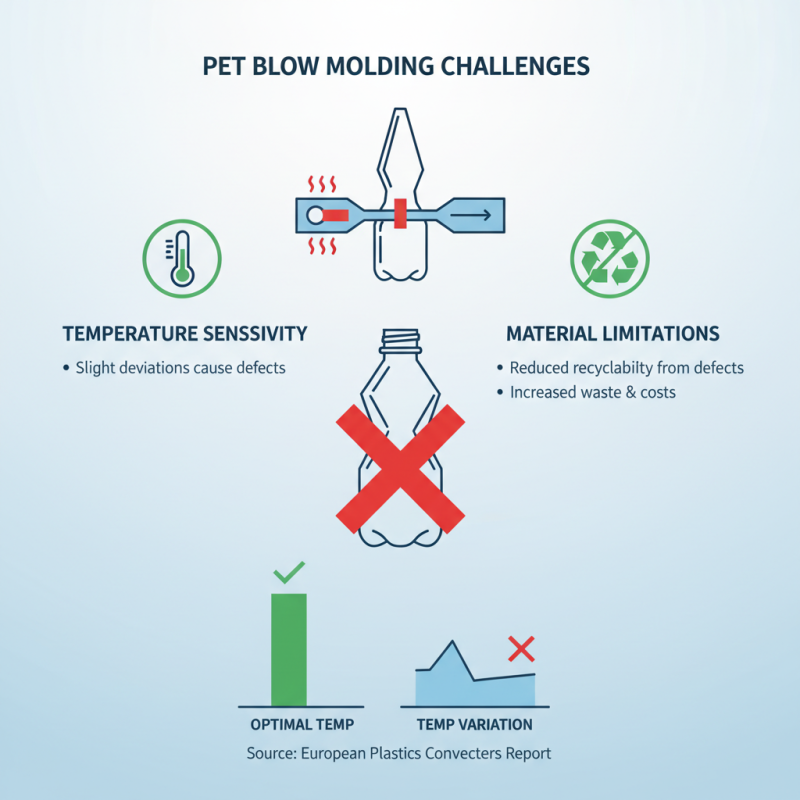
Pet blowing moulding has gained traction in various industries for its efficiency and versatility in creating plastic containers. However, it is not without its challenges. One significant limitation is the material characteristics of PET itself. While PET is preferred for its recyclability and clarity, it presents processing difficulties due to its sensitivity to temperature variations. According to a report by the European Plastics Converters, slight deviations in temperature can lead to undesirable physical properties in the final product, resulting in increased waste and production costs.
Moreover, the bottleneck in the production cycle often arises from the complexity of the moulding process. High-speed production demands precise control over the preform heating and the blowing parameters. A study conducted by the Society of Plastics Engineers noted that manufacturers can face up to a 15% reduction in output efficiency without appropriate adjustments to the moulding parameters, which can lead to higher operational costs. Solutions such as the implementation of advanced control systems and better training for operators are essential in addressing these issues, enabling manufacturers to achieve optimal performance and mitigate production losses.
Furthermore, the cyclical nature of market demands poses an additional challenge. As consumer preferences shift towards sustainable packaging solutions, manufacturers must adapt their processes while maintaining efficiency. Reports from industry analysts indicate that investments in technology to enhance the recycling capabilities of PET products are growing, with a projected increase of 20% in market-driven recycling technologies by 2025. Embracing such innovations will not only help to overcome existing challenges but also position manufacturers to better meet evolving consumer needs.
Future Trends in Pet Blowing Moulding: Innovations and Market Outlook
The PET blowing molding industry is poised for significant advancements driven by technological innovations and an evolving market landscape. Recent projections indicate that the global PET blowing molding market is expected to grow at a substantial compound annual growth rate (CAGR) of around 5.2% through 2027, as revealed in a comprehensive industry analysis. This growth can be attributed to increased demand for lightweight and sustainable packaging solutions across various sectors, including food and beverage, personal care, and household products. As the importance of sustainability continues to rise, manufacturers are increasingly adopting eco-friendly practices, such as utilizing recycled PET (rPET), which not only meets regulatory requirements but also appeals to environmentally conscious consumers.
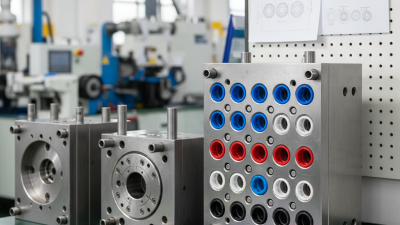
In terms of innovation, automated and smart technologies are transforming traditional PET blowing molding processes. The integration of Industry 4.0 principles, such as the Internet of Things (IoT) and artificial intelligence (AI), allows for enhanced monitoring and optimization of production lines, significantly improving efficiency and reducing operational costs. According to a report by a leading market research firm, nearly 40% of PET molders are expected to adopt advanced analytics and automation by 2025, thereby enhancing their competitive edge. Furthermore, advancements in mold design and precision engineering are enabling the production of more complex shapes and sizes, expanding the scope of applications for PET molded products. As these trends unfold, manufacturers must remain agile in their operations to capitalize on emerging opportunities and maintain relevance in a dynamic market environment.
FAQS
: Pet blowing moulding is a manufacturing process that reshapes pre-formed plastic materials, mainly polyethylene terephthalate (PET), into desired forms, typically bottles and containers, by using high-pressure air.
The main advantages include high-speed production, the creation of lightweight and durable products, customization of shapes and sizes, and environmentally friendly practices due to the recyclability of PET.
The process involves heating plastic preforms, which are then expanded into a mould with high-pressure air. The material cools and solidifies, taking the shape of the mould.
Yes, pet blowing moulding is considered environmentally friendly as PET is recyclable, which helps reduce waste and supports sustainable manufacturing practices.
Significant trends include the adoption of automated and smart technologies, the use of recycled PET, and advancements in mold design and precision engineering.
The PET blowing moulding market is projected to grow at a compound annual growth rate (CAGR) of around 5.2% through 2027, driven by increasing demand for sustainable packaging solutions.
Innovations such as the Internet of Things (IoT) and artificial intelligence (AI) are enhancing production line monitoring and optimization, leading to increased efficiency and lower operational costs.
Industries such as food and beverage, personal care, and household products are driving the demand for lightweight and sustainable packaging solutions.
Features such as handles and unique designs can be incorporated into pet blowing moulded products, providing manufacturers with extensive flexibility in customization.
Manufacturers should focus on adopting advanced technologies, maintaining agility in operations, and exploring sustainable practices to capitalize on emerging opportunities in the market.
Conclusion
Pet Blowing Moulding is a widely used manufacturing process that creates plastic products through the expansion of heated PET (polyethylene terephthalate) preforms within a mould. This article provides an in-depth overview of the step-by-step process, highlighting key techniques involving advanced machinery and technology that enhance production efficiency.
Manufacturers reap numerous benefits from adopting Pet Blowing Moulding, including cost-effectiveness and improved operational efficiency. The article also explores the diverse applications of this method across various industries, detailing the products commonly produced. Additionally, it addresses challenges faced in the process and suggests potential solutions, while also examining future trends and innovations that could shape the market outlook for Pet Blowing Moulding.
 Chinese
 Email
Email Whatsapp
 WeChat