You know, the way plastic components are made has really gone through a huge transformation lately. One of the coolest technologies out there now is Blow Molding. Honestly, it allows manufacturers to whip up complex and customized designs pretty efficiently—it's pretty impressive. I was reading a report from Grand View Research, and it turns out the global market for blow molding was worth over $20 billion back in 2021. They also expect it to keep growing—around 5% annually—from 2022 all the way to 2030. Pretty wild, right?
Now, a big part of this process involves the molds used in blow molding. These molds are what shape the liquid plastic as it gets inflated—think of them as the artful molds that give plastics their final shape. Big names like Nike and Coca-Cola have been using advanced blow molding tech for their packaging, which is cool to see. But let’s be honest, it’s not all smooth sailing—issues like mold wear and tear do pop up from time to time. That’s why regular maintenance and continuous innovation are so important to keep things running smoothly.
And with everyone pushing for more sustainable packaging options these days, the need for top-notch blow molding molds is more urgent than ever. Companies really need to stay ahead by adopting new materials and techniques. Investing in research and development isn’t just a good idea anymore—it’s kinda essential if they want to keep up and solve these challenges properly.
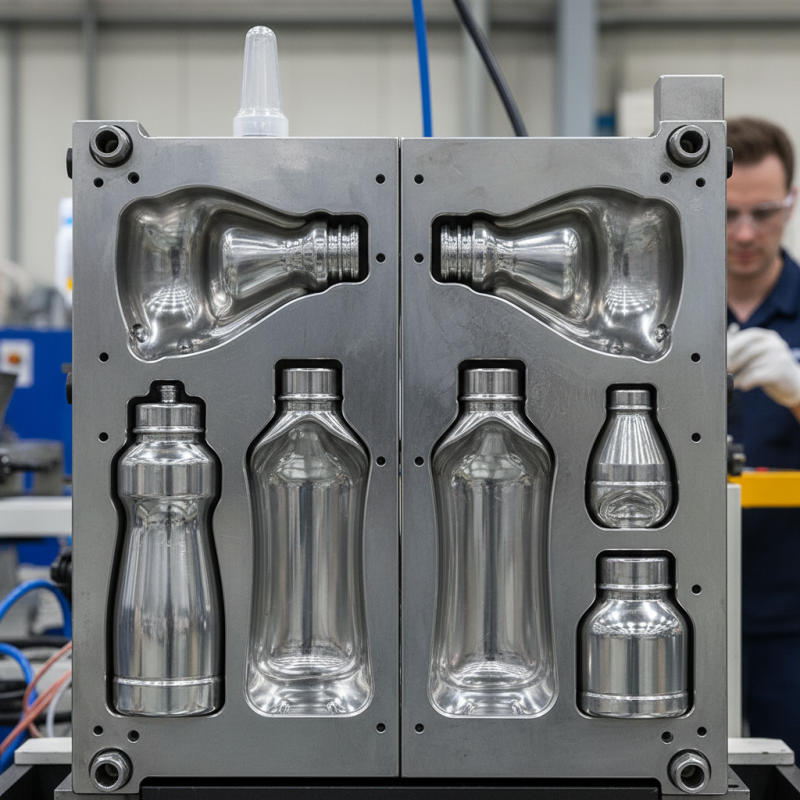
Overview of Blow Molding and Its Applications
Blow molding is a key technique in manufacturing plastic products. It involves inflating heated plastic into a mold shape. This process arrives at various applications, includinG Bottles and containers. The versatility of blow molding makes it suitable for both small and large-scale production.
In a Blow Molds Factory, precision is paramount. Each mold should fit perfectly to avoid flaws. Over time, molds can wear out or become inefficient. Regular inspection and maintenance are often overlooked. Ignoring these aspects can lead to costly production delays. Adjustments to designs may be needed to enhance efficiency.
The applications of blow molding are extensive. It thrives in packaging, automotive, and consumer goods sectors. Despite its advantages, challenges remain. Achieving uniform thickness can be tricky. Variability in material can affect the outcome. These factors require careful consideration in production planning. Understanding these nuances can lead to improved results in the long run.
Types of Blow Molding Processes Explained
Blow molding is a critical process in manufacturing plastic parts. There are various types of blow molding processes, each serving different needs. The three primary methods are extrusion blow molding, injection blow molding, and Stretch Blow Molding. Understanding these is essential for selecting the right technique.
Extrusion blow molding involves extruding molten plastic into a mold. This method is ideal for producing hollow plastic products like bottles. However, it can produce uneven wall thickness, which is a potential drawback. The extrusion process can be faster, but the quality may vary based on the operator’s skill.
Injection blow molding combines injection molding and blow molding. A plastic preform is injected, then inflated in the mold. This technique offers better wall thickness control and is suitable for high-quality products. It does, however, require more upfront investment in machinery.
Stretch blow molding uses pre-stretched materials for greater strength and clarity, commonly seen in PET bottles. While it ensures uniformity, it can be complex and may lead to higher costs.
Tips: Always assess the intended use of the product before selecting a blow molding process. Consider factors like production volume and budget. Regular training for operators can significantly improve output quality. Remember, even small changes can impact the final product.
Key Components of Blow Molding Molds
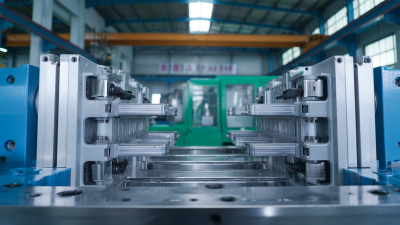
Blow molding molds are vital in the production of plastic items. Each mold consists of several key components that ensure efficiency and quality. The mold cavity is the heart of the process, shaping the final product. It directly influences the part's dimensions and finish. A well-designed cavity leads to consistent items.
Cooling channels are another critical aspect. They manage temperature during production. If they are poorly designed, it results in uneven cooling and defects. This may cause warping or weak points. Precision is key and minor flaws can lead to significant issues.
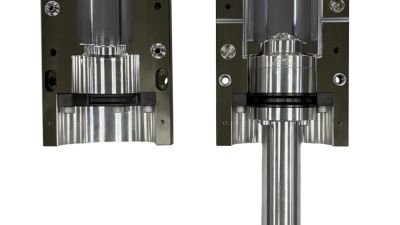
Shut-off valves control material flow. They prevent leakage and ensure a clean process. Their placement affects the ease of assembly and maintenance. Over time, wear and tear can affect performance. Regular checks can help maintain efficiency. Attention to these components can significantly enhance the blow molding process.
Materials Used for Manufacturing Blow Molding Molds
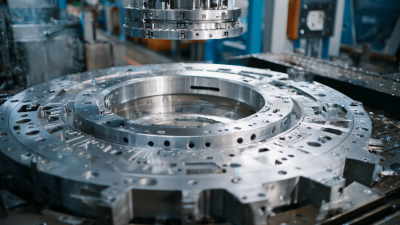
The materials used for manufacturing blow molding molds play a crucial role in production efficiency. Typically, molds are crafted from steel or aluminum. Steel molds offer durability and longevity. However, they come with higher costs. Aluminum molds heat up and cool down faster. This can increase production speed. A report indicates that aluminum molding accounts for about 25% of the market share in blow molding processes.
Additionally, the choice of material affects the final product quality. For instance, steel molds provide better heat retention. Yet, they can be prone to rust if not maintained properly. Some manufacturers are exploring polymer blends for lower production costs. This approach might provide less durability. But it's a cost-effective alternative for short production runs. According to industry data, around 15% of companies are shifting to these newer materials.
Innovation in mold technology also brings challenges. Not every Blow Molds Company is fully equipped to adapt to such changes. The balance between cost-efficiency and product quality can be difficult. Compressing production timelines may lead to mistakes. This area requires careful monitoring to avoid future hiccups. The push for sustainable materials is another aspect under discussion. Ultimately, selecting the right material depends on both budget and intended use.
Factors Influencing the Design of Blow Molding Molds
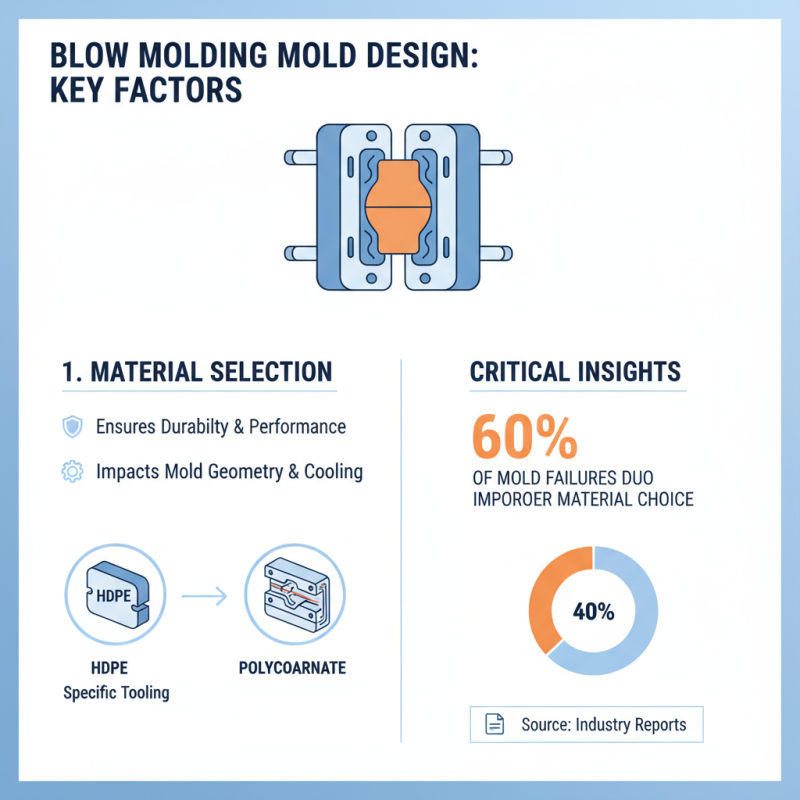
The design of blow molding molds is influenced by various critical factors. Material selection is paramount. The right materials ensure durability and performance. For instance, high-density polyethylene often requires specific mold designs compared to polycarbonate. According to industry reports, over 60% of mold failures stem from improper material choices.
Another factor is the geometry of the product. Complex shapes can complicate the mold design. Precise calculations are needed to ensure even material distribution during the blow molding process. One common pitfall is forgetting to account for shrinkage rates. This oversight can lead to products that don’t meet quality standards. Always remember: accurate CAD modeling helps visualize potential issues early.
**Tips:** During the design phase, always conduct simulations. They save time and resources. Additionally, consider collaborating with engineers who specialize in Blow Molds Product design. Their expertise can enhance mold efficiency. Maintaining clear communication among team members is vital. Design tweaks can sometimes lead to unexpected challenges, making collaboration essential for success.
Maintenance and Care for Blow Molding Molds
Proper maintenance of blow molding molds is crucial for their longevity. Regular inspections can help identify wear and tear early. A small crack can lead to significant production issues down the line, resulting in increased costs and delays. Cleaning the molds after every use is vital. Residues left behind can affect the next production cycle. It is important to follow a detailed cleaning protocol that fits the specific materials being used.
Storage is another critical aspect of mold care. Molds should be kept in a dry and temperature-controlled environment. Humidity can lead to rust and corrosion, diminishing the mold's quality. Using protective coatings can also help prevent moisture-related damage. For businesses relying on a Blow Molds Supplier, ensuring that purchased molds come with care guidelines is essential. Maintaining communication with the supplier can also provide further insights into best practices.
Neglecting proper care can result in costly repairs. Some may overlook minor maintenance tasks, thinking they can wait. However, this could lead to larger breakdowns later. Understanding the balance between immediate costs and long-term sustainability is key. Investing in maintenance pays off in smoother operations and fewer disruptions.
Future Trends and Innovations in Blow Molding Technology
The future of blow molding technology is evolving rapidly. Innovations in materials and processes are shaping this industry. Engineers are focusing on creating more sustainable and lightweight designs. Biodegradable resins are becoming popular choices. This shift could drastically reduce waste in production.
Robotics and automation are also pivotal. They enhance efficiency and precision in mold design. Smart technologies are enabling real-time monitoring of production lines. But, these advancements bring challenges too. The industry must address skills gaps in the workforce. Training programs need evolution to meet these new demands.
Moreover, integration of AI is on the rise. It helps optimize performance and reduce downtime. However, reliance on technology can lead to overdependence. Companies must balance tech and human insight for best results. The journey towards a more innovative blow molding future is promising yet complex.
Reflecting on these changes is essential for growth and sustainability.
Maximizing Efficiency in Packaging: Insights from the 2023 Blow Molding Market Report on 350ml Aluminum and PET Bottles
The 2023 Blow Molding Market Report highlights the pivotal role of maximizing efficiency in the production of packaging, specifically focusing on 350ml aluminum and PET bottles. In the competitive landscape of beverage packaging, manufacturers are increasingly demanding solutions that not only enhance productivity but also reduce operational costs. A key product that addresses these needs is a high-speed blow molding mold specifically designed for 350ml PET bottles. Its compatibility with mainstream Asian blow molding machinery ensures seamless integration into existing production lines, allowing manufacturers to upgrade their capabilities without the need for extensive new investments.
This mold leverages advanced materials and engineering techniques, employing lightweight aluminum alloy and multi-axis precision machining. These features not only guarantee precise cavity formation but also facilitate synchronization with dynamic equipment parameters, promoting higher throughput rates. The innovative lightweight structure coupled with a bionic cooling channel design significantly cuts down on energy consumption, resulting in improved operational efficiency. Such enhancements are particularly beneficial for the production of diverse beverage types, including tea, fruit juices, and functional drinks. By addressing the core demands for rapid mold changeovers and high-efficiency production, this solution is poised to transform how manufacturers optimize their packaging processes, making it an indispensable tool in the evolving blow molding market.
FAQS
: The product is designed to solve specific everyday problems. It aims to simplify tasks efficiently.
Use it according to the instructions. Explore various settings for optimal results.
Yes, do not overlook the setup steps. Ignoring guidelines can lead to unsatisfactory outcomes.
Check the connections first. If problems persist, consult the troubleshooting section for assistance.
It is best suited for indoor use. Outdoor conditions might compromise its effectiveness.
Yes, regular cleaning is necessary. Neglecting maintenance can decrease performance over time.
Store it in a dry, cool place. Avoid areas with high humidity or extreme temperatures.
Reach out to customer support. They can provide personalized assistance and help clarify issues.
The warranty typically lasts for a limited time. Check the details to understand its coverage.
Yes, returns are accepted within the specified period. Make sure to keep the original packaging intact.
Conclusion
Blow molding molds are crucial in the manufacturing process of plastic products through various blow molding techniques. This article offers a comprehensive overview of blow molding, detailing its applications across different industries. It explains the various types of blow molding processes, such as extrusion and injection blow molding, and outlines the key components that make up blow molding molds. The materials used to manufacture these molds are also discussed, highlighting their importance in ensuring durability and accuracy.
Additionally, the article examines the factors that influence the design of blow molding molds, including product specifications and production volume. It emphasizes the importance of maintenance and care to extend the lifespan of these molds. Finally, it delves into future trends and innovations within blow molding technology, showcasing how advancements are shaping the industry and enhancing mold performance. Overall, understanding blow molding molds is essential for anyone involved in plastic manufacturing.
 Chinese
 Email
Email Whatsapp
 WeChat